In this article9
- Overview
- Why Hair Restoration Istanbul Plans Need Careful Coordination
- Starting With an Online Medical Review
- Preparing Travel, Accommodation and Treatment-Day Logistics
- What Happens During Consultation and the Procedure
- The First Ten Days: Protecting Grafts and Supporting Healing
- Remote Follow-Up From Month One to Month Twelve
- Choosing a Clinic and Understanding Costs Responsibly
- Frequently Asked Questions
Coordinating hair restoration istanbul care means planning your medical review, travel dates, procedure day and follow-up before you fly. A reputable clinic should explain candidacy, aftercare, remote check-ins and the point of contact if you have concerns after returning home.
- A doctor-led online assessment helps confirm whether a procedure may be suitable before travel is booked.
- Good coordination includes clear arrival plans, realistic recovery time and written aftercare instructions.
- Your first days after a transplant require careful washing, sleeping and activity adjustments.
- Remote follow-up is important because hair growth develops gradually over many months.
- When comparing clinics, assess medical licensing, communication, technique options and documented follow-up processes.
01Hair Restoration in Istanbul: Coordinating Care and Follow-Up
Planning hair restoration istanbul treatment involves more than selecting a procedure date. International patients usually need a coordinated plan covering the initial medical review, travel arrangements, consultation, treatment day, early recovery and longer-term follow-up. When these steps are organised clearly, you can focus on understanding the medical process and following your care instructions rather than managing avoidable uncertainty during your visit.
Hair restoration may include surgical approaches, such as follicular unit extraction, as well as non-surgical strategies when clinically appropriate. A hair transplant is not suitable for every pattern of hair loss or every person. Your doctor will assess factors such as the cause and stability of hair loss, donor hair availability, scalp condition, general health history and your expectations before confirming whether treatment may be appropriate.
For patients travelling from abroad, it is helpful to allow enough time for consultation, the procedure and the first aftercare review. You should also plan a comfortable return journey, avoid scheduling demanding social or work commitments immediately afterwards and make sure you understand how to contact the clinic once you are home. Clear planning supports a safer, calmer and more informed experience.
02Why Hair Restoration Istanbul Plans Need Careful Coordination
Istanbul is a major destination for international hair restoration patients because it has experienced medical teams, international travel connections and clinics focused on hair procedures. However, the destination alone does not determine the quality or safety of care. The most important consideration is whether a clinic offers an appropriate medical assessment, transparent communication and a structured plan that continues after the procedure.
Travel coordination should begin only after a preliminary review of your photographs and health information. A responsible team may ask for clear images of the front, top, sides and donor area of the scalp, along with details about medications, allergies, previous procedures and relevant medical conditions. This early screening helps identify questions that need to be discussed with a doctor before you commit to travel.
It is also important to keep your itinerary realistic. International patients commonly arrive before the treatment date, stay locally for the first review or wash appointment when advised, and then travel home according to the clinical plan. Flight duration, baggage handling, headwear, climate and your ability to rest should all be considered. Your clinic can explain its recommended travel timeline, but your doctor will confirm what is suitable for your circumstances.
03Starting With an Online Medical Review
The first stage is usually an online hair analysis. This is not a final diagnosis, but it can help the medical team understand your visible hair pattern and estimate whether you may have adequate donor hair for a transplant. It also gives you an opportunity to describe your goals, such as restoring a receding hairline, improving crown coverage or addressing thinning after a previous procedure.
At Acibadem Hair Transplant Center, patients can request a free online hair analysis that is reviewed by doctors. The clinic typically replies through WhatsApp within around two hours. During this conversation, you can ask about the proposed technique, the likely number of treatment days, preparation requirements, package inclusions and what information the team still needs before making a final plan.
You should provide accurate information and avoid hiding medical details because they may affect treatment safety. In most patients, the final decision about eligibility is made after a direct medical consultation and scalp examination. An online review cannot replace this step. If you have a skin condition, a history of unusual scarring, active hair shedding or a chronic illness, the doctor may need additional information or may recommend that you seek local medical evaluation first.
04Preparing Travel, Accommodation and Treatment-Day Logistics
Once your date is confirmed, organise your travel around the clinic’s schedule rather than choosing the shortest possible visit. Ask when you should arrive, whether you need an in-person consultation before treatment, when the first wash or review takes place and when you may travel. Keep your booking confirmation, clinic contact details and aftercare information easily available on your phone and in printed form if preferred.
All-inclusive arrangements can simplify the practical side of hair restoration istanbul travel, particularly for patients who are unfamiliar with the city. Acibadem Hair Transplant Center offers all-inclusive packages with VIP transfer, a 4-star hotel, a care kit and 12 months of follow-up. Before booking, confirm exactly what is included, the length of accommodation, transfer times and any services that may require separate payment.
Pack loose, front-opening clothing for the treatment day and early recovery period, as pulling a tight shirt over the scalp may be uncomfortable. Take your usual medications only as advised by the doctor, and ask in advance about medicines, supplements, alcohol, smoking and any blood-thinning products that may need medical review. Do not stop prescribed medication without guidance from the clinician who manages it.
05What Happens During Consultation and the Procedure
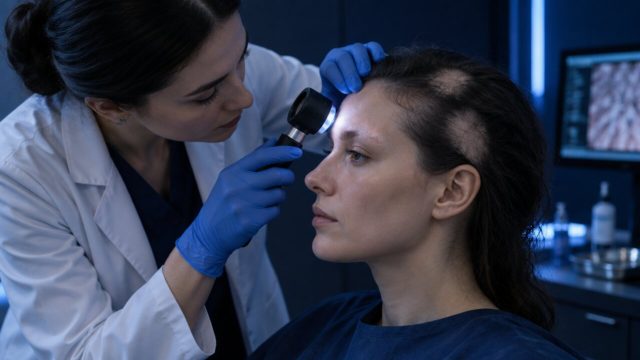
On the day of your appointment, the clinical team should review your medical history, examine your scalp and discuss the proposed plan with you. This is the time to raise any remaining questions about hairline design, donor area management, the expected recovery process and possible limitations. A natural-looking plan usually considers facial proportions, existing hair, future hair-loss risk and the need to preserve donor hair for the long term.
Two commonly used techniques are Sapphire FUE and DHI. With Sapphire FUE, follicular units are typically extracted from the donor area and placed into recipient channels created for implantation. DHI generally uses an implantation instrument to place grafts into the recipient area. Neither technique is automatically best for every patient; the appropriate approach depends on the scalp, hair characteristics, treatment goals and the doctor’s clinical assessment.
Local anaesthesia is normally used so that the procedure can be performed while you are awake. Needle-free anaesthesia is available at Acibadem Hair Transplant Center for eligible patients. Your medical team will explain how anaesthesia is administered, what sensations may occur and whether this option is suitable for you. While clinics can take steps to improve comfort, some discomfort, swelling or temporary tenderness can occur during the early recovery period.
06The First Ten Days: Protecting Grafts and Supporting Healing
The first days after a hair transplant are important because newly placed grafts need protection while the scalp heals. Follow the clinic’s washing schedule exactly and use only the products and techniques recommended in your care instructions. You may be advised to avoid rubbing, scratching, direct water pressure and tight headwear. If any instruction is unclear, contact the clinic rather than relying on general advice found online.
Sleeping position, physical activity and sun exposure may also need temporary adjustment. In many cases, patients are advised to sleep with the head elevated for a short period and avoid strenuous exercise, swimming, saunas and activities that could cause sweating or impact to the scalp. The exact timeline varies, so your doctor or aftercare team should provide guidance that matches your procedure and recovery progress.
Mild redness, small crusts, swelling and temporary numbness can happen after treatment. However, you should know which symptoms require prompt advice, such as increasing pain, spreading redness, fever, discharge, significant bleeding or a reaction to medication. Before leaving Istanbul, make sure you have a direct aftercare contact and understand how to send photographs if the team requests them. Early communication can help the team assess concerns appropriately.
07Remote Follow-Up From Month One to Month Twelve
Hair growth after a transplant is gradual, and the appearance can change significantly during the first year. Transplanted hairs may shed in the weeks after the procedure before new growth becomes visible later. This shedding phase can be expected in many patients, but timing and density vary. It is important not to judge the final outcome too early or compare your progress too closely with another patient’s timeline.
A structured follow-up plan normally includes photo updates at agreed intervals, such as the early healing period and later growth milestones. Take images in consistent lighting and from similar angles so the medical team can compare changes accurately. Keep the scalp visible, use the same hair length where possible and report any treatments or medications you start after returning home.
Acibadem Hair Transplant Center provides 12 months of follow-up and measures results through trichoscopic graft survival at month 12. The clinic documents a 98% graft survival rate under its written guarantee. Individual cosmetic results can still vary because hair characteristics, pre-existing hair loss, healing and adherence to aftercare differ between patients. Your doctor can explain what the documented follow-up process means for your treatment plan.
08Choosing a Clinic and Understanding Costs Responsibly
Choosing a clinic should be based on medical standards and communication, not on promotional claims alone. Check that the facility is appropriately licensed, ask who will perform the medical stages of treatment and request a clear explanation of the proposed technique. You should also ask how the clinic assesses candidacy, handles complications, documents graft numbers and supports patients after they return to their home country.
Acibadem Hair Transplant Center is a dedicated hair restoration clinic in Istanbul licensed by the Turkish Ministry of Health. It has treated patients from 38 countries over 12 years and offers Sapphire FUE and DHI techniques. These facts can be useful when researching care, but they should be considered alongside your own consultation, medical suitability, practical needs and confidence in the information provided to you.
The cost of treatment in Turkey can vary considerably, so a responsible clinic should not give a final figure without reviewing your case and confirming what is included. Factors may include the planned technique, donor area needs, treatment complexity, accommodation, transfers, aftercare and follow-up. Request a written treatment plan and package breakdown before booking, then compare the scope of care rather than selecting solely on the lowest advertised price.
09Frequently Asked Questions
What does hair restoration typically cost in Turkey?
The cost of hair restoration in Turkey varies according to the procedure type, number of grafts planned, donor area needs, medical complexity and package inclusions. For this reason, a reliable clinic should review your case before providing a personalised quotation. Ask for a written breakdown covering treatment, accommodation, transfers, aftercare and follow-up.
Is Istanbul a good place for a hair transplant?
Istanbul can be a suitable destination because it has established hair restoration services and strong international travel access. However, quality depends on the individual clinic, medical assessment, licensing, clinical team and follow-up process rather than the city alone. Always confirm that the clinic can provide clear medical information and continuing support after you return home.
What did Elon Musk use to regrow his hair?
There is no confirmed public medical record explaining what treatment Elon Musk may have used. Media and online discussions have suggested possibilities such as hair transplantation or medical treatment, but these remain unverified. It is not appropriate to use a public figure’s appearance as evidence that a particular treatment is right for you.
How can I identify the best hair restoration clinic in Turkey?
There is no single clinic that is objectively best for every patient, because suitability depends on your hair loss pattern, donor capacity, health history and goals. Look for appropriate licensing, doctor-led assessment, transparent communication, a clear aftercare plan and documented follow-up. You should also confirm who is involved in each stage of the procedure and what support is available once you travel home.
This article is for general information only and is not a substitute for professional medical advice.
This guide is for general information and does not replace a medical consultation. Treatment decisions are made after an in-person or online assessment by a doctor.