In questo articolo9
- Understanding the hair implant process before you book
- Online assessment and the consultation stage
- Medical suitability, planning, and pre-procedure preparation
- Procedure day: anaesthesia, extraction, and implantation
- Days 1 to 14: protecting the grafts during early healing
- Weeks 3 to month 4: shedding and the quiet phase
- Months 5 to 12: growth, maturation, and formal follow-up
- Long-term planning, limitations, and caring for native hair
- Frequently Asked Questions
The hair implant process usually begins with a medical assessment and treatment plan, followed by preparation, the procedure day, early healing, temporary shedding, and gradual new growth. Most patients need around 12 months to assess the transplanted area properly, with follow-up helping the medical team monitor healing and progress.
- A safe treatment timeline starts with medical assessment of hair loss, donor supply, health history, and realistic goals.
- Sapphire FUE and DHI are graft-placement techniques that your doctor may recommend according to your individual plan.
- Early crusting, swelling, and temporary shedding can be normal parts of recovery, but instructions should be followed carefully.
- New growth is gradual, and the most meaningful assessment of graft survival and density is usually made around month 12.
- A transplant can restore selected thinning areas, but it does not stop future hair loss in untreated native hair.
01Understanding the hair implant process before you book
A hair implant treatment is not only a procedure day. The hair implant process is a planned clinical journey that normally includes assessment, donor-area planning, graft extraction, implantation, wound care, and long-term review. Knowing the order of these stages can make the experience feel more predictable and can help you prepare practical questions for your doctor. Although the timeline is similar for many people, the details depend on the pattern of hair loss, scalp condition, available donor hair, medical history, and the number of grafts considered appropriate.
Hair transplantation moves healthy follicles from a donor area, usually at the back or sides of the scalp, to an area with thinning or permanent hair loss. A graft may contain one or more hairs. The team plans how grafts will be distributed to support a natural-looking hairline, appropriate density, and sensible use of the donor area. It is important to understand that donor hair is limited, so a responsible plan considers both today’s appearance and possible future hair loss.
At Acibadem Hair Transplant Center, a dedicated hair restoration clinic in Istanbul licensed by the Turkish Ministry of Health, the journey can begin with a free online hair analysis reviewed by doctors. Replies on WhatsApp are generally provided within around two hours. This first review is helpful for orientation, but the final suitability assessment and treatment decisions should always be confirmed by the clinical team.
02Online assessment and the consultation stage
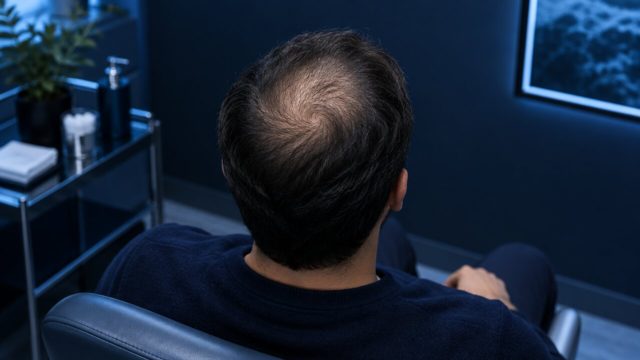
The consultation is where expectations become a medical plan. You may be asked to provide clear photographs of the front, top, crown, sides, and donor area in good lighting. The doctor reviews the visible pattern of thinning, hair calibre, scalp appearance, and estimated donor capacity. You should also share relevant health information, previous hair procedures, allergies, regular medicines, and any history of scalp disease or excessive scarring.
A good consultation also discusses what a transplant can and cannot achieve. Your doctor may explain whether the hairline should be kept conservative, whether the crown needs careful graft distribution, and whether one session is likely to be sufficient for your goals. The hair implant process should be designed around safe donor management rather than simply aiming for the highest possible graft number. A dense-looking result can depend on hair characteristics, contrast between hair and scalp, styling, and ongoing native-hair loss as well as graft quantity.
Before confirming travel or treatment, ask what is included in your plan, who will provide aftercare guidance, and how follow-up will take place once you are home. Acibadem Hair Transplant Center offers all-inclusive packages that include VIP transfer, a 4-star hotel, a care kit, and 12 months of follow-up. Ask the team to explain the written treatment information clearly and make sure you understand which symptoms need routine monitoring and which require prompt medical contact.
03Medical suitability, planning, and pre-procedure preparation
Not every person with hair loss is an immediate candidate for transplantation. Active scalp inflammation, certain medical conditions, uncontrolled health concerns, or insufficient donor supply may change the timing or suitability of treatment. Some patients need further investigation of the cause of hair loss before a surgical plan is considered. Your doctor will confirm whether treatment is appropriate after reviewing your individual circumstances.
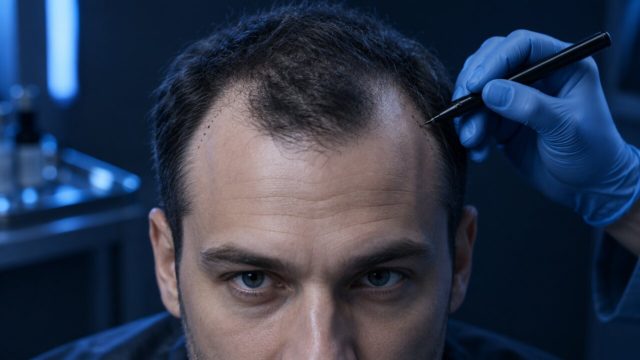
Once suitability is established, planning normally focuses on the recipient area and donor area. The team may mark the proposed hairline and define the zones to be treated. Hairline design should take facial proportions, existing hair, age, and the likelihood of future thinning into account. This is why a mature, medically planned hairline is usually preferable to one that is placed too low or uses too many grafts at the front.
You will receive instructions for the days before treatment. These may cover medicines, smoking, alcohol, scalp products, meals, clothing, and transport arrangements. Follow the clinic’s own guidance rather than relying on general advice from social media, because instructions can differ according to your health profile and treatment plan. Arrange time away from strenuous activities and plan for a calm recovery period, especially during the first several days.
04Procedure day: anaesthesia, extraction, and implantation
On procedure day, the team usually confirms the planned areas, takes clinical photographs, and reviews consent and aftercare instructions. The scalp is prepared, and local anaesthesia is used so that the extraction and implantation stages are typically comfortable. At Acibadem Hair Transplant Center, needle-free anaesthesia is available for eligible patients. Your clinical team will explain whether it is suitable for you and what you may feel during the treatment.
During Sapphire FUE, follicular units are extracted individually from the donor area and prepared for placement. Sapphire blades may be used to create recipient channels before grafts are implanted. During DHI, prepared grafts are implanted with a specialised implantation tool, which can allow controlled placement in selected cases. Neither method is automatically best for every patient; the choice should be based on the recipient area, existing hair, graft characteristics, and the doctor’s clinical plan.
The hair implant process on the day requires patience because careful graft handling and placement take time. You may have breaks for meals, water, and comfort. After implantation, the clinic checks the treated area and donor area, provides immediate care instructions, and explains how to sleep and protect the grafts. You should not drive yourself if you have been advised otherwise, and it is sensible to have a relaxed schedule for the evening.
It is normal to leave with visible short hairs, tiny crusts around implanted grafts, and some redness or mild swelling. These early signs do not show the final result. The grafts need time to settle, and the skin needs time to heal. Clear aftercare is therefore as important as the surgical technique, particularly in the first days when rubbing, pressure, or accidental trauma could affect the healing scalp.
05Days 1 to 14: protecting the grafts during early healing
The first two weeks are mainly about protection and gentle hygiene. You will normally receive detailed washing instructions, including when to begin washing, how to apply lotion or foam if provided, and how to rinse without strong water pressure. Do not scratch, pick crusts, wear tight headwear, or expose the scalp to unnecessary friction unless your clinic has specifically advised it. Your doctor will tell you when normal washing can be resumed.
Mild swelling around the forehead, redness in the recipient area, numbness, tightness, or itching may occur in the early recovery period. These effects are often temporary, but it is important to follow the instructions given to you and contact the clinic if you are concerned. Increasing pain, significant discharge, fever, severe swelling, or symptoms that feel unusual should be reported promptly so that a clinician can advise you appropriately.
Sleeping position and activity restrictions are especially relevant at this stage. Patients are commonly advised to avoid strenuous exercise, swimming, direct sunlight, and situations where the scalp may be knocked or rubbed for a period set by the clinic. Travel home may be possible according to the treatment plan, but continue the aftercare schedule carefully. Keep the care kit and contact details accessible, particularly if you are returning to another country soon after treatment.
06Weeks 3 to month 4: shedding and the quiet phase
Many patients notice that implanted hairs shed several weeks after the procedure. This is commonly called shock shedding of the transplanted hair shafts, and it can be an expected part of the cycle. The follicles remain beneath the skin while the visible hairs fall out. This phase can feel worrying when the transplanted area looks thinner than expected, but it does not by itself mean that the follicles have failed.
Existing native hair can also react to surgery or to ongoing hair-loss processes. For this reason, the appearance during the first few months may not represent the final outcome. Your doctor may discuss ways of managing progressive hair loss, but recommendations need to be based on your health profile and should not be copied from another person’s treatment plan. A transplant redistributes follicles; it does not automatically stop thinning in areas that were not transplanted.
During this quieter phase, continue to follow the advice on washing, haircuts, colouring, exercise, and sun exposure. Take progress photographs in similar lighting and from the same angles if the clinic requests them. These images can help the follow-up team compare changes over time more reliably than day-to-day mirror checks. Patience is important because visible growth does not usually develop at the same speed across every part of the scalp.
07Months 5 to 12: growth, maturation, and formal follow-up
From around the middle months onward, new hairs may start to become easier to see. They can initially look fine, soft, or uneven in length. As the growth cycle continues, many patients see gradual improvement in coverage and styling options. The front, mid-scalp, and crown can mature at different rates, and the crown in particular may appear slower because of its natural hair direction and the size of the area being covered.
A realistic month-by-month approach is more useful than expecting a sudden change. Hair texture, shaft thickness, curl pattern, and scalp visibility can continue to evolve as the transplanted hairs mature. Good photographs and regular communication help the team assess progress in context. Avoid judging the outcome too early or comparing your recovery with images that have different lighting, hairstyle, or starting levels of hair loss.
At Acibadem Hair Transplant Center, results are measured by trichoscopic graft survival at month 12, with a documented 98% rate under written guarantee. This measurement approach focuses on graft survival rather than making vague visual claims. Individual cosmetic appearance can still vary because it is influenced by hair characteristics, recipient-area size, native hair, healing, and future loss. The 12-month follow-up is a key point for reviewing the result and discussing any appropriate next steps.
08Long-term planning, limitations, and caring for native hair
A hair transplant can be a valuable option for selected patients, but it is not a one-time cure for every type of hair loss. The transplanted follicles are placed in a specific area, while surrounding native hair may continue to thin over time. This may create a need for future planning, particularly in younger patients or those with extensive progressive hair loss. A conservative graft strategy helps preserve options if further treatment is needed later.
Possible downsides include surgical recovery, temporary visible redness or crusting, temporary shedding, uneven early growth, and the possibility that the result may not meet every aesthetic expectation. There are also general surgical risks such as infection, bleeding, scarring, altered sensation, or poor growth, although careful screening, sterile practice, and correct aftercare aim to reduce these risks. Your doctor should explain the relevant risks and limitations before you consent to treatment.
Long-term satisfaction often depends on realistic expectations and continued attention to scalp and hair health. Keep your scheduled follow-up appointments, report concerns rather than self-treating them, and discuss any changes in your natural hair with a qualified clinician. Patients from 38 countries have been treated over 12 years at Acibadem Hair Transplant Center, but every plan remains individual. The best timeline is one that protects your health, donor supply, and future appearance rather than promising an instant transformation.
09Frequently Asked Questions
Is hair implant surgery painful?
Hair implant surgery is usually performed with local anaesthesia, so patients typically feel pressure, movement, or brief discomfort rather than ongoing pain during extraction and implantation. The anaesthetic administration can be the least comfortable part for some people; needle-free anaesthesia is available at Acibadem Hair Transplant Center for eligible patients. Mild soreness, tightness, itching, or tenderness can occur after treatment, and your clinical team will provide appropriate aftercare instructions.
What is the cost of 3,000 hair grafts?
There is no reliable single price for 3,000 grafts because cost depends on your suitability, the technique selected, donor-area assessment, treatment complexity, included services, and follow-up plan. A graft count alone does not show whether that number is medically appropriate or how it should be distributed. Request a free online hair analysis for an individual plan and a clear explanation of the package scope.
What should I know before having a hair transplant?
It is important to know that results take time, with temporary shedding commonly occurring before new growth becomes visible. You should also understand that donor hair is limited, future native-hair loss can continue, and a transplant cannot guarantee a particular density or permanently stop all thinning. Ask about your donor capacity, realistic hairline design, recovery restrictions, risks, follow-up, and how success will be assessed.
What are the potential downsides of a hair transplant?
Potential downsides include the need for a recovery period, temporary redness, swelling, crusting, itching, and a shedding phase before growth begins. Surgical risks can include infection, bleeding, scarring, altered sensation, poor graft growth, or an outcome that does not meet expectations. There is also the long-term issue of continuing hair loss in untreated native hair, which is why responsible planning and follow-up are important.
Questo articolo ha scopo puramente informativo e non sostituisce il parere medico professionale.
Questa guida ha scopo informativo generale e non sostituisce una visita medica. Le decisioni sul trattamento vengono prese dopo una valutazione del medico, di persona o online.