In questo articolo11
- Panoramica
- Understanding Hairline Loss in Textured and Coiled Hair
- How a Natural Hairline Is Designed
- Donor Area Assessment and Graft Extraction
- Preparing for a Hairline Transplant Procedure
- Healing, Growth Timeline, and Long-Term Expectations
- Protecting Existing Hair After Restoration
- Who May Need Further Assessment Before Hairline Restoration
- A Practical Early Aftercare Schedule for the First Two Weeks
- Planning Your Istanbul Visit and Return Journey
- Frequently Asked Questions
African american hairline restoration can involve medical treatment, lifestyle support, or a carefully planned hair transplant, depending on the cause and stability of hair loss. For many patients, the key is protecting existing hair and designing a soft, age-appropriate hairline that respects natural curl pattern, density, and future hair-loss changes.
- A successful hairline plan should account for curl pattern, donor-hair characteristics, facial proportions, and future hair loss.
- Medical assessment is important because traction, inflammatory scalp conditions, and pattern hair loss may need different care.
- Sapphire FUE and DHI can both be considered for suitable candidates, with technique chosen after clinical evaluation.
- Transplanted follicles are generally intended to be permanent, but existing non-transplanted hair may continue to thin.
- Careful aftercare and long-term follow-up can support healing and help protect the wider hair area.
01Hairline Restoration for African American Patients: Key Considerations
African american hairline restoration requires more than simply placing grafts along the front of the scalp. The aim is usually to create a hairline that looks natural with the patient’s skin tone, tightly curled or coiled hair pattern, facial shape, age, and likely future hair-loss pattern. A good plan should also preserve enough donor hair for the future. For this reason, a doctor-led assessment is an important first step before medication or surgery is considered.
Hairline concerns in Black men and women can have several causes. These may include hereditary pattern hair loss, a naturally high hairline, gradual temple recession, traction from tight hairstyles, previous scalp injury, or certain inflammatory conditions that can cause scarring. The treatment approach depends on the cause. A transplant may be appropriate for stable hair loss in some patients, while active scalp disease or ongoing traction may need medical management first.
At Acibadem Hair Transplant Center, a dedicated hair restoration clinic in Istanbul licensed by the Turkish Ministry of Health, the planning process begins with a free online hair analysis reviewed by doctors. Clear photographs and a medical history can help the team make an initial assessment, although an in-person examination may still be needed to confirm suitability. Patients can usually receive a WhatsApp reply within approximately two hours.
02Understanding Hairline Loss in Textured and Coiled Hair
Textured hair has features that matter in hair restoration. Curly and coiled hair can provide good visual coverage because each strand has more bend and volume than straight hair. At the same time, the curve of the follicle below the skin may be more pronounced. This can make graft extraction technically demanding and means that careful handling is especially important during a transplant procedure.
Traction alopecia is a particular consideration for patients who regularly wear tightly pulled braids, ponytails, extensions, wigs, or other styles that place repeated tension on the hairline. Early traction-related thinning may improve when the pulling force is stopped and the scalp is given time to recover. However, longstanding traction alopecia can lead to permanent follicle loss, especially when the skin appears smooth, shiny, or scarred.
Frontal fibrosing alopecia, central centrifugal cicatricial alopecia, and other inflammatory scalp disorders can also affect people with textured hair. These conditions may cause itching, burning, tenderness, scaling, or progressive hairline change, although symptoms are not always present. A transplant should generally not be planned in an area with active inflammation or unstable scarring. A dermatologist or treating doctor should first assess and stabilise the condition where possible.
03How a Natural Hairline Is Designed
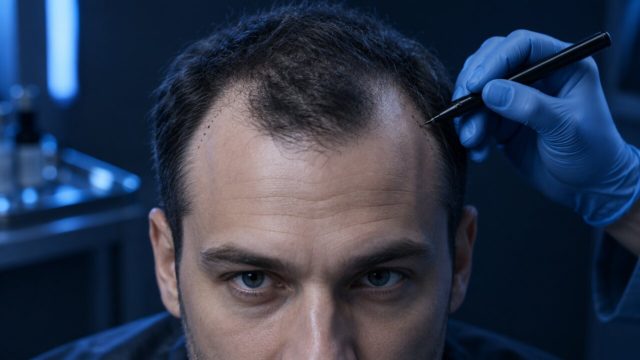
A natural hairline is rarely a straight line. In most adults, it has small irregularities, gentle transitions at the temples, and a softer zone of finer hairs at the leading edge. Placing grafts too low, too dense, or too sharply can make a result look artificial over time. A conservative design is often safer because it can remain appropriate if hair loss progresses later in life.
During african american hairline restoration planning, doctors assess facial proportions rather than relying on a single standard measurement. The forehead height, temple shape, eyebrow position, profile, age, and personal grooming preferences can all influence the design. A patient who wears a close haircut may need a different approach from someone who usually wears longer, naturally textured hair. Your doctor will discuss what can realistically be achieved with the available donor supply.
Single-hair follicular units are commonly used at the very front of the hairline to create a softer transition. Grafts containing more than one hair may be placed behind this zone to build density and blend the result into existing hair. The direction and angle of placement are also important. In coiled hair, the visible curl can help create coverage, but the emerging hair must still follow a natural pattern that suits the individual.
04Donor Area Assessment and Graft Extraction
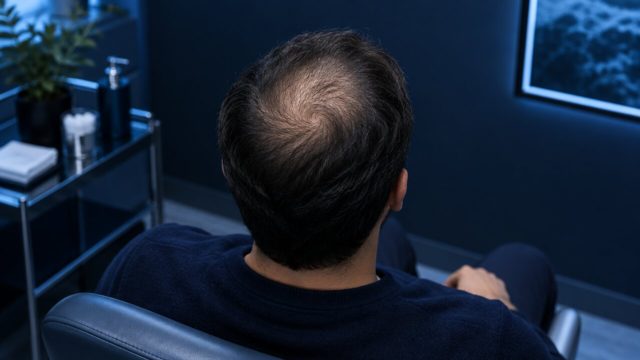
The donor area is usually located at the back and sides of the scalp, where follicles may be more resistant to hereditary thinning. Before a procedure, the medical team evaluates donor density, scalp condition, hair calibre, curl characteristics, and signs of miniaturisation. A strong-looking donor area does not automatically mean that unlimited grafts are available. Extraction must be planned conservatively to avoid visible thinning in the donor zone.
With tightly curled follicles, the hair shaft above the scalp may not show the exact path of the root below the skin. This is why experience with textured hair and careful extraction technique are important. The goal is to remove grafts while minimising trauma to the follicles and surrounding tissue. No surgical technique can remove all risk, and the suitability of each patient must be confirmed individually.
Sapphire FUE may be considered when an FUE approach is appropriate. It involves extracting individual follicular units and placing them into recipient sites prepared with fine sapphire blades. DHI may also be an option for suitable candidates, using an implantation method designed to place grafts with attention to angle and direction. The best technique is not identical for every patient; it depends on scalp findings, the planned area, donor characteristics, and clinical judgement.
05Preparing for a Hairline Transplant Procedure
Before surgery, patients are usually asked about their medical history, medications, allergies, smoking, previous scalp procedures, and family pattern of hair loss. This information helps the doctor identify factors that may affect safety, healing, or expected results. Blood tests or further medical review may be requested when clinically necessary. It is important to provide accurate information and to follow the pre-procedure instructions given by the clinic.
If traction or chemical damage has contributed to hairline thinning, changing harmful styling habits is an important part of preparation. Continuing frequent tight pulling after restoration could place stress on nearby existing hairs. Gentle hair care, reduced tension, and appropriate scalp treatment may be recommended depending on the underlying issue. These measures do not replace a medical assessment, but they can support a healthier environment for the hair and scalp.
Local anaesthesia is commonly used for hair transplant surgery. At Acibadem Hair Transplant Center, needle-free anaesthesia is available for patients who are suitable for it and prefer this option. The team can also explain the travel and care arrangements available in all-inclusive packages, including VIP transfer, a 4-star hotel, a care kit, and 12 months of follow-up. The final plan should be confirmed after medical review rather than based on photographs alone.
06Healing, Growth Timeline, and Long-Term Expectations
After a hairline transplant, small crusts, redness, swelling, and temporary sensitivity can occur during the early healing period. Patients are given instructions on washing, sleeping position, activity, and avoiding friction or pressure on the recipient area. The first days are especially important because newly placed grafts need time to settle. Following the clinic’s aftercare guidance carefully can help reduce avoidable disturbance to the grafts.
It is common for transplanted hairs to shed after the early recovery phase. This does not necessarily mean the follicles have been lost; the follicles may enter a resting phase before new growth begins. Visible growth is gradual, and the hairline usually matures over many months. Texture, curl formation, density, and growth speed can vary between individuals, so photographs from the earliest stages should not be used to judge the final result.
In suitable patients, transplanted follicles are generally selected from areas that are more resistant to pattern hair loss and are intended to provide lasting growth. However, surrounding native hair can continue to thin if hereditary hair loss progresses. This is why long-term planning matters. At Acibadem Hair Transplant Center, results are measured by trichoscopic graft survival at month 12, with a documented 98% rate under written guarantee. Individual outcomes can still vary, and your doctor will explain the terms and suitability.
07Protecting Existing Hair After Restoration
A transplant can restore follicles in a selected area, but it does not stop the biological process behind hereditary hair loss. For this reason, a long-term plan may include monitoring the native hair behind the transplant. Depending on the diagnosis and medical history, a doctor may discuss evidence-based medical options, scalp care, or observation. Patients should not start or stop prescription treatment without guidance from a qualified clinician.
Hair practices remain relevant after healing, particularly for people with coiled and tightly curled hair. Avoiding persistent tension at the front edge of the scalp may help protect existing hairs. Once the scalp has recovered and the medical team has approved it, patients can usually return gradually to their normal grooming routine. Heat, chemical treatments, and tight styles should be approached thoughtfully if the hairline has previously shown signs of fragility.
African american hairline restoration is most successful when it is viewed as a long-term care plan rather than a one-day procedure. Patients should attend recommended follow-up appointments, share any concerns about redness or scalp discomfort promptly, and keep realistic expectations about density. Acibadem Hair Transplant Center has welcomed patients from 38 countries over 12 years, with follow-up support available for 12 months as part of its care pathway.
08Who May Need Further Assessment Before Hairline Restoration
Not every receding or sparse hairline should be treated with a transplant straight away. The most suitable candidates usually have a clear diagnosis, a stable or well-managed pattern of hair loss, adequate donor capacity, and realistic expectations about density. A doctor will also consider whether the proposed hairline can remain natural if thinning continues behind it in the future.
Patients with ongoing itching, pain, burning, pustules, marked scaling, rapidly changing hair loss, or shiny scar-like skin should seek assessment before planning surgery. These signs can sometimes suggest inflammation or scarring, and placing grafts into an unstable area may not be appropriate. In some cases, doctors may advise a period of treatment, observation, or dermatologist-led care before reconsidering restoration.
Age alone does not determine candidacy. For younger adults with a strong family history of progressive hair loss, a conservative approach may be especially important. Lowering a hairline aggressively can use grafts that may be needed later for the mid-scalp or crown. For patients with a naturally high but stable hairline, the planning discussion may focus more on facial balance and donor availability than on active hair-loss treatment.
Previous procedures also matter. Prior transplants, scalp micropigmentation, hairline tattoos, chemical burns, or cosmetic forehead surgery can change the condition of the skin and affect planning. Share clear information about any previous treatment, including when it was performed and whether there were healing concerns. Your doctor can then decide whether additional examination or a different strategy is needed.
09A Practical Early Aftercare Schedule for the First Two Weeks
During the first 24 to 72 hours, the recipient hairline should be protected from rubbing, scratching, pressure, and accidental contact. Patients are commonly advised to sleep with the head elevated as instructed, avoid bending forward for long periods, and take care when changing clothes or using a phone near the scalp. Do not pick at small crusts, even if they feel itchy. Your clinic will provide specific instructions for any prescribed medicines and washing products.
Washing normally begins only when the medical team says it is safe to do so. In the early period, this often involves applying the recommended lotion or foam gently, rinsing with low-pressure water, and using a mild dabbing motion rather than rubbing. The exact day and method can differ between patients and procedures, so the clinic's written instructions should take priority over online advice. Avoid very hot water, strong shower pressure, and vigorous towel drying around the grafted area.
For roughly the first one to two weeks, patients are generally asked to avoid activities that can increase sweating, friction, or the risk of impact to the scalp. This may include strenuous exercise, swimming, saunas, steam rooms, contact sports, and tightly fitted hats. Sun exposure should also be avoided or managed exactly as advised by the clinic. When the crusting stage is complete, the team will explain when normal washing and activity can be resumed gradually.
Contact the clinic promptly if you experience worsening rather than improving pain, spreading redness, unusual discharge, fever, significant swelling, or any concern about the healing area. These symptoms do not always indicate a complication, but they need timely clinical review. Taking dated photographs in good light can also help the follow-up team assess changes when you have returned home.
10Planning Your Istanbul Visit and Return Journey
International patients should organise travel only after receiving the clinic's proposed treatment schedule and medical confirmation. It is sensible to allow enough time in Istanbul for the procedure, the first wash or review if scheduled, and any instructions before flying home. Flight timing should not be chosen only for convenience; the care team can advise on the appropriate travel plan for your procedure.
Bring your passport, medical information, a list of current medicines, and comfortable loose-front clothing such as a button-up shirt or zip-up top. Pulling a tight garment over the head soon after a transplant may disturb the recipient area. If you have allergies, a history of fainting, or use medicines that affect bleeding or healing, make sure these details have been discussed before travel rather than waiting until the day of treatment.
Acibadem Hair Transplant Center provides all-inclusive packages that include VIP transfer, a 4-star hotel, a care kit, and 12 months of follow-up. Before departure, patients should confirm the transfer arrangements, hotel dates, appointment times, and a contact method for the care team. It is also helpful to keep the aftercare instructions and emergency contact details easily available during the journey home.
On the return flight, protect the scalp from unnecessary touching and avoid placing heavy luggage overhead if this could lead to a knock or strain. Follow the clinic's advice about headwear, hydration, medicines, and sleep after travel. Once home, continue the planned follow-up schedule and send requested photographs so the team can monitor healing and early growth over the following months.
11Frequently Asked Questions
What are the options for restoring a Black man’s hairline?
The right option depends on why the hairline has changed. A doctor may recommend reducing traction, treating an active scalp condition, considering medical treatment for pattern hair loss, or assessing suitability for a hair transplant. For stable loss with adequate donor hair, a carefully designed transplant can restore the frontal hairline in suitable patients.
Can the hairline regrow naturally?
Natural regrowth may be possible when follicles are still alive and the cause is reversible, such as early traction or a temporary shedding trigger. Reducing tight hairstyles, addressing nutritional or medical factors when identified, and receiving appropriate clinical care may help in some cases. If follicles have been permanently damaged by longstanding scarring or advanced hair loss, spontaneous regrowth is less likely.
How much does a hair transplant for a Black man typically cost?
The cost can vary widely according to the country, clinic standards, number of grafts needed, technique, donor complexity, and what is included in the treatment plan. Textured-hair extraction may require additional planning because of curved follicles, but a price should only be confirmed after an individual assessment. An online hair analysis can provide a more relevant estimate than a general price range.
How long do hairline transplants last?
Transplanted follicles are usually taken from a donor area that is more resistant to hereditary hair loss, so they are generally intended to grow long term. However, results can be affected by individual healing, scalp health, and future thinning of non-transplanted hair. A conservative hairline design and a plan to protect existing hair can help support a natural-looking result over time.
Questo articolo ha scopo puramente informativo e non sostituisce il parere medico professionale.
Questa guida ha scopo informativo generale e non sostituisce una visita medica. Le decisioni sul trattamento vengono prese dopo una valutazione del medico, di persona o online.