

Apple cider vinegar for balding is not a proven treatment for hair loss or hair regrowth. It may be used as a carefully diluted cosmetic scalp rinse by some people, but it cannot reliably treat genetic balding, hormonal hair loss, or medical scalp conditions. Persistent shedding or visible thinning should be assessed by a doctor.
- Apple cider vinegar has no strong clinical evidence showing that it regrows hair or reverses balding.
- Using undiluted vinegar on the scalp may cause burning, dryness, irritation, or worsening inflammation.
- A diluted rinse may remove product residue for some people, but it does not unclog follicles or cure dandruff.
- Hair loss can have many causes, including genetic factors, illness, nutritional issues, scalp disease, and medication changes.
- Early medical assessment can help identify the cause of hair loss and guide appropriate treatment options.
01Apple Cider Vinegar for Hair Loss: Evidence and Safety
Apple cider vinegar for balding is widely discussed online, often as a simple home approach for a healthier scalp. However, current clinical evidence does not show that apple cider vinegar can regrow hair, stop genetic balding, or restore inactive hair follicles. Hair loss is a medical and cosmetic concern with many possible causes, so a remedy that feels helpful for one person may not address the reason another person is losing hair.
Apple cider vinegar is made through the fermentation of apples. It contains acetic acid and may also contain small amounts of other natural compounds. Its acidic nature is central to most scalp-related claims. Some people believe that an acidic rinse can make hair feel smoother, reduce the feeling of product buildup, or improve the appearance of shine. These cosmetic effects are different from proven changes in hair growth, follicle health, or long-term hair density.
Safety is especially important because the scalp is sensitive skin. Apple cider vinegar can irritate the scalp when it is used too frequently, left on for too long, or applied without dilution. People with itching, redness, scaling, broken skin, eczema, psoriasis, recent scalp procedures, or an active scalp infection should not assume that a home acid rinse is harmless. A doctor or qualified dermatology professional can help determine whether scalp symptoms need medical care.
02What Apple Cider Vinegar for Balding Can and Cannot Do
Claims about apple cider vinegar for balding usually focus on cleansing, scalp pH, dandruff, and circulation. While a diluted vinegar rinse may temporarily change how clean the scalp or hair feels, there is no established clinical evidence that it wakes up dormant follicles, increases the number of hair follicles, or reverses androgenetic hair loss. Androgenetic hair loss is the common pattern of progressive thinning influenced by genes and hormones.
Hair follicles are living structures within the skin. They are not simply blocked tubes that can be opened with an acidic liquid. In some scalp conditions, oil, dead skin cells, styling products, or scale can collect around the follicle opening. Gentle cleansing may help manage this surface buildup, but it does not correct the biological processes that cause pattern hair loss. Inflammatory scalp disorders also require a correct diagnosis, as a harsh rinse may aggravate them.
It is also useful to separate hair shaft appearance from hair growth. Hair may look flatter, duller, or coated when residue is present, and a suitable shampoo routine can improve its appearance. This does not necessarily mean that hair is growing faster or becoming permanently thicker. If someone notices a widening part, receding hairline, patchy loss, or ongoing shedding, the priority should be finding the underlying cause rather than relying only on cosmetic scalp remedies.
03Understanding the Evidence Behind Hair Growth Claims
There is not enough high-quality clinical evidence to support apple cider vinegar as a treatment for hair loss. Personal stories and social media videos can be interesting, but they cannot show whether a result came from vinegar, a change in shampoo habits, a natural change in the hair cycle, improved nutrition, a medical treatment used at the same time, or differences in lighting and styling.
Normal hair growth follows a cycle of growing, resting, and shedding phases. It is common to shed some hairs every day, while noticeable changes in density usually develop gradually. Because the hair cycle is slow, a product used for a few days or weeks cannot reliably prove that it has created new growth. Meaningful hair-loss assessment usually looks at the pattern, duration, scalp condition, family history, and any relevant health changes.
Some types of hair loss can improve when the trigger is identified and managed. For example, shedding may occur after significant illness, stress, rapid weight change, childbirth, iron deficiency, thyroid changes, or medication adjustments. Other forms, such as hereditary pattern hair loss, tend to progress without appropriate management. A scalp rinse cannot diagnose these conditions, which is why professional assessment is valuable when thinning is persistent or worsening.

04Scalp pH, Buildup, and the Myth of Unclogging Follicles
The scalp has a natural protective barrier, and its surface is mildly acidic. This environment helps support normal skin barrier function. Because apple cider vinegar is acidic, some users believe it will balance the scalp automatically. In reality, the effect depends on the product strength, how it is diluted, the condition of the skin, and how often it is used. More acid is not necessarily better for scalp health.
Vinegar does not literally unclog hair follicles in a way that treats balding. Follicles can contain natural oil and dead skin cells, but they are not comparable to household drains. If there is visible scale, thick dandruff, greasy flakes, tenderness, or pustules, there may be a scalp condition that needs targeted care. Trying to strip the scalp aggressively can disrupt the skin barrier and increase discomfort or flaking.
A gentle shampoo suited to the individual scalp type is usually a more predictable way to remove oil and cosmetic residue. If dandruff is recurrent, a doctor can determine whether it is related to seborrheic dermatitis, psoriasis, fungal overgrowth, contact irritation, or another cause. Correct treatment depends on the diagnosis. Using vinegar repeatedly when the scalp is inflamed may delay appropriate care and make symptoms harder to interpret.
05How to Use a Diluted Vinegar Rinse More Safely
Apple cider vinegar should not be applied neat or undiluted to the scalp. Direct application can cause stinging, chemical irritation, dryness, and, in some cases, skin injury. If a doctor considers a cosmetic vinegar rinse reasonable for your scalp, dilution is essential. A cautious general approach is to mix one part apple cider vinegar with at least four parts water, although product acidity can vary and individual skin tolerance is different.
Before wider use, a small patch test on intact skin can help identify immediate irritation. Avoid the eye area, eyebrows, eyelashes, and any cuts or scratched areas. A diluted rinse should be used briefly and then rinsed thoroughly with water. It should not be left on overnight, used after a procedure, or combined with other potentially irritating exfoliating, fragranced, or acidic scalp products unless a clinician has advised this.
Stop using the rinse if burning, persistent stinging, rash, swelling, increased itching, unusual shedding, or worsening flaking occurs. Seek medical advice promptly for significant pain, blistering, facial swelling, or signs of infection. People with sensitive skin, known contact allergies, chronic scalp disease, or a history of skin reactions may need to avoid vinegar completely. A natural ingredient can still cause an adverse skin reaction.
06Natural Measures That May Support Hair and Scalp Health
Many people ask for natural ways to help balding, and it is understandable to prefer a simple routine. Healthy daily habits can support general hair and scalp health, but they do not guarantee regrowth or replace treatment for diagnosed hair loss. Eating enough protein and maintaining a varied diet with essential nutrients is important because hair production requires adequate nutritional support. Restrictive diets and rapid weight loss can contribute to shedding in some people.
Gentle hair care may reduce avoidable breakage. This can include limiting tight hairstyles, avoiding repeated traction, reducing frequent heat exposure, and using conditioning products that make hair easier to comb. Breakage is not the same as hair loss from the root, but both can make the hair look thinner. Managing stress, sleeping adequately, and addressing a recent health issue may also be helpful for overall wellbeing and may matter when a temporary shedding trigger is present.
Apple cider vinegar for balding may be viewed as an optional cosmetic rinse rather than a natural hair-growth treatment. It should not become the main focus when there are clear signs of progressive thinning. A medical review may include discussion of hair shedding patterns, scalp examination, and, where clinically appropriate, tests for contributing health factors. This approach gives patients a more reliable starting point than trying multiple home remedies without knowing the cause.
07When Hair Loss Needs Medical Assessment
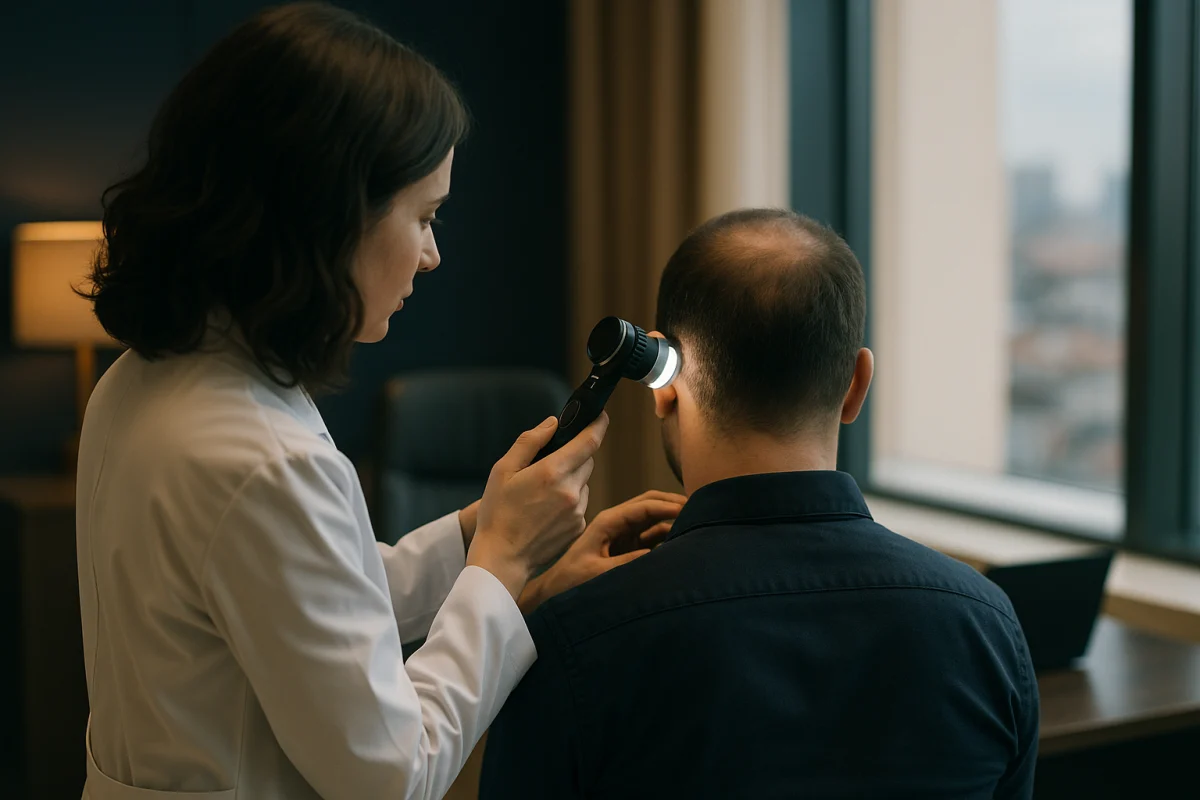
Arrange a medical assessment if hair loss is sudden, patchy, painful, associated with scalp redness or scaling, or accompanied by symptoms such as fatigue, weight changes, or changes in nails and skin. It is also sensible to seek advice if you are losing noticeably more hair for several months, if your hairline is receding, or if the parting is becoming progressively wider. Earlier assessment can be useful because some causes respond better when addressed without delay.
A clinician may consider whether the pattern is consistent with hereditary hair loss, temporary shedding, alopecia areata, traction-related loss, scarring alopecia, or a scalp disorder. These conditions can look similar in early stages, but their management differs. For this reason, it is not advisable to diagnose yourself from photographs online or assume that every thinning pattern is caused by clogged follicles or poor scalp cleansing.
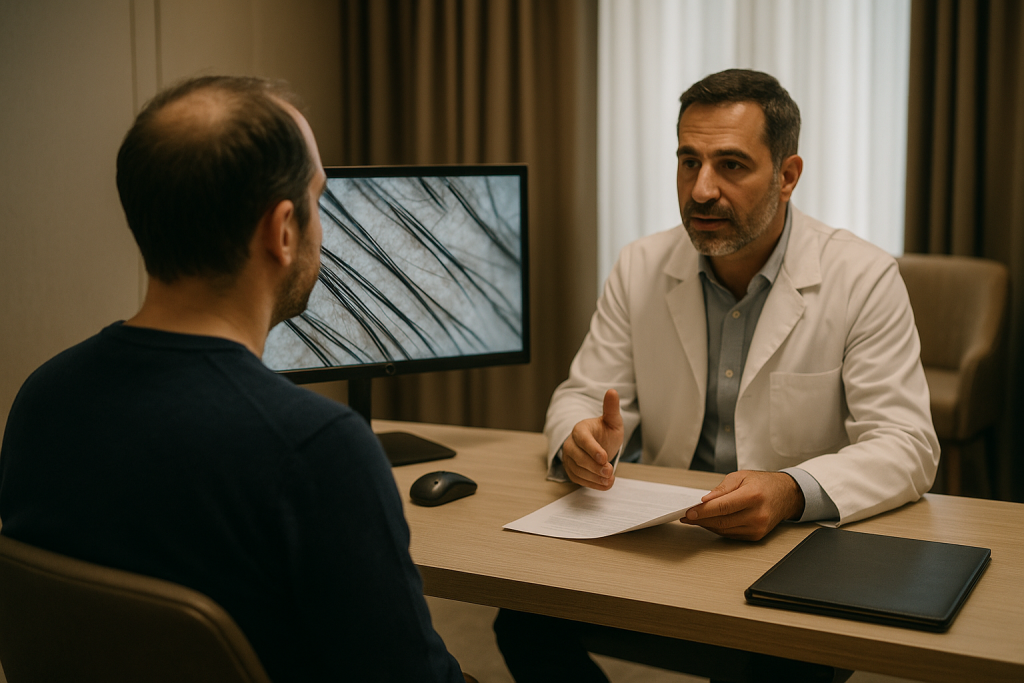
At Acibadem Hair Transplant Center in Istanbul, patients can request a free online hair analysis reviewed by doctors. This can be a helpful first step for people considering why their hair looks thinner or whether they may be suitable for further evaluation. The clinic is licensed by the Turkish Ministry of Health, and the team provides follow-up support for patients who proceed with an appropriate hair restoration plan. Your doctor will confirm which approach is medically suitable for your individual situation.
08A Practical Approach Before Considering Hair Restoration
For people with stable, diagnosed pattern hair loss, a hair restoration consultation may be part of a broader long-term plan. A consultation should examine donor-area quality, the pattern of loss, expected progression, scalp health, medical history, and realistic coverage goals. Hair transplantation is not a response to every type of hair loss, and it should not be considered while an unexplained inflammatory or rapidly shedding scalp condition is still active.
Acibadem Hair Transplant Center offers Sapphire FUE and DHI techniques for appropriately selected patients. The clinic provides all-inclusive packages that include VIP transfer, a 4-star hotel, a care kit, and 12 months of follow-up. Needle-free anaesthesia is also available. Outcomes should always be discussed carefully, as graft survival, density, and the visual result can vary according to individual factors and the treatment plan.
The clinic measures results through trichoscopic graft survival at month 12 and documents a 98% rate under a written guarantee. This measure relates to documented graft survival in the clinic's stated process and should not be understood as a guarantee that every patient will achieve the same cosmetic appearance. For anyone considering treatment, a doctor-led evaluation remains the safest way to discuss likely options, limitations, and aftercare needs.
09Frequently Asked Questions
What natural steps can help with balding?
A balanced diet with enough protein, gentle hair care, avoiding tight hairstyles, and managing general health can support hair and scalp wellbeing. However, natural measures do not reliably reverse genetic balding or all medical causes of hair loss. If thinning is progressive, a doctor can help identify the cause and discuss suitable options.
Can I put undiluted apple cider vinegar directly on my scalp?
It is generally not advisable to apply undiluted apple cider vinegar directly to the scalp. Its acidity can cause burning, irritation, dryness, or damage to sensitive or inflamed skin. If a clinician agrees that a vinegar rinse is appropriate, it should be well diluted and rinsed off promptly.
Does vinegar unclog hair follicles?
No, vinegar does not unclog hair follicles in a way that treats hair loss or restores growth. It may help some people remove surface residue when used carefully, but follicles are living skin structures and balding has deeper biological causes. Persistent flakes, itch, redness, or thinning should be medically assessed.
How should apple cider vinegar be used for hair growth?
Apple cider vinegar is not a proven hair-growth treatment. If your doctor says a cosmetic rinse is suitable, use it only in diluted form, avoid broken or irritated skin, keep it away from the eyes, and rinse it out after brief contact. Stop if irritation develops, and do not use it instead of assessment for ongoing hair loss.
Tento článok slúži len na všeobecné informačné účely a nenahrádza odbornú lekársku radu.
 06
06 12
12