In this article11
- Why sweat matters in the early graft-healing phase
- A timeline for working out after hair transplant
- Returning to cardio and strength training safely
- Managing sweat without rubbing the recipient area
- Heat, swimming, headwear, and outdoor exercise
- Signs that exercise may be too early or too intense
- Protecting your long-term result after the recovery period
- Travel planning and luggage safety after a hair transplant
- A practical hygiene routine on exercise days
- How to judge readiness for a return to sport
- Frequently Asked Questions
Sweating does not usually damage settled grafts, but heavy sweating, friction, heat, and increased blood pressure may disturb the healing scalp in the first days after surgery. When working out after hair transplant, follow your surgical team's timeline, start with gentle activity, and avoid touching or rubbing the recipient area.
- The first 7 to 10 days are usually the most important period for protecting newly placed grafts from friction and trauma.
- Light walking may be suitable earlier for many patients, while gym training, running, and contact sports generally need a longer pause.
- Sweat itself is not usually harmful, but salt, bacteria, heat, rubbing, and tight headwear can irritate a healing scalp.
- Swimming, saunas, steam rooms, and very hot environments should be avoided until your doctor confirms the skin has healed sufficiently.
- Long-term transplant results depend on graft survival, ongoing native hair loss, scalp health, and your follow-up plan.
01Why sweat matters in the early graft-healing phase
The main concern with working out after hair transplant is not sweat alone. It is the combination of perspiration, heat, raised heart rate, rubbing, accidental contact, and pressure around a scalp that is still healing. In the first days, transplanted follicular units are settling into tiny recipient sites. Your doctor will give the most appropriate schedule because the number of grafts, the technique used, your skin condition, and your general health can affect recovery advice.
Sweat contains water, salts, and small amounts of natural skin oils. Once grafts are secure, normal perspiration is not generally expected to harm them. However, early after surgery, sweat can sting the recipient area, make you want to wipe the scalp, and create a moist environment that may aggravate irritation. Repeated touching is a greater concern than perspiration itself, especially when small crusts are present.
The donor area also needs protection. It may feel tight, tender, or itchy after follicular extraction, and intense activity can increase throbbing or swelling in some patients. A calm, cool environment supports comfort during the earliest recovery stage. If you develop increasing pain, spreading redness, discharge, fever, or marked swelling, contact your surgical team promptly rather than trying to manage the problem through exercise changes alone.
02A timeline for working out after hair transplant
During the first 48 to 72 hours, rest is typically the safest approach. Short, slow walks around your home or hotel may help you avoid prolonged inactivity, but they should not make you hot or sweaty. Avoid bending repeatedly, brisk stair climbing, lifting luggage, yoga positions with the head down, and any activity that could raise blood pressure substantially. Sleep and careful aftercare are more valuable than trying to maintain a fitness routine at this stage.
From roughly day 3 onward, many patients can gradually increase easy walking if they feel well and if their doctor agrees. Choose cool times of day, loose clothing, and a route without crowding or risk of impact. Stop if you notice pulsing, increasing swelling, fresh bleeding, dizziness, or pronounced discomfort. Do not use a towel, cap, or hand to rub sweat from the recipient area; instead, follow the cleansing and drying method provided by your clinic.
More demanding cardio, resistance training, running, and active classes are commonly postponed for at least 7 to 10 days, and sometimes longer. Contact sports, heavy lifting, swimming, and high-heat exercise may require additional waiting time. The calendar alone does not confirm readiness. Your doctor may assess crusting, redness, donor healing, and the stability of the transplanted area before advising a return to more vigorous movement.
03Returning to cardio and strength training safely
When you restart exercise, make the first sessions deliberately easier than your usual routine. A brief walk, low-resistance stationary cycling in a cool room, or gentle mobility work may be reasonable options once you have been cleared. Build duration before intensity. This approach lowers the chance of heavy perspiration, sudden straining, or a rushed movement that leads you to touch the scalp without thinking.
For patients asking about working out after hair transplant, heavy resistance training deserves special attention. Exercises such as maximum lifts, intense circuits, and forceful abdominal work can sharply increase effort and blood pressure. They also often cause significant sweating and repeated wiping of the face or scalp. Your surgeon may advise returning to these activities only after the grafts and donor area have had enough time to heal, often in stages rather than all at once.
Gym environments can add practical risks. Shared benches, crowded changing rooms, and hands that have touched equipment can transfer bacteria to irritated skin if you then touch your head. Wash your hands before any necessary scalp care, keep your own towel away from the grafts, and avoid tight helmets, headbands, or compression caps unless your clinic has specifically approved them. If you use a locker room, take extra care not to bump the recipient area while changing clothes.
04Managing sweat without rubbing the recipient area
The safest way to manage perspiration is prevention. Exercise in a cool, well-ventilated setting after your approved return date, wear loose and breathable clothing, and keep sessions short at first. Hydration supports general recovery, but it does not make intense sweating safe earlier than advised. Avoid deliberately overheating the body through layered clothing, hot outdoor training, or prolonged sun exposure during the early healing period.
If you notice sweat near the forehead or temples, resist the urge to wipe across the grafts. Your clinic may provide a specific method for gently dabbing surrounding skin or using a sterile saline spray during the initial aftercare period. Follow those instructions exactly rather than copying advice from social media. Techniques that are safe after one person's procedure may not be right for your recipient-site pattern or stage of healing.
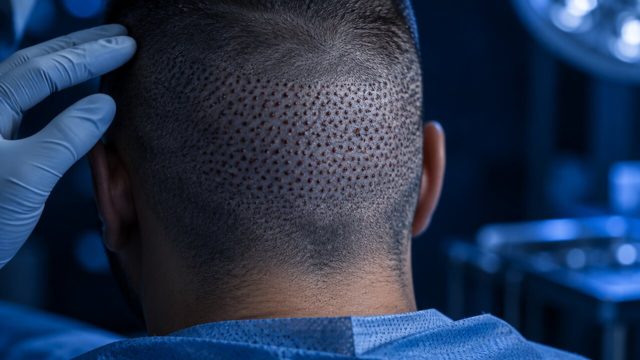
Crusting is a normal part of early healing in many patients. Sweat can soften crusts, but you should not pick, scratch, or rub them away. Premature removal may irritate the skin and can disturb a graft before it is secure. Use only the washing schedule and products recommended by your surgical team. If itchiness becomes difficult to tolerate, ask the clinic for guidance instead of applying unapproved creams, powders, or cooling products to the scalp.
05Heat, swimming, headwear, and outdoor exercise
Hot weather can turn a modest workout into a heavy-sweat session very quickly. During early recovery, plan errands and gentle walks for cooler hours, stay in shaded areas where possible, and avoid direct sun on the recipient area. Sunburn can inflame healing skin and make redness harder to assess. Your doctor can tell you when a loose, clean hat is appropriate and when it is safe to return to normal sun exposure.
Swimming should usually wait longer than walking or light gym activity. Pools, sea water, hot tubs, and lakes can expose healing skin to chlorine, salt, microorganisms, and prolonged moisture. The appropriate return date depends on how fully both the recipient and donor areas have healed. Do not assume that a waterproof cap provides complete protection, as it can create pressure, friction, and heat against the scalp.
People who enjoy cycling, football, martial arts, climbing, or similar outdoor activities should also consider impact risk. Working out after hair transplant may need to exclude helmets, close-contact play, and situations where a fall or collision is possible until you are cleared. Even when grafts are more secure, a tender donor area can be uncomfortable under protective equipment. A gradual return protects both the surgical result and your overall comfort.
06Signs that exercise may be too early or too intense
A mild feeling of warmth or temporary redness can occur during normal healing, but worsening symptoms after activity should not be ignored. Pause exercise and contact your clinic if you notice persistent bleeding, rapidly increasing swelling, severe throbbing, unusual discharge, a bad smell, or redness that is spreading beyond the expected healing area. These signs do not always mean a serious problem, but they need professional assessment.
It is also sensible to scale back if a workout repeatedly makes you sweat heavily, disrupts sleep, or leaves the scalp irritated the following day. Recovery is not a competition. Missing a short period of intense training is typically less important than giving transplanted follicles the quiet conditions they need to settle. Your fitness level before surgery does not necessarily change the scalp's biological healing timetable.
Certain medical conditions and medicines can affect exercise guidance. For example, people with blood pressure concerns, diabetes, heart conditions, or a history of wound-healing difficulties may receive more individual instructions. Be open with your medical team about your usual sports routine, supplements, and prescribed medicines before the procedure. Never stop or start medication solely to return to exercise more quickly.
07Protecting your long-term result after the recovery period
After the early healing phase, most patients can return to their usual activity level with their doctor's approval. Regular exercise supports general wellbeing, but it cannot replace a long-term hair-loss plan where one is needed. Transplanted hairs are selected from areas that are often more resistant to pattern hair loss, while non-transplanted native hairs may still continue to thin over time.
A hair transplant result develops gradually. Initial shedding of transplanted hairs can be expected in many patients, followed by new growth over subsequent months. Density, texture, and final cosmetic maturation take time, and your clinical team may review progress at planned intervals. At Acibadem Hair Transplant Center, results are measured by trichoscopic graft survival at month 12, with a documented 98% rate under written guarantee; individual appearance and future hair-loss patterns can still vary.
Long-term protection includes attending follow-up appointments, using any doctor-recommended treatment consistently, and discussing new shedding early. A free online hair analysis can help doctors review visible concerns before travel, but it does not replace an in-person medical assessment when one is required. In most cases, a sensible return to exercise, good scalp hygiene, and realistic expectations work together to support a smooth recovery.
08Travel planning and luggage safety after a hair transplant
International patients should plan the journey home as part of recovery, especially when travel takes place within the first few days after surgery. The main practical concerns are avoiding pressure on the recipient area, preventing accidental knocks in busy airports, and not overexerting yourself with bags. Arrange assistance with heavy luggage where possible, use a wheeled suitcase, and avoid lifting cabin bags into overhead lockers unless your surgical team has confirmed that this is suitable.
For the flight or road journey, wear the loose, clean clothing recommended in your aftercare instructions. Avoid tight collars, pull-over tops that may catch the scalp, and any headwear that has not been approved by your clinic. Keep essential aftercare items, drinking water, prescribed medicines, and your written instructions in your hand luggage so you do not need to search through bags or buy unsuitable products during travel.
Long journeys can also make people feel warm, tired, and tempted to touch their scalp. Choose a calm travel schedule when possible, allow extra time at the airport, and avoid rushing between gates. If you need to rest your head, follow the sleeping and positioning guidance given by your clinic. At Acibadem Hair Transplant Center, all-inclusive packages include VIP transfer, a 4-star hotel, a care kit, and 12 months of follow-up, helping patients organise the immediate recovery period in Istanbul before returning home.
09A practical hygiene routine on exercise days
Once your doctor has cleared you to resume suitable exercise, plan scalp care around the session rather than treating it as an afterthought. Start with clean hands, clean workout clothing, and equipment that does not touch the recipient area. Bring water so you can stay comfortable without relying on sugary or highly caffeinated drinks that may make some people feel overheated or unwell. If you exercise outdoors, choose a location with shade and easy access to a clean indoor space afterwards.
After the activity, avoid leaving sweat, dust, or gym residue on the scalp for longer than necessary. However, do not immediately use a powerful shower stream, scrub the skin, or wash more frequently than your clinic advises. Follow your instructed washing method, including water temperature, shampoo use, and whether the scalp should air dry or be dried in a specific gentle way. The correct routine changes as healing progresses, so instructions from the first few days should not automatically be used weeks later.
Wash your hands before touching the donor or recipient areas, even if you only intend to check how they look. Change out of damp clothing promptly and wash towels after use. Do not share towels, hats, helmets, hairbrushes, or pillowcases during early recovery. These simple measures help reduce avoidable irritation and are particularly useful for patients returning to shared gyms, team training, or household routines.
10How to judge readiness for a return to sport
Readiness is not based only on the number of days since surgery. Before progressing from light movement to a more demanding sport, consider whether the recipient and donor areas are calm, whether crusting has resolved according to your expected healing plan, and whether daily activities can be completed without throbbing, bleeding, or increased swelling. Your doctor should confirm the appropriate timing, particularly after a large procedure or if healing has been slower than expected.
Return in steps and assess the scalp after each step. For example, complete a short, low-intensity session first, then wait until the next day to see whether there is unusual irritation or discomfort. If recovery remains comfortable, duration can generally be increased gradually before speed, resistance, or impact is added. This is more cautious than returning immediately to a previous training level, but it gives you time to notice how your body responds.
Some sports require separate clearance because the issue is not only sweat. Racquet sports can involve sudden bending and fast changes of direction; cycling and skiing may require close-fitting helmets; and contact sports create a risk of direct trauma. Tell your clinic about planned events, competitions, diving trips, or physically demanding work before surgery if possible. A free online hair analysis reviewed by doctors can help begin the discussion before travel, while final medical guidance depends on your examination and recovery progress.
11Frequently Asked Questions
Can exercise lower DHT levels?
Routine exercise is not considered a reliable way to lower dihydrotestosterone, also called DHT, enough to treat genetic hair loss. Exercise can cause temporary hormone changes, but its effect on scalp DHT and pattern hair loss is not predictable. If DHT-related hair loss is a concern, discuss evidence-based options with a qualified doctor.
Is masturbation safe after a hair transplant?
Masturbation does not directly touch or dislodge scalp grafts, but it can raise heart rate, blood pressure, and body temperature. For this reason, many surgical teams advise avoiding sexual activity, including masturbation, during the first few days after surgery or until they confirm it is appropriate. Follow your own clinic's instructions, especially if you have swelling, bleeding, or discomfort.
Did Elon Musk have an FUE hair transplant?
It is not appropriate to diagnose or confirm a public person's medical procedure from photographs or online discussion. Changes in hair appearance can have many explanations, and there is no basis for making a clinical conclusion without reliable, verified disclosure. FUE suitability should be assessed individually by a doctor.
What can happen 10 years after a hair transplant?
Transplanted follicles may continue to grow for many years because they are usually taken from a more hair-loss-resistant donor area. However, surrounding native hair can continue to thin, which may change the overall appearance over time. Some patients may need ongoing medical management or, in selected cases, a further procedure depending on donor supply, future hair loss, and their goals.
This article is for general information only and is not a substitute for professional medical advice.
This guide is for general information and does not replace a medical consultation. Treatment decisions are made after an in-person or online assessment by a doctor.