Bu yazıda9
- Genel bakış
- High protein foods for hair loss: which choices are useful?
- Why protein matters for the hair growth cycle
- Animal protein choices for stronger nutritional support
- Plant proteins and balanced meals for hair recovery
- Nutrients that work alongside dietary protein
- Nutrition after a hair transplant: realistic expectations
- When hair thinning needs medical assessment
- Frequently Asked Questions
High protein foods for hair loss may support normal hair fibre production when low protein intake is contributing to shedding or fragile hair. A varied diet with adequate protein, iron, zinc, healthy fats, and calories is usually more helpful than relying on one food alone, while your doctor can check for medical causes of hair loss.
- Hair is largely made of keratin, so regular dietary protein is important for normal hair structure.
- Eggs, fish, chicken, dairy, legumes, soy foods, nuts, and seeds can all contribute useful protein.
- Protein deficiency can contribute to diffuse shedding, but many other medical and genetic factors can also affect hair.
- Balanced meals and adequate overall calories matter because hair health depends on more than protein alone.
- After a hair transplant, nutrition supports general recovery but does not replace the clinic’s aftercare instructions.
01High-Protein Foods and Nutrition for Hair Recovery
Hair recovery can be influenced by many factors, including genetics, hormones, scalp conditions, stress, illness, medication, and nutrition. High protein foods for hair loss are often discussed because hair shafts are mainly formed from a protein called keratin. If a person is not eating enough protein or enough food overall, the body may direct available nutrients toward essential functions rather than hair production. This can contribute to increased shedding or hair that feels weaker and less full in some patients.
Protein is not a stand-alone treatment for every type of hair loss. For example, hereditary pattern hair loss, autoimmune hair loss, scarring conditions, thyroid disorders, and some scalp diseases need medical assessment and appropriate care. Improving a low-protein diet may support healthy hair growth conditions, but it cannot reliably reverse hair loss caused by genetics or an untreated medical condition. A doctor can help identify whether nutrition is likely to be part of the picture.
Hair grows slowly, so nutritional changes usually need time before any difference is visible. It is also normal to lose some hairs every day as part of the growth cycle. The aim is not to eat an extreme amount of protein, but to include enough high-quality protein regularly within a balanced eating pattern. This approach supports the body during recovery and helps provide the building blocks needed for normal hair fibre formation.
02High protein foods for hair loss: which choices are useful?
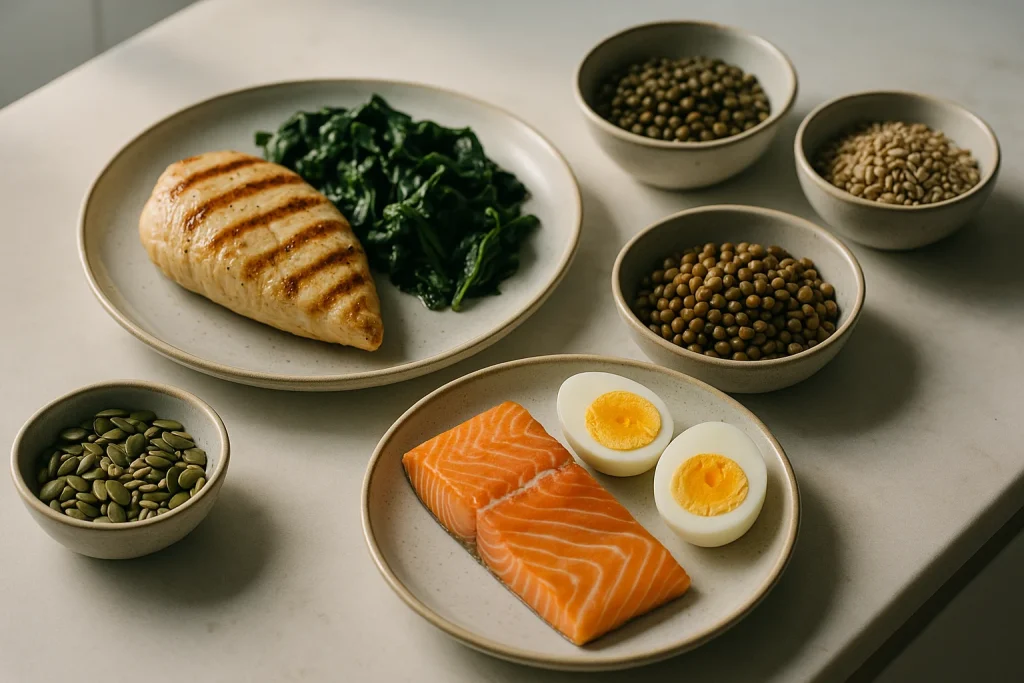
The most useful high-protein food is usually one that fits your medical needs, food preferences, digestion, and usual eating pattern. There is no single best food for every person. Animal foods such as eggs, fish, poultry, yoghurt, cheese, and lean meat provide complete proteins, meaning they contain all essential amino acids. Plant foods can also provide excellent protein, particularly beans, lentils, chickpeas, tofu, tempeh, soy yoghurt, peas, nuts, and seeds.
Variety is valuable because protein foods offer different nutrients alongside protein. Eggs provide protein and several B vitamins, fish can provide protein and beneficial fats, and legumes offer protein together with fibre, folate, and minerals. Choosing a range of foods across the week can be more practical than repeatedly eating one item. It may also help people meet energy needs without depending on supplements.
Portion size and total daily intake matter more than chasing a particular superfood. Someone who eats one protein-rich meal but skips meals or follows a very restrictive diet may still not get enough energy or nutrients for normal body functions. A registered dietitian or doctor can give individual guidance when there are kidney conditions, digestive disorders, pregnancy, a history of eating difficulties, or other health concerns that affect dietary needs.
03Why protein matters for the hair growth cycle
Hair follicles are active structures that require energy and nutrients to produce the visible hair shaft. The shaft itself is not living tissue, but it is formed from keratin proteins while the hair is growing inside the follicle. Amino acids from dietary protein are used throughout the body, and the body prioritises vital organs and functions when food intake is inadequate. Hair growth may therefore be affected after prolonged low intake, sudden weight loss, or significant illness.
Low protein intake can be linked with diffuse hair shedding in some situations, especially when it occurs alongside low calorie intake or other nutrient deficiencies. Diffuse shedding means hair appears to come out from across the scalp rather than from one clearly defined area. However, this appearance is not specific to protein deficiency. It can also occur after fever, surgery, childbirth, emotional stress, medication changes, thyroid problems, iron deficiency, or other triggers.
A balanced diet supports the normal growth phase of hair, but it cannot change every aspect of the hair cycle. People with gradual thinning at the crown, temples, or part line may have pattern hair loss even if they eat well. Likewise, sudden patches of hair loss, scalp pain, scaling, redness, or rapid shedding should not be managed through diet alone. A medical examination is important to rule out conditions that may need prompt treatment.
04Animal protein choices for stronger nutritional support
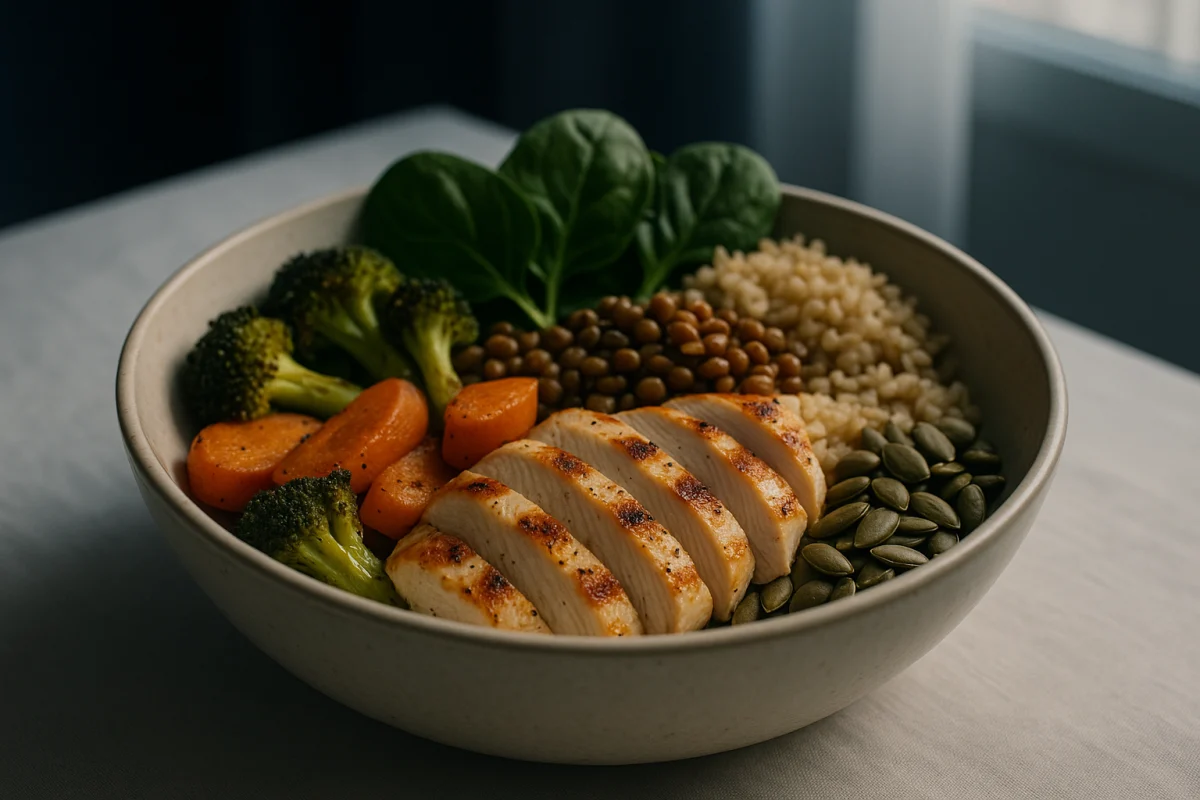
Chicken is a practical source of complete protein and can fit easily into meals during recovery. It also provides nutrients such as vitamin B6, niacin, selenium, and phosphorus, although the exact nutrient level depends on the cut and preparation. Grilled, baked, stewed, or lightly cooked chicken can be paired with vegetables, whole grains, or legumes for a more complete meal. Fried or heavily processed chicken may be less suitable as an everyday choice because of added salt and fats.
Eggs are another accessible option because they provide complete protein in a relatively small serving. They also contain nutrients involved in normal cell function, including choline and several B vitamins. People who avoid eggs can obtain protein from dairy foods, fish, poultry, lean meat, or plant sources instead. The key point is consistency across meals rather than dependence on one particular food.
Fish and seafood can provide protein while adding iodine, selenium, vitamin B12, and, in some types, omega-3 fats. These nutrients have wider roles in health, including normal thyroid and immune function. Choose options that are appropriate for your local food safety guidance and personal health needs. If you have allergies, follow a vegetarian diet, or have been advised to limit certain foods, a clinician or dietitian can help you choose alternatives.
05Plant proteins and balanced meals for hair recovery
Plant-based eating can provide enough protein for hair health when meals are planned with care. Lentils, beans, chickpeas, soy foods, peas, quinoa, nuts, seeds, and whole grains can all contribute. Soy foods such as tofu and tempeh are complete protein sources, while combining different plant foods across the day can provide a broad amino acid intake. You do not usually need to combine every plant protein in the same meal.
Legumes are especially useful because they provide protein, fibre, folate, and some iron. Iron from plants is absorbed differently from iron in meat, so pairing lentils or beans with vitamin C-rich foods may support absorption. For example, a lentil dish with peppers, tomatoes, citrus fruit, or broccoli can be a nutritious choice. If a blood test confirms iron deficiency, your doctor will advise on the right management rather than relying only on food changes.
Nuts and seeds add protein and unsaturated fats, but they are energy-dense, so portions can be adjusted to the individual diet. Nut butters, tahini, pumpkin seeds, chia seeds, and hemp seeds can be added to breakfast, snacks, or meals. People with nut allergies should avoid unsafe foods and choose other sources. A balanced plant-based diet also requires attention to vitamin B12, iodine, iron, zinc, and vitamin D, depending on the foods included.
06Nutrients that work alongside dietary protein
Protein is only one part of nutrition for hair recovery. Iron supports oxygen transport in the body, and low iron stores may be associated with shedding in some patients. Zinc is involved in many cellular processes, while vitamin D, vitamin B12, folate, and essential fatty acids also have important general health roles. Taking large doses of supplements without confirmed need is not recommended, as excessive amounts of some nutrients can be harmful and may even contribute to hair problems.
Carbohydrates and fats should not be removed unnecessarily from the diet. Very low-calorie diets, repeated fasting without suitable planning, and rapid weight loss can place stress on the body and may trigger temporary shedding. Complex carbohydrates such as oats, potatoes, whole grains, fruit, and vegetables provide energy, while olive oil, avocado, nuts, seeds, and oily fish can contribute useful fats. The best pattern is one that is nutritionally adequate and sustainable.
Hydration also supports general wellbeing, although drinking extra water alone will not cure hair loss. Alcohol excess, smoking, poor sleep, and unmanaged stress can affect overall recovery and may make it harder to maintain regular meals. If you are concerned about persistent shedding, a doctor may consider your diet, health history, medicines, menstrual history where relevant, recent illness, and possible laboratory tests. This gives a clearer answer than guessing based on hair appearance alone.
07Nutrition after a hair transplant: realistic expectations
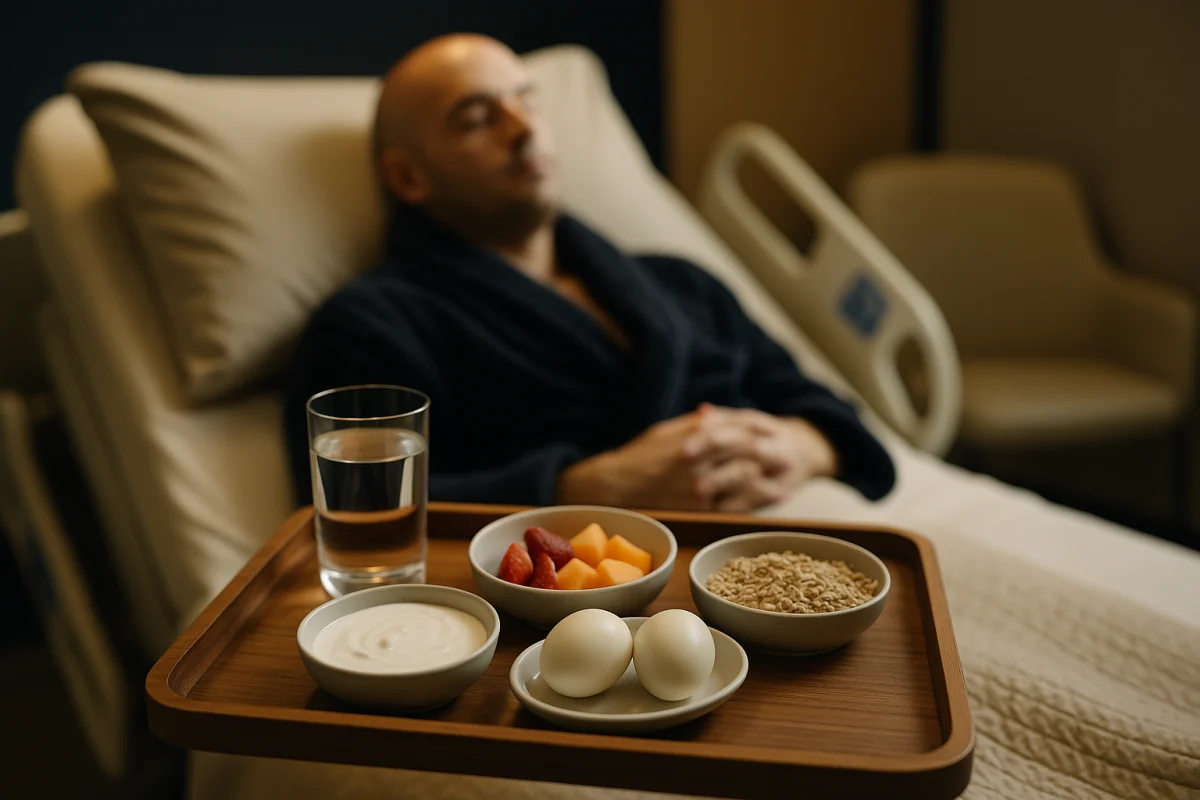
After a hair transplant, adequate meals can support normal wound healing and general recovery. Protein-containing foods, fruit and vegetables, fluids, and regular meals are sensible foundations unless your surgical team has given different instructions. High protein foods for hair loss can be part of this routine, but they do not make transplanted grafts grow faster or guarantee a particular density. Your clinic’s washing, medication, activity, and scalp-care guidance remains the priority.
In the first days after the procedure, some patients prefer softer, easy-to-prepare meals such as yoghurt, eggs, soups with legumes, fish, chicken, tofu, or well-cooked beans. Avoiding very restrictive diets around the time of surgery is usually sensible because recovery requires adequate energy as well as protein. If you have diabetes, kidney disease, food allergies, or another condition that affects eating, follow your own doctor’s dietary advice.
At Acibadem Hair Transplant Center in Istanbul, patients receive a care kit and 12 months of follow-up as part of all-inclusive packages. Follow-up allows the team to guide recovery based on the procedure and the patient’s progress. Our clinic uses Sapphire FUE and DHI techniques, and treatment suitability is confirmed after medical assessment. Nutrition can support healthy recovery habits, but it should be viewed as one element of a wider, doctor-led aftercare plan.
08When hair thinning needs medical assessment
It is common for hair density to change with age, but noticeable thinning should not automatically be accepted as inevitable. Pattern hair loss becomes more common over time, and changes in hormones, medical conditions, medication, nutritional intake, and scalp health can also play a role. A doctor can distinguish between gradual age-related changes and a potentially treatable cause. Earlier assessment is especially helpful when shedding is sudden, severe, or accompanied by scalp symptoms.
Possible signs of insufficient protein can include persistent tiredness, reduced muscle mass or strength, slow healing, frequent illness, swelling in more severe cases, and changes in hair, skin, or nails. These signs are not diagnostic by themselves and can have many causes. Hair shedding alone does not prove a protein deficiency. A clinician can assess the full situation and arrange tests when clinically appropriate.
A free online hair analysis can help you begin the conversation about hair concerns. At Acibadem Hair Transplant Center, doctor-reviewed online hair analyses are available, with WhatsApp replies typically within around two hours. This does not replace an in-person medical assessment when one is needed, but it can help international patients understand possible next steps and whether a consultation may be suitable.
09Frequently Asked Questions
Which protein source is best when I am worried about hair loss?
There is no single best protein source for every person. Complete proteins such as eggs, fish, chicken, dairy foods, and soy are useful options, while legumes, nuts, seeds, and grains can also contribute meaningfully. The most effective approach is usually enough total protein from a varied, balanced diet and medical assessment if shedding continues.
What are five possible signs that I may not be getting enough protein?
Possible signs include unusual tiredness, loss of muscle mass or strength, slow wound healing, frequent infections, and changes in hair, skin, or nails. In more severe deficiency, swelling may also occur. These symptoms can have other causes, so a doctor should confirm whether protein intake is actually low.
Is hair thinning at age 60 considered normal?
Some gradual reduction in hair density is common with ageing, and hereditary pattern hair loss often becomes more visible later in life. However, new, rapid, patchy, or distressing thinning should be assessed because thyroid conditions, nutritional deficiencies, medication effects, scalp disorders, and other factors may contribute. A doctor can help identify the cause and discuss suitable options.
How can eating chicken benefit my hair?
Chicken provides complete protein, which supplies amino acids used by the body to form keratin in the hair shaft. It also contains nutrients such as vitamin B6, niacin, selenium, and phosphorus. Chicken can support a balanced diet, but it is not a guaranteed treatment for hair loss and works best alongside other nutritious foods and appropriate medical care.
Bu yazı yalnızca genel bilgilendirme amaçlıdır; profesyonel tıbbi tavsiyenin yerini tutmaz.
Bu rehber genel bilgilendirme amaçlıdır ve tıbbi muayenenin yerini tutmaz. Tedavi kararları, bir doktorun yüz yüze ya da online değerlendirmesinden sonra verilir.