Bu yazıda12
- What early regrowth can look and feel like
- A realistic hair transplant recovery timeline
- Symptoms of hair growth after a transplant
- Normal healing changes versus signs that need review
- Why the speed of visible growth differs
- Supporting healthy recovery without disturbing grafts
- How existing hair can affect the appearance of results
- Monitoring growth at follow-up appointments
- Planning the first 10 days after your procedure
- Travel logistics for international hair transplant patients
- When recovery may need a more individual discussion
- Frequently Asked Questions
The first symptoms of hair growth after a hair transplant are usually tiny new hairs, a slightly rough or prickly texture in the recipient area, and gradual improvement in coverage. In most patients, visible regrowth begins after the early shedding phase, but the speed and density of change vary between individuals.
- Early shedding of transplanted hairs is usually a normal part of recovery and does not normally mean the grafts have failed.
- Small, fine new hairs often appear gradually from around the third or fourth month, then become stronger over time.
- Mild itching, dryness, and temporary scalp sensitivity can occur during healing, but increasing pain or discharge needs medical review.
- Healthy-looking progress is best assessed over several months rather than from day-to-day changes.
- Following your clinic’s aftercare plan and attending follow-up reviews can support safe healing and realistic monitoring.
01What early regrowth can look and feel like
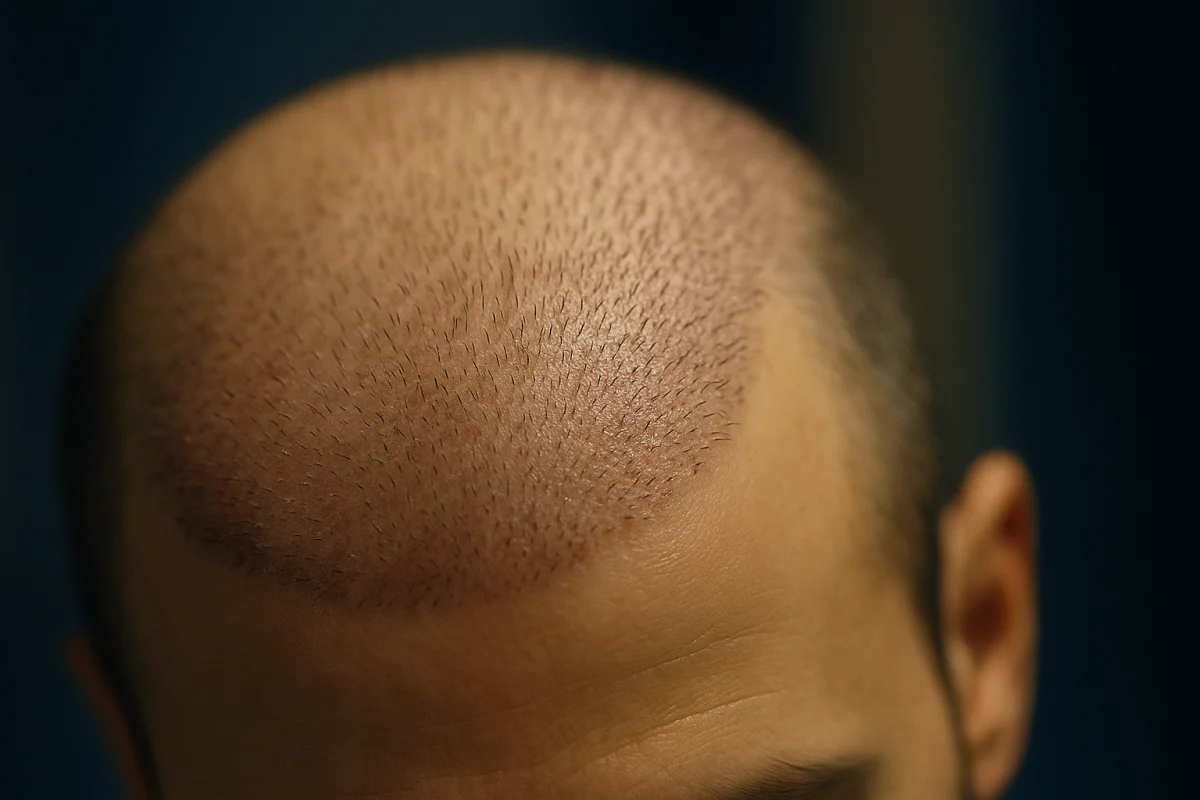
The first symptoms of hair growth after a hair transplant are often subtle. Rather than seeing a full new hairline quickly, you may notice very short, fine hairs emerging from the recipient area. These hairs can be lighter, thinner, or softer than your original hair at first. Some patients also describe a faint prickly feeling when they touch the area gently, especially as new hairs begin to come through the skin.
Early regrowth does not usually happen evenly across the scalp. One part of the transplanted zone may show small hairs before another part, and a hairline may appear to develop more slowly than the central scalp. This can be normal because grafts and follicles do not all move through their growth cycles at the same time. Your doctor will assess progress in relation to your treatment plan, graft placement, and natural hair characteristics.
A gradual change in texture can also be a positive recovery sign. New hairs may initially look curly, wiry, or irregular in direction before becoming more similar to your existing hair. This temporary difference is commonly linked to the follicle settling into its new environment. It is important not to pull, scratch, or repeatedly inspect the new hairs closely, as the scalp still needs gentle care throughout recovery.
02A realistic hair transplant recovery timeline
During the first one to two weeks, the main focus is wound healing rather than new growth. Small scabs around the implanted grafts, mild redness, and temporary swelling can occur. The scabs should loosen according to the washing instructions provided by your clinic. At this stage, the transplanted hair shafts are visible, but they are not yet a reliable sign of long-term cosmetic growth.
From approximately two to eight weeks after the procedure, many patients experience shedding of the transplanted hairs. This is often called shock shedding or temporary shedding. The hair shaft falls out while the follicle remains beneath the scalp and begins its resting phase. Although this can feel worrying, it is typically expected and should not be judged as a final result.
Between months three and four, small new hairs may start to become visible. By months five to eight, coverage often improves gradually as more follicles enter an active growth stage. Changes can continue through month 12 and sometimes beyond, particularly where thicker hair texture or crown coverage is involved. A clinic may use photographs and trichoscopic assessment to compare growth consistently over time rather than relying only on memory.
03Symptoms of hair growth after a transplant
Symptoms of hair growth can include short hairs breaking through the scalp, increased shadow or coverage in previously sparse areas, and a gradual need to trim or style the transplanted zone. New growth usually begins as individual fine hairs rather than a sudden dense result. Looking at the recipient area under normal lighting every few weeks may make the slow improvement easier to recognise.
Some people notice mild itchiness as the skin heals and new hairs emerge. A dry or tight feeling may also happen, especially if the scalp is sensitive or if normal oil production is still settling. These sensations should be mild and should improve with appropriate aftercare. Your clinic may recommend a suitable washing routine or moisturising approach, but you should only use products approved for your recovery stage.
Another possible sign is uneven but progressive visual density. The transplanted region may begin to blend better with surrounding hair when it is viewed from the front or above. It is normal for results to look less consistent under bright overhead light, wet conditions, or close-up mirrors. A meaningful assessment is usually based on repeated images taken in similar lighting and at similar hair lengths.
04Normal healing changes versus signs that need review
Normal recovery changes may include temporary redness, mild numbness, slight tenderness, dryness, and small scabs during the early period. These symptoms generally reduce as the scalp heals. Itching can be common, but rubbing the recipient area or picking at scabs may irritate the skin. Following the post-procedure washing schedule is usually the safest way to help the scalp recover.
Contact your clinic promptly if you develop increasing pain, spreading redness, marked swelling after the expected early period, warmth, pus-like discharge, fever, or a strong unpleasant smell from the scalp. These signs do not automatically mean a serious complication, but they require professional assessment. You should also seek advice if bleeding continues, if you accidentally injure the recipient area, or if you are uncertain about a medication or product.
It is also helpful to separate normal temporary shedding from ongoing thinning in non-transplanted hair. A transplant does not stop the natural progression of an underlying hair-loss condition in every patient. Your doctor may discuss long-term planning, medical suitability, and follow-up options before or after the procedure. This helps create realistic expectations about both transplanted and existing hair.
05Why the speed of visible growth differs
Hair follicles follow a natural cycle of growth, transition, and rest. After transplantation, each graft may resume visible growth on its own schedule. This is one reason why two patients who have the same technique can see changes at different times. Hair calibre, scalp condition, the area treated, general health, and the original pattern of hair loss can all influence the appearance of recovery.
The crown can appear slower to fill than the frontal hairline because its swirl pattern and larger surface area may require more visual density before a change becomes obvious. Fine hair may also create a softer result at first, while thicker hair may give the impression of coverage earlier. These are visual differences rather than simple measures of graft health. Your doctor can explain what is realistic for your individual treatment area.
Lifestyle and recovery habits may matter as well. Smoking, poor nutrition, unmanaged health conditions, and failure to follow aftercare instructions can affect wound healing in general. However, no food, supplement, shampoo, or home remedy can guarantee faster transplanted hair growth. A balanced diet, careful scalp care, and medical guidance are more appropriate than trying unproven methods.
06Supporting healthy recovery without disturbing grafts
In the early days, protecting the recipient area is essential. Patients are typically advised to avoid touching the grafts unnecessarily, strenuous exercise, direct sun exposure, swimming, and any activity that may cause sweating or impact until their clinic confirms it is safe. Sleep position, headwear, washing technique, and travel advice may also be important during the first phase.
Gentle washing is a key part of aftercare. It helps soften scabs and keeps the scalp clean without aggressive rubbing. The exact timing and method can differ between clinics and procedures, so you should follow the instructions provided for your own treatment. Do not introduce exfoliating products, strong hair dyes, styling chemicals, or scalp treatments unless your medical team has confirmed they are suitable.
Progress photographs can be useful when taken monthly in the same room, with the same lighting, angle, and hair condition. This approach is often more informative than checking the scalp daily. At Acibadem Hair Transplant Center, follow-up is included for 12 months, allowing patients to share recovery updates and receive guidance from the care team when needed.
07How existing hair can affect the appearance of results
The transplanted follicles are only one part of the overall appearance of your hair. Existing, non-transplanted hair may continue to shed or become finer if the cause of hair loss remains active. This can make a recovering transplant seem less dense even when the transplanted follicles are progressing normally. A long-term plan should consider the relationship between donor hair, transplanted hair, and native hair.
Some patients experience temporary shedding of nearby native hairs after surgery. This can be more noticeable in areas where the original hair was already fine. In many cases, temporary shedding improves as the scalp recovers, but your doctor should evaluate any concern that feels persistent or significant. It is not possible to predict every individual pattern of shedding from photographs alone.
Symptoms of hair growth should therefore be considered alongside the condition of the surrounding hair. A developing hairline can look fuller even before every transplanted hair has matured, while a wider area may need more time to show a visible change. Careful design and appropriate graft distribution are important for a natural-looking result over the long term.
08Monitoring growth at follow-up appointments
Follow-up appointments provide a structured way to assess healing and regrowth. During a review, the care team may examine the scalp, ask about shedding or sensitivity, and compare standardised images. This is more reliable than judging success from an isolated photograph because hair length, lighting, styling, and camera angle can greatly change how dense the hair appears.
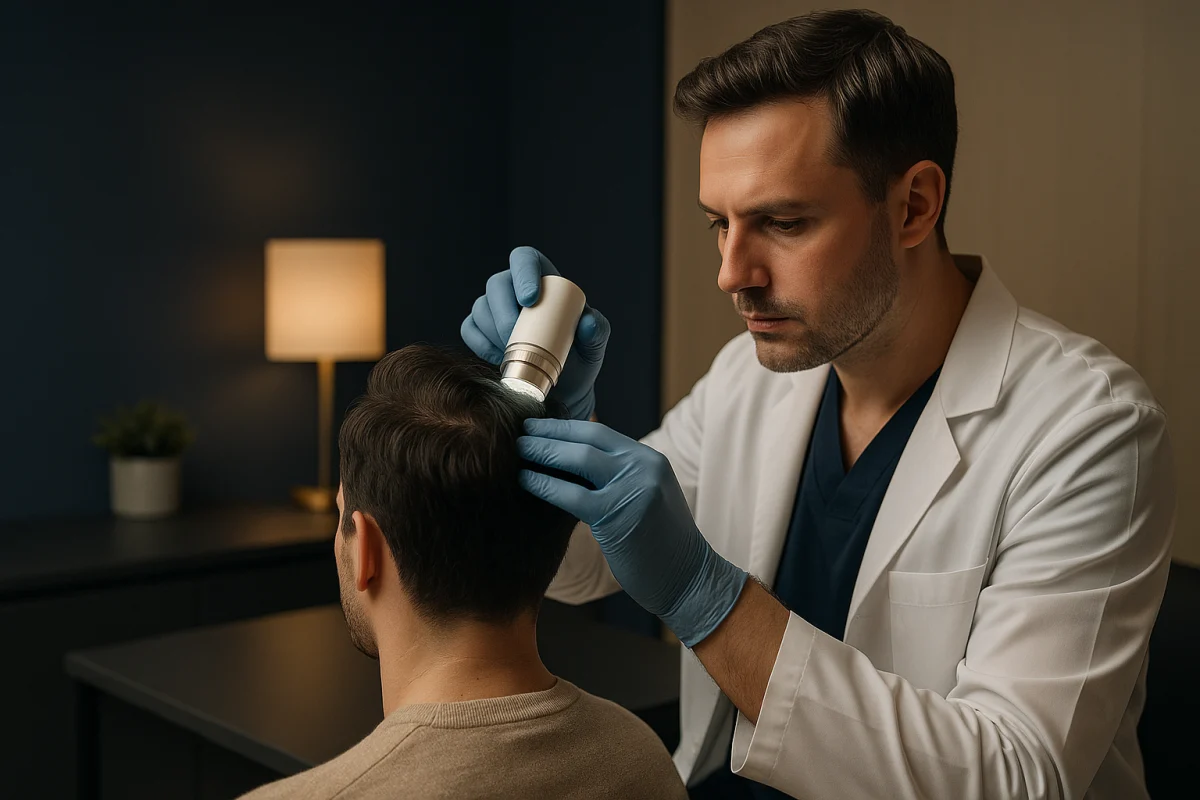
Trichoscopy may also be used to examine follicles and hair shafts at close range. At Acibadem Hair Transplant Center, results are measured by trichoscopic graft survival at month 12, with a documented 98% rate under a written guarantee. Your team can explain how this measurement relates to your recovery and why visible cosmetic density may continue to develop gradually.
If you are considering treatment, a free online hair analysis can offer an initial review of your hair loss pattern and suitability questions. The analysis is reviewed by doctors, and the team typically replies on WhatsApp within around two hours. An online review cannot replace an in-person medical assessment, but it can help you understand the next steps and prepare useful questions for your consultation.
09Planning the first 10 days after your procedure
The first 10 days are usually the period when patients need to organise their routine most carefully. Plan time away from work or public-facing commitments if possible, as redness, swelling, and visible scabbing may still be present. Choose loose, front-opening clothing for the first days so that you do not need to pull a shirt over the recipient area. Keep your prescribed medicines, care kit, clinic contact details, and washing instructions easily available before you leave the clinic.
It can also help to prepare a calm sleeping area. Use the position recommended by your care team and protect bedding with a clean towel or pillow cover if advised. Avoid placing pressure on the recipient area. If swelling occurs, follow the clinics instructions rather than using cold packs directly on transplanted grafts. Small practical steps, such as keeping water and medication beside the bed, can make the first few nights more comfortable.
Returning to normal activities should be gradual. Even when you feel well, the scalp may still be healing. Before restarting gym training, contact sports, swimming, sauna use, or a physically demanding job, ask your clinic when it is appropriate for your recovery stage. The safest schedule can differ according to the procedure performed, the size of the treated area, and your individual healing progress.
10Travel logistics for international hair transplant patients
International patients should arrange their travel so that they can attend the clinics planned checks and receive clear washing guidance before returning home. Avoid scheduling an important event immediately after treatment, as early swelling and scabbing can be unpredictable. Keep your return journey flexible where possible, particularly if your doctor recommends an additional review based on your scalp condition.
For the journey home, wear only the headwear approved by your care team, if headwear is permitted at that stage. Handle luggage carefully and avoid rushing, lifting heavy bags, or placing yourself in crowded situations where the scalp could be knocked. Carry prescribed medication in its original packaging and keep a copy of any relevant treatment information in your hand luggage. Airline rules and personal medical needs can vary, so confirm travel questions with your clinic before departure.
Acibadem Hair Transplant Center is a dedicated hair restoration clinic in Istanbul, licensed by the Turkish Ministry of Health. Its all-inclusive packages include VIP transfer, a 4-star hotel, a care kit, and 12 months of follow-up. These arrangements can reduce practical stress, but patients should still make sure they understand their individual aftercare schedule and know how to contact the team once they are home.
11When recovery may need a more individual discussion
Not every patient has the same recovery pattern or the same potential for visible density. The extent of hair loss, donor-area quality, hair thickness, scalp condition, previous hair procedures, and the stability of ongoing hair loss can all affect planning. Patients with a very large area of thinning may need to discuss priorities, such as whether a natural-looking frontal hairline or wider coverage is the main goal. A doctor should confirm what can be achieved safely with the available donor hair.
It is especially important to mention any history of scalp disease, repeated inflammation, poor wound healing, bleeding concerns, allergies, long-term medicines, or previous transplant surgery during consultation. These details may influence whether treatment is appropriate, which technique is considered, or how aftercare is planned. An online hair analysis is useful for initial questions, but it cannot confirm every medical factor that may be identified during a full assessment.
Patients whose hair loss is still changing may also need a long-term strategy rather than focusing only on the immediate transplant area. A transplant redistributes donor follicles; it does not create an unlimited supply of hair or necessarily prevent future thinning elsewhere. Clear discussion before treatment can help patients understand the difference between early signs of graft growth and the longer-term management of their existing hair.
12Frequently Asked Questions
At what age does hair usually stop growing?
Hair does not normally stop growing at one specific age. Hair follicles continue to cycle throughout life, but the growth phase may become shorter and hair may become finer with age, genetics, hormonal changes, or certain medical conditions. If you notice sudden or substantial changes, a doctor can help identify possible causes.
What are common signs of unhealthy hair?
Hair that becomes unusually dry, brittle, easily broken, or increasingly thin may need attention. Scalp symptoms such as persistent itching, scaling, soreness, redness, or excessive shedding may also suggest an underlying issue. These signs can have many causes, so professional assessment is important rather than self-diagnosis.
What can trigger new hair growth?
New visible growth can occur when follicles naturally enter their active growth phase, including after the resting phase that follows a hair transplant. Treating an underlying cause of hair loss, improving scalp health, or following doctor-led treatment may help in appropriate cases. The right approach depends on the cause of hair loss and should be confirmed by a qualified clinician.
What can stop hair from growing?
Genetic hair loss, inflammation, nutritional deficiencies, hormonal changes, some medicines, stress-related shedding, and scalp disorders can affect the normal hair cycle. Hair damage from traction, harsh chemical treatments, or repeated heat styling may also contribute to breakage, which can look like poor growth. A medical review can distinguish slow growth from shedding or hair-shaft breakage.
Bu yazı yalnızca genel bilgilendirme amaçlıdır; profesyonel tıbbi tavsiyenin yerini tutmaz.
Bu rehber genel bilgilendirme amaçlıdır ve tıbbi muayenenin yerini tutmaz. Tedavi kararları, bir doktorun yüz yüze ya da online değerlendirmesinden sonra verilir.