In this article9
- Overview
- Why hair needs more than a plant-based label
- Key nutrient checks before a hair transplant consultation
- Vegetarian hair loss versus genetic pattern thinning
- Can diet-related shedding grow back?
- When transplantation may be appropriate
- Preparing your nutrition and health before surgery
- Natural approaches that support healthier-looking hair
- Frequently Asked Questions
Vegetarian hair loss is not always caused by being vegetarian, but low intake or poor absorption of key nutrients can contribute to diffuse shedding in some people. Before transplantation, doctors typically assess the pattern of loss, medical history, diet, and appropriate blood tests to identify correctable factors and confirm whether surgery is suitable.
- A vegetarian diet can support healthy hair when it provides enough protein, iron, vitamin B12, zinc, vitamin D, and essential fats.
- Diffuse shedding linked to a nutritional issue may improve after the cause is identified and corrected, although timing varies.
- A hair transplant is usually considered only after the cause of active hair loss has been assessed and the donor area has been examined.
- Blood test results should be interpreted by a qualified doctor, as both low and excessively high supplement intake can affect health.
- A doctor-reviewed online hair analysis can help patients understand which questions to discuss before travelling for treatment.
01Vegetarian Hair Loss: Nutrient Checks Before Transplantation
Vegetarian hair loss can be worrying, especially when shedding becomes noticeable in the shower, on a brush, or along the hairline. However, following a vegetarian eating pattern does not automatically cause hair loss. Many vegetarian diets are nutritionally complete and support normal hair growth. The important question is whether the diet, food intake, digestion, a medical condition, stress, hormonal changes, or a hereditary pattern of hair loss is affecting the hair cycle. A careful assessment helps separate these possibilities before any surgical plan is discussed.
Hair transplantation moves healthy follicles from a donor area, usually at the back or sides of the scalp, to an area with thinning or baldness. It does not treat every cause of shedding. If hair is actively shedding because of an untreated nutritional deficiency or another reversible trigger, a transplant may not be the first step. Doctors typically aim to understand why the hair is changing, whether the loss is stable, and whether there is a sufficiently strong donor area before recommending a procedure.
For international patients, it can be useful to begin with a clear record of when the shedding started, how quickly it progressed, recent dietary changes, illnesses, weight changes, medications, menstrual changes where relevant, and family history. Photos taken in consistent light can also help show whether density has changed over time. At Acibadem Hair Transplant Center in Istanbul, a free online hair analysis is reviewed by doctors, with WhatsApp replies typically available within around two hours.
02Why hair needs more than a plant-based label
Hair is made mainly of keratin, a protein produced by actively growing follicles. Each follicle also relies on a steady supply of energy, amino acids, vitamins, minerals, and oxygen carried in the blood. A dietary pattern can be vegetarian, vegan, pescatarian, or mixed and still vary greatly in nutritional quality. For this reason, doctors do not judge hair health simply by the name of the diet. They look at the overall food pattern, portions, variety, symptoms, medical history, and where appropriate, laboratory findings.
Protein intake deserves attention because hair is not a vital organ from the body’s point of view. During periods of low calorie intake, illness, rapid weight loss, or inadequate protein, the body may direct resources toward more essential functions. Beans, lentils, chickpeas, tofu, tempeh, eggs and dairy products for those who include them, nuts, seeds, and whole grains can contribute protein. The amount needed varies with body size, age, activity, health, and other factors, so a doctor or registered dietitian can provide individual guidance.
Vegetarian meals can also contain compounds that influence mineral absorption. For example, iron from plant foods is absorbed differently from iron in animal foods, and tea or coffee taken with meals may reduce absorption in some people. On the other hand, vitamin C-rich foods can support iron absorption from plant sources. This does not mean that every vegetarian needs supplements. It means that food choices, meal timing, symptoms, and test results should be considered together rather than relying on assumptions.
03Key nutrient checks before a hair transplant consultation
Iron status is commonly discussed when diffuse shedding is present, particularly in people with heavy menstrual bleeding, restricted diets, digestive conditions, or a history of low iron. A doctor may consider tests such as a full blood count and iron storage markers when clinically appropriate. Low iron can have several causes, and self-treating with iron without medical advice is not recommended. Excess iron can also be harmful, so the result needs professional interpretation in the context of symptoms and health history.
Vitamin B12 is another nutrient that may require attention in people who avoid animal-derived foods, especially those following a fully vegan diet. Deficiency can occur because of low intake, but it may also be related to absorption difficulties. Folate, vitamin D, zinc, and thyroid-related tests may be considered in selected cases, depending on the pattern of loss and the person’s medical background. A test list should not be identical for every patient; your doctor will confirm which investigations are relevant.
Protein adequacy and total calorie intake are not always shown by a single blood result. This is why a discussion of daily meals can be valuable. A person may eat many healthy foods but still consume too little overall during a busy period, after surgery, during emotional stress, or while following a restrictive weight-loss plan. In a pre-transplant assessment, this broader context can be as important as a laboratory value because follicles respond to the body’s overall health environment.
It is also sensible to tell the medical team about supplements, herbal products, and fortified foods. High-dose biotin, for example, may interfere with some laboratory tests, while some supplements can interact with medicines or affect bleeding risk around surgery. Do not stop prescribed medicine independently. Instead, provide an accurate list so the treating doctor can advise safely before a procedure.

04Vegetarian hair loss versus genetic pattern thinning
Vegetarian hair loss related to a nutritional shortfall often presents as increased shedding from across the scalp rather than a sharply defined bald patch. People may notice more hairs on the pillow, in the drain, or during washing. This type of shedding can occur several weeks or months after a trigger such as rapid weight loss, fever, major stress, surgery, a restrictive diet, or a deficiency. The timing can be confusing because the trigger and visible shedding are not always close together.
Genetic pattern hair loss usually follows a different distribution. In many men, it may gradually affect the temples, frontal hairline, and crown. In many women, it may appear as widening of the central part or reduced density over the top of the scalp while the frontal hairline is relatively preserved. These patterns can coexist with temporary shedding caused by diet or stress. A person can therefore have both a genetic tendency and a correctable nutritional issue at the same time.
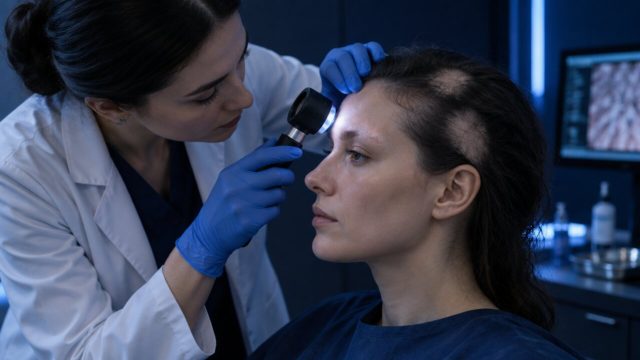
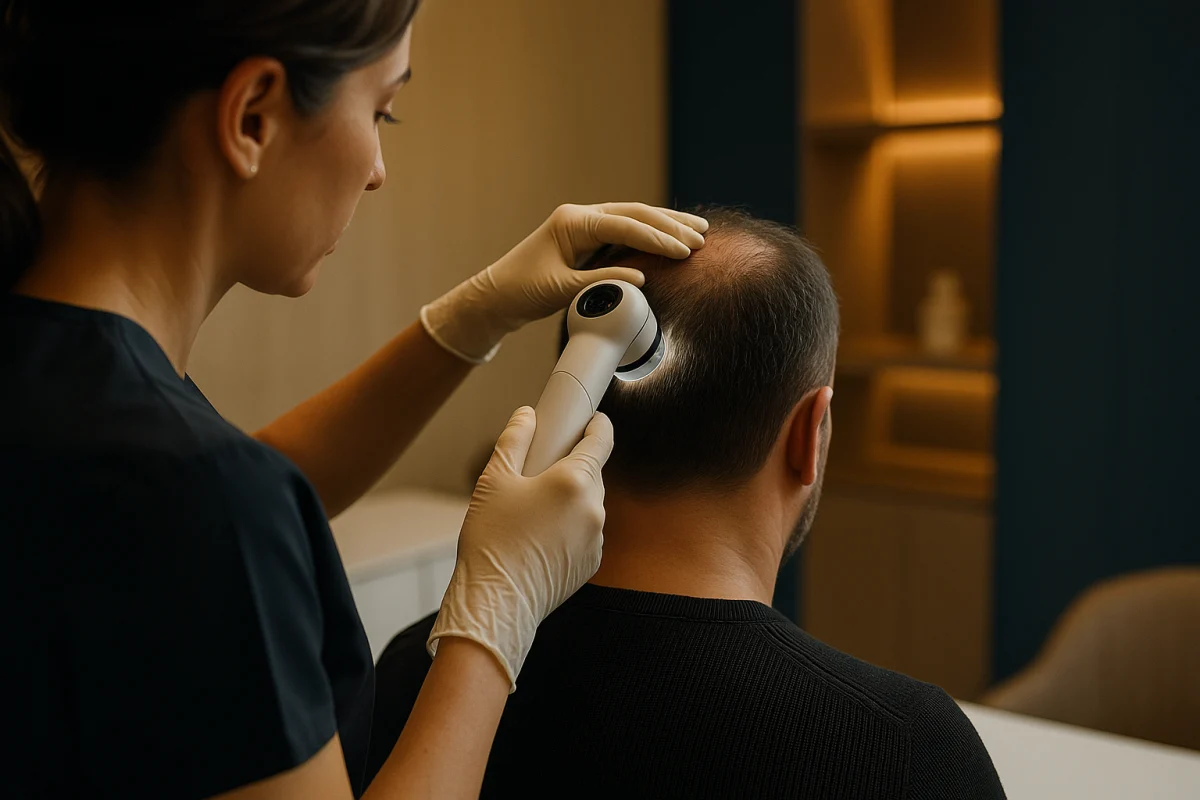
Trichoscopic scalp assessment can help a doctor examine variation in hair shaft thickness, follicle groups, scalp condition, and signs that support a particular diagnosis. It cannot replace a full medical evaluation, but it adds useful detail beyond ordinary photographs. At Acibadem Hair Transplant Center, results are measured by trichoscopic graft survival at month 12, with a documented 98% rate under written guarantee. This outcome measure relates to graft survival and should not be interpreted as a guarantee of an identical cosmetic result for every individual.
Patchy loss, redness, scaling, pain, itching, sudden severe shedding, eyebrow loss, or scalp scarring should be medically assessed before cosmetic treatment is considered. These signs can be linked to conditions that need diagnosis and management by an appropriate clinician. A transplant should not be used to delay investigation of a potentially active scalp or systemic health issue.
05Can diet-related shedding grow back?
In many patients, hair shedding related to an identifiable dietary deficiency, low energy intake, or a temporary physiological stress can improve once the underlying cause is properly addressed. Hair growth is slow, and the visible recovery process usually takes time because follicles move through natural phases. Reduced shedding may be noticed before improved density becomes obvious. The degree of recovery depends on the cause, how long it has been present, whether there are other contributors, and the individual hair cycle.
Vegetarian hair loss may therefore be reversible when a correctable nutritional factor is confirmed and managed appropriately. Yet it is important not to assume that all shedding is dietary. If hereditary thinning is also present, improving nutrition may support healthier remaining hair but may not restore follicles that have progressively miniaturised due to genetic pattern loss. This distinction is one reason a medical assessment is valuable before investing in supplements, procedures, or major dietary changes.
Crash dieting and repeated cycles of rapid weight loss can place extra stress on the hair cycle regardless of whether the diet is vegetarian. A balanced eating plan with sufficient energy, protein, and varied micronutrient sources is generally more supportive than severe restriction. Patients who have concerns about food intake, digestion, body weight, or an eating disorder should seek help from an appropriate healthcare professional. Hair health should never be pursued at the expense of wider physical or emotional wellbeing.
06When transplantation may be appropriate
A hair transplant may be considered when the diagnosis supports stable pattern hair loss, the donor area is suitable, expectations are realistic, and any potentially reversible causes of shedding have been assessed. The timing matters. Performing surgery while diffuse shedding is active or while the cause is unclear may make planning less predictable, particularly if native hairs continue to thin after the procedure. Your doctor will confirm whether it is better to proceed, monitor progress, or first address another factor.
During a consultation, doctors typically review the scalp, hairline design considerations, donor density, degree of miniaturisation, medical history, and future hair-loss risk. The goal is not simply to place the largest possible number of grafts. It is to develop a conservative plan that respects the limited donor supply and considers how the hair may look over time. This is particularly relevant for younger patients or those with a strong family history of progressive loss.
Acibadem Hair Transplant Center is a dedicated hair restoration clinic in Istanbul, licensed by the Turkish Ministry of Health. The clinic offers Sapphire FUE and DHI techniques, with needle-free anaesthesia available for suitable patients. Technique selection is not based on a one-size-fits-all rule. It depends on the scalp, hair characteristics, target area, donor availability, and the doctor’s clinical planning.
Patients travelling from abroad may also need time to organise testing and dietary support before surgery. The clinic provides all-inclusive packages that include VIP transfer, a 4-star hotel, a care kit, and 12 months of follow-up. These services can make travel arrangements easier, but they do not replace the need for an appropriate medical assessment before transplantation.
07Preparing your nutrition and health before surgery
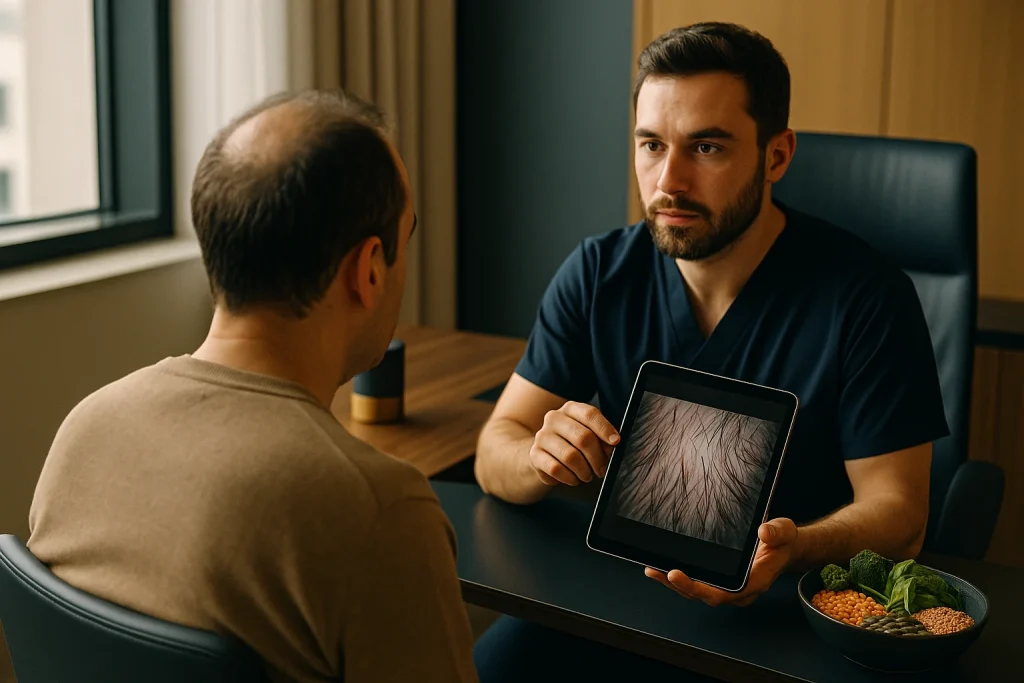
Before a transplant, aim to provide the medical team with complete and accurate information rather than trying to correct everything quickly through supplements. Bring recent test results if available, disclose known deficiencies, and mention any history of anaemia, thyroid disease, digestive disorders, diabetes, autoimmune conditions, or previous scalp treatment. If you follow a vegetarian or vegan diet, a simple summary of typical meals can help identify whether further discussion with a doctor or dietitian may be useful.
A balanced pre-procedure routine generally includes regular meals, adequate hydration, and enough protein from tolerated foods. It may also be helpful to avoid beginning an extreme new diet immediately before surgery. Sudden food restriction can be difficult for the body and may complicate the interpretation of new symptoms. Where a deficiency is confirmed, the treating clinician can advise on food-based strategies, supplements when necessary, and the expected timeline for rechecking levels.
Smoking, alcohol intake, sleep quality, and medication use can also be relevant to surgical planning and recovery. Patients should follow the clinic’s pre-operative instructions closely and ask questions if anything is unclear. It is especially important to disclose blood-thinning medicines, anti-inflammatory medicines, vitamins, and herbal supplements because the doctor may need to give specific safety instructions. Never alter prescribed treatment without the approval of the clinician who manages it.
After the procedure, transplanted follicles need gentle care while the scalp heals. The clinic’s care kit and follow-up guidance are designed to support the recovery period, but patients should continue to seek medical advice if they develop concerning symptoms. Healthy food choices can support general recovery, while the final cosmetic development of transplanted hair remains gradual and varies from patient to patient.
08Natural approaches that support healthier-looking hair
There is understandable interest in natural ingredients for thicker-looking hair. Foods that provide protein, iron, zinc, vitamin B12 where needed, vitamin D, omega-3 fats, and vitamin C can support the normal biological processes involved in hair growth when they are part of an adequate diet. Examples may include lentils, beans, soy foods, leafy greens, pumpkin seeds, walnuts, chia seeds, citrus fruit, berries, eggs, yoghurt, and fortified foods depending on the person’s dietary choices. No single food can reliably reverse all forms of hair loss.
Scalp care may also improve comfort and the appearance of existing hair. Gentle washing, avoiding very tight hairstyles, limiting harsh chemical processing, and reducing frequent high-heat styling can lower the risk of breakage. However, breakage is different from hair loss at the follicle level. Oils, masks, and botanical ingredients can condition the hair shaft and may make it feel smoother, but they should not be presented as proven replacements for medical diagnosis or treatment of progressive hair loss.
To increase the appearance of density naturally, many people benefit from protecting the hairs they already have and addressing manageable causes of shedding. This can include balanced nutrition, treatment of confirmed deficiencies, sufficient sleep, stress support, and appropriate medical review. Volumising cuts and gentle styling techniques may create a fuller appearance, but they do not increase the number of follicles. If density is visibly declining, early assessment is often more useful than trying multiple unproven remedies.
For people considering surgery, the most natural-looking result usually comes from careful hairline planning, suitable graft placement, and preservation of donor resources rather than from an overly aggressive approach. A hair transplant can redistribute permanent donor follicles, but it cannot create unlimited new density. Open discussion about realistic coverage, ongoing hair changes, and nutritional health supports safer and more satisfying decision-making.
09Frequently Asked Questions
Which natural ingredients may support hair growth and a thicker appearance?
Nutrient-rich foods such as legumes, soy foods, leafy greens, seeds, nuts, fruit rich in vitamin C, and fortified foods can support hair health when they help meet overall protein and micronutrient needs. Oils and botanical scalp products may condition the hair shaft, but there is limited evidence that they regrow hair caused by genetic loss or a medical condition. A doctor can help identify whether a nutritional or scalp issue needs specific treatment.
How can I improve my hair density naturally?
Natural measures may help protect existing hair and reduce avoidable breakage, including adequate nutrition, gentle scalp and hair care, avoiding restrictive dieting, and managing confirmed deficiencies with professional guidance. These steps may not increase follicle numbers or reverse established genetic miniaturisation. If density is progressively reducing, a clinical assessment can clarify the likely cause.
Does hair loss caused by diet grow back?
Hair shedding related to an identified dietary deficiency or insufficient calorie and protein intake can improve after the underlying cause is corrected in many patients. Recovery is gradual because hair grows in cycles, and visible density can take several months to improve. Outcomes vary, particularly when genetic hair loss or another medical condition is also present.
Can a vegetarian diet help with hair loss?
A well-planned vegetarian diet can support healthy hair because it can provide protein, iron, zinc, essential fats, and many vitamins. It does not automatically treat hair loss, and an unbalanced vegetarian diet may contribute to shedding if key nutrients are low. A doctor or registered dietitian can help assess individual dietary needs and relevant test results.
This article is for general information only and is not a substitute for professional medical advice.
This guide is for general information and does not replace a medical consultation. Treatment decisions are made after an in-person or online assessment by a doctor.