

Female pattern hair loss can sometimes be improved with a hair transplant, but only when the donor area is stable and the cause of thinning has been carefully assessed. In many women, medical treatment, nutritional correction or management of an underlying condition should be considered before surgery.
- A hair transplant may be an option for selected women with stable thinning and sufficient healthy donor hair.
- A proper diagnosis is important because diffuse shedding, scarring conditions and hormonal changes can look similar.
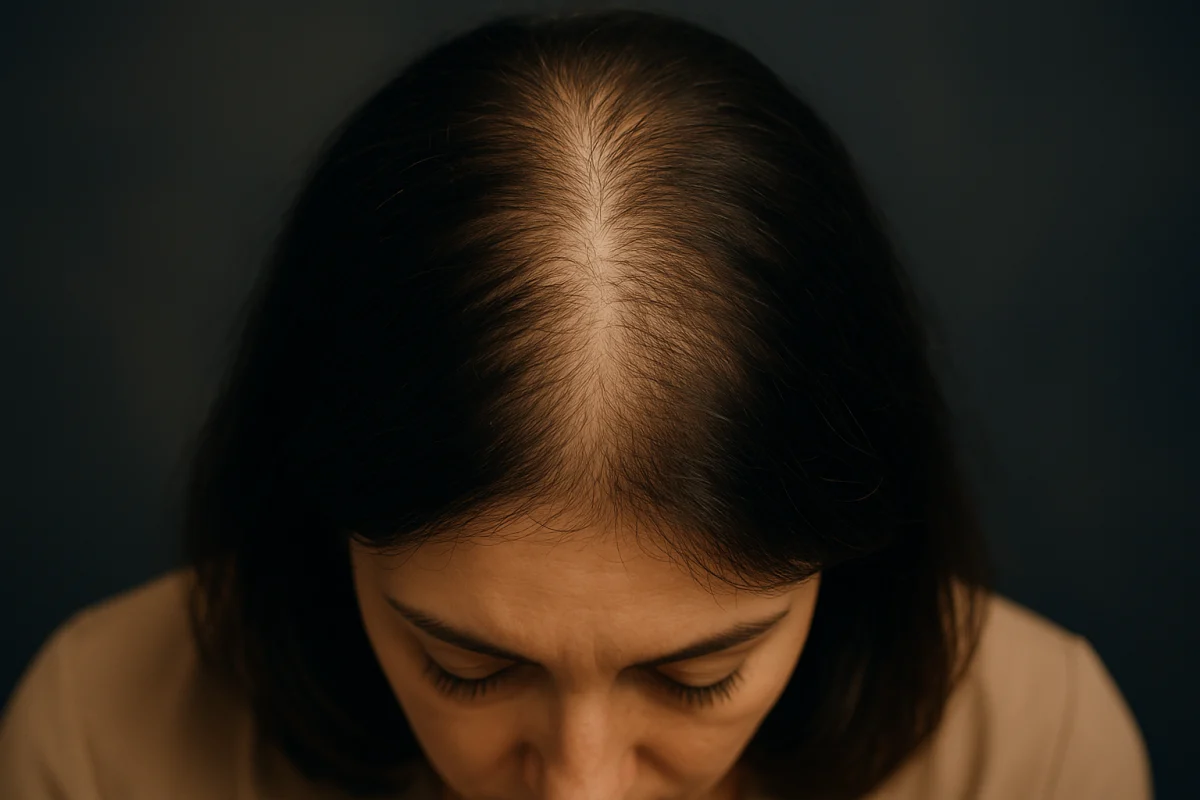
- Female pattern hair loss usually causes gradual widening of the part line and reduced density over the top of the scalp.
- Iron deficiency, thyroid disease, low vitamin levels and hormonal conditions may contribute to hair shedding, but they are not the only causes.
- Long-term planning matters because transplanted hair and existing non-transplanted hair may change differently over time.
01Female Pattern Hair Loss: Is a Transplant an Option?
Female pattern hair loss is a common cause of gradual scalp hair thinning in women, and a transplant can be an option for some patients. It is not automatically the right solution for every person with reduced density. The key question is whether there is a stable area of healthy hair that can be safely used as a donor source, while protecting the appearance of the donor area itself. Your doctor will also need to confirm that the hair loss pattern is suitable for surgery and that there is no untreated medical or scalp condition behind the thinning.
Hair transplantation moves follicles from a denser donor region, usually at the back or sides of the scalp, into areas with visible thinning. These follicles are selected because they are often more resistant to the hormonal sensitivity linked with pattern hair loss. However, women can have diffuse thinning that affects both the top and donor areas. When this is present, removing grafts may not be advisable, because it could leave the donor zone looking thinner.
A transplant is most often considered when hair loss has been stable, the scalp is healthy, expectations are realistic and there is adequate donor density. It may be used to improve a widening part, strengthen the frontal hairline where appropriate, or add coverage over a defined area. Surgery does not usually stop ongoing loss in non-transplanted hair, so a long-term plan may include medical monitoring and treatments recommended by a qualified doctor.
02How female hair thinning usually appears
In many women, pattern-related thinning develops slowly rather than as sudden bald patches. A common early sign is a part line that looks wider than before, especially in bright light or when the hair is wet. The ponytail may feel less full, and more scalp may be visible over the crown or mid-scalp. The frontal hairline is often preserved, although some women notice reduced density just behind it.
Doctors may describe the appearance using recognised pattern scales. One pattern involves diffuse thinning across the top of the scalp, while another is more noticeable around the centre part. The hairs in affected areas may become finer, shorter and less pigmented over time. This process is called miniaturisation and can make the scalp appear less covered even when there are still many hairs present.
Not all thinning follows a pattern. Sudden shedding after illness, childbirth, major stress, weight change, surgery or some medications can have a different cause. Round patches, scalp redness, pain, scaling or itching also need medical assessment. These signs do not confirm a particular diagnosis on their own, but they are important reasons to arrange a review rather than assuming that all hair loss is hereditary.
03Why diagnosis comes before treatment
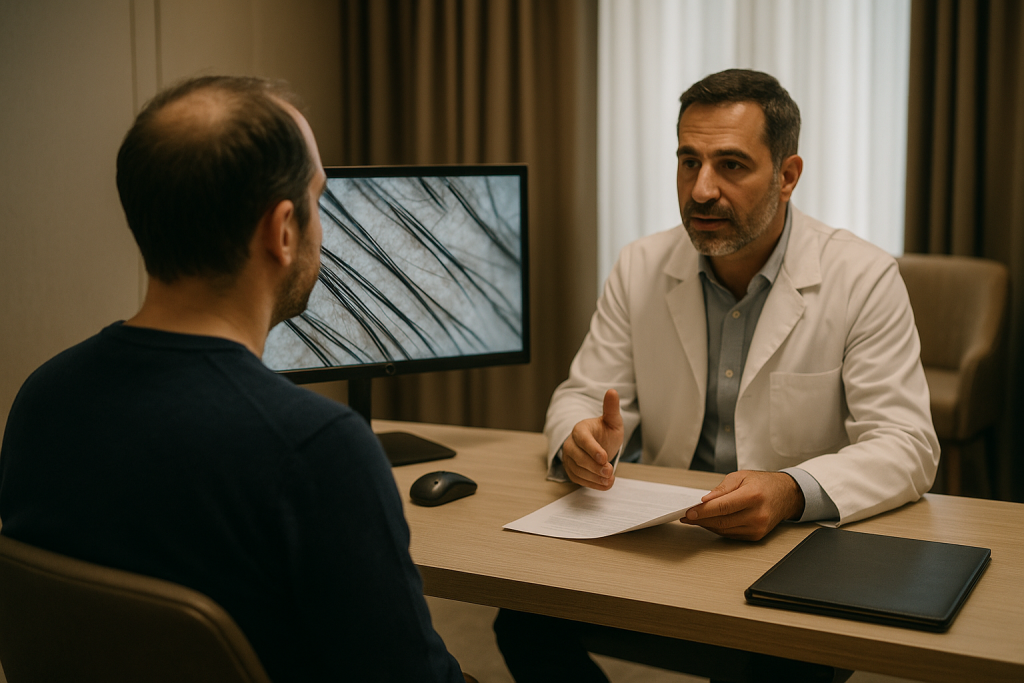
A careful assessment helps separate female pattern hair loss from other forms of shedding and scalp disease. A doctor will usually ask when the change began, how quickly it progressed, whether there is a family history, and whether there have been changes in health, diet, menstrual cycles, pregnancy, medicines or stress. Photographs taken over time can also help show whether the condition is stable or continuing to progress.
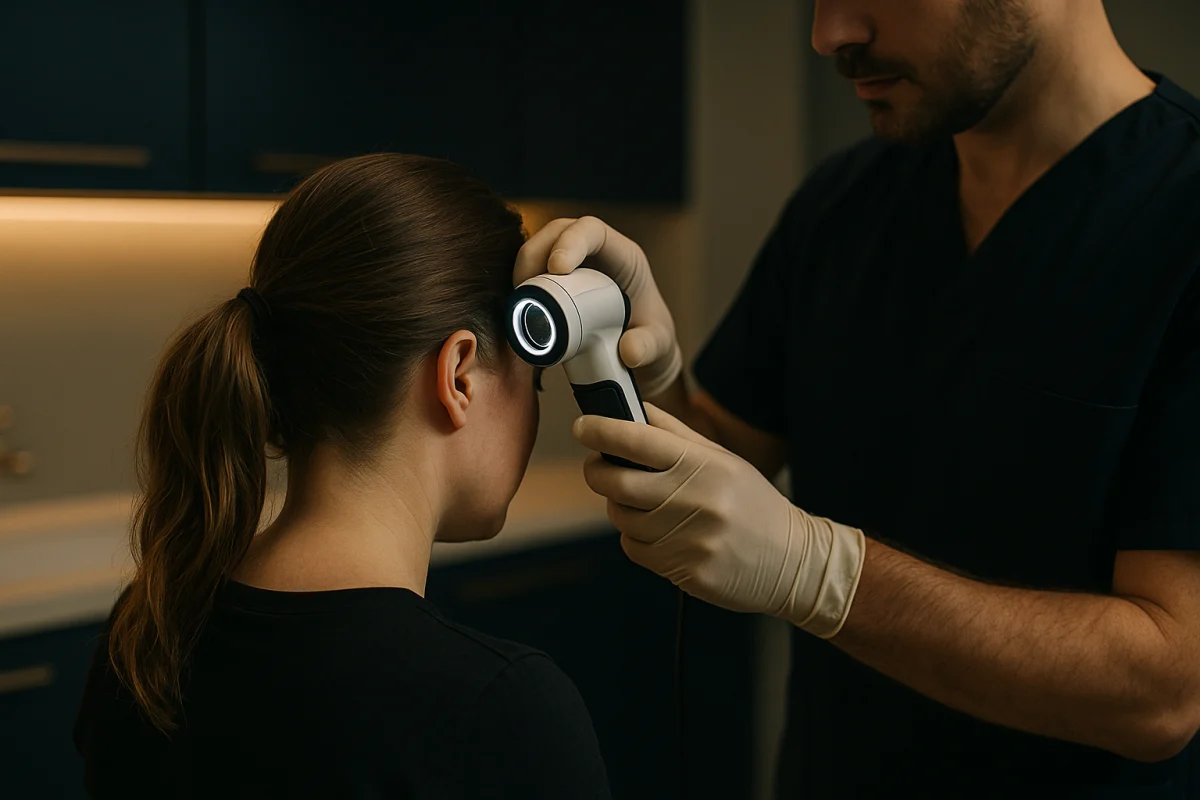
The scalp and donor area should be examined closely. Trichoscopy, a magnified assessment of the scalp and hair shafts, can help identify variation in hair shaft thickness, miniaturisation, inflammation and donor density. This information is valuable when considering a transplant because it helps the medical team judge whether follicles can be harvested without creating visible thinning in the back or sides of the scalp.
Depending on your symptoms and medical history, a doctor may advise blood tests or referral to another specialist. Tests can help identify concerns such as iron stores, thyroid function, nutritional status or signs of hormonal imbalance. Results need to be interpreted in context. A low laboratory value may contribute to shedding in some people, but correcting it does not always explain or resolve every case of hair thinning.
04Common causes and factors that can contribute
Pattern thinning is often influenced by genetics and by how sensitive scalp follicles are to hormones. It can occur at different ages and may become more noticeable around menopause, when hormonal changes can affect the hair growth cycle. Having relatives with gradual thinning can increase the likelihood, but family history alone cannot predict exactly when hair changes will begin or how extensive they may become.
Some health conditions can either trigger increased shedding or make existing thinning more visible. Thyroid disorders, anaemia, low iron stores, rapid weight loss, restrictive diets, chronic illness and prolonged physical stress may be relevant. Polycystic ovary syndrome and other conditions associated with androgen excess can also be considered when there are symptoms such as irregular periods, acne or increased facial hair. Only a clinician can assess what is relevant in an individual situation.
Hair practices do not usually cause hereditary pattern loss, but repeated traction from tight styles, frequent chemical processing or heat damage can worsen breakage and reduce the appearance of density. Scarring forms of alopecia are another important concern because they can permanently damage follicles if not treated early. For this reason, a transplant consultation should include questions about scalp discomfort, burning, tenderness, flaking and changes in skin texture.
05When a hair transplant may be suitable
A transplant may be considered for women who have a diagnosed, stable pattern of thinning and a donor area with enough healthy, dense hair. Suitability is based on more than age or the size of the thinning area. The surgeon needs to evaluate the quality of donor follicles, the contrast between hair and scalp, hair calibre, curl pattern, scalp characteristics and the likelihood of future loss. These factors influence how naturally coverage can be planned.
Sapphire FUE and DHI are two techniques that may be discussed during a surgical assessment. In Sapphire FUE, individual grafts are extracted and recipient channels are created before placement. DHI uses a placement method designed to implant grafts with control over direction and angle. The most appropriate technique depends on the individual scalp, hair characteristics, target area and clinical plan, rather than on a technique name alone.
A transplant is generally less suitable when hair shedding is active, donor hair is diffusely miniaturised, the diagnosis is uncertain or a scarring condition is uncontrolled. In these situations, surgery may not give a predictable cosmetic improvement and may risk further visible thinning. Stabilising the underlying cause, observing the hair over time and reviewing non-surgical options can be more appropriate first steps. Your doctor will confirm whether surgery should be delayed, avoided or considered as part of a broader plan.
06What to expect from the treatment journey
Before any procedure, patients should have a medical consultation and a clear discussion about what can reasonably be achieved. The aim is usually improved visual density, not the same density a person had before thinning began. Graft availability is limited, especially when a large area is affected, so the plan commonly prioritises the regions that will make the greatest cosmetic difference, such as the part line or frontal transition zone.
After transplantation, the implanted hairs commonly shed during the early healing period before new growth begins. This is a normal part of the growth cycle for many patients and does not by itself indicate that grafts have failed. New growth is gradual, and the final appearance takes time to develop. Follow-up allows the team to review healing, discuss hair care and monitor the surrounding non-transplanted hair.
At Acibadem Hair Transplant Center in Istanbul, candidates can begin with a free online hair analysis reviewed by doctors. The clinic offers Sapphire FUE and DHI techniques, with needle-free anaesthesia available for suitable patients. For completed cases, graft survival is assessed with trichoscopy at month 12; the clinic documents a 98% graft survival rate under its written guarantee. Individual results and suitability still depend on clinical assessment, donor quality and ongoing hair-loss management.
07Supporting existing hair after surgery or without surgery
A transplant adds hair to selected areas, but it does not change the biology of every non-transplanted follicle. Women with ongoing pattern thinning may therefore need a maintenance approach recommended by their doctor. Depending on the diagnosis, this could include topical or oral medical treatment, management of hormonal or nutritional concerns, and regular review of scalp changes. Treatment decisions should take account of pregnancy plans, health conditions and possible side effects.
Gentle everyday hair care can support the appearance and condition of the hair that remains. Avoiding persistent tight tension, reducing harsh chemical exposure and limiting excessive heat may help reduce breakage. A balanced diet with adequate protein and essential nutrients is also important for general hair health. Supplements should not be started simply because of hair loss; testing and medical guidance are useful when a deficiency is suspected.
Emotional support matters as well. Hair thinning can affect confidence, social activities and daily styling choices, even when the medical cause is not dangerous. Taking clear baseline photographs, asking questions during consultations and setting staged goals can make the process feel more manageable. A professional assessment can help distinguish realistic treatment options from marketing claims and create a plan that respects both scalp health and personal priorities.
08Hair transplant recovery timeline: what usually happens after the procedure
The first several days are mainly focused on protecting the newly placed grafts and allowing the donor area to settle. Mild swelling, redness, tenderness, crusting or small scabs can occur. The clinical team will provide written washing instructions and explain when it is appropriate to begin gentle cleansing. Patients should avoid rubbing, scratching or picking at the recipient area, as this may disturb healing grafts during the early recovery period.
During the first two to four weeks, many patients notice shedding of the transplanted hair shafts. This is often called temporary shedding or shock shedding and is a recognised part of the post-transplant cycle. The follicles remain beneath the skin, but visible growth may be limited for a period. Existing, non-transplanted hair can also appear temporarily thinner in some patients, particularly when the surrounding hair was already miniaturised before surgery.
New transplanted growth usually begins gradually rather than all at once. Early hairs may be fine and uneven before they gain length and calibre. Changes are commonly assessed over several months, while the mature cosmetic result takes longer to develop. At Acibadem Hair Transplant Center, graft survival is evaluated by trichoscopy at month 12. Follow-up is important because it allows the team to assess healing, growth progression and the condition of existing hair over time.
09Practical aftercare: protecting grafts and planning daily activities
Aftercare instructions should always come from the treating medical team, as the right plan can differ according to the technique used, the size of the treatment area and individual health factors. In general, patients are advised to keep the scalp clean according to the clinic protocol, sleep in a position that reduces pressure on the recipient area, and wear only clothing that can be put on without pulling tightly over the head during the early recovery period.
Exercise, swimming, sun exposure, saunas and activities that cause heavy sweating may need to be postponed for a period advised by the doctor. These precautions are intended to reduce irritation, limit infection risk and protect healing skin. Colouring, bleaching, chemical straightening and other potentially irritating hair treatments should also be discussed with the team before they are restarted. If there is increasing pain, marked swelling, discharge, fever or another unexpected symptom, patients should contact their treating clinic or seek medical care promptly.
For women who use hair fibres, camouflage sprays, hats or head coverings, it is sensible to ask exactly when these can be used again. Concealing products may be useful later in recovery, but applying them too soon could irritate the scalp or interfere with washing. Taking photographs in consistent lighting before surgery and at planned follow-up points can provide a more useful record of change than checking the mirror each day.
10Planning travel to Istanbul for a female hair transplant
International patients should plan their visit around both the procedure and the early recovery period. It is helpful to arrive with enough time for the in-person medical assessment, confirmation of the hairline or density plan, and any final questions about medications, allergies or health history. Patients should bring a clear list of regular medicines and relevant medical information. If blood tests or specialist reviews have been requested before travel, these should be completed and shared as directed by the medical team.
Before booking flights, ask the clinic when it is appropriate to travel after the procedure and whether a follow-up scalp wash or review is scheduled before departure. A direct journey with minimal handling of luggage can make the first days more comfortable. A loose, front-opening top, a travel pillow if recommended, and easy access to the post-procedure care instructions may also be practical for the return journey.
Acibadem Hair Transplant Center is a dedicated hair restoration clinic in Istanbul and is licensed by the Turkish Ministry of Health. Its all-inclusive packages include VIP transfer, a 4-star hotel, a care kit and 12 months of follow-up. Patients can start with a free online hair analysis reviewed by doctors, with WhatsApp replies typically provided within around two hours. An online review can help with initial planning, but final candidacy and treatment design require medical confirmation.
11Frequently Asked Questions
Can female pattern thinning be cured or fixed?
Female pattern thinning cannot always be permanently cured because genetic and hormonal sensitivity may continue over time. However, many patients can improve the appearance of density or slow further progression with an appropriate medical plan. A transplant may improve selected areas when the donor hair and diagnosis are suitable.
What causes female pattern hair loss?
The condition is commonly linked to inherited follicle sensitivity and hormonal influences. Ageing, menopause and family history may play a role, while medical conditions, stressors or nutritional issues can sometimes worsen shedding. A doctor can assess whether more than one factor is involved.
Which deficiency can lead to hair thinning in women?
Low iron stores are a commonly investigated finding in women with hair shedding. Low levels of certain vitamins or inadequate protein intake may also be relevant in some cases, but a deficiency is not the cause of all thinning. Blood tests and clinical history are needed before assuming a supplement is necessary.
What does female pattern hair loss look like?
It often looks like gradual widening of the central part and reduced density over the top of the scalp. The ponytail may become less full, while the frontal hairline often remains in place. Sudden patches, redness, pain or scarring should be assessed promptly because they can suggest a different condition.
This article is for general information only and is not a substitute for professional medical advice.
 06
06 12
12