
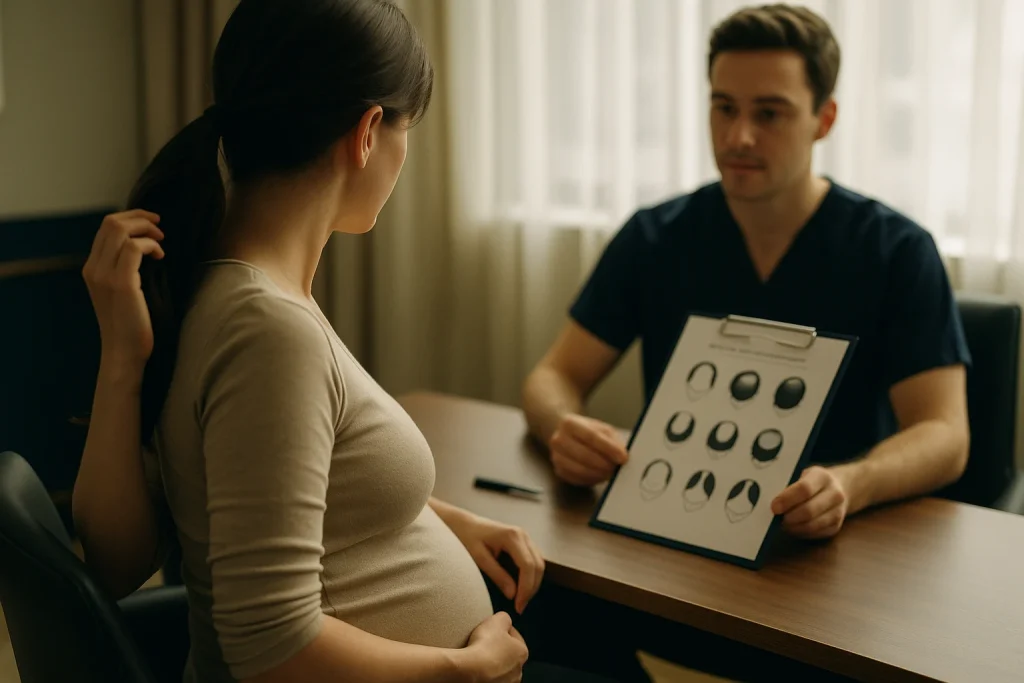
Hair loss first trimester should be discussed with your obstetric care team before any elective hair transplant is considered. A transplant is typically delayed during pregnancy because hormonal changes, possible nutrient issues, and the need to avoid non-essential procedures can affect safe planning and the interpretation of shedding.
- Hair shedding in early pregnancy can have several causes, so it is important not to assume that it is only hormonal.
- Hair transplantation is an elective procedure and is typically postponed until after pregnancy and medical clearance.
- Sudden, patchy, painful, or severe hair loss should be assessed by a qualified clinician, especially when accompanied by pregnancy warning signs.
- Early miscarriage may be followed by temporary shedding related to hormonal change, physical stress, or blood loss, but medical review is important.
- A stable period after pregnancy, breastfeeding, and treatment of any underlying cause can help doctors plan a more appropriate transplant assessment.
01First-Trimester Hair Loss: When to Delay a Transplant
Hair loss first trimester can be worrying, particularly when you were already considering a hair transplant. In most cases, pregnancy is a time to pause elective hair restoration plans and focus on maternal health, pregnancy monitoring, and the cause of the shedding. Your obstetric clinician and a hair-loss doctor can help decide when it is medically appropriate to reassess treatment options.
A hair transplant involves a minor surgical procedure, local anaesthesia, scalp injections, and a period of healing. Although modern techniques are designed to be minimally invasive, these steps are not usually necessary during pregnancy. Doctors commonly recommend postponing non-essential procedures so that medication exposure, stress, infection risk, and recovery needs can be avoided while the pregnancy is developing.
Delaying a transplant does not mean that you have lost your opportunity for treatment. Many types of shedding are temporary, and the pattern of hair loss may change again during pregnancy and after delivery. Waiting can give your doctors a clearer view of whether there is ongoing genetic thinning, a reversible trigger, or a condition that needs medical treatment first.
02Hair Loss First Trimester: What Can Cause It?
Hair loss first trimester may be linked to changes in the hair growth cycle, but it is less commonly discussed than the shedding that can occur after childbirth. Hair normally moves through growing, resting, and shedding phases. Physical stress, hormonal changes, illness, nutritional problems, or changes in medication can shift more hairs into a resting phase, which may later lead to noticeable shedding.
Nausea and vomiting can make it difficult for some pregnant people to eat and drink normally. When intake is reduced for a prolonged period, low iron stores, low protein intake, dehydration, or other nutritional concerns may contribute to feeling unwell and may affect the hair cycle. Only blood tests and clinical assessment can confirm whether a deficiency or another medical issue is present.
Other possible causes include thyroid disease, iron-deficiency anaemia, scalp inflammation, fungal scalp infection, autoimmune hair loss, recent fever, and emotional or physical stress. Some people also notice that a pre-existing pattern of genetic hair thinning becomes more visible. Because these causes need different approaches, it is best not to start supplements, topical products, or hair-loss medicines without pregnancy-specific medical guidance.
03How Pregnancy Hormones Can Change Hair Growth
Pregnancy hormones can affect hair differently from one person to another. Many pregnant people notice fuller-looking hair later in pregnancy because more follicles remain in the growth phase for longer. Others may notice early shedding, especially if a trigger occurred before conception or around the time they became pregnant. The timing of visible shedding does not always match the timing of the trigger.
It is also important to distinguish shedding from breakage. Shedding usually means whole hairs are released from the scalp, sometimes with a small pale bulb at one end. Breakage means the hair shaft snaps, often because it is dry, chemically treated, or handled under tension. Both can make hair look thinner, but they do not have the same causes or management considerations.
Hair loss first trimester can therefore be a signal to review the wider picture rather than a reason to rush into a cosmetic procedure. A clinician may ask about recent illness, diet, vomiting, menstrual and pregnancy history, family history of thinning, scalp symptoms, and any medicines or supplements. This information helps guide safe next steps during pregnancy.
04Symptoms That Need Prompt Pregnancy Assessment
Hair shedding alone does not usually indicate whether a pregnancy is healthy or unhealthy. However, early pregnancy symptoms should never be judged only by changes in hair. Seek urgent medical advice for heavy vaginal bleeding, severe or one-sided abdominal pain, shoulder-tip pain, fainting, severe dizziness, fever, or passing tissue, as these may need prompt assessment.
Contact your maternity team or urgent care service if vomiting is persistent and you cannot keep fluids down, you have signs of dehydration, or you feel increasingly weak. Severe nausea and vomiting can require treatment, and reduced food or fluid intake should not be managed by simply adding over-the-counter hair supplements. Your pregnancy care team can assess both your general health and the needs of the pregnancy.
Scalp symptoms also matter. Rapid bald patches, redness, scaling, pain, pus, itching that is intense, or scarring-looking areas are reasons to seek medical assessment. These signs may point to a scalp condition rather than routine hormonal shedding. Early diagnosis can protect scalp health and help doctors choose options that are appropriate during pregnancy.
05Why Hair Transplant Surgery Is Usually Delayed
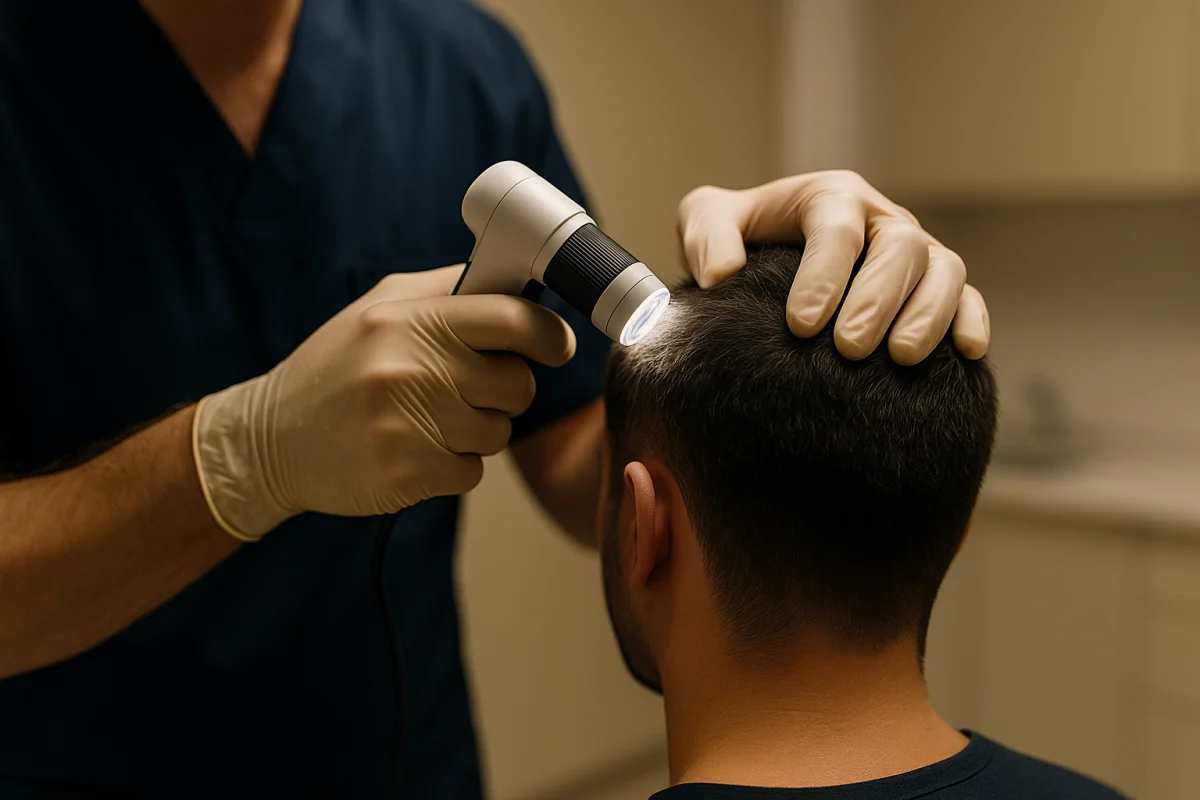
Hair transplantation is generally considered an elective procedure, so doctors typically advise waiting until pregnancy has ended. During the first trimester in particular, organ development is underway and medical teams aim to limit non-essential interventions. Even when a procedure is relatively short, it can involve local anaesthesia, wound care products, antibiotics in selected situations, and other choices that should be carefully considered in pregnancy.
Another reason to wait is that active shedding can make transplant planning less reliable. The hairline, density, donor area, and future pattern of thinning may look different after the temporary effects of pregnancy have settled. Transplanting during an unstable phase may make it harder to judge how many grafts are truly needed and where they should be placed for a natural long-term result.
Recovery also requires practical care. Patients need to protect the scalp, follow washing instructions, avoid certain physical activities for a period, and attend follow-up when recommended. Pregnancy fatigue, nausea, medical appointments, and changing health needs can make this less comfortable. Delaying surgery allows the treatment plan to be made when your health and daily routine are more stable.
06When to Reconsider a Transplant After Pregnancy
Hair loss first trimester may settle, worsen temporarily after delivery, or reveal an underlying form of thinning that was already present. For this reason, a transplant consultation is usually more useful after pregnancy-related hormonal changes have stabilised. If you are breastfeeding, your doctor will also consider whether any recommended medicines, anaesthetic choices, or post-procedure treatments are suitable before planning surgery.
Postpartum shedding often becomes noticeable several months after delivery and can be emotionally difficult, but it is commonly temporary. A doctor may recommend monitoring the pattern over time, especially if shedding is diffuse and the scalp appears healthy. A stable period helps distinguish temporary shedding from female-pattern hair loss, traction-related loss, alopecia areata, or another cause that may need a different plan.
There is no single calendar date that is right for every patient. Your doctor may consider delivery recovery, breastfeeding status, blood test results where needed, scalp health, the severity and pattern of loss, and your medical history. A consultation should lead to an individual plan, not a fixed promise about the timing or outcome of a transplant.
07Safe Steps to Take While You Wait
The first practical step is to tell your obstetric clinician or midwife about significant shedding, especially if it is sudden or accompanied by fatigue, dizziness, weight change, skin changes, or scalp symptoms. They may decide that a review of your medical history, examination, or blood tests is appropriate. Do not assume that a prenatal vitamin alone will correct a possible deficiency.
Gentle hair care can reduce unnecessary breakage while you wait for assessment. Avoid tight styles that pull on the hairline, harsh chemical processing, high heat, and aggressive brushing. Use a mild washing routine that feels comfortable for your scalp. These measures cannot treat every cause of hair loss, but they may reduce avoidable traction and shaft damage.
Be cautious with online claims about hair-growth products and supplements. Natural does not always mean suitable in pregnancy, and high-dose vitamins or herbal products can be inappropriate. A clinician who knows your pregnancy history can advise on nutrition and any treatment that may be considered safe. If you are feeling distressed by appearance changes, discussing this openly with your care team can also be helpful.
08Planning a Future Hair Restoration Consultation
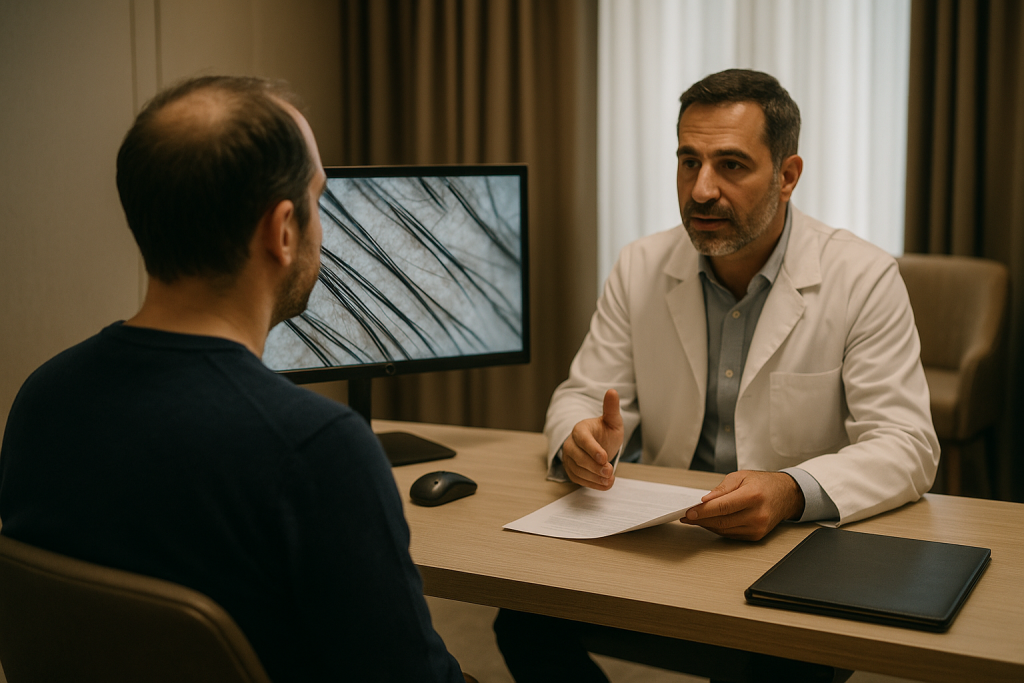
Once pregnancy-related changes have settled and your doctor confirms that it is appropriate, a detailed hair assessment can help clarify your options. A responsible consultation should look at the donor area, scalp condition, hair diameter, family history, pattern of loss, and realistic density goals. It should also consider whether medical management or observation is more suitable than surgery at that stage.
At Acibadem Hair Transplant Center, a dedicated hair restoration clinic in Istanbul licensed by the Turkish Ministry of Health, patients can request a free online hair analysis reviewed by doctors. Replies on WhatsApp are typically provided within about two hours. This service can help you understand what information may be needed for a future consultation, but it does not replace pregnancy or urgent medical care from your local clinical team.
When the time is right, doctors may discuss techniques such as Sapphire FUE or DHI, depending on the assessment and treatment goals. The clinic also offers needle-free anaesthesia for suitable patients. Any procedure should only be planned after appropriate medical clearance, with clear discussion of expected healing, limitations, and the fact that individual results can vary.

09How to Prepare for a Pregnancy Hair-Loss Appointment
A simple record can make a medical appointment more useful. Before you speak with your obstetric clinician, note when the shedding began, whether it is diffuse or mainly in one area, and whether you are seeing whole hairs or shorter broken strands. It can also be helpful to record recent illness, fever, major stress, dietary changes, vomiting, new medicines, supplements, and hair treatments.
Take clear photographs of the parting, hairline, temples, and any areas of concern in the same lighting every few weeks. These photographs are not a diagnostic tool, but they can help you and your clinician see whether the appearance is changing over time. Avoid checking or counting shed hairs repeatedly, as this can increase anxiety and does not reliably identify the cause.
Bring a full list of prescribed medicines, over-the-counter products, prenatal vitamins, herbal preparations, and hair-loss products to your appointment. Your clinician can check whether they are appropriate in pregnancy and decide whether any examination or tests are needed. Do not stop prescribed treatment or begin high-dose supplements without advice from the clinician managing your pregnancy.
10What a Future Transplant Recovery Period Usually Involves
When pregnancy has ended, your health is stable, and medical clearance has been given, it is useful to plan for the practical recovery period before booking a transplant. A hair transplant leaves small healing areas in both the donor and recipient zones. Patients are usually given individual instructions for washing, sleeping position, scalp protection, and the timing of normal daily activities.
In the early healing stage, the transplanted area needs careful handling. Patients are commonly asked to avoid rubbing, scratching, pressure from tight headwear, and activities that may cause heavy sweating until their surgical team says it is safe. Crusting and mild temporary redness can occur as the scalp heals. Your clinic should explain what is expected, how to wash safely, and which symptoms require contact with the medical team.
After a transplant, the visible result develops gradually rather than immediately. Transplanted hairs may shed before new growth begins, which is a normal part of the cycle for many patients. Follow-up is important because the clinical team can review healing and discuss progress over time. At Acibadem Hair Transplant Center, all-inclusive packages include a care kit and 12 months of follow-up; graft survival is assessed trichoscopically at month 12.
11Planning Travel to Istanbul After Medical Clearance
For international patients, travel should be planned only after pregnancy-related care is complete and your doctor confirms that elective treatment is appropriate. Choose travel dates that allow enough time for the procedure, early scalp checks if recommended, and a comfortable return journey. It is also sensible to avoid scheduling around demanding work commitments, major family events, or situations where you may not be able to follow aftercare instructions.
Before travelling, ask the clinic what photographs, medical information, and medication details are needed for the final assessment. Tell the clinic about allergies, previous reactions to local anaesthesia, medical conditions, and any medicines or supplements you use. This helps the team assess whether a procedure can be planned safely and whether further clearance is needed.
Acibadem Hair Transplant Center is a dedicated hair restoration clinic in Istanbul licensed by the Turkish Ministry of Health. Its all-inclusive packages include VIP transfer, a 4-star hotel, a care kit, and 12 months of follow-up. Patients can request a free doctor-reviewed online hair analysis before making travel arrangements, with WhatsApp replies typically provided within about two hours. An online review can support planning, but it does not replace an in-person medical assessment or clearance from your own healthcare team.
12Frequently Asked Questions
What symptoms can suggest a problem in the first trimester?
Hair loss is not a reliable sign of an unhealthy pregnancy. Heavy bleeding, severe or one-sided abdominal pain, shoulder-tip pain, fainting, fever, severe dizziness, or persistent vomiting with inability to keep fluids down need prompt medical assessment. Contact your maternity team, urgent care service, or local emergency service based on the severity of symptoms.
Can an early miscarriage lead to hair loss?
An early miscarriage can be followed by temporary hair shedding in some people because of sudden hormonal change, physical stress, emotional stress, or blood loss. However, hair loss has many possible causes and does not by itself confirm that a miscarriage has occurred. Bleeding, pain, dizziness, or pregnancy concerns should be assessed by a qualified clinician promptly.
What are common reasons for hair loss during pregnancy?
Possible causes include hormonal changes, low iron stores or other nutritional concerns, thyroid conditions, severe nausea and vomiting, recent illness or fever, stress, scalp conditions, autoimmune alopecia, and pre-existing genetic hair thinning. The pattern of loss and associated symptoms can help guide assessment. Your doctor may recommend an examination or tests rather than assuming the cause.
Is hair loss at 5 weeks pregnant normal?
Some shedding at 5 weeks pregnant may occur, but marked or sudden hair loss is worth mentioning to your obstetric clinician. Pregnancy hormones affect people differently, and shedding may also be related to a trigger that happened before pregnancy. Seek earlier review if hair loss is patchy, painful, associated with scalp changes, or accompanied by bleeding, severe vomiting, weakness, or other concerning symptoms.
Can I have a hair transplant while pregnant?
Hair transplantation is typically postponed during pregnancy because it is an elective procedure and planning may involve anaesthesia, medications, healing requirements, and changing hair-loss patterns. Waiting also allows doctors to assess the scalp after pregnancy-related shedding has stabilised. Your obstetric clinician and hair restoration doctor can advise on when a future assessment may be appropriate.
This article is for general information only and is not a substitute for professional medical advice.
 06
06 12
12