
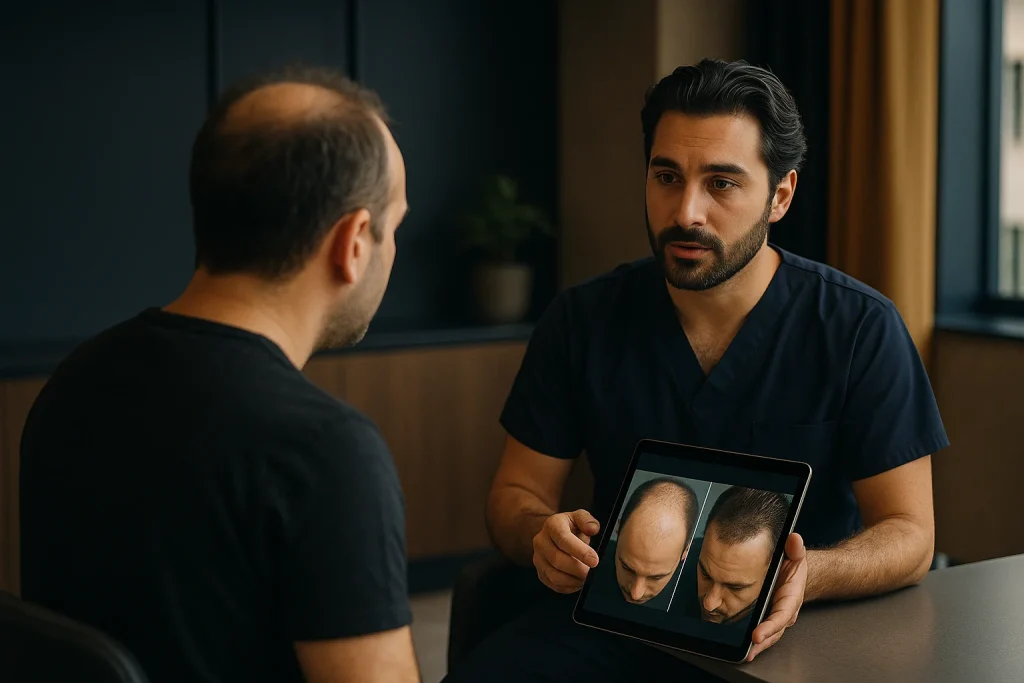
Hrt hair growth can change hair shedding, thickness and the pattern of loss, so hormone treatment should usually be assessed before a hair transplant is planned. In most patients, doctors aim to understand whether hormone levels and hair loss are stable before deciding on the safest timing, technique and realistic graft plan.
- Hormone therapy may improve, worsen or temporarily change hair shedding depending on the hormone, dose and underlying cause.
- A stable hair-loss pattern helps doctors design a more reliable transplant plan and protect the donor area.
- Hair regrowth from hormone treatment is gradual, and early shedding can occur before visible improvement in some patients.
- A transplant moves existing follicles; it does not correct a hormonal cause of ongoing hair thinning.
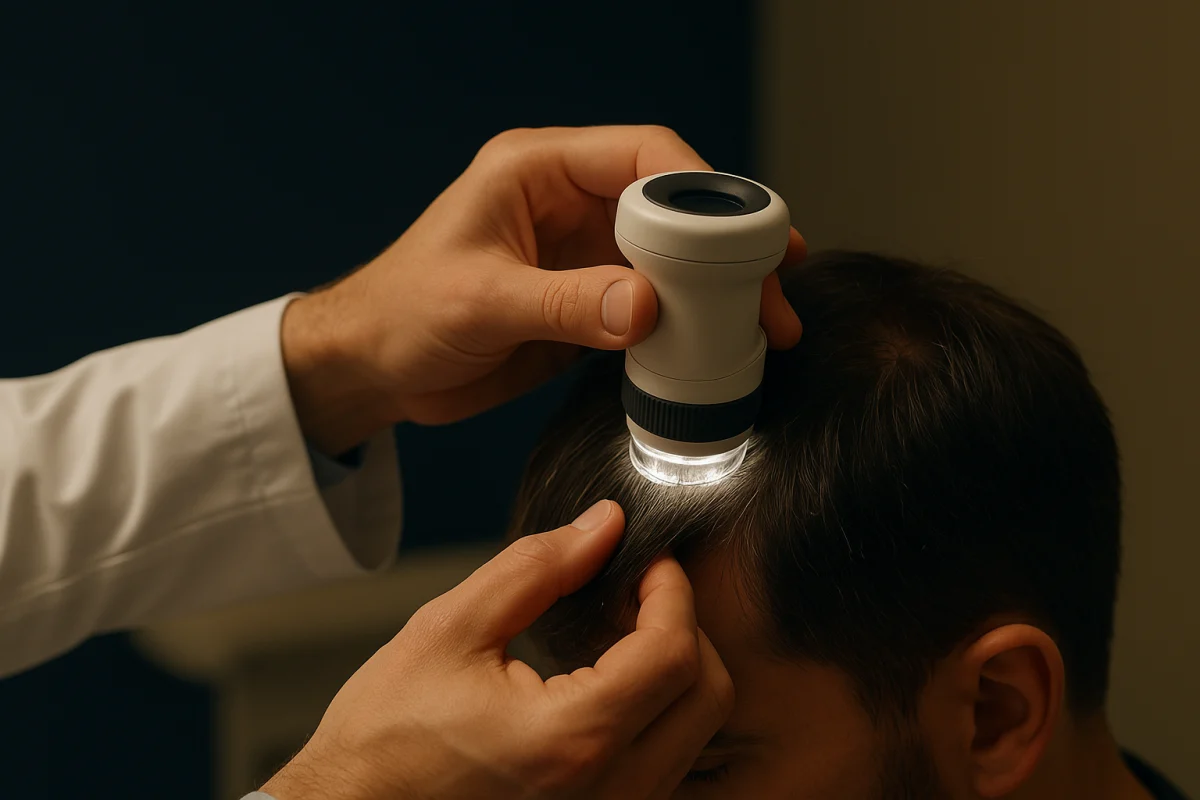
- Blood tests, medical history, scalp examination and trichoscopy can help clarify whether transplant planning should wait.
01Hormone Therapy and Hair Growth Before Transplant Planning
Hrt hair growth is an important topic to discuss before a hair transplant because hormones can influence the hair cycle, scalp oil production, hair diameter and the distribution of hair loss. Hormone replacement therapy may refer to treatment used around menopause, treatment for low testosterone, gender-affirming hormone therapy, or other clinician-directed hormonal care. These treatments do not affect every person in the same way. The most useful first step is to identify what type of hair loss is present and whether it appears stable.
For transplant planning, the key issue is not simply whether hair is growing at the moment. A surgeon also needs to consider whether thinning may continue in the native, non-transplanted hair. If a hormonal shift is still causing active shedding or a changing hairline, a graft design that looks suitable today may need to be more conservative. Your doctor can assess the recipient area, the donor area and the likely pattern of future loss before recommending a procedure.
Hormone therapy should never be started, stopped or adjusted solely to prepare for surgery without guidance from the clinician who prescribed it. A hair transplant clinic can work alongside your relevant medical team by reviewing your history and timing. This coordinated approach is especially valuable when hair loss began after a medication change, menstrual changes, childbirth, menopause, endocrine treatment or gender-affirming care.
02How hrt hair growth may change the hair cycle
Each follicle moves through phases of active growth, transition and resting. Hormonal signals can affect how long follicles remain in the active phase and whether they become smaller over time. In androgen-sensitive areas of the scalp, dihydrotestosterone-related activity can contribute to follicle miniaturisation in genetically susceptible people. Other hormonal changes may trigger diffuse shedding, meaning hair comes out more evenly across the scalp rather than only from the temples or crown.
Estrogen can support a longer growth phase for some people, while a reduction in estrogen may make an underlying tendency to thinning more noticeable. Androgens can have different effects depending on the person and body area: they may encourage facial or body hair growth while contributing to scalp hair miniaturisation in susceptible follicles. This is why a change in one type of hair growth does not always predict what will happen to scalp density.
Visible response is usually slow because hair grows gradually. Some patients notice reduced shedding first, while others initially see little change. Temporary shedding can also occur after a significant hormonal transition as follicles reset their cycle. A clinician will consider the timing, distribution and duration of shedding rather than judging treatment response from a few weeks of observation.
03Why stable hormones matter before graft design
A transplant redistributes healthy follicles from the donor area, commonly at the back and sides of the scalp, to areas with lower density. It does not stop future loss in untreated native hair. When hormones or related medication are still changing, the existing hair around transplanted grafts may continue to thin. This can create an uneven appearance later, even if the transplanted follicles grow as expected.
For this reason, doctors often prefer to assess stability before finalising density, hairline position and the number of grafts to be used. Stability does not necessarily mean that every hormone result must be identical for a long period. Instead, it means the clinical picture, medication plan and shedding pattern are sufficiently understood to make a careful long-term design. The appropriate waiting period varies and must be confirmed individually.
A conservative plan can protect the donor supply, particularly for younger patients or people with progressive pattern hair loss. Donor follicles are limited. Using too many grafts too early may reduce options if further thinning occurs. Trichoscopy, which magnifies the scalp and hair shafts, can help identify miniaturisation and compare density between donor and recipient zones.
04Recognising hormonal shedding versus pattern hair loss
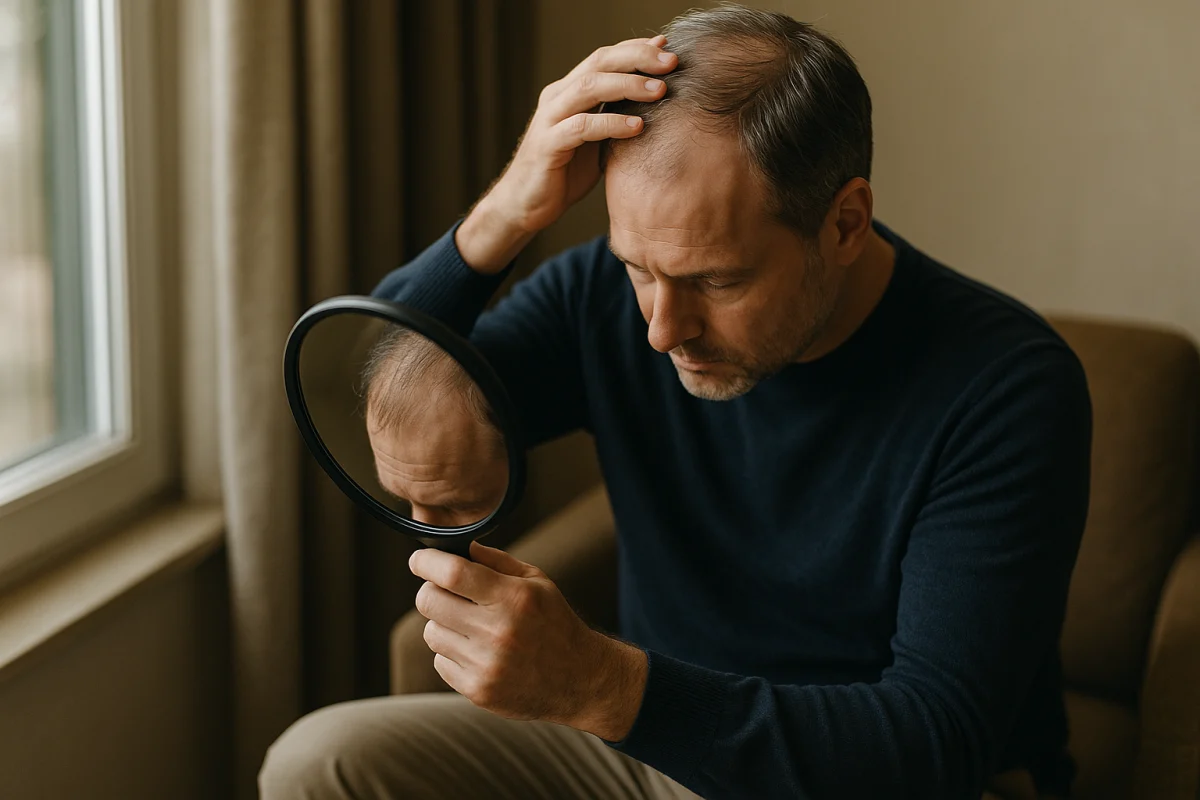
Hormone-related shedding may appear as more hair on the brush, pillow or shower drain, with a broader reduction in volume. The central part may look wider, and the ponytail may feel thinner. In contrast, pattern hair loss commonly follows a recognisable distribution, such as recession at the temples, crown thinning or progressive widening of the part. However, both processes can occur together, so appearance alone cannot provide a definite diagnosis.
Low iron stores, thyroid conditions, nutritional deficiencies, illness, rapid weight change, stress and some medicines can also contribute to shedding. A person who attributes all hair loss to hormone therapy may miss another treatable factor. Your doctor may recommend a medical assessment and appropriate laboratory testing based on your symptoms, history and treatment plan. This is more reliable than making decisions from online photographs alone.
At Acibadem Hair Transplant Center, a free online hair analysis can be reviewed by doctors before you travel to Istanbul. Clear photographs can help provide an initial view of pattern and donor availability, but they do not replace an in-person medical examination or tests when these are needed. Patients typically receive a WhatsApp response within around two hours, allowing them to ask what information may be useful before planning a consultation.
05Transplant timing during menopause and other hormone changes
Menopause and perimenopause can be associated with changes in hair texture, scalp visibility and shedding. Lower estrogen relative to androgen activity may reveal a tendency toward female-pattern hair loss in some people. If hormone therapy has recently begun or changed, it may be sensible to observe the scalp response before making permanent surgical decisions. The best timing depends on the speed of loss, overall health and the advice of the clinician managing hormone treatment.
Postpartum shedding is another example of a hormone-related change that is often temporary. A transplant is not generally planned as an immediate response to sudden shedding because natural recovery may occur and the final pattern may not yet be clear. Similar caution can be appropriate after stopping hormonal contraception, changing endocrine medication or recovering from a major health event. A medical review can distinguish expected recovery from persistent thinning.
For patients receiving gender-affirming hormone therapy, hrt hair growth may be part of a broader and gradual physical transition. Estrogen-based therapy with androgen suppression may reduce further androgen-driven scalp hair loss in some individuals, but regrowth is variable and may be limited in areas where follicles have been inactive for a long time. A transplant consultation can consider your treatment timeline, desired hairline, donor capacity and whether the pattern has stabilised enough for surgery.
06Preparing safely for a hair transplant consultation
Bring or share an accurate list of prescribed hormones, other medicines, supplements, allergies and relevant diagnoses. It is also helpful to note when shedding started, when treatment changed and whether close relatives have pattern hair loss. Do not conceal hormonal medication out of concern that it may prevent treatment. This information helps the medical team plan safely and explain whether additional clearance or a pause in planning is appropriate.
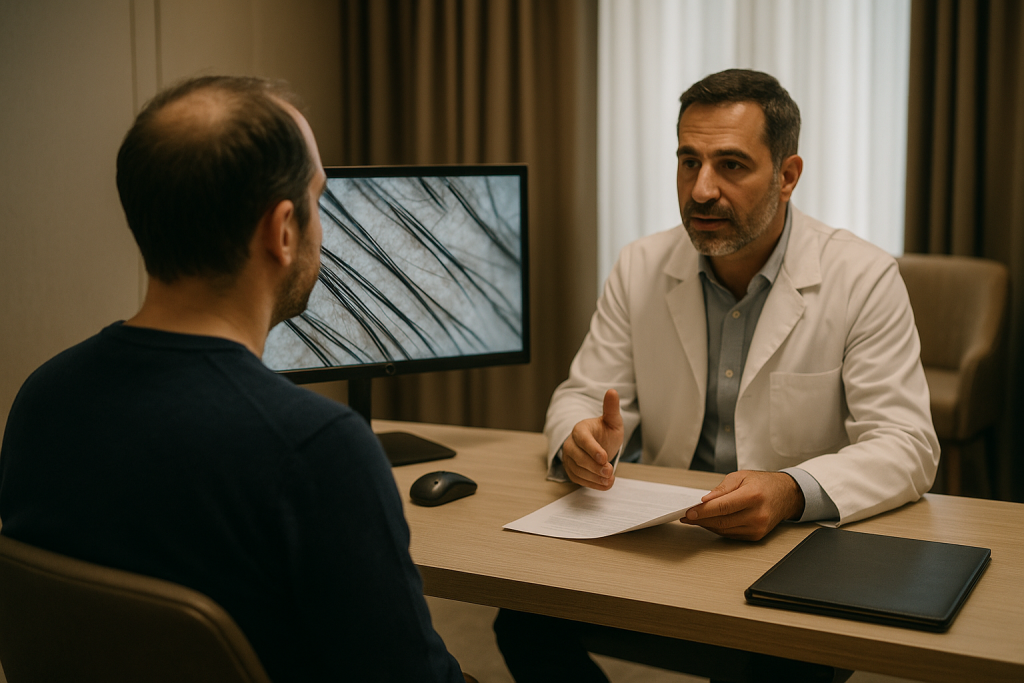
During consultation, ask how the proposed hairline accounts for possible future thinning, whether the donor area shows signs of miniaturisation, and what follow-up is recommended. You may also ask whether your current shedding pattern suggests a need for evaluation before surgery. A responsible answer may sometimes be to delay transplantation while an underlying issue is clarified. This can be frustrating, but it may support a better long-term result and preserve donor hair.
Acibadem Hair Transplant Center is a dedicated hair restoration clinic in Istanbul licensed by the Turkish Ministry of Health. Its team offers Sapphire FUE and DHI techniques, with needle-free anaesthesia available for suitable patients. All-inclusive packages can include VIP transfer, a 4-star hotel, a care kit and 12 months of follow-up. The technique is selected after assessment; no technique is automatically best for every scalp or hormone-related hair-loss pattern.
07What to expect after surgery while using hormone treatment
In most patients, transplanted hairs shed in the early healing period before new growth begins. This expected phase is different from the long-term outcome and should be explained before surgery. Ongoing hormone treatment may continue under the direction of your prescribing clinician, but any perioperative medication instructions must come from your surgical team and the clinician managing your hormones. Never change a prescribed regimen based on general internet advice.
New transplanted growth typically appears gradually over several months, while surrounding native hair may follow its own hormonal and genetic pattern. Photographs taken in consistent lighting and trichoscopic checks can provide a clearer comparison than daily mirror checks. At Acibadem Hair Transplant Center, results are measured by trichoscopic graft survival at month 12, with a documented 98% rate under written guarantee. Individual cosmetic density and the appearance of native hair can still vary.
Long-term planning remains important after a successful procedure. If further native hair thinning develops, your doctor may discuss medical evaluation, non-surgical options or, in selected cases, future surgical planning if donor reserves allow. Patients from 38 countries have been treated over 12 years at the clinic, and follow-up communication can help international patients raise concerns during recovery. The aim is to support informed, realistic decisions rather than promise a fixed visual result.
08Travel planning when hormone treatment needs regular monitoring
International patients should plan travel around their usual hormone-care schedule rather than interrupting treatment for a hair procedure. Before confirming dates, check whether you will need prescriptions renewed, blood tests reviewed or a routine appointment with the clinician who manages your hormones. Carry medicines in their original labelled packaging, together with a current medication list and, where possible, a brief medical summary. This helps the surgical team understand your treatment safely if questions arise before or after the procedure.
It is sensible to allow enough time in Istanbul for the procedure, the first wash or postoperative check if scheduled, and a calm journey home. Avoid arranging an overly rushed return journey on the same day as surgery. Your clinic will confirm the appropriate schedule, as this can differ according to the procedure and your individual health needs. If you have a history of fainting, significant anxiety around procedures, a medical condition requiring monitoring, or a recent change in hormone medication, mention this before travel arrangements are finalised.
Choose loose, front-opening clothing for the procedure and the first days afterwards, so garments do not need to pass over the recipient area. A button-up shirt or zip-up top is often practical. Pack a clean travel pillow if advised, water for the journey and any prescribed medicines you normally use. Do not add over-the-counter products, herbal preparations or supplements for hair growth without informing the medical team, as some products may not be suitable around surgery.
Acibadem Hair Transplant Center provides all-inclusive packages that can include VIP transfer, a 4-star hotel, a care kit and 12 months of follow-up. Patients should still confirm exactly what is included in their individual plan and share their arrival and departure details in good time. If hormone care is managed in another country, keep the contact details of that clinician available so that relevant medical questions can be coordinated appropriately.
09Practical aftercare during the first two weeks
The first two weeks are mainly about protecting the newly placed grafts and allowing the scalp to heal. Follow the washing, sleeping and activity instructions provided by your surgical team, even if advice found online is different. The exact protocol can vary between Sapphire FUE and DHI procedures, the condition of the scalp and the medicines used. Do not rub, scratch, pick crusts or apply unapproved oils, concealers or styling products to the treated area during the early healing period.
Sleeping position is usually important in the first nights. Many patients are advised to keep the head elevated and avoid direct pressure on the recipient area, but your team will confirm the correct method and duration. Mild swelling, tightness, itching or scabbing may occur during normal recovery. Use only the care products and pain-relief plan approved for you. If you are taking hormone therapy, do not assume that a new symptom is caused by hormones or by the transplant without medical review; several factors can contribute during recovery.
For washing, use the technique, water temperature and timing given by the clinic. A common mistake is trying to remove scabs quickly because they are visible. Forceful washing or fingernail contact can irritate healing skin. Instead, attend any scheduled wash instruction or review, and ask the team how to manage persistent crusting. Protect the scalp from strong sun, heavy rain, dust and friction from tight hats unless your team has specifically approved headwear.
Exercise, swimming, saunas and activities that cause heavy sweating may need to be postponed for a period confirmed by your doctor. This is particularly relevant when travelling back to a different climate. Plan a quieter first week where possible, avoid lifting heavy luggage over your head and keep follow-up contact details accessible. Contact the clinic promptly if you develop concerning symptoms such as worsening pain, spreading redness, fever, discharge, significant bleeding or swelling that feels severe or unusual. Urgent symptoms should be assessed by an appropriate local medical service without delay.
10A realistic month-by-month growth timeline after transplantation
Hair transplant recovery is gradual, and a hormone-related hair-loss history can make it especially important not to judge the result too early. During the first month, redness, small scabs and temporary changes in scalp sensation can occur while the skin heals. The transplanted shafts may then shed in the following weeks. This is commonly known as shock shedding of the transplanted hair shafts and does not, by itself, mean that the follicles have failed. Native hair can also look temporarily thinner after surgery in some patients.
Between approximately months two and four, the scalp may appear much the same as before surgery, or temporarily less dense, because new transplanted growth is not yet clearly visible. This phase can be emotionally difficult, particularly for people who have already experienced shedding after a hormonal change. Continue taking consistent photographs only if advised, ideally from the same angles, distance and lighting. Comparing daily mirror images can make normal gradual progress harder to recognise.
Early new hairs often begin to emerge over the following months, but they may initially look fine, uneven or slower in one area than another. Growth direction, hair calibre and coverage develop over time. By the middle part of the first year, many patients can see a more meaningful change in coverage, although the crown often appears slower than the frontal hairline because of its larger surface area and natural growth pattern. Your doctor can explain what is realistic for the number of grafts placed and the characteristics of your hair.
Month 12 is commonly used for a more reliable assessment of graft survival and cosmetic development. At Acibadem Hair Transplant Center, results are measured by trichoscopic graft survival at month 12, with a documented 98% rate under written guarantee. This measurement does not mean every patient will have the same visible density, because hair texture, contrast between hair and scalp, the size of the thinning area and future native-hair loss all affect appearance. Keep your hormone-prescribing clinician informed of any major treatment changes during this period, as these may influence shedding in the surrounding non-transplanted hair.
11Frequently Asked Questions
What are the early signs that hormone therapy is affecting hair growth?
Early changes may include less shedding, fewer hairs seen during washing, improved scalp comfort or small changes in hair texture. Visible thickening usually takes longer because follicles need time to complete a growth cycle. Some people experience temporary shedding after a hormonal change, so your prescribing clinician should assess persistent or severe loss.
How can HRT affect the face?
Hormone therapy can affect skin oiliness, dryness, acne tendency, facial hair patterns and the distribution of facial fat, depending on the treatment and the individual. These changes develop gradually and vary widely. Facial changes should be discussed with the clinician managing your hormone treatment, especially if they are sudden or concerning.
What can hair thinning linked with low estrogen look like?
Lower estrogen may be associated with diffuse loss of volume, a wider central part, increased scalp visibility or hair that feels finer and drier. These signs can overlap with genetic pattern hair loss, thyroid disease, low iron stores and other causes. An examination and, where appropriate, medical testing are needed to identify the likely reason.
What are possible early signs that an HRT dose may be too high?
Possible signs depend on the hormone being used and may include unexpected bleeding, breast tenderness, headaches, mood changes, skin changes or other new symptoms. These symptoms are not specific and do not confirm that a dose is too high. Contact the clinician who prescribed the therapy for advice, and seek urgent medical care for severe or sudden symptoms.
This article is for general information only and is not a substitute for professional medical advice.
 06
06 12
12