
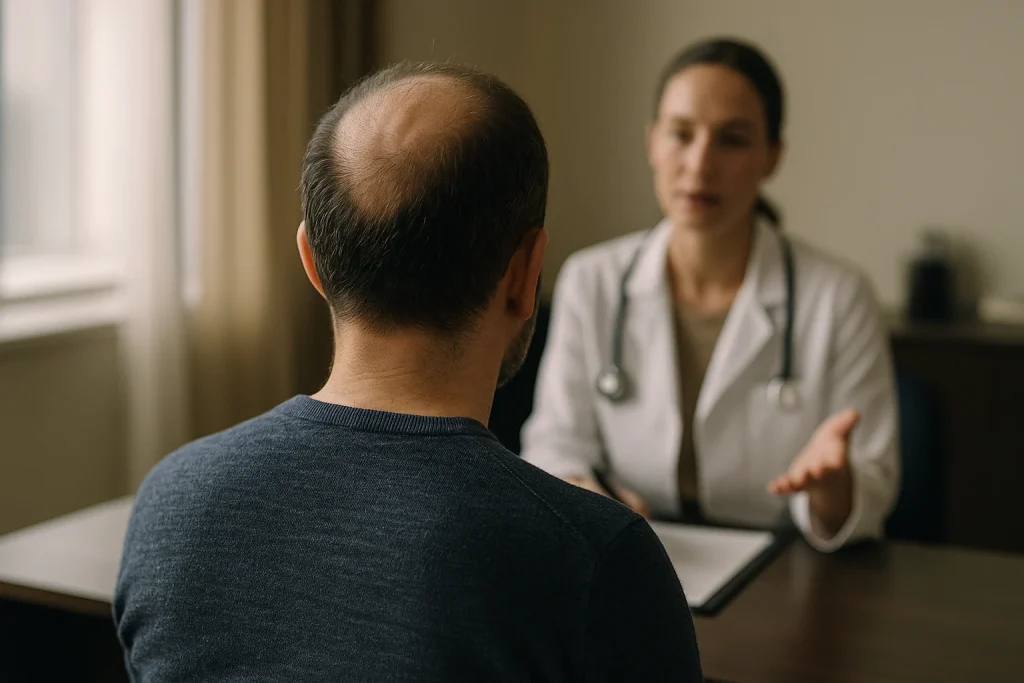
Finasteride can help slow or stabilise androgenetic hair loss while it is being used, but long-term treatment requires regular review of benefits and tolerability. Long term side effects of finasteride may include sexual, mood, breast, fertility, and prostate screening considerations, although experiences differ between patients and your doctor will confirm what is appropriate for you.
- Finasteride is commonly used for androgenetic hair loss because it lowers the hormone activity linked with follicle miniaturisation.
- Most treatment benefits depend on continued use, so long-term planning is an important part of treatment.
- Possible side effects should be discussed before starting treatment and reviewed if they develop at any time.
- Changes in sexual function, mood, breast tissue, fertility plans, or prostate screening should be shared with a qualified doctor.
- A doctor-reviewed hair assessment can help distinguish androgenetic hair loss from other causes of shedding.
01How finasteride supports long-term hair loss management
Finasteride is an oral medicine used in many countries to manage androgenetic alopecia, also called male pattern hair loss. Questions about long term side effects of finasteride are important because hair loss treatment is usually a continuing process rather than a short course. The medicine works by reducing the conversion of testosterone into dihydrotestosterone, or DHT. In genetically sensitive scalp follicles, DHT can gradually shorten the growth phase and make hairs finer over time.
For many suitable patients, lowering DHT activity can help slow further miniaturisation and support the appearance of existing hair. The response is variable. Some people notice less shedding or improved density, while others mainly aim to maintain the hair they already have. A doctor will consider the pattern of hair loss, medical history, current medicines, expectations, and examination findings before discussing whether finasteride may be suitable.
Hair growth follows a slow biological cycle. This means any benefit from medical management is generally assessed over months, not days or weeks. Early shedding can also have several possible causes, including normal hair cycling, recent illness, nutritional factors, scalp conditions, or progression of androgenetic alopecia. A clinical assessment can help clarify the likely cause instead of assuming that every change is caused by a treatment.
Long-term management also means setting realistic goals. Finasteride does not create a permanent cure for hereditary hair loss, and it may not restore areas where follicles have been inactive for a long period. If treatment is stopped, the hormonal effect reduces and hair loss may gradually return toward its untreated pattern. Your doctor can explain how this general principle may relate to your situation.
02Understanding long term side effects of finasteride
The long term side effects of finasteride are best considered in two parts: effects that can occur while taking the medicine and concerns that may need attention after stopping it. Not everyone experiences side effects, and many people tolerate treatment without major concerns. However, informed consent includes understanding possible effects before deciding whether to start or continue a medicine.
Sexual side effects are among the most discussed concerns. These can include reduced sexual desire, difficulty achieving or maintaining an erection, or changes in ejaculation. Such effects have been reported during finasteride use, and their timing, intensity, and duration can vary. If a change occurs, it is important not to dismiss it or self-manage it without guidance. A prescribing doctor can review other possible contributors, such as stress, sleep, vascular health, hormonal factors, alcohol use, or other medicines.
Some patients have reported sexual symptoms continuing after discontinuation. The relationship between persistent symptoms and finasteride remains an area of clinical discussion, and individual experiences should be taken seriously. There is no reliable way to predict in advance who may develop side effects or how long they may last. Prompt, open discussion with a qualified healthcare professional is the safest approach if symptoms are troubling.
The dose and reason for prescribing also matter. Finasteride can be prescribed in different strengths for different conditions, and advice for hair loss should not be assumed to apply to every use of the medicine. Never alter the dose, split tablets, stop treatment suddenly because of online advice, or use another person's prescription. Your own prescriber should confirm the treatment plan and any changes to it.
03Sexual function, mood, and other tolerability signals
When considering long-term use, sexual wellbeing is only one part of the conversation. People may also ask about energy, emotional wellbeing, concentration, sleep, and general quality of life. Depression and changes in mood have been reported in connection with finasteride in some patients. These symptoms can have many causes, but they should be assessed carefully rather than ignored.
A person who develops low mood, anxiety, depressive symptoms, or unusual changes in thoughts or behaviour while using finasteride should contact a doctor promptly. Urgent medical help is needed for thoughts of self-harm or suicide. This is a general safety message, not a statement that these effects will occur. A clinician can assess the situation, consider other health factors, and advise on appropriate next steps.
Breast tenderness, enlargement, lumps, nipple discharge, or breast pain are also symptoms that warrant medical review. Although these concerns are uncommon, any new breast change should be discussed promptly and examined where appropriate. Do not assume it is harmless or wait for a routine hair appointment if there is a new lump, discharge, or significant pain.
Good tolerability monitoring begins with an honest baseline discussion. Before treatment, it can be useful to consider existing sexual difficulties, mood conditions, fertility concerns, liver disease, medication use, and previous reactions to medicines. This does not automatically rule out treatment. It helps the doctor weigh potential benefits and risks with clearer information.
04Fertility, pregnancy exposure, and family planning
Finasteride may be relevant to fertility planning, particularly for people who are trying to conceive or expect to do so in the near future. Some studies and clinical reports have described changes in semen parameters in certain users, while others may have no noticeable effect. The clinical meaning can differ widely, especially because fertility is influenced by many factors beyond one medicine.
If conception has not occurred as expected, or if there is a known fertility concern, the prescribing doctor should be informed. They may review the wider health picture and decide whether a medication review, a period off treatment, or referral for fertility assessment is appropriate. It is not possible to predict fertility effects from hair loss severity or from how long someone has used finasteride alone.
Finasteride tablets should not be handled by people who are pregnant or may become pregnant if the tablets are crushed or broken, because exposure to the active ingredient could pose a risk to a male fetus. Intact film-coated tablets are designed to limit contact during normal handling, but product instructions and medical advice should always be followed. A healthcare professional can explain relevant precautions for a household or partner.
Family planning conversations are often easier before treatment starts, but they remain useful at any stage. Let your doctor know if your plans change. This allows the hair loss plan to be reviewed in a calm and structured way instead of making rushed decisions after a concern has developed.
05Monitoring long term side effects of finasteride over time
Regular review gives patients a practical way to monitor long term side effects of finasteride alongside hair outcomes. A review may include questions about sexual function, mood, breast symptoms, general health changes, new medicines, and treatment satisfaction. The timing of follow-up depends on the prescribing setting, medical history, and any symptoms that arise.
Finasteride can lower prostate-specific antigen, known as PSA, a blood marker that may be used in prostate health assessment. This does not mean finasteride causes prostate cancer, but it can affect how PSA results are interpreted. Anyone using finasteride should tell the healthcare professional arranging or interpreting a PSA test. Your doctor can take the medicine into account when considering the result and deciding whether further assessment is needed.
Keeping a simple record can be useful. Notes may include when treatment began, changes in shedding, scalp photographs taken in similar lighting, any symptoms, and other health events. This record is not a substitute for medical review, but it can help make appointments more focused. Avoid checking the hairline daily, as normal variation in styling, light, and hair length can create misleading impressions.
Do not wait for a scheduled review if you experience a concerning symptom. New breast changes, severe mood symptoms, an allergic-type reaction, or other significant health changes need timely medical advice. Conversely, a symptom is not always caused by finasteride. A clinician can help explore possible causes without making assumptions.

06What may happen if finasteride is stopped
Many people want to know whether they can take finasteride until their hair feels stable and then stop permanently. In most patients, the medicine’s effect on DHT depends on continued use. Once it is stopped, DHT activity returns toward the person’s usual level, and genetically sensitive follicles may again miniaturise over time. This can lead to renewed shedding or gradual loss of the hair maintained during treatment.
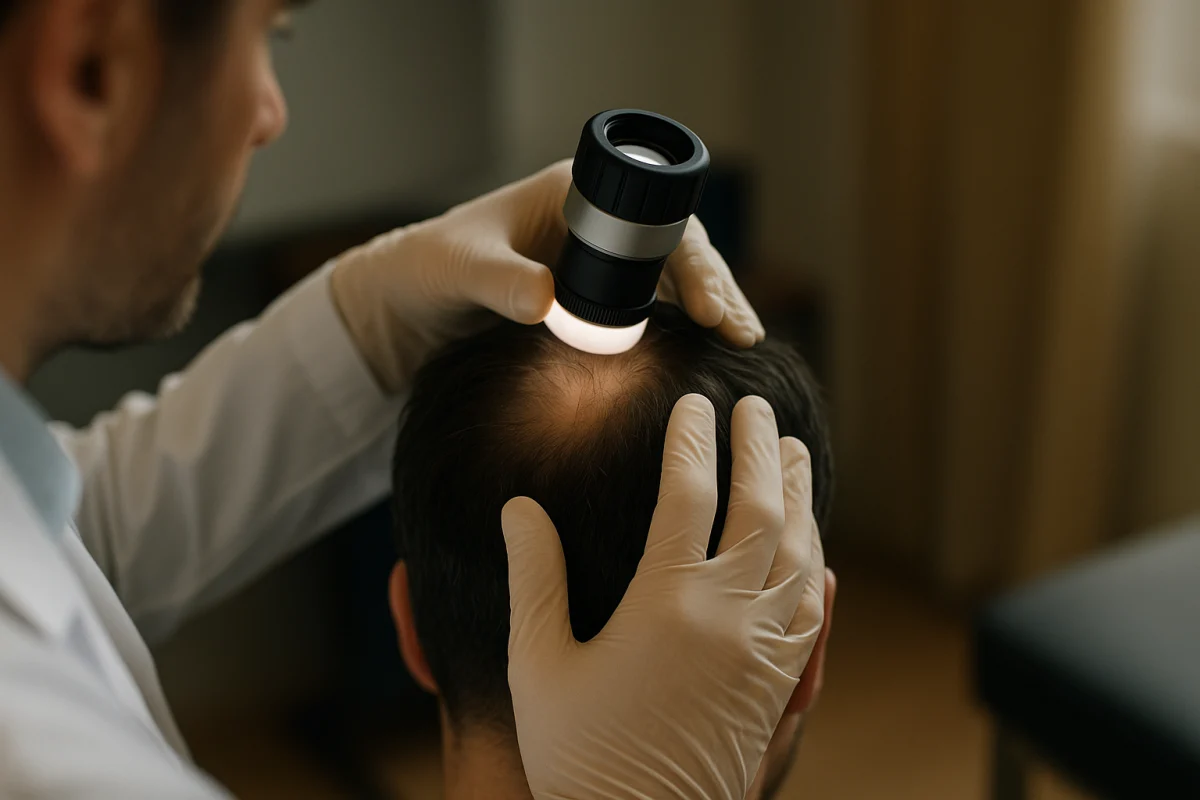
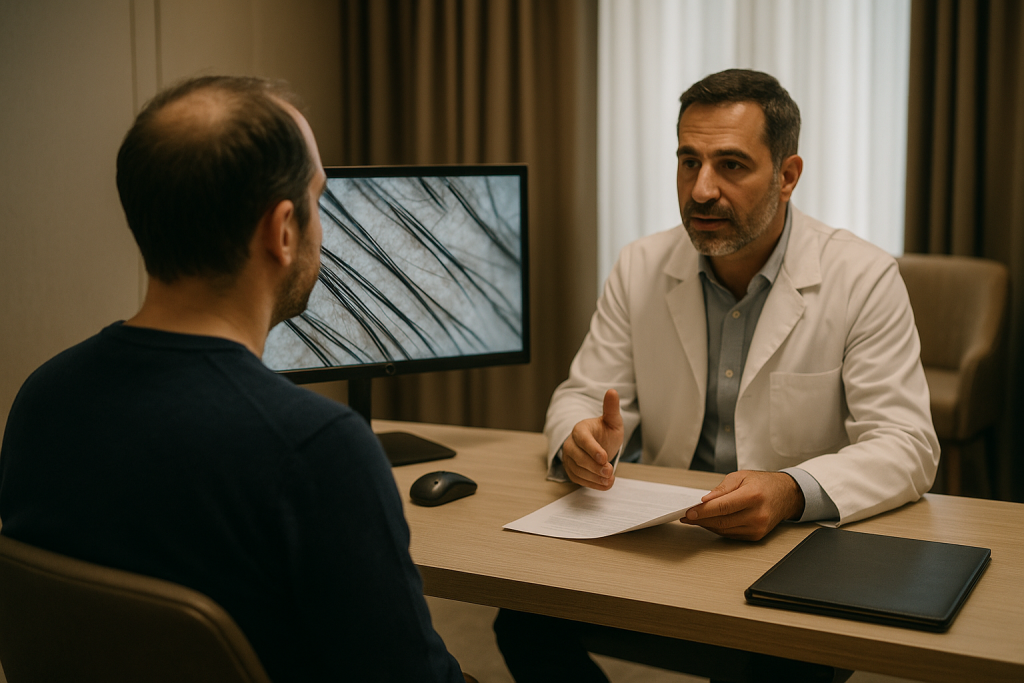
The pace of change after stopping varies. Some individuals notice increased shedding within months, while others see a slower change. Hair loss may also continue because androgenetic alopecia naturally progresses with age. For this reason, it can be difficult to separate the effects of stopping treatment from the underlying condition without clinical review and consistent photographs or trichoscopic assessment.
If side effects occur, stopping or changing treatment should be discussed with the prescribing doctor whenever possible. This is especially important if the medicine was prescribed alongside other treatments or if there are relevant health conditions. The clinician may recommend observation, further assessment, or an alternative approach based on the reason for treatment and the nature of the symptoms.
A planned discussion can also prevent unnecessary anxiety. Some patients decide that maintaining hair density is a priority, while others prefer to avoid ongoing medication exposure. Neither choice should be framed as universally right. The appropriate decision depends on potential benefit, side-effect experience, personal priorities, and medical guidance.
07Building a wider plan for androgenetic hair loss
Finasteride is one option within a broader hair loss management plan. A thorough assessment should first confirm that the pattern is consistent with androgenetic alopecia. Sudden, patchy, inflamed, or rapidly worsening hair loss can point to another issue and may require a different evaluation. Treating the wrong cause can delay appropriate care and create avoidable worry.
Depending on the assessment, a doctor may discuss topical treatments, scalp care, lifestyle factors, blood tests where clinically indicated, or procedural options. Hair transplantation may be considered for suitable patients with stable donor hair and realistic expectations, but it does not stop the ongoing miniaturisation of non-transplanted hair. Medical planning before and after a procedure can therefore be an important topic.
At Acibadem Hair Transplant Center, a dedicated hair restoration clinic in Istanbul licensed by the Turkish Ministry of Health, patients can request a free online hair analysis reviewed by doctors. The assessment can help identify the visible pattern of hair loss and guide an informed conversation about available management options. It does not replace an in-person medical examination when one is needed.
For patients exploring surgical restoration, Sapphire FUE and DHI techniques are available following suitability assessment. Treatment plans should be individual, and no procedure or medicine can promise the same outcome for every patient. Clear expectations, medical history review, and appropriate follow-up are central to safer long-term hair loss management.
08Frequently Asked Questions
Are long-term finasteride side effects common?
Not everyone experiences side effects, and individual tolerance varies. A doctor can explain recognised risks, review your health history, and advise what symptoms should be reported during treatment.
Can finasteride side effects continue after stopping the medicine?
Some patients have reported persistent sexual or mood-related symptoms after discontinuation, although the relationship and duration can be difficult to predict. Any continuing symptom should be evaluated by a qualified healthcare professional.
Does finasteride affect fertility?
Finasteride may affect semen parameters in some individuals, which can be relevant during fertility planning. If you are trying to conceive or have fertility concerns, discuss this with your prescribing doctor before making treatment changes.
Do I need blood tests while taking finasteride for hair loss?
Routine testing is not the same for every patient. Your doctor will decide whether tests are appropriate based on your age, medical history, symptoms, and prostate health considerations, including PSA interpretation.
Will my hair fall out if I stop finasteride?
In many patients, hair that was maintained with finasteride may gradually be lost after stopping because DHT activity returns. The timing and extent vary, so discuss any plan to stop with your doctor.
This article is for general information only and is not a substitute for professional medical advice.
 06
06 12
12