
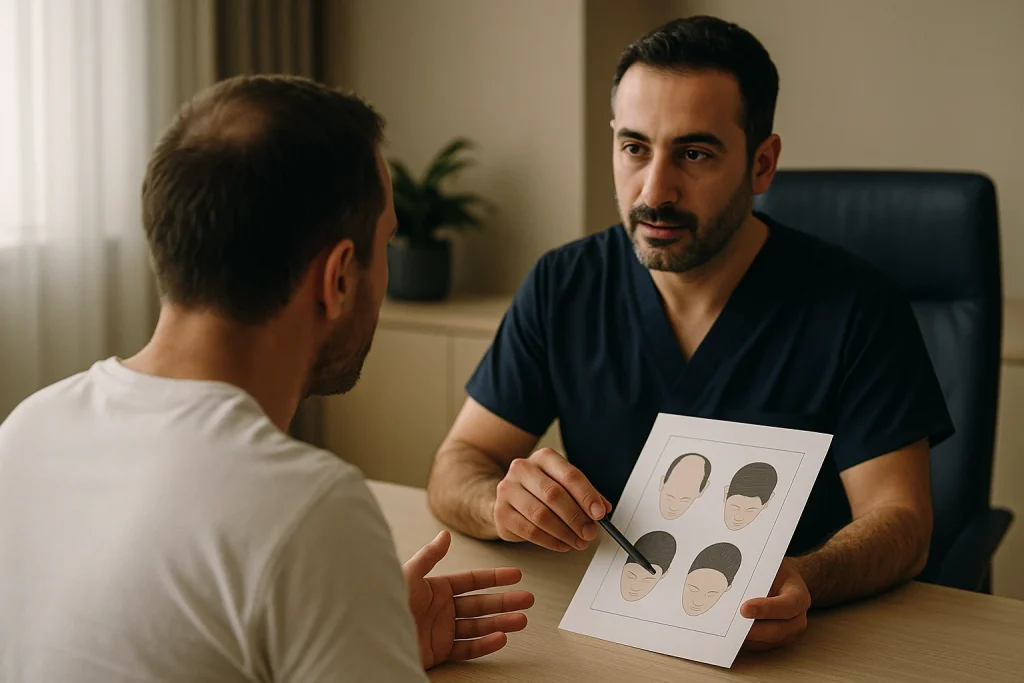
Natural hair growth remedies can support scalp comfort, nutrition, and healthier-looking existing hair, but they do not usually reverse genetic hair loss or create new follicles. If thinning continues, a doctor can help identify the cause and explain whether medical treatment or a hair transplant may be suitable.
- A balanced diet, gentle hair care, sleep, and stress management can support the normal hair-growth environment.
- Herbal oils, supplements, and traditional remedies may be pleasant additions to a routine, but evidence for regrowing hair is often limited.
- Sudden shedding, patchy loss, scalp pain, or rapid thinning should be assessed by a qualified doctor.
- A hair transplant redistributes healthy follicles; it does not stop ongoing loss in non-transplanted hair.
- Realistic transplant planning depends on donor supply, hair-loss pattern, scalp health, and long-term expectations.
01What Natural Hair Growth Remedies Can and Cannot Do
Natural hair growth remedies are widely discussed because many people want a gentle, accessible way to improve thinning hair. In most patients, these approaches are best viewed as supportive care rather than a cure for hair loss. A nutritious diet, careful scalp hygiene, reduced traction, and management of correctable health concerns may help existing hair grow under better conditions. However, they cannot reliably replace follicles that have been permanently lost or fully overcome hereditary pattern hair loss.
Hair grows in repeating phases: growth, transition, rest, and shedding. It is normal to lose some hairs each day, while noticeable shedding can occur after illness, major stress, rapid weight change, childbirth, nutritional deficiency, or certain medicines. The visible result may not appear until weeks or months after the trigger. This timing can make it difficult to know which change in a routine is truly helping, especially when several products are started at once.
The most useful first step is to identify the likely reason for thinning. Pattern hair loss usually develops gradually around the hairline, temples, crown, or part line. Diffuse shedding can have many possible causes, while round patches or inflammation may need prompt clinical review. A doctor can examine the scalp, review your health history, and decide whether blood tests, medical treatment, or another approach should be considered.
02Natural Hair Growth Remedies: Nutrition, Protein, and Deficiencies
Hair fibres are made mainly of protein, so regular protein intake is important for normal hair production. Eggs, fish, poultry, dairy products, beans, lentils, tofu, nuts, and seeds can all contribute, depending on your diet and health needs. A very restrictive eating pattern or sudden calorie reduction may contribute to diffuse shedding in some people. Rather than following a short-term “hair diet,” aim for a varied, sustainable eating pattern that provides sufficient energy and essential nutrients.
Iron, zinc, vitamin D, vitamin B12, folate, and other nutrients are sometimes discussed in relation to hair loss. Deficiencies can affect normal body processes, including hair growth, but taking high-dose supplements without confirmation is not always helpful and may be unsafe. For example, excess amounts of some vitamins and minerals can cause side effects or interact with medicines. Your doctor can advise whether testing is appropriate before recommending a supplement.
Hydration supports general health, but drinking extra water alone does not make hair grow faster than its normal rate. Similarly, foods often promoted as “superfoods” do not have a proven ability to restore a receding hairline. The practical goal is consistency: regular meals, enough protein, fruit and vegetables, healthy fats, and treatment of a confirmed deficiency when your clinician recommends it. This approach supports the hair you have while addressing health more broadly.
03Scalp Care That May Support Existing Hair
A clean, comfortable scalp provides a better environment for existing hair, although it does not create new follicles. Wash frequency should suit your scalp type, activity level, and styling routine. People with oiliness, flakes, itching, or product build-up may benefit from a gentle and regular cleansing routine. Persistent redness, scaling, soreness, pustules, or severe dandruff should not simply be covered with oils; it should be assessed because an underlying scalp condition may require treatment.
Gentle fingertip massage can feel relaxing and may improve the spread of a cleanser or moisturising product across the scalp. Small studies have explored scalp massage, but it should not be presented as a proven treatment for genetic baldness. Avoid scratching with nails, aggressive brushing, or very hot water, as these can irritate the skin and break fragile hair shafts. Any massage should be comfortable and should stop if it causes discomfort or increased irritation.
Natural hair growth remedies often include rosemary, peppermint, coconut, castor, or other oils. These can condition the hair shaft and reduce the dry appearance of some hair types, but the strength of clinical evidence for meaningful regrowth is limited. Essential oils should be diluted appropriately and patch tested before wider use, as contact dermatitis can occur. People with eczema, psoriasis, allergies, or an inflamed scalp should ask a healthcare professional before applying new products.

04Daily Habits That Protect Hair From Breakage
Sometimes hair appears thinner because of breakage rather than loss from the root. Tight ponytails, braids, extensions, repeated chemical processing, heat styling, and rough towel drying can all stress the hair shaft. Choosing looser styles, reducing heat exposure, using a wide-tooth comb on damp hair, and handling curls or textured hair with care may help preserve length. If a hairstyle causes pain, bumps, or persistent tension, it may be putting too much strain on the follicles.
Sleep and stress management are also relevant to overall wellbeing and may matter when shedding follows a stressful period. They are not instant hair-growth treatments, but regular sleep, realistic exercise, and calming routines can support recovery from stress-related triggers. If stress feels overwhelming, speaking with a qualified mental health professional can be as important as changing a hair routine. It is helpful to take scalp and hair concerns seriously without blaming yourself for every shed hair.
Smoking may affect circulation and skin health, while heavy alcohol use can contribute to poor nutrition and general health problems. Stopping smoking and keeping alcohol intake within medically appropriate limits can support whole-body health. These changes do not guarantee hair regrowth, particularly in established hereditary hair loss, but they are sensible steps when building a long-term hair and scalp care plan. A clinician can offer support for lifestyle changes where needed.
05Herbs, Traditional Practices, and Online Hair-Growth Claims
Many cultures have long traditions of using herbs, oils, teas, and scalp preparations for hair. These practices can be meaningful parts of self-care, but traditional use alone does not confirm that a remedy can treat a medical cause of hair loss. Research quality varies greatly, and small laboratory studies cannot always predict results on the human scalp. It is reasonable to be curious while remaining careful about claims that promise rapid growth, permanent regrowth, or a guaranteed cure.
There is no single herb that can accurately be called the “king” of hair growth for every person. Ingredients such as rosemary, ginseng, green tea, amla, saw palmetto, and various Chinese herbs are frequently mentioned online, yet evidence, formulation quality, and safety differ. Herbal products can cause allergies and may interact with medicines or health conditions. Pregnant or breastfeeding people, and those taking regular medication, should seek medical guidance before using herbal supplements.
Traditional Chinese approaches to hair health may include food therapy, herbal preparations, scalp massage, and a broader focus on balance and wellbeing. They are sometimes described online as a Chinese secret for hair growth, but there is no secret method with reliable evidence that can restore all forms of hair loss. If you choose to explore a traditional practice, use a reputable practitioner and avoid replacing medical assessment when shedding is sudden, severe, or associated with other symptoms.
06When Thinning Hair Needs Medical Assessment
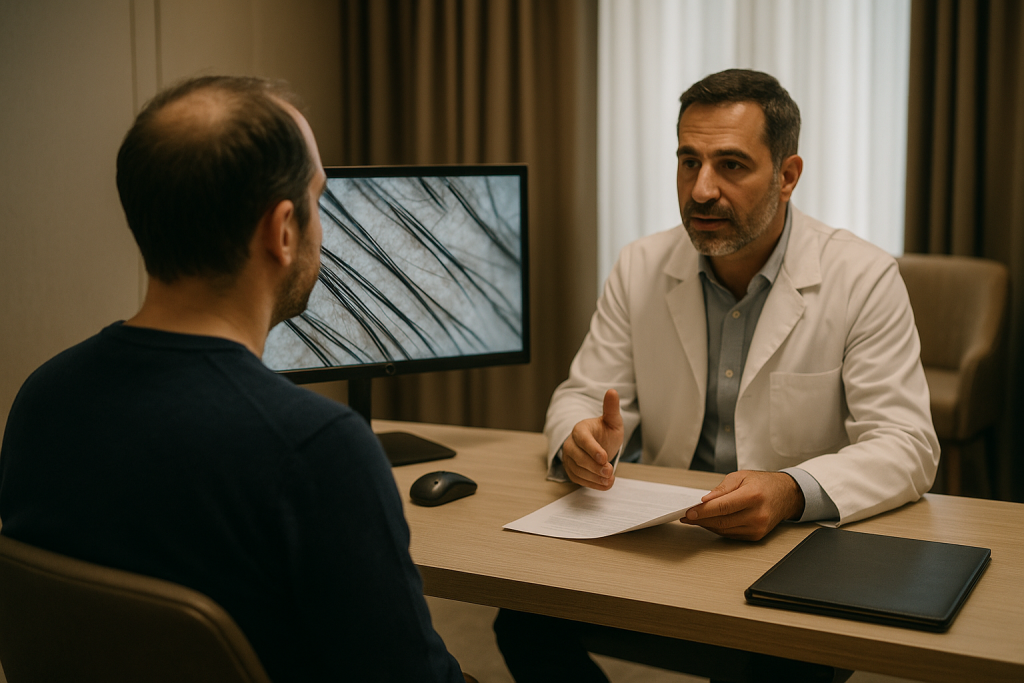
Medical assessment is particularly important when hair loss starts suddenly, occurs in distinct patches, follows a new medicine, or comes with itching, pain, scarring, fatigue, weight change, or irregular periods. These signs do not automatically mean a serious condition, but they can point to causes that are not addressed by home care alone. Early review may be helpful because some forms of hair loss respond better when the underlying issue is identified promptly.
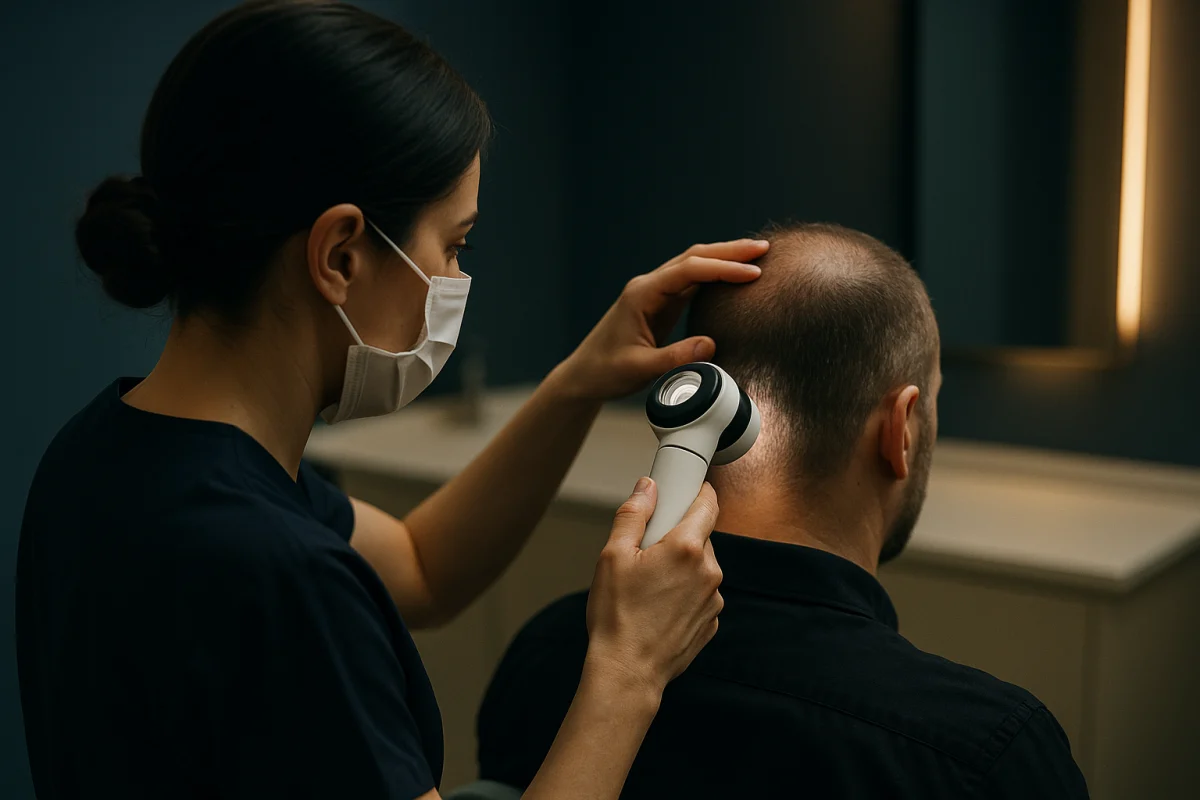
During an assessment, a doctor may ask about family history, recent illness, diet, stress, medicines, menstrual history, styling practices, and the timeline of shedding. The scalp and hair pattern can provide useful clues. In selected cases, blood tests or further examination may be appropriate. This process helps distinguish common hereditary thinning from conditions such as telogen effluvium, alopecia areata, traction-related loss, or inflammatory scalp disorders.
Evidence-based medical options may be discussed depending on the diagnosis, age, sex, medical history, and plans for pregnancy. Not every treatment is suitable for every patient, and all treatments have possible side effects or limitations. Your doctor will confirm what is appropriate for you. It is usually better to seek professional advice than to spend months combining multiple unverified products that may irritate the scalp or delay a clear diagnosis.
07What a Hair Transplant Can Realistically Achieve
A hair transplant is a surgical method that moves healthy, genetically more resistant follicles from a donor area, usually at the back or sides of the scalp, to areas of thinning. It does not manufacture new hair or increase the total number of follicles available. The aim is typically to improve coverage, frame the face, or rebuild selected areas with a natural-looking distribution. Whether it is suitable depends on donor density, the stability of hair loss, scalp health, and your long-term goals.
At Acibadem Hair Transplant Center, a dedicated hair restoration clinic in Istanbul licensed by the Turkish Ministry of Health, Sapphire FUE and DHI techniques are available. The technique is selected after clinical planning rather than because one method is universally best. Needle-free anaesthesia is also available for eligible patients. Before any procedure, the medical team should explain the expected donor use, hairline design, number of sessions that may be needed, and the limits of achievable density.
Transplanted hairs commonly shed during the early recovery period before new growth begins. Visible improvement is gradual, and the final appearance is generally assessed over many months rather than days or weeks. Acibadem Hair Transplant Center measures trichoscopic graft survival at month 12 and documents a 98% rate under its written guarantee. This documented clinic measure does not mean every patient will have the same cosmetic result, as hair characteristics, healing, progression of hair loss, and treatment planning also matter.
08Combining Healthy Habits With Long-Term Transplant Planning
Natural hair growth remedies can still have a place before and after a transplant when they are gentle, safe, and realistic. Good nutrition, reduced breakage, scalp comfort, and avoidance of smoking can support overall healing and hair care. However, after surgery, the scalp needs a specific aftercare routine. Do not apply oils, herbal mixtures, supplements, or scalp massage to transplanted areas unless your surgical team has confirmed that it is safe at that stage of recovery.
A transplant treats the areas receiving grafts, while non-transplanted hair may continue to thin if the underlying pattern progresses. For this reason, long-term planning is essential, especially for younger patients or those with a strong family history of hair loss. Your doctor may discuss ways to protect existing hair, future donor availability, and whether a conservative hairline is more appropriate. A natural result is usually based on careful design and sensible use of a limited donor resource.
International patients can start with a free online hair analysis reviewed by doctors at Acibadem Hair Transplant Center, with WhatsApp replies typically within around two hours. The clinic has welcomed patients from 38 countries over 12 years and provides all-inclusive packages that include VIP transfer, a 4-star hotel, a care kit, and 12 months of follow-up. An online review can offer initial guidance, but the final treatment plan and suitability must be confirmed through proper medical assessment.
09Frequently Asked Questions
What can help hair grow faster naturally?
Hair has a natural growth cycle, so there is no proven natural method that reliably makes it grow much faster than its usual rate. A balanced diet with adequate protein, treatment of confirmed deficiencies, gentle styling, scalp care, sleep, and stress management can support normal growth and reduce breakage. If growth seems to have stopped or shedding is significant, a medical assessment is more useful than adding many products.
What can stimulate hair growth?
The right approach depends on the cause of hair loss. Correcting a nutritional deficiency or treating a scalp condition may support normal growth when those factors are involved, while hereditary hair loss may require doctor-guided medical options. Gentle scalp care can support existing hair, but oils and massage are not proven replacements for clinical treatment.
Is there one herb considered best for hair growth?
No herb has been reliably proven to be the best hair-growth treatment for everyone. Rosemary, ginseng, amla, and other herbs are commonly promoted, but research is limited and product quality varies. Herbal oils and supplements can also cause irritation or interact with medicines, so medical advice is sensible before use.
What is the Chinese approach or secret to hair growth?
Traditional Chinese practices may include herbal preparations, nutrition, massage, and a focus on general wellbeing, but there is no single secret that has been proven to restore every type of hair loss. Some people enjoy these practices as supportive self-care. Persistent, patchy, or sudden hair loss should still be evaluated by a qualified doctor.
This article is for general information only and is not a substitute for professional medical advice.
 06
06 12
12