
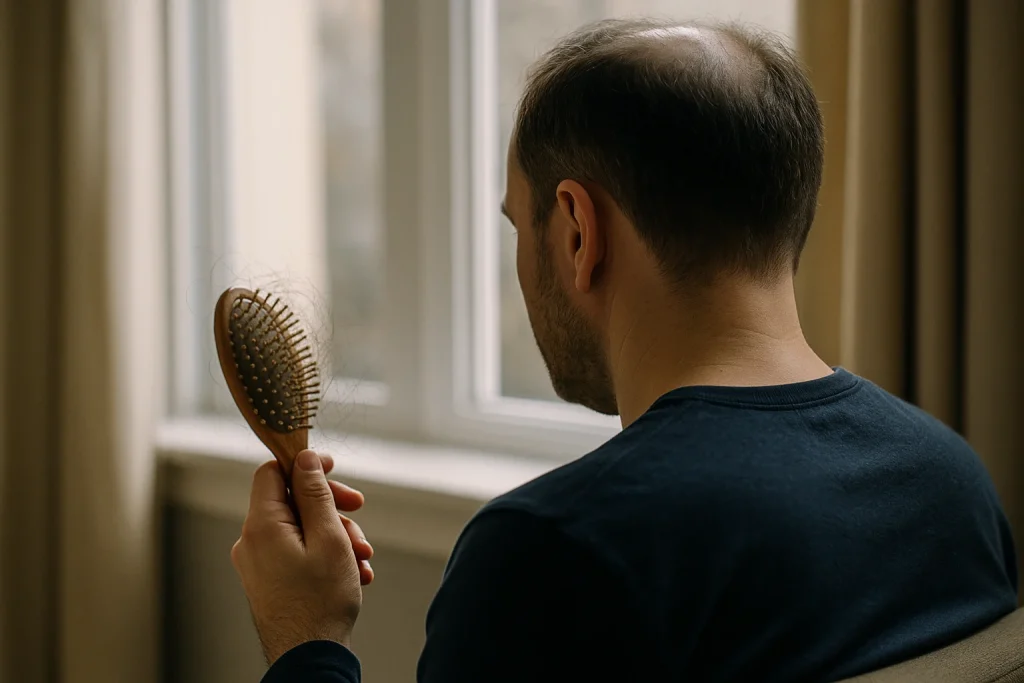
Yes, does stress cause hair loss is a valid concern: significant physical or emotional stress can trigger temporary diffuse shedding, often called telogen effluvium. In many patients, shedding improves after the trigger settles, but persistent loss or an underlying pattern of hair thinning should be assessed before planning a hair transplant.
- Major physical or emotional stress can shift more hairs into the resting phase and lead to noticeable shedding several weeks or months later.
- Stress-related shedding is often temporary, but recovery depends on the trigger, nutritional status, medical history, and any underlying genetic hair loss.
- A hair transplant is usually planned after active diffuse shedding and its cause have been properly assessed and stabilised.
- Healthy sleep, balanced nutrition, gentle hair care, and professional support for stress may support overall hair health, but they do not replace medical evaluation.
- A doctor-led scalp assessment can help distinguish temporary shedding from pattern hair loss, scalp disease, or another medical cause.
01Stress-related shedding: what may be happening to your hair
The question “does stress cause hair loss” has a clinically meaningful answer: it can, especially when the body experiences a major physical or emotional strain. Stress does not usually make individual hairs fall out instantly. Instead, it may interrupt the normal hair-growth cycle and move a larger number of follicles into a resting stage. When those resting hairs are released later, you may notice extra hair in the shower, on your pillow, or while brushing.
This form of shedding is commonly known as telogen effluvium. It typically causes diffuse loss, meaning hair appears to shed from across the scalp rather than from one sharply defined area. Common triggers can include a serious illness, fever, surgery, rapid weight change, childbirth, sleep disruption, a difficult life event, or prolonged psychological pressure. Not everyone who experiences stress develops visible shedding, and the amount of hair loss can vary considerably between individuals.
It is also important to remember that stress may occur alongside other factors. A person may have early genetic pattern hair loss, low iron stores, thyroid disease, a scalp condition, restrictive eating, or medication-related shedding at the same time. For this reason, it is best not to assume that stress is the only explanation, particularly if thinning is progressive, patchy, associated with scalp symptoms, or continues for many months.
02How stress can change the normal hair-growth cycle
Each hair follicle follows a cycle of active growth, transition, rest, and shedding. Most scalp hairs are normally in the active growth phase. After a substantial trigger, more follicles than usual may enter the resting phase together. Since resting hairs can remain in place for a period of time, the increase in shedding often becomes noticeable around two to three months after the stressful event rather than on the same day.
When people ask “does stress cause hair loss,” they are often referring to the effects of stress hormones, including cortisol. Cortisol is part of the body’s normal stress response and is not, by itself, a diagnosis of hair loss. Long-term stress may influence sleep, appetite, inflammation, and immune function, all of which can affect general wellbeing and possibly hair cycling. A doctor will consider the wider clinical picture rather than attributing hair loss to one hormone alone.
Stress may also make an existing hair concern more noticeable. For example, genetic hair thinning can gradually reduce density at the temples, hairline, crown, or part line. A period of telogen shedding may temporarily uncover this underlying pattern. The distinction matters because temporary diffuse shedding and pattern hair loss can have different outlooks, monitoring needs, and treatment options.
03Signs that suggest temporary shedding or another cause
Stress-related telogen shedding often presents as increased daily hair fall from all areas of the scalp. The scalp usually looks healthy, without pain, thick scaling, pustules, or clear bald patches. Some people describe a reduction in ponytail volume or greater visibility of the scalp under bright light. Although the experience can be upsetting, the follicles are generally not permanently destroyed in uncomplicated telogen effluvium.
However, certain signs deserve prompt medical attention. These include sudden round or irregular bald areas, eyebrow or body-hair loss, scalp burning or itching, redness, heavy scaling, broken hairs, scarring, or hair loss accompanied by fatigue, menstrual changes, weight changes, or other health symptoms. These features may point to a different condition and should not be managed by assuming that stress is responsible.
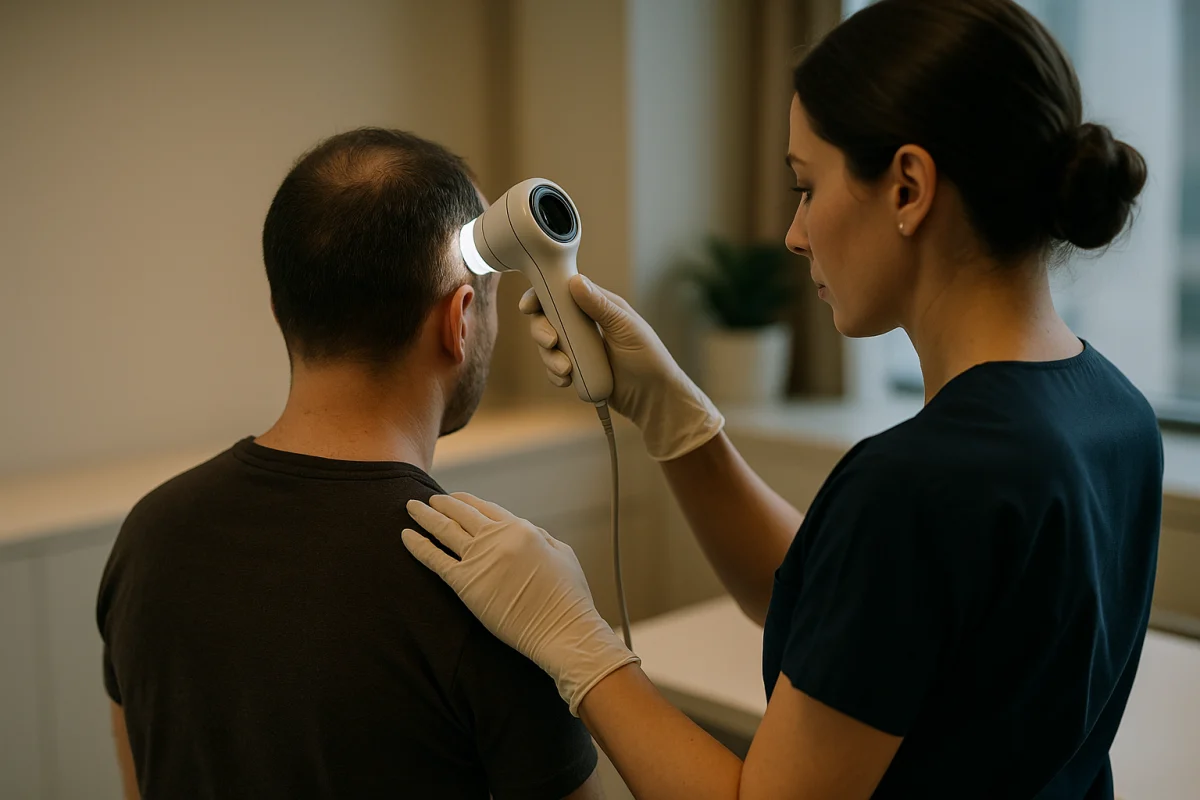
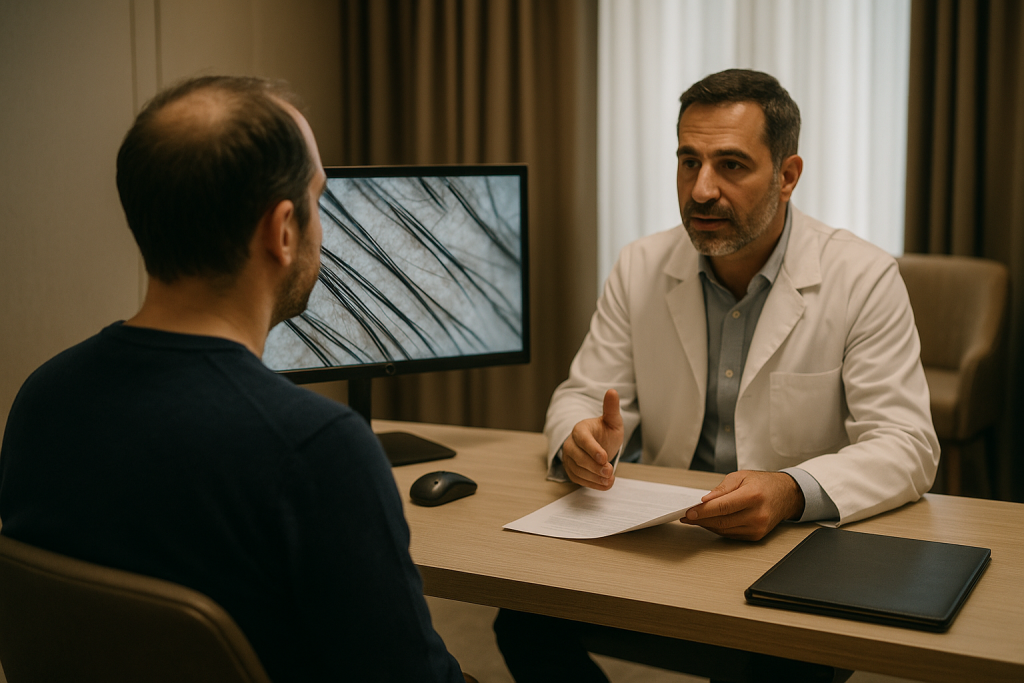
A medical assessment may include a discussion of recent illness, surgery, diet, family history, medicines, hormonal factors, and scalp symptoms. Depending on the findings, a clinician may suggest blood tests or further examination. Trichoscopic scalp assessment can also help identify changes in hair-shaft thickness, follicle activity, and the distribution of thinning. This information is particularly valuable when a patient is considering a future hair restoration procedure.
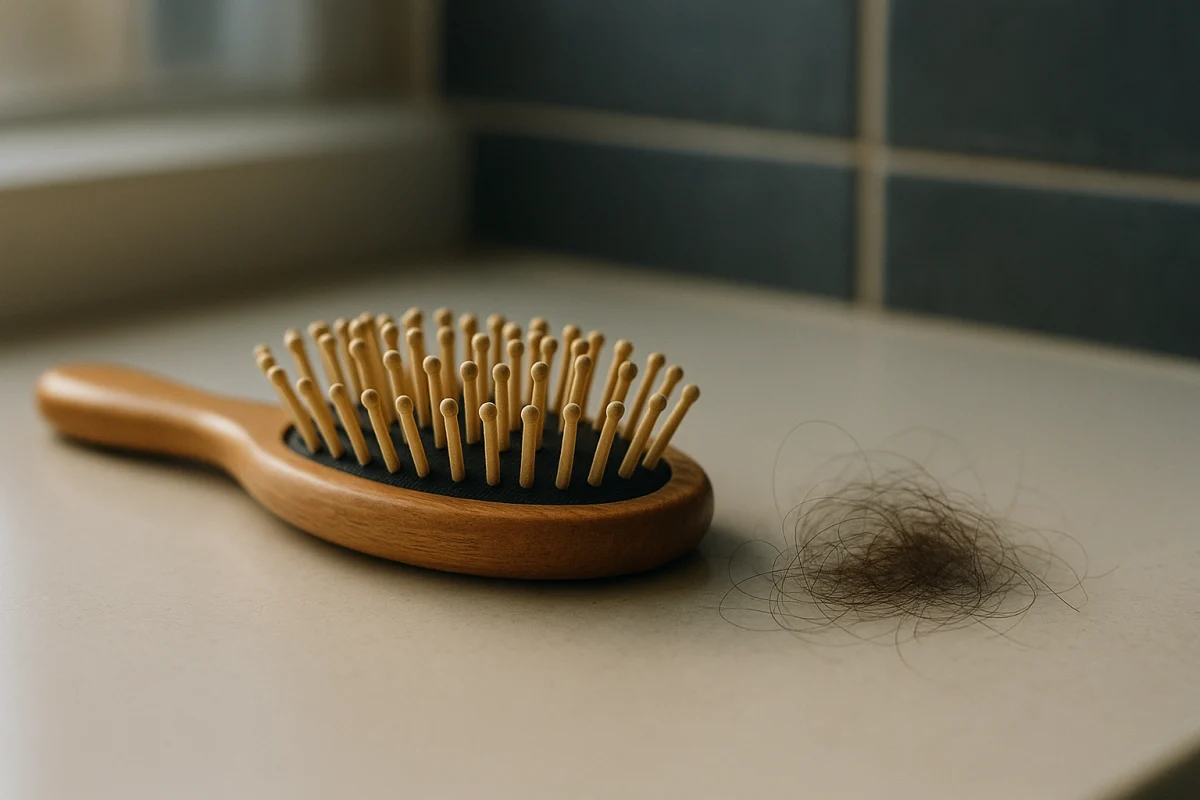
04Will hair shed from stress grow back? Recovery expectations
In many patients, hair loss linked to a temporary stress trigger gradually improves once the trigger has passed and the hair cycle resets. Shedding may settle before density looks fully restored because new hairs need time to grow long enough to create visible coverage. This process can take several months, and recovery may feel slow even when new growth is beginning. Hair texture and density can also appear temporarily different during regrowth.
The outlook is less predictable when the trigger remains active, when nutritional needs are not being met, or when another type of hair loss is present. Ongoing sleep deprivation, repeated illness, severe dietary restriction, or untreated medical conditions may prolong shedding. Genetic pattern hair loss can also continue independently of a stressful event. Your doctor can help clarify whether the pattern appears consistent with recovery, ongoing telogen effluvium, or a separate hair-loss process.
Trying to judge recovery by counting individual shed hairs is rarely reliable. More useful indicators include whether shedding is decreasing over time, whether the part line or hairline is becoming more stable, and whether short new hairs are visible in thinning areas. Consistent photographs taken under the same lighting can be helpful, but they should support rather than replace professional assessment when hair loss is significant or persistent.
05Does stress cause hair loss? What it means for transplant timing
Does stress cause hair loss? It may, and this matters when deciding whether now is the right time for a hair transplant. A transplant redistributes healthy follicles from the donor area to areas of thinning; it does not correct the reason for active diffuse shedding. If many native hairs are currently shedding, it can be difficult to judge the true pattern of permanent hair loss and to design a careful, long-term hairline or density plan.
In most cases, doctors prefer to understand the cause of active shedding before proceeding with surgery. They may recommend observation, scalp monitoring, treatment of an identified medical issue, or a period of stabilisation first. This is not necessarily a permanent barrier to transplantation. It is a way to avoid planning a procedure based on a temporary change in density or an unclear diagnosis.
Transplant timing also depends on the quality and stability of the donor area, the pattern of thinning, age, family history, and realistic coverage goals. A patient with established, stable pattern hair loss may be a suitable candidate even if they have experienced a stressful period, but this must be confirmed through an individual evaluation. No online article can determine candidacy or guarantee how a person’s hair loss will progress.
06Why waiting for stability can support better planning
During active diffuse shedding, the scalp can look less dense than it will after recovery. If surgery is performed before the situation is clear, a patient may later regain some of the native hair that seemed absent at the consultation. This can affect decisions about graft placement, density distribution, and the amount of donor hair reserved for future needs. Careful timing is therefore part of responsible surgical planning, not simply a delay.
There may also be practical reasons to allow time for physical and emotional recovery after a major stressor, illness, or operation. Hair transplantation requires aftercare, patience, and follow-up. Patients should be able to follow post-procedure instructions and maintain a stable routine where possible. A doctor will assess whether current health, scalp condition, and expectations are appropriate for the procedure.
At Acibadem Hair Transplant Center, a dedicated hair restoration clinic in Istanbul licensed by the Turkish Ministry of Health, online hair analysis is reviewed by doctors before travel planning. This review can help identify questions that require further assessment. For suitable candidates, Sapphire FUE and DHI techniques are available, while the final technique and timing are determined according to the individual scalp and donor assessment.
07Supporting hair health while stress-related shedding settles
There is no single natural method that can reliably stop every form of hair loss. However, supportive habits can help create better conditions for normal hair growth. These usually include eating enough protein and a varied diet, avoiding extreme calorie restriction, staying hydrated, protecting regular sleep, and using gentle hair-care practices. Tight hairstyles, repeated bleaching, excessive heat, and aggressive brushing can add breakage to hair that is already shedding.
Stress management can also be valuable for overall health. Regular movement, relaxation exercises, time outdoors, counselling, and a consistent sleep schedule may help some people cope with prolonged pressure. These approaches are not a substitute for medical treatment where it is needed, and they should not be viewed as a guaranteed way to regrow hair. If anxiety, low mood, or sleep problems are severe, professional mental-health support is important.
Supplements are often marketed for hair growth, but they are not automatically appropriate or effective for everyone. Taking high doses of vitamins or minerals without evidence of a deficiency can be unhelpful and may occasionally cause harm. A clinician can advise whether testing is indicated and whether a documented deficiency needs correction. Prescription or medical treatments may be considered for some causes of hair loss, but suitability depends on diagnosis, health history, and doctor guidance.
08When to arrange a professional hair-loss assessment
Consider arranging a medical review if shedding is heavy, lasts longer than expected, keeps returning, or is accompanied by visible thinning. An assessment is also advisable before booking a hair transplant when there has been a recent illness, major life event, rapid weight change, pregnancy-related change, or concern about a scalp condition. Early clarification can reduce uncertainty and help protect the available donor hair for the future.
A good consultation should discuss your medical history, the course of hair loss, family history, scalp findings, and expectations. It should also explain that transplanted hair and existing native hair can behave differently over time. The question “does stress cause hair loss” is only one part of a complete evaluation. A safe plan considers whether the loss is temporary, progressive, mixed, or related to a health issue that needs attention first.
International patients can request a free online hair analysis from Acibadem Hair Transplant Center, with doctor review and WhatsApp replies typically within around two hours. If a transplant is clinically appropriate, patients may discuss the clinic’s all-inclusive arrangements, including VIP transfer, a 4-star hotel, a care kit, and 12 months of follow-up. An online review is an initial step and does not replace the final in-person medical assessment.
09Frequently Asked Questions
Can stress-related hair loss grow back?
In many patients, temporary stress-related shedding improves after the underlying trigger settles and the hair cycle returns to normal. Visible density can take several months to improve because new hairs need time to grow. If shedding persists, becomes patchy, or reveals ongoing thinning in a typical pattern, a doctor should assess for another contributing cause.
How can I reduce shedding and encourage healthy regrowth naturally?
Supportive measures include adequate protein and balanced nutrition, regular sleep, gentle hair care, and practical stress-management habits. These measures may support overall hair health, but they cannot guarantee regrowth or treat every cause of hair loss. Avoid restrictive diets and unverified high-dose supplements, and seek medical advice if hair loss is substantial or ongoing.
How is hair loss linked with high cortisol or ongoing stress treated?
Cortisol-related hair loss is not usually diagnosed from symptoms alone, as stress can overlap with many other causes of shedding. Treatment typically focuses on identifying the type of hair loss, addressing the relevant trigger or medical condition, and supporting physical and mental wellbeing. A doctor may recommend tests, monitoring, or evidence-based treatment depending on the findings.
Which natural remedies may support hair growth?
A nutritious diet, sufficient protein, correction of confirmed nutrient deficiencies, gentle scalp and hair care, good sleep, and stress reduction can support normal hair growth conditions. Evidence for many herbal oils and home remedies is limited, and some products can irritate the scalp or interact with medicines. It is sensible to discuss persistent hair loss with a clinician rather than relying on natural remedies alone.
This article is for general information only and is not a substitute for professional medical advice.
 06
06 12
12