
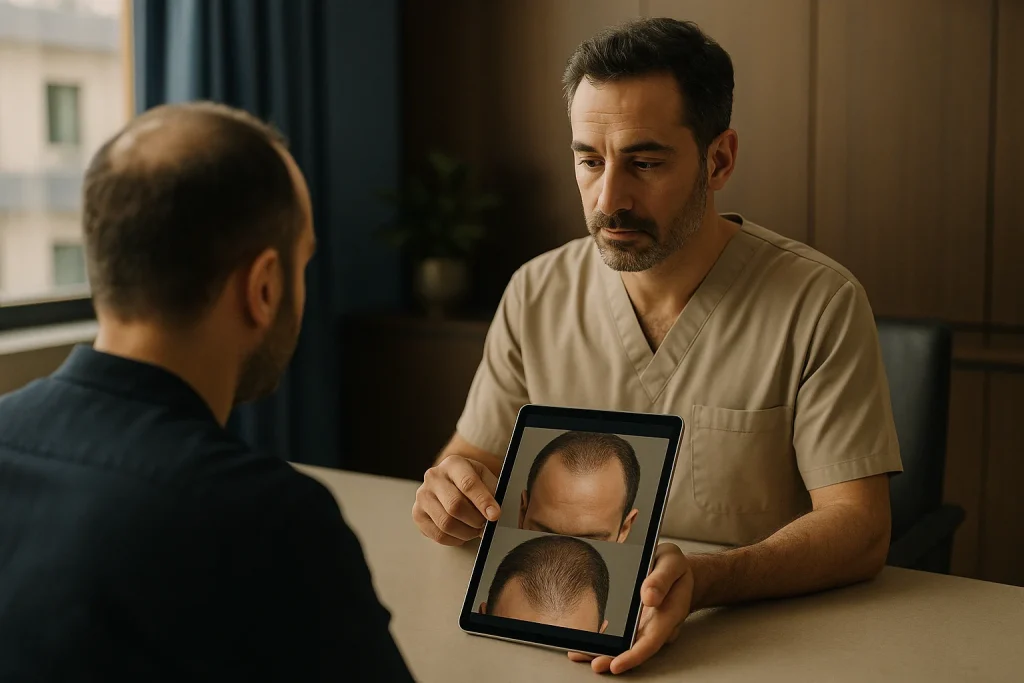
For people wondering how to get hairline back, the first step is identifying why the hairline has changed. Thoughtful planning may include medical assessment, protecting existing hair and, for suitable candidates, a carefully designed hair transplant.
- A receding hairline can result from genetic hair loss, normal hairline maturation or other medical and lifestyle factors.
- A natural-looking restoration usually depends more on conservative planning than on creating the lowest possible hairline.
- Doctors assess scalp health, existing hair stability and donor availability before recommending a transplant.
- Sapphire FUE and DHI are modern implantation approaches that may be selected according to an individual treatment plan.
- A hair transplant can redistribute permanent donor hair, but it does not stop future thinning in untreated areas.
01Restoring a Receding Hairline With Thoughtful Planning
A receding hairline can feel like a major change because it affects the part of the face people notice first. If you are searching for how to get hairline back, it is helpful to know that restoration is not simply about moving the hairline forward. A safe, natural-looking plan usually begins with understanding the cause of hair loss, the likely pattern of future thinning and the quality of the donor area. The aim is to create a hairline that looks appropriate today and can still look balanced as you age.
Hairline restoration is often possible for suitable candidates, but the right approach varies. Some people have a naturally higher hairline or a mature hairline that has stopped changing. Others have androgenetic hair loss, also called pattern hair loss, which may continue gradually over time. Scalp inflammation, nutritional concerns, stress-related shedding, traction and certain health conditions can also affect the frontal area. Your doctor will consider these possibilities before discussing treatment options.
Thoughtful planning means placing long-term results before short-term wishes. A very low or perfectly straight frontal line may look unnatural, use too many grafts and leave fewer donor hairs available if further loss develops. In most patients, a well-designed hairline includes gentle irregularity, softer single hairs at the front and a density pattern that fits the face. This careful approach supports a result that is believable in daily life, close-up photographs and changing light.
02Understand Why the Hairline Is Moving
The first question is whether the hairline is truly receding or simply maturing. During late adolescence and early adulthood, many men notice that the juvenile hairline becomes slightly higher at the temples and develops a more adult shape. This can be normal when it stabilises. Pattern hair loss, by comparison, often causes progressive temple recession, thinning behind the frontal line or reduced density through the mid-scalp and crown. Comparing clear photographs taken over time can sometimes help show whether a change is continuing.
Genetics are a common factor in pattern hair loss. Hair follicles in susceptible areas may gradually produce finer, shorter hairs in response to hormonal influences. This process can begin at different ages and does not always follow the same pattern within one family. A person may first see a small M-shaped change at the temples, while another may notice diffuse thinning. The speed of change also varies, so an in-person or online medical review is more useful than judging the hairline from one image alone.
Not every change is caused by genetic loss. Hairstyles that repeatedly pull on the front hairline, scalp conditions, sudden illness, rapid weight change and some medications may contribute to shedding or breakage. In women, frontal thinning can also have several possible causes that require proper assessment. A doctor may ask about your health history, family pattern, recent changes and scalp symptoms. Identifying a reversible cause, when one is present, is important before considering a surgical solution.
03How to Get Hairline Back: Begin With a Proper Assessment
When considering how to get hairline back, a proper assessment should come before choosing a technique. Doctors typically examine the current hairline, the pattern and stability of thinning, hair calibre, scalp condition and the donor zone at the back and sides of the head. They also consider age, family history and expectations. This information helps determine whether a transplant is appropriate now, whether existing hair should be stabilised first or whether further investigation is needed.
Hairline planning is especially important for younger patients because future loss cannot be predicted with complete certainty. A conservative design can preserve donor resources and reduce the chance that transplanted hair will look isolated if native hair thins later. In some cases, a doctor may recommend monitoring the pattern for a period of time before surgery. This is not necessarily a refusal of treatment; it can be a way to protect the patient’s long-term options.
At Acibadem Hair Transplant Center, the free online hair analysis is reviewed by doctors and can help patients begin this discussion before travelling. Clear photographs from the front, both temples, top, crown and donor area are generally useful for an initial review. Replies on WhatsApp are typically provided within around two hours. An online assessment is informative, but the final medical plan and suitability confirmation should always be made by the treating doctor.
04Design a Hairline That Fits the Face and Future
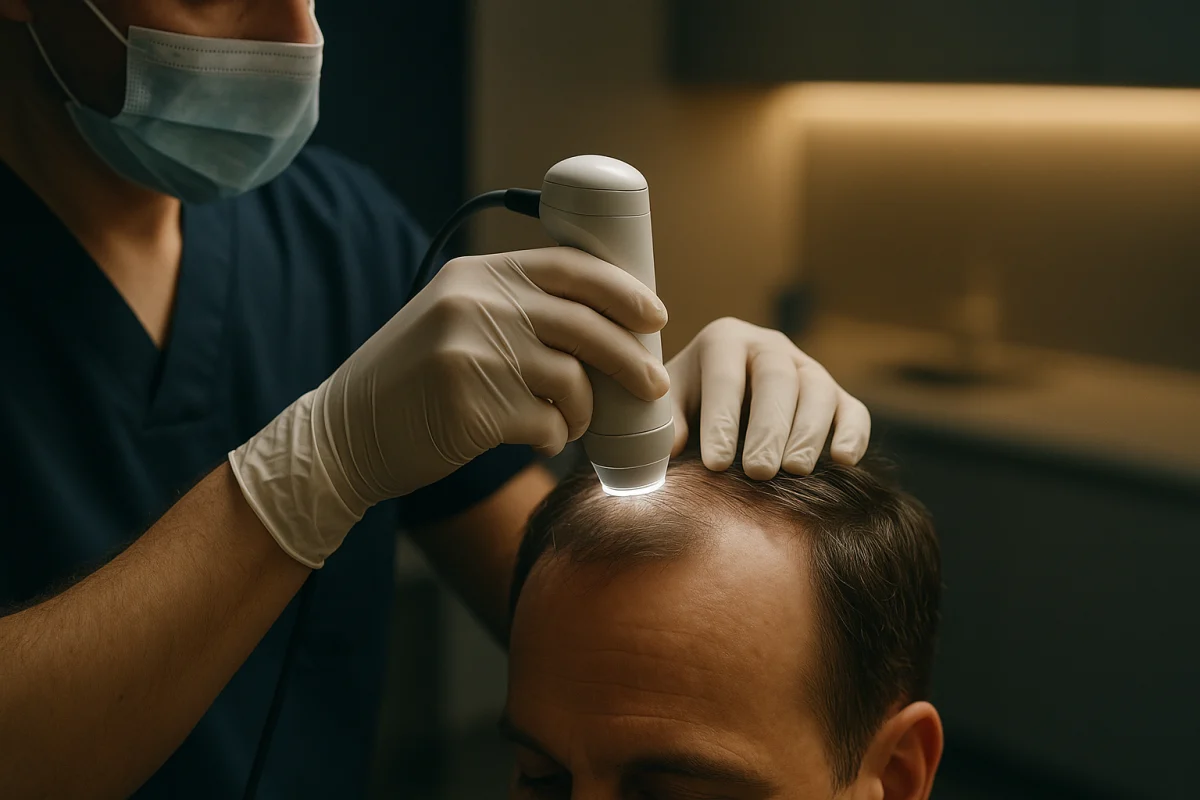
A successful hairline is rarely a ruler-straight line. Natural hairlines have slight changes in height, small asymmetries and a transition from finer hairs at the leading edge to stronger hairs behind them. During planning, the doctor considers facial proportions, forehead height, temple angles, natural asymmetry and the way the existing hair grows. The goal is not to copy a teenage hairline exactly, but to create a balanced frame for the face.
The frontal hairline needs the right graft selection as well as the right position. Fine single-hair grafts are commonly placed in the first rows to create softness. Grafts containing more than one hair can then be used behind this zone to build visual density. The direction and angle of placement matter greatly, particularly at the temples and corners where hair naturally lies close to the scalp. Careful artistic and technical work can make the transition appear more natural.
A lower hairline is not automatically a better hairline. It requires more grafts, and those grafts come from a limited donor area. If a patient later develops thinning behind a newly lowered line, additional treatment may be needed to maintain balance. For this reason, doctors often recommend a mature, age-appropriate design that respects likely future change. Your doctor will explain what donor supply can realistically support and why a measured plan can be the more durable choice.
05Choosing Between Sapphire FUE and DHI for the Frontal Area
Sapphire FUE and DHI are two hair transplant techniques that may be used in hairline restoration. In follicular unit extraction, individual follicular units are removed from the donor area and prepared for placement. With Sapphire FUE, sapphire blades may be used to create recipient channels before the grafts are implanted. The technique can allow controlled channel creation and is often considered when treating larger areas, depending on the treatment plan.
DHI involves placing extracted grafts with an implantation tool, allowing channel opening and implantation to be closely coordinated. It may be useful when precise placement is needed around existing hairs or within a smaller zone, including parts of the frontal hairline. However, neither technique is universally best for every patient. The quality of planning, graft handling, angle control and donor management are at least as important as the name of the technique used.
At Acibadem Hair Transplant Center in Istanbul, doctors may recommend Sapphire FUE or DHI after evaluating the individual case. Needle-free anaesthesia is also available for patients who are suitable for it and wish to discuss this option. The centre is licensed by the Turkish Ministry of Health and focuses on hair restoration. A technique recommendation should be based on clinical needs, not on the idea that one method guarantees a particular cosmetic outcome.
06Protect Existing Hair Before and After Restoration
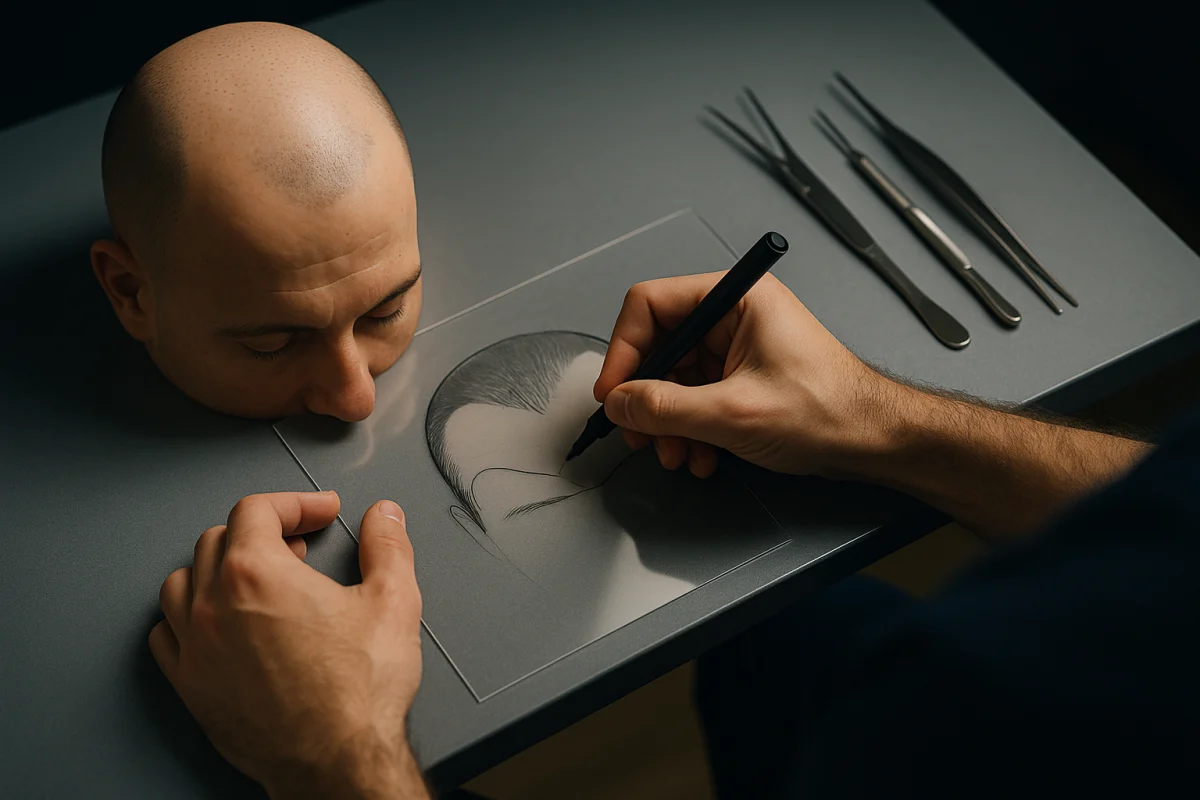
A transplant moves follicles from the donor area to an area of need, but it does not prevent ongoing thinning in non-transplanted hair. This is particularly relevant around a receding hairline, where finer native hairs may still be present behind the proposed transplant zone. Doctors may discuss medical management or observation when appropriate, especially if hair loss appears active. Any treatment decision should be made after a medical consultation, taking personal health factors and possible risks into account.
For many people asking how to get hairline back, protecting existing hair is an important part of the answer. A transplant may improve the appearance of the frontal area, but a long-term plan may also involve regular review of native hair density. Healthy scalp habits, avoiding repeated tight pulling on the hairline and addressing scalp symptoms with a doctor can be sensible supportive steps. These measures cannot replace a clinical diagnosis, but they may support overall hair and scalp care.
After a transplant, the recipient area needs time to heal and the grafts need time to enter their normal growth cycle. It is common for transplanted hairs to shed during the early phase before new growth becomes visible. Patients are normally given aftercare instructions covering washing, sleeping position, activity and follow-up. Following those instructions carefully can help protect the treated area during recovery. Your medical team will advise when you can return to specific activities.
07Set Realistic Expectations for Growth, Density and Follow-Up
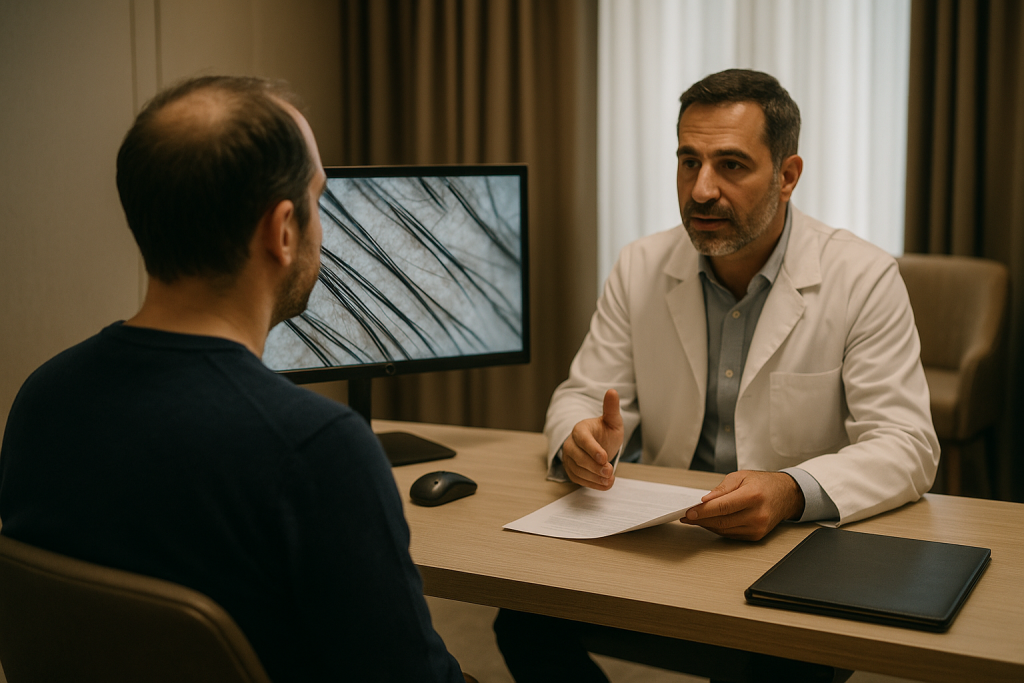
Hair transplant results develop gradually rather than overnight. Early healing is followed by a resting and shedding phase, then progressive new growth over the following months. The final appearance is commonly assessed around month 12, although individual growth patterns can differ. Density also depends on donor capacity, hair thickness, colour contrast between hair and scalp, curl pattern and the size of the area being restored. A doctor should explain what level of coverage is realistic in your case.
At Acibadem Hair Transplant Center, graft survival is measured by trichoscopy at month 12. The centre documents a 98% graft survival rate under a written guarantee. This measure relates to graft survival under the stated guarantee conditions and should not be understood as a guarantee of identical cosmetic density or an exact aesthetic result for every person. Natural appearance remains dependent on individual characteristics, planning and the possibility of future native hair loss.
International patients can arrange an all-inclusive package that includes VIP transfer, a 4-star hotel, a care kit and 12 months of follow-up. The centre has welcomed patients from 38 countries over 12 years. These practical services can make the treatment journey easier, but they do not replace the importance of a medical consultation and informed consent. The best hairline plan is one that is clinically appropriate, visually balanced and manageable for the years ahead.
08Frequently Asked Questions
Why does hair loss seem so common in Gen Z?
Hair loss may appear more visible in Gen Z because people share close-up images and discuss hair concerns openly online. Genetic pattern hair loss can begin in the late teens or twenties for some people, while stress, illness, restrictive dieting, scalp conditions and styling practices may also contribute to shedding. A doctor can help distinguish a maturing hairline from active hair loss or another cause.
At what age can a hairline start to recede?
A hairline can change from adolescence onward. In many men, a slight rise at the temples during the late teens or twenties can be a normal mature hairline, while progressive recession may indicate pattern hair loss. The age and speed of change vary widely, so there is no single age that applies to everyone.
Can a receding hairline return naturally?
If shedding is related to a reversible trigger, such as a temporary health issue or traction from tight hairstyles, improvement may be possible after the cause is addressed. Genetic pattern hair loss typically does not fully reverse naturally without medical management or a procedure. A medical assessment is important before relying on supplements, home remedies or cosmetic products.
Is it normal to have a receding hairline at 22?
A slightly more mature hairline at age 22 can be normal, particularly if it is stable and there is no continuing thinning. However, progressive temple recession, miniaturised hairs or thinning elsewhere may suggest early pattern hair loss. A doctor can assess the pattern and discuss whether observation, medical care or another approach may be appropriate.
This article is for general information only and is not a substitute for professional medical advice.
 06
06 12
12