
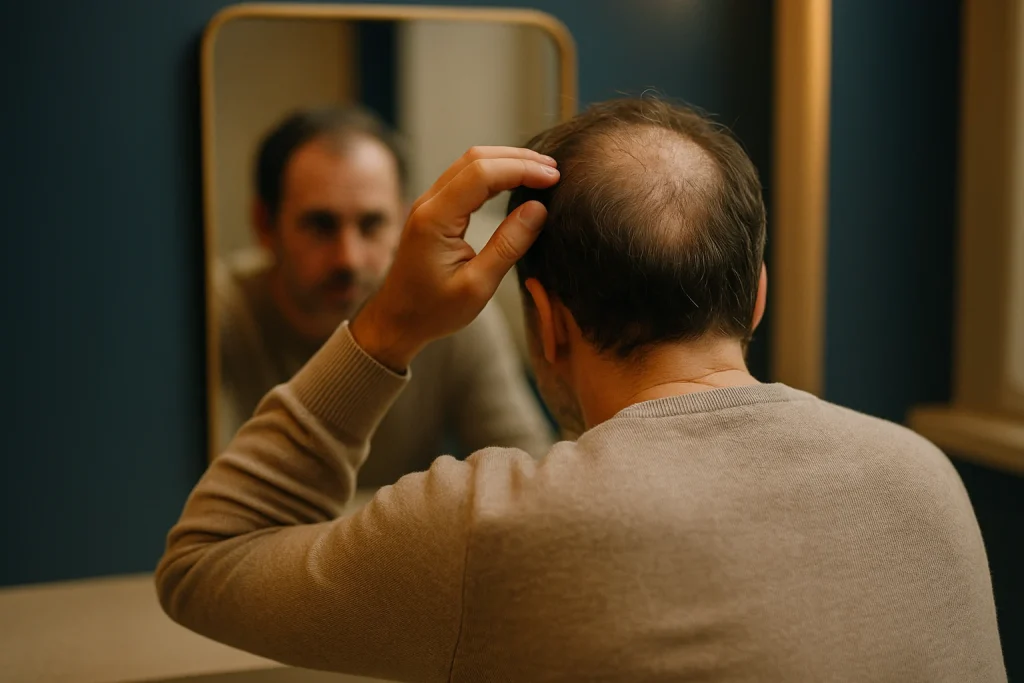
If you are asking, “why am i going bald,” the answer may involve inherited hair loss, temporary shedding after physical or emotional stress, medical conditions, medication, or scalp disease. A doctor can identify the likely pattern by reviewing your history, scalp and hair density, then discuss whether monitoring, medical treatment or hair restoration may be suitable.
- Inherited pattern hair loss is the most common reason for gradual thinning in both men and women.
- Sudden shedding often has a trigger, such as illness, stress, nutritional deficiency, hormonal change or medication.
- A scalp assessment is important because early treatment may help protect vulnerable existing hair.
- Hair transplantation can redistribute permanent donor hairs but does not stop future thinning in untreated areas.
- The right restoration plan depends on the cause of hair loss, donor supply, hair characteristics and your long-term goals.
01Why Am I Going Bald? Causes and Hair Restoration Options
Many people ask, “why am i going bald,” when they notice more hair in the shower, a widening part, a receding hairline or more scalp showing in photographs. Balding is not one single condition. It is a visible result of different processes that can affect the hair growth cycle, hair follicles or scalp. In some people, thinning develops gradually over years. In others, shedding becomes noticeable within weeks or months after a change in health, routine or medication. Understanding the pattern is the first step toward choosing an appropriate response.
Hair naturally grows in cycles. Most hairs are in a growing phase, while a smaller number are resting or shedding at any time. When the cycle is disrupted, more hairs may move into the shedding phase together. When follicles become progressively smaller, each new hair may grow finer and shorter until the scalp appears less covered. These two processes can look similar at first, but they can have different causes and different treatment approaches.
It is also important to distinguish hair shedding from permanent follicle damage. Temporary shedding may improve when the trigger resolves and normal growth resumes. By contrast, certain inherited forms of hair loss and scarring scalp disorders can lead to lasting density changes without timely medical assessment. A professional examination can help clarify whether follicles are still active, whether the scalp is inflamed and whether further tests may be useful.
02Inherited Pattern Hair Loss and Follicle Miniaturisation
The most common cause of progressive balding is androgenetic alopecia, often called inherited pattern hair loss. It can affect men and women and may begin at different ages. In genetically susceptible follicles, hormones known as androgens can gradually shorten the growth phase. Over time, affected follicles produce hairs that are thinner, lighter and shorter. This gradual change is called miniaturisation.
In men, inherited hair loss often starts with recession at the temples, thinning at the crown or both. The pattern may progress toward more extensive loss across the top of the scalp while hair at the sides and back remains comparatively stable. In women, the hairline is often preserved, but the central part may become wider and overall density through the top of the scalp may decrease. However, individual patterns vary, and not every person follows the same course.
Family history can increase the likelihood of androgenetic alopecia, but it does not predict exactly when it will start or how quickly it will progress. Your genes can come from either side of the family. Because miniaturisation usually happens slowly, people may not notice the early stage until comparing photos taken months or years apart. A trichoscopic scalp examination can show variation in hair shaft diameter and help a doctor assess whether miniaturisation is likely to be present.
03Sudden Hair Shedding: Illness, Stress and Internal Changes
A sudden increase in shedding can be alarming, especially when you did not previously notice thinning. One common explanation is telogen effluvium, a temporary shift in the hair cycle that causes more hairs to enter the resting and shedding phase. It can occur after a high fever, infection, surgery, significant weight change, childbirth, emotional stress or another major physical event. Shedding may not begin immediately; it often becomes noticeable several weeks or months after the trigger.
Nutritional issues may also contribute to diffuse shedding. Low iron stores, inadequate protein intake, restrictive diets and certain vitamin or mineral deficiencies can affect hair growth in some patients. Thyroid disorders and other hormonal changes may also be relevant. These possibilities cannot be confirmed by appearance alone. Depending on your symptoms, medical history and examination, a doctor may recommend blood tests or referral to another healthcare professional.
If you are wondering why am i going bald all at once, it is especially important to consider timing. New medicines, stopping hormonal medication, rapid dieting, recent childbirth, acute illness and major life stress can all be useful clues. Sudden hair loss can also occur in patchy autoimmune conditions, which need prompt clinical assessment. Although many temporary shedding episodes improve, it is not advisable to assume that all sudden loss will resolve without identifying the cause.
04Scalp Conditions, Hair Practices and Other Possible Causes
The scalp itself can play a central role in hair loss. Conditions such as psoriasis, seborrhoeic dermatitis, fungal infection and inflammatory disorders may cause itching, scaling, discomfort or visible redness. Some scalp diseases can damage follicles permanently if inflammation causes scarring. Smooth shiny areas with little or no visible follicle opening, pain, burning, pustules or rapidly expanding patches should be assessed by a dermatologist or qualified doctor without delay.
Repeated tension on the hair can cause traction alopecia. Tight braids, extensions, ponytails, buns and certain styling practices may place ongoing stress on follicles, particularly around the hairline and temples. Heat, bleaching and chemical treatments can also lead to hair shaft breakage, which may resemble shedding but does not necessarily mean the hair is falling out from the root. Reducing traction and damaging practices may help protect remaining hair, although recovery depends on how long follicles have been affected.
Some medicines can be associated with hair shedding as a possible side effect. Serious systemic illness, chronic inflammatory conditions and treatments that affect rapidly dividing cells may also influence hair growth. This does not mean a person should stop prescribed medication because of hair loss. Any concern about a treatment should be discussed with the prescribing doctor, who can review the balance of benefits, risks and possible alternatives.
05How Doctors Identify the Type of Hair Loss
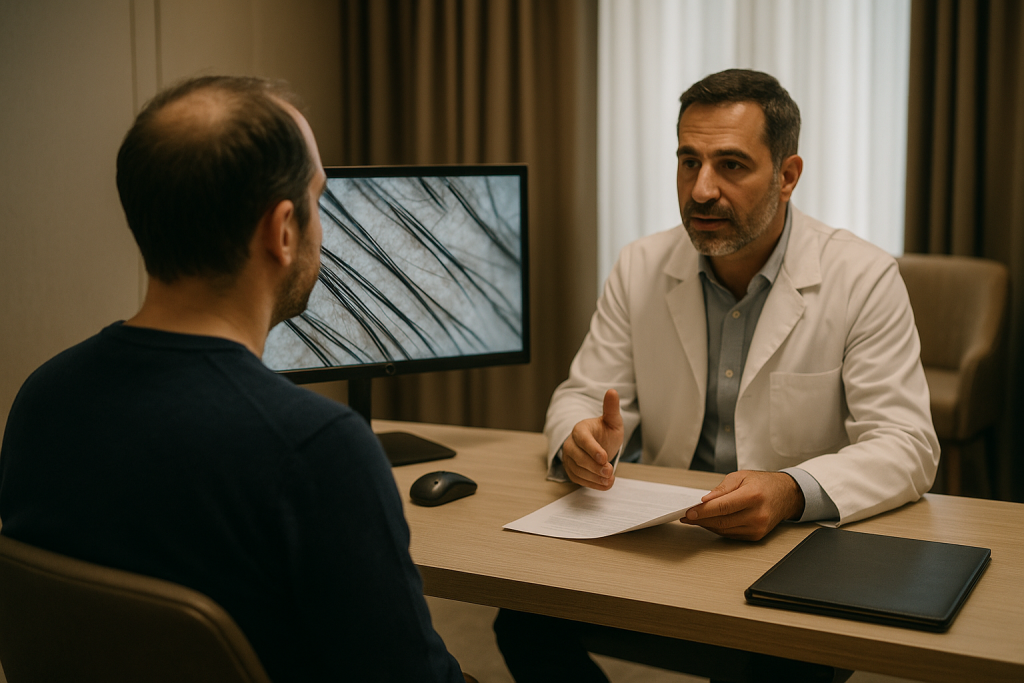
A proper hair-loss assessment usually begins with a detailed history. A doctor may ask when you first noticed change, whether shedding or thinning is the main concern, how quickly it developed, whether you have scalp symptoms and whether close relatives have similar patterns. Questions about recent illness, stress, weight loss, diet, menstrual or hormonal changes, medications and hair-care practices can provide important context. Photographs from different periods may also help show the rate and distribution of change.
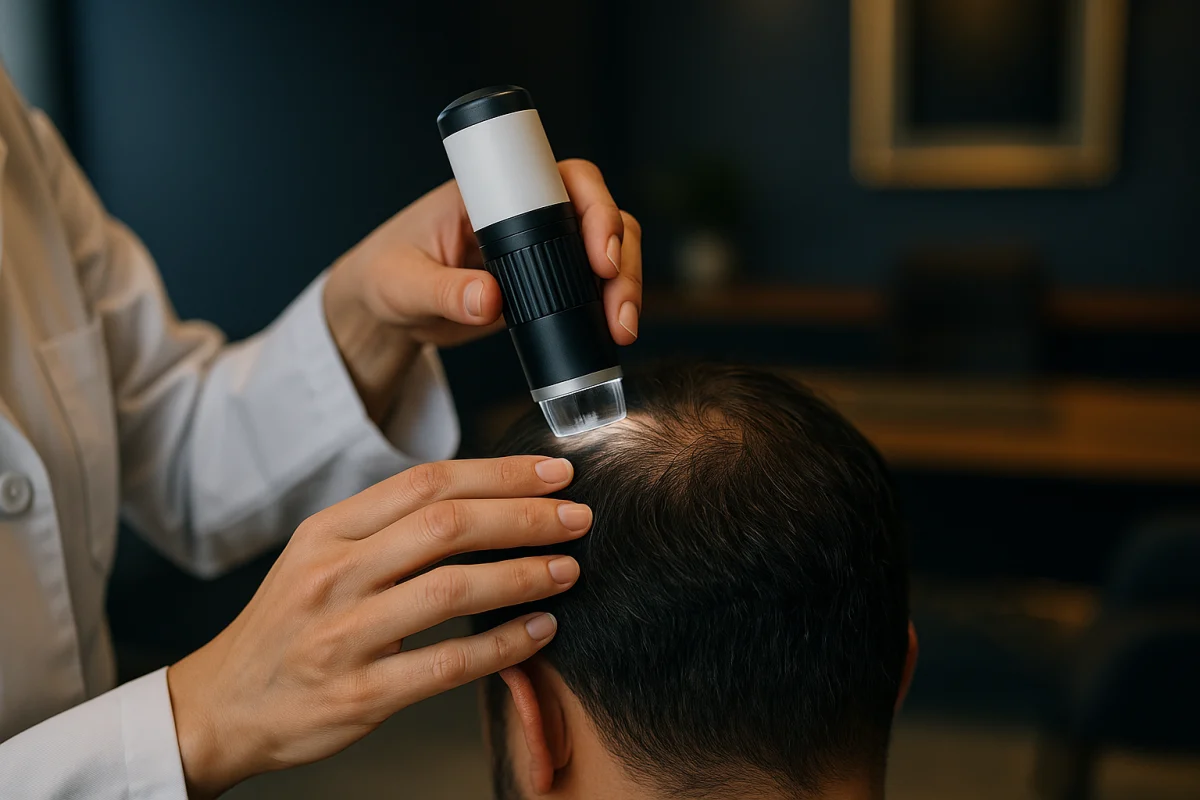
The clinical examination typically looks at the hairline, crown, part line, donor area and scalp skin. The doctor may assess whether hairs vary in thickness, whether there is inflammation or scaling and whether loss is diffuse, patterned or patchy. Trichoscopy is a close visual assessment of the scalp and hair shafts that can support diagnosis without surgery. In selected cases, laboratory tests or a scalp biopsy may be needed to investigate a suspected medical or scarring condition.
An accurate diagnosis matters because treatment that may be reasonable for inherited thinning may not be appropriate for active scalp inflammation, nutritional deficiency or autoimmune hair loss. It also helps set realistic expectations. Hair density, donor reserve, curl pattern, shaft thickness, skin-to-hair contrast and the likelihood of future loss can all influence the restoration strategy. Your doctor will confirm which options are clinically suitable after reviewing these factors.
06Non-Surgical Ways to Manage Early Thinning
For many patients, the first goal is to protect existing hair and address the underlying cause where possible. If testing identifies a nutritional deficiency, thyroid issue or another medical factor, treatment is directed toward that finding by the appropriate clinician. When a scalp condition is present, controlling inflammation or infection may be necessary before considering cosmetic restoration. Gentle handling, avoiding persistent traction and limiting harsh chemical or heat exposure can also reduce preventable breakage and stress on vulnerable hair.
For inherited pattern hair loss, doctors may discuss evidence-based medical therapies that can slow progression or support hair growth in suitable patients. The choice depends on sex, age, medical history, pregnancy plans, current medication and the type of hair loss diagnosed. These treatments can have contraindications and possible side effects, so they should only be considered after an individual medical consultation. Results, when they occur, generally take time and require consistent use; no treatment can guarantee that hair loss will stop completely.
Some patients also explore camouflage methods such as a different haircut, hair fibres, scalp micropigmentation or a hair system. These options can improve the appearance of coverage without changing the underlying condition. They may be useful while a diagnosis is being clarified, while medical treatment is taking effect or for people who are not suitable for surgery. A balanced plan may combine cosmetic support with clinical monitoring rather than relying on one solution alone.
07Hair Transplantation for Stable, Patterned Hair Loss
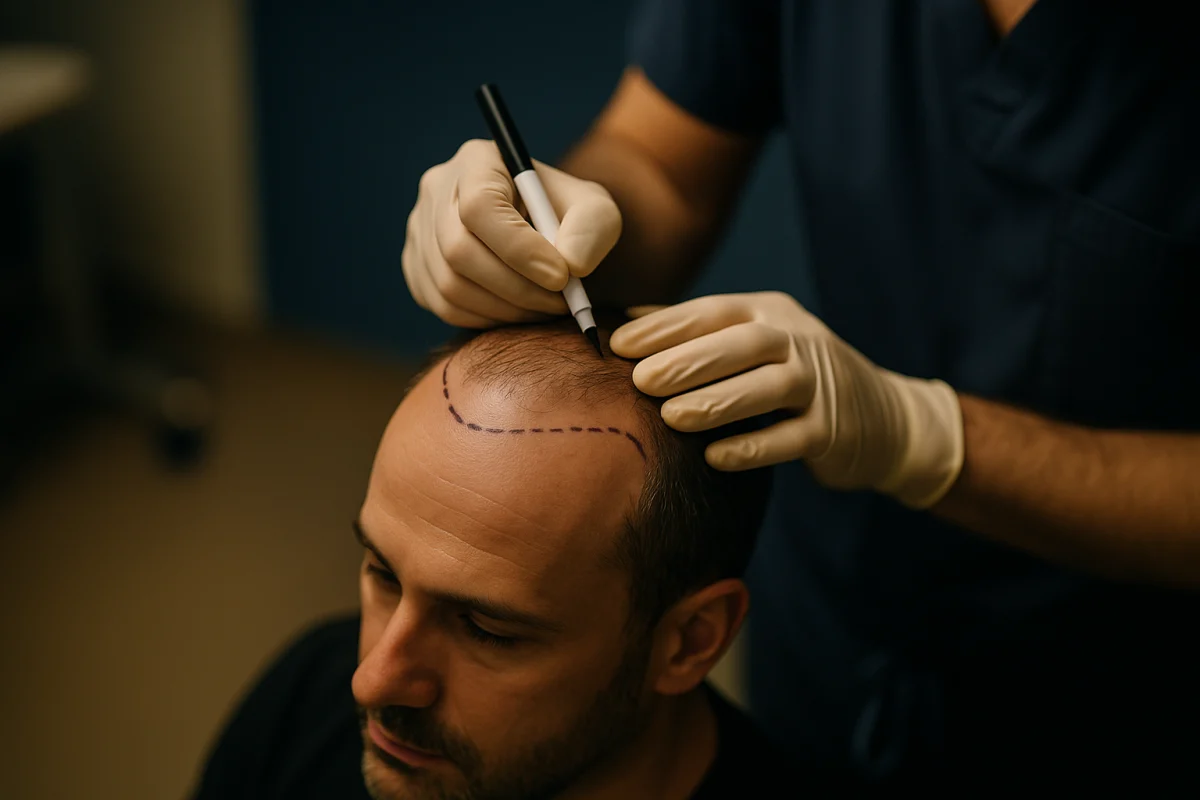
Hair transplantation may be considered for patients with stable enough donor hair and a diagnosis consistent with permanent pattern loss. The procedure moves healthy follicular units from a donor zone, usually at the back and sides of the scalp, to areas with reduced density. Transplanted hairs retain many of the characteristics of the donor area, but the procedure does not create new follicles or increase the total number of hairs on the scalp. It redistributes available donor resources strategically.
Sapphire FUE and DHI are two transplantation techniques that may be discussed during a consultation. In Sapphire FUE, follicles are extracted individually and implanted into carefully prepared channels. In DHI, follicles are implanted using a specialised implanter after extraction. Neither technique is automatically best for every person. The recommended method should reflect the recipient area, hair characteristics, donor capacity, planned density and the clinical team’s assessment. Needle-free anaesthesia may be available for suitable patients who are concerned about injections.
At Acibadem Hair Transplant Center, a dedicated hair restoration clinic in Istanbul licensed by the Turkish Ministry of Health, doctors review free online hair analyses before advising on next steps. The clinic offers all-inclusive packages that can include VIP transfer, a 4-star hotel, a care kit and 12 months of follow-up. Results are measured by trichoscopic graft survival at month 12, with a documented 98% rate under written guarantee. Even with careful planning, final cosmetic appearance depends on individual healing, hair growth characteristics and the progression of any non-transplanted hair loss.
08Frequently Asked Questions
Why might I be going bald all of a sudden?
Sudden visible hair loss may be related to temporary shedding after illness, high stress, surgery, rapid weight loss, childbirth, medication changes or nutritional and hormonal issues. Patchy loss, scalp pain, scaling or rapidly worsening thinning can have other causes and should be medically assessed. A doctor can review the timing, pattern and any associated symptoms to identify the most likely explanation.
Can hair grow back after baldness?
It depends on the cause and whether the follicles remain active. Temporary shedding may improve after the underlying trigger is addressed, while early miniaturisation may sometimes respond to doctor-guided treatment. If follicles have been permanently destroyed by scarring or if an area has been bald for a long time, spontaneous regrowth is less likely; hair transplantation may be considered for suitable candidates.
At what age is it normal to start going bald?
There is no single normal age. Inherited pattern hair loss can begin after puberty, in the twenties or later in adulthood, while many people retain good density throughout life. The age of onset, speed of change and pattern are individual, so early assessment can be helpful if you notice progressive thinning.
How can I stop myself from going bald?
The most effective approach depends on the cause. Addressing a medical or nutritional trigger, treating scalp disease, reducing traction and discussing appropriate medical treatment for inherited hair loss may help preserve existing hair in many patients. Because some forms of loss progress over time, a doctor should confirm the diagnosis before you choose a treatment or consider a transplant.
This article is for general information only and is not a substitute for professional medical advice.
 06
06 12
12