
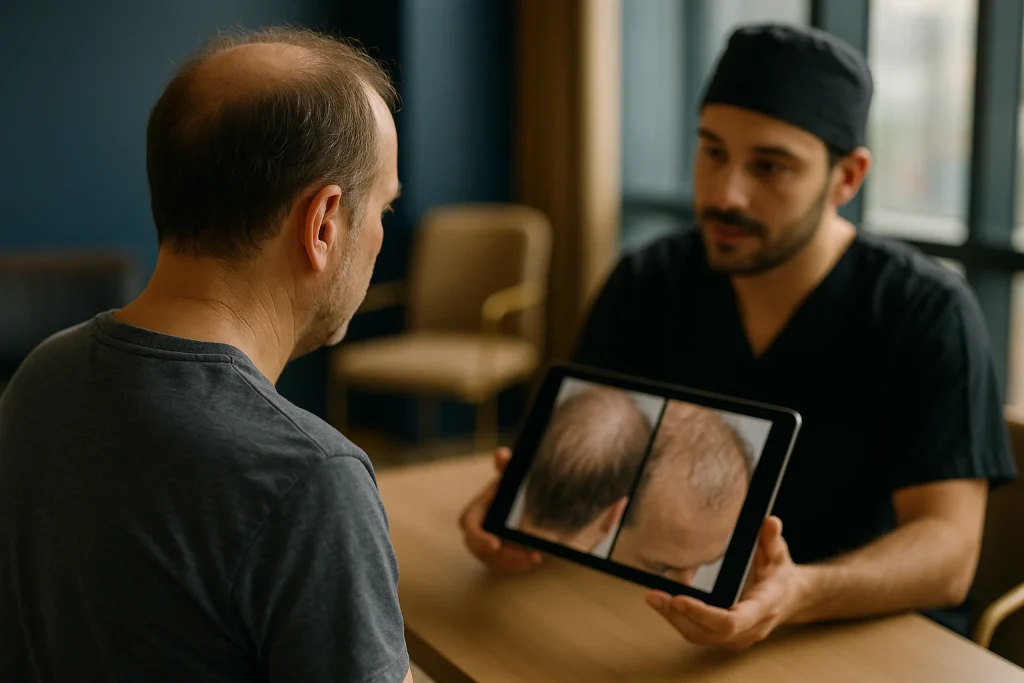
People often ask how to rapidly grow hair, but scalp hair usually grows gradually rather than dramatically within days or weeks. A hair transplant can create lasting coverage in suitable candidates, yet visible new growth typically starts after several months and develops over 9 to 12 months.
- Scalp hair normally grows slowly, so major length or density changes in a few weeks are not usually realistic.
- Hair transplant results develop in stages because transplanted follicles commonly shed before beginning a new growth cycle.
- Nutrition, gentle hair care, and treatment of an underlying scalp or medical condition may support healthier hair, but they do not create instant growth.
- A doctor-led assessment can identify whether thinning is linked to pattern hair loss, shedding, scalp disease, medication, or another cause.
- At Acibadem Hair Transplant Center, graft survival is assessed with trichoscopy at month 12 as part of a written guarantee process.
01Can hair really grow quickly? Start with normal biology
The honest answer to how to rapidly grow hair is that there is no safe way to make healthy scalp hair suddenly grow several times faster. In most people, individual hairs grow gradually, often around one centimetre per month, although the rate can vary with age, genetics, health, season, and the hair growth cycle. Hair that is already present may look fuller quickly after washing, styling, or reducing breakage, but this is different from creating new hair growth.
Each follicle moves through active growth, transition, resting, and shedding phases. These phases are not synchronised across the scalp, which is why people do not normally lose or regrow all of their hair at once. A follicle that is resting will not reliably be pushed into a full active growth phase by a shampoo, supplement, massage, or home remedy. This biological timing is an important reason to be careful with fast-growth claims.
It also helps to separate hair length from hair density. Someone with long hair may notice extra length over several months, while a person with thinning may be more concerned about the number and thickness of hairs in a particular area. These are related but different goals. A clinical assessment can help clarify whether the main issue is breakage, temporary shedding, progressive thinning, or an area where follicles are no longer producing visible hair.
02How to rapidly grow hair: what can realistically change
The phrase how to rapidly grow hair often brings up images of instant thickening or a full new hairline in a few weeks. In reality, the most realistic early changes are usually improvements in hair handling, scalp comfort, and the appearance of existing strands. Reducing harsh heat, tight traction, frequent bleaching, or rough brushing may limit breakage, so hair can retain more of its length over time.
If hair loss is recent or unusually heavy, the priority is not simply to accelerate growth. It is to understand why the change happened. Physical stress, illness, major weight change, hormonal changes, low iron stores, thyroid conditions, some medicines, inflammatory scalp conditions, and hereditary pattern hair loss can all play a role. Your doctor may recommend an examination and, when appropriate, tests or a referral before suggesting a treatment plan.
For established pattern hair loss, the aim is commonly to slow further miniaturisation, preserve existing follicles where possible, and consider restoration options when suitable. No responsible clinic can promise that every follicle will respond in the same way. Progress is normally assessed over months with consistent photographs, examination, and where available, trichoscopic evaluation rather than by day-to-day mirror checks.
03Fast-looking improvements versus true new growth
Some changes can make hair appear better rapidly without changing the number of follicles. A suitable haircut, careful blow-drying, avoiding heavy oil buildup, and choosing a style that does not pull on fragile hairs can improve the look of volume. These cosmetic measures can be useful for confidence, especially while a medical assessment or longer-term treatment plan is underway.
Hair shaft damage is another common source of confusion. The visible strand is not living tissue, so a split end cannot biologically repair itself. Conditioning products can temporarily smooth the surface and reduce friction, while trimming damaged ends can improve appearance. Protecting the growing hair from repeated damage may help it reach a greater length, but it does not make the follicle produce hair overnight.
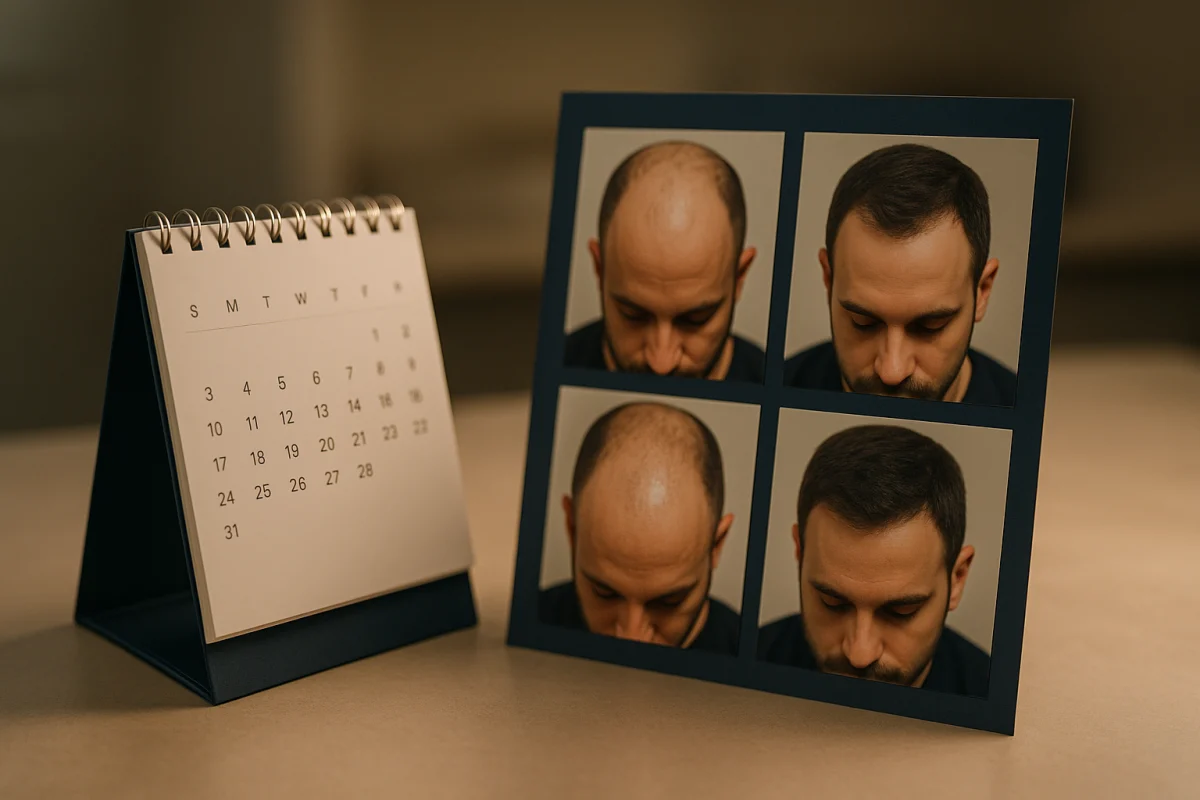
When searching how to rapidly grow hair, be cautious about products that promise a complete transformation within a very short time. Before-and-after images may show differences in lighting, styling, fibres, hair colour, or the angle of the photograph. Meaningful clinical progress should be judged under similar conditions and over an appropriate period, especially when hair density or a transplant result is being evaluated.
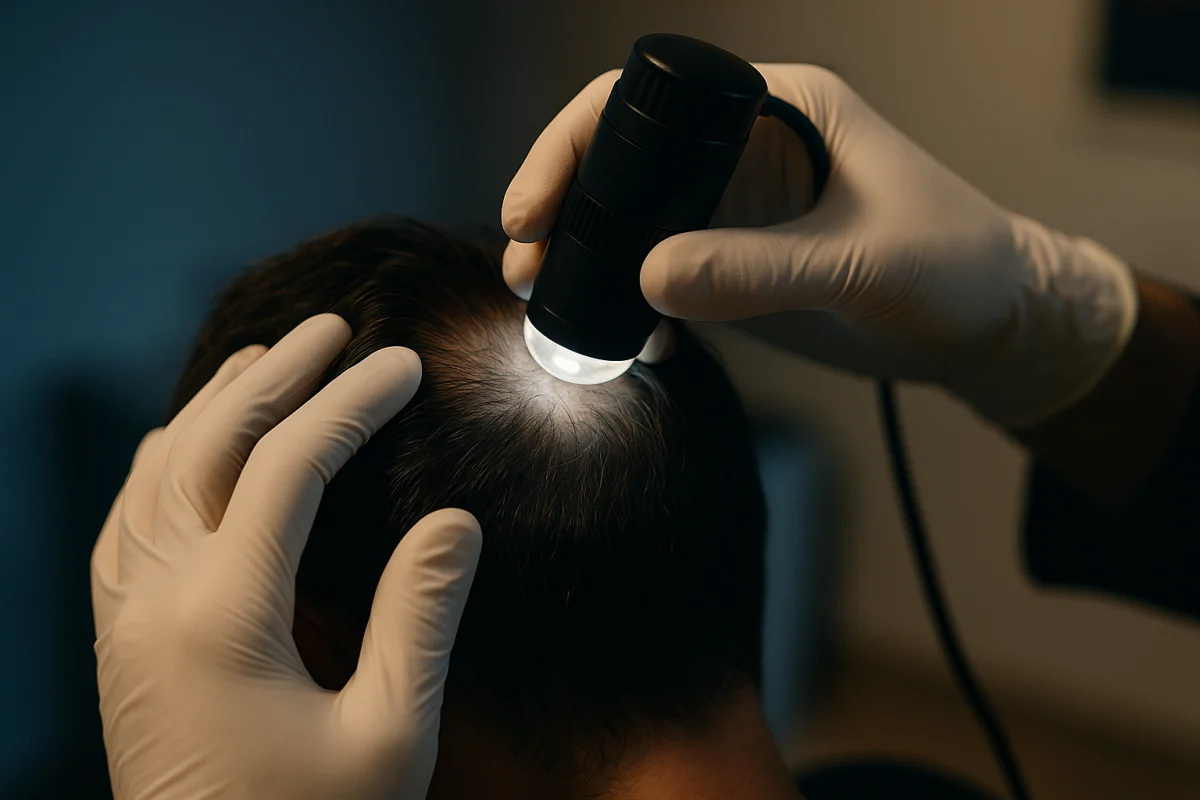
04Hair transplant timeline: from procedure day to month 12
A hair transplant redistributes follicles from a donor area to areas of thinning or baldness; it does not make the transplanted hair grow immediately. At Acibadem Hair Transplant Center in Istanbul, doctors assess suitability and plan the procedure according to the individual hair pattern, donor capacity, scalp characteristics, and expectations. Sapphire FUE and DHI are available techniques, and the choice is confirmed after medical review rather than based on a universal rule.
During the first days after a procedure, the focus is on protecting the recipient area and following the aftercare instructions provided by the clinical team. Small crusts and temporary redness are common during early healing. In the following weeks, transplanted shafts often shed. This can feel worrying, but it is typically part of the normal post-transplant cycle and does not automatically mean that the implanted follicles have failed.
New visible growth commonly begins around months three to four, although the timing differs between patients and areas of the scalp. Early hairs may be fine, uneven, or lighter in texture. From approximately months six to nine, many patients begin to see more noticeable coverage and improving hair calibre. The crown can sometimes mature later than the frontal region because of its natural growth pattern.
A more meaningful assessment is usually made at around 12 months, while some patients continue to see refinement after that point. Acibadem Hair Transplant Center measures results through trichoscopic graft survival at month 12 and documents a 98% rate under its written guarantee. This documented measurement relates to the clinic’s guarantee process and does not mean that every patient will have an identical cosmetic result, density, or timeline.
05Supporting healthy growth before and after restoration
Good general health supports normal hair production, although it cannot override genetic hair loss or replace a medical diagnosis. A varied diet with adequate protein, regular meals, sufficient fluids, and attention to possible nutritional deficiencies can be sensible foundations. Supplements are not automatically necessary, and taking high doses without evidence of a deficiency may be unhelpful or inappropriate. A doctor can advise whether testing is relevant in your situation.
Gentle daily habits can also protect the hair that is already growing. These may include avoiding hairstyles that create ongoing tension, limiting very high heat, detangling carefully, and using products that suit your scalp. If the scalp is itchy, painful, flaky, very oily, or inflamed, treating the scalp concern matters more than adding more styling products. Persistent symptoms should be assessed by a qualified clinician.
For people wondering how to rapidly grow hair after a transplant, patience with the healing and growth cycle is especially important. Do not introduce unapproved treatments, aggressive scalp massage, or cosmetic procedures during recovery unless the clinical team says they are appropriate. Following the personalised aftercare schedule and attending follow-up reviews allows concerns to be identified early and progress to be monitored safely.
06When thinning needs a medical assessment
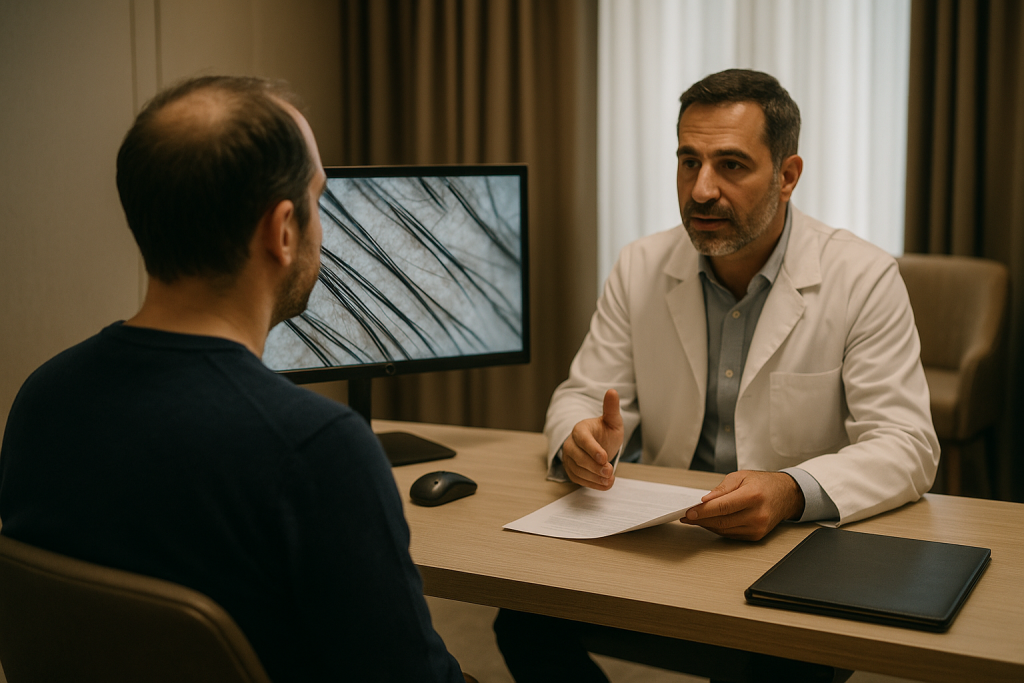
Sudden shedding, patchy bald areas, scalp pain, scarring, or hair loss together with other symptoms should not be treated as a simple cosmetic issue. These changes can have different causes and may require prompt medical attention. A dermatologist or another qualified doctor can examine the scalp, review your history, and decide whether further investigation is needed.
Hereditary pattern hair loss is common, but not all thinning follows that pattern. Some people experience diffuse shedding after a stressful event or illness, while others have inflammation around follicles or breakage caused by hair practices. The appearance alone may not provide a full answer. A careful assessment is useful because the most appropriate next step depends on whether follicles are miniaturising, resting, damaged, or absent.
A free online hair analysis can be a practical first step for international patients considering restoration. At Acibadem Hair Transplant Center, submitted hair information is reviewed by doctors, and WhatsApp replies are typically provided within about two hours. An online review can offer preliminary guidance, but a final treatment decision and confirmation of suitability require proper clinical evaluation.
07Choosing a timeline you can trust
A reliable hair restoration plan should explain what happens before, during, and after treatment. Ask how suitability is assessed, which technique may be considered and why, what aftercare is included, and when results will be reviewed. It is also reasonable to ask how the clinic documents outcomes. Clear answers are more valuable than a promise of immediate density or an exact result that cannot be clinically guaranteed.
Acibadem Hair Transplant Center is a dedicated hair restoration clinic in Istanbul licensed by the Turkish Ministry of Health. The centre has welcomed patients from 38 countries over 12 years. For eligible patients, all-inclusive packages can include VIP transfer, a 4-star hotel, a care kit, and 12 months of follow-up, helping international visitors organise the practical stages of their journey.
Needle-free anaesthesia is available for patients who are suitable for it, and the team can explain how comfort measures and the procedure process are managed. However, convenience should never be the only factor in a decision. A safe choice starts with honest discussion of donor supply, the likely coverage that can be achieved, possible limitations, and the time required for transplanted follicles to mature.
08A realistic plan for fuller-looking hair
The best plan begins by setting a measurable goal. For some people, the goal is to retain length by reducing breakage. For others, it is to investigate recent shedding, preserve thinning native hair, or restore a stable hairline. Taking clear baseline photographs in consistent light can make changes easier to assess and may reduce the anxiety of checking the mirror every day.
Avoid treating social media trends as a diagnosis. Traditional ingredients, oils, scalp tools, and viral routines can feel appealing, but their effect may be limited, variable, or unsuitable for a sensitive scalp. If a method causes burning, redness, worsening flakes, or increased breakage, it should be stopped and discussed with a qualified professional. Healthy hair care is usually consistent and gentle rather than extreme.
For suitable transplant candidates, a long-term view is essential. The procedure can restore follicles to selected areas, but future native-hair thinning may still need monitoring. Your doctor will confirm whether a transplant, medical management, observation, or another approach is most appropriate. Realistic expectations, careful planning, and patient follow-up provide a more dependable path than any claim of rapid hair growth.
09Frequently Asked Questions
Is it possible for hair to grow two inches in one month?
For most people, two inches of scalp hair growth in one month is not realistic. Hair usually grows gradually, often around one centimetre per month, although individual rates vary. A sudden improvement in appearance may reflect styling, reduced breakage, or temporary volume rather than two inches of new growth.
What is the so-called Chinese secret for hair growth?
There is no single Chinese secret that has been clinically proven to make everyone grow hair quickly. Traditional practices and ingredients may be part of personal grooming routines, but they do not replace an assessment for hereditary hair loss, shedding, nutritional issues, or scalp disease. It is sensible to be cautious with any remedy that promises rapid, guaranteed regrowth.
What is the number one option for hair growth?
There is no single number one option for every type of hair loss. The most appropriate approach depends on the cause, the condition of the scalp, the pattern of thinning, and whether follicles are still active. A doctor-led assessment is the safest way to identify options that may be relevant to your situation.
Can hair grow noticeably faster in two weeks?
Two weeks is usually too short to see substantial new scalp hair growth. You may notice a cosmetic difference if you reduce breakage, improve scalp care, or change your styling routine, but true follicle growth develops gradually. After a transplant, visible new hair generally requires several months, not two weeks.
When will I see growth after a hair transplant?
Transplanted hair commonly sheds during the first weeks after the procedure, which is usually expected. New visible growth often starts around months three to four, with more noticeable change from months six to nine. A fuller assessment is typically made around month 12, although individual timelines vary.
This article is for general information only and is not a substitute for professional medical advice.
 06
06 12
12