
Prescription hair loss medicine may be considered before a hair transplant when a doctor confirms androgenetic hair loss, also called pattern hair loss. propecia, a prescription form of finasteride, may help slow further thinning in suitable patients, but it does not replace a careful diagnosis, realistic graft planning, or medical monitoring.
- Prescription medicine can help stabilize ongoing pattern hair loss before graft placement in suitable patients.
- Finasteride lowers DHT activity, but it is only appropriate after a doctor reviews your diagnosis and medical history.
- Sexual, mood-related and breast-related symptoms should be discussed clearly before treatment starts.
- A hair transplant redistributes donor follicles and does not stop untreated native hair from thinning later.
- Your transplant surgeon and prescribing doctor should coordinate any medicine plan before and after surgery.
01Prescription Hair Loss Medicine Before a Hair Transplant
propecia is commonly discussed before a hair transplant because many patients are still losing their existing, non-transplanted hair. A transplant can move healthy follicles from a stable donor area to thinner areas, but it does not automatically stop the progression of pattern hair loss around those grafts. When a doctor confirms androgenetic hair loss, prescription medicine may be one part of a broader plan to protect existing hair and support a more stable-looking result over time.
Not every person considering a transplant needs prescription hair loss medicine. The right approach depends on the cause of shedding, the speed and pattern of loss, the quality of the donor area, age, family history, medical history and future goals. Sudden shedding, patchy bald areas, scalp inflammation, nutritional problems and some medical conditions require a different assessment. It is important not to assume that every form of thinning is male-pattern hair loss.
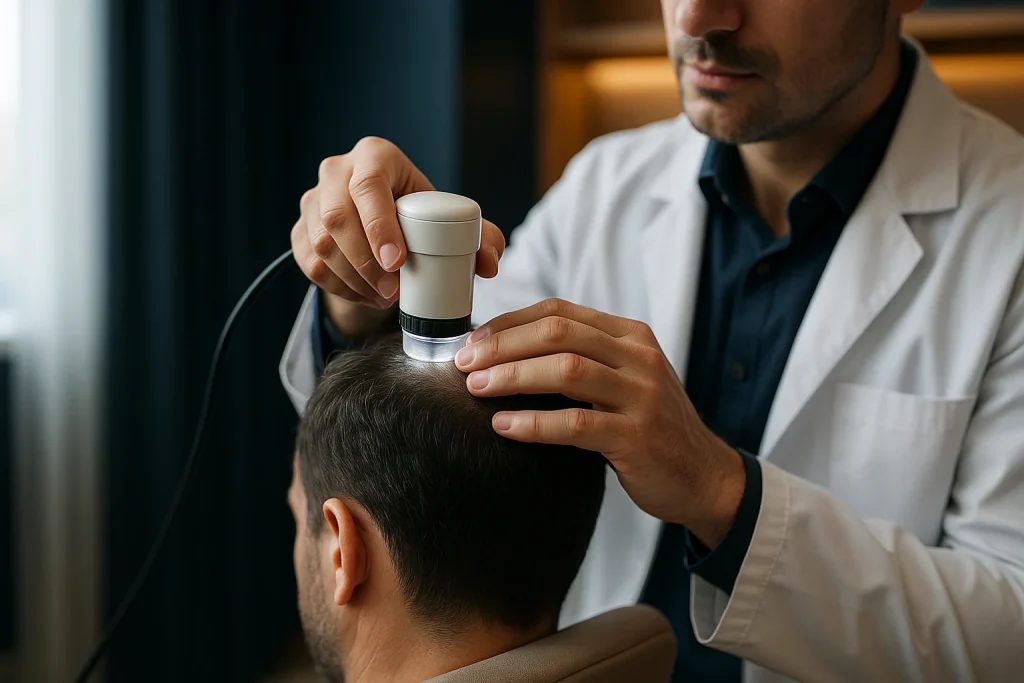
Before recommending surgery, a qualified doctor typically examines the scalp and reviews the pattern of miniaturisation, which is the gradual shrinking of hair follicles. This can help distinguish a stable area from an area that may continue to thin. A careful plan protects the donor supply and avoids placing too many grafts into a region where future loss could make the result look less balanced.
02How propecia works in pattern hair loss
Finasteride is a prescription medicine used for male-pattern hair loss in appropriate adult patients. It works by reducing the conversion of testosterone into dihydrotestosterone, usually called DHT. DHT is an androgen that can gradually shorten the growth phase of genetically sensitive scalp follicles. Over time, those follicles may produce hairs that are finer, shorter and less visible.
By lowering DHT activity, finasteride may slow additional thinning and may improve hair calibre or density in some patients. Its purpose is generally hair preservation rather than the creation of a completely new hairline. Response differs from person to person, and a doctor will explain that continued treatment may be needed to maintain any benefit. If treatment is stopped, the biological process affecting susceptible follicles can resume.
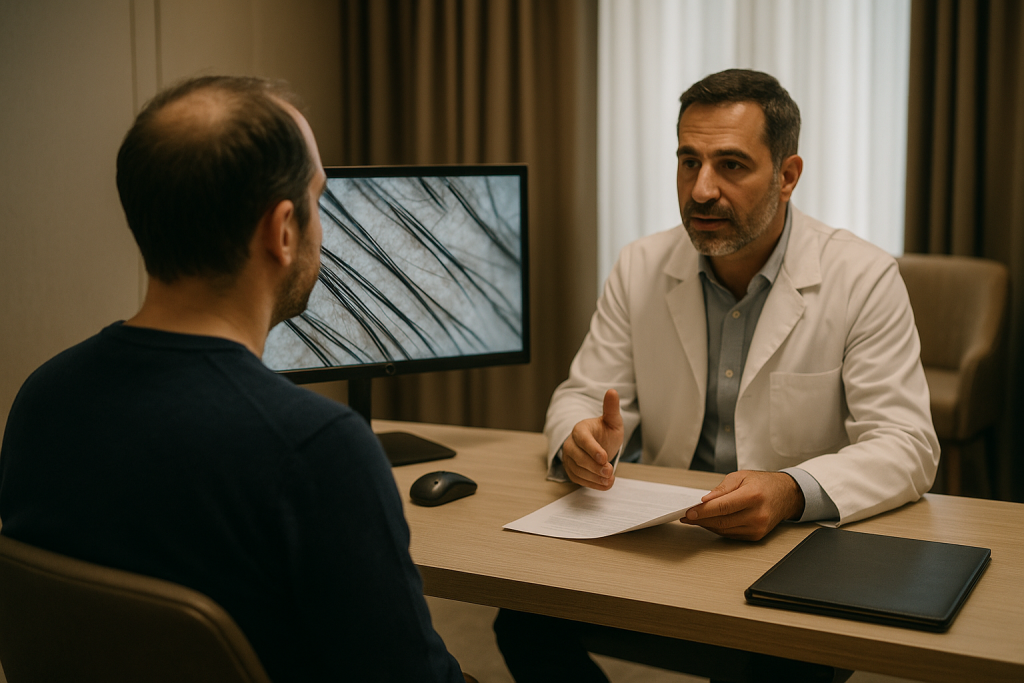
Medicine is most useful when it is based on a confirmed diagnosis. For example, it is not designed to treat every cause of diffuse shedding or scarring hair loss. Your doctor may use a medical history, scalp examination, photographs and trichoscopic assessment to understand the type of hair loss. In some cases, blood tests or referral for another medical evaluation may also be appropriate before any long-term treatment is considered.
03Why stabilising native hair can improve transplant planning
Hair transplantation is a redistribution procedure. The surgeon takes follicles from the donor area and places them in areas with lower density, but the original hairs between and behind those grafts may still be vulnerable to DHT-related thinning. If native hair continues to miniaturise after surgery, an initially full-looking area may later appear less dense. This is why a long-term view is important when designing a hairline, frontal zone or crown plan.
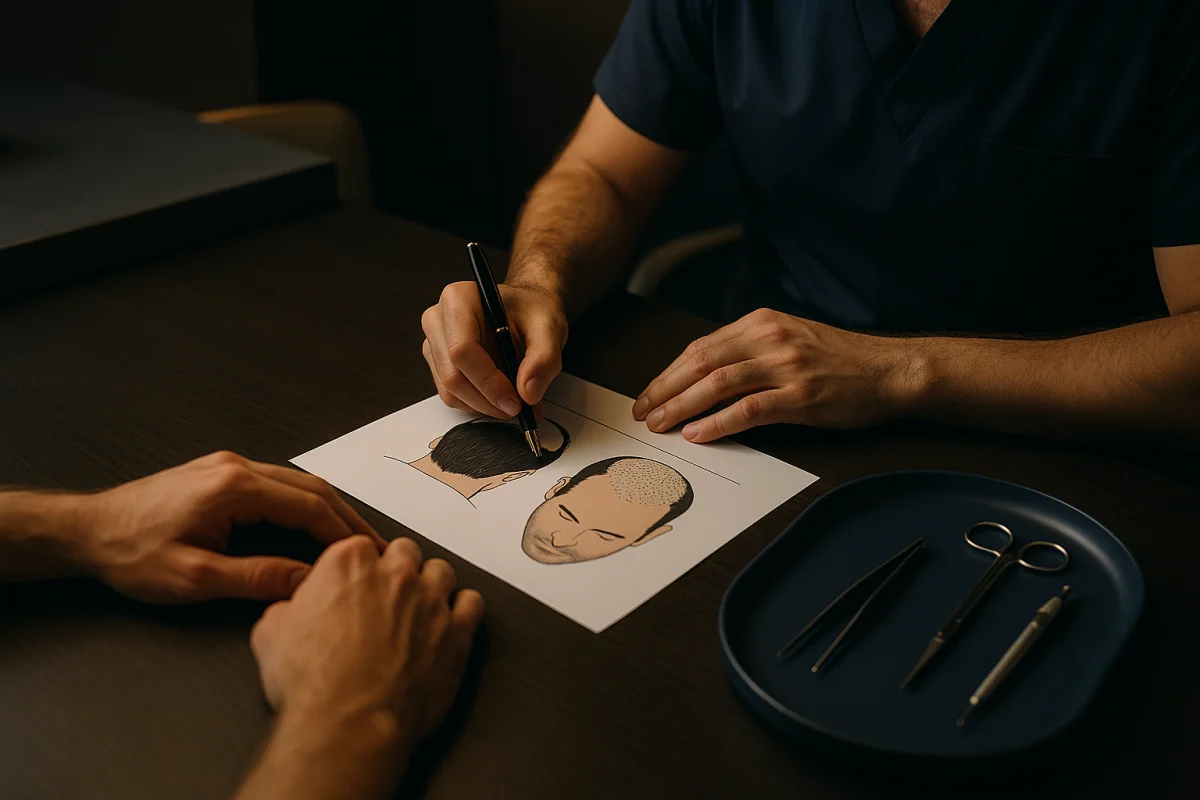
For suitable patients, propecia may be considered during the planning period to see whether the rate of loss becomes more controlled. This may help the medical team understand which areas need grafts now and which areas may retain useful coverage with medical support. It can also help avoid an overly aggressive surgical design that uses a large number of donor grafts too early. However, medicine cannot restore every follicle that has already been lost.
Stabilisation does not mean that hair loss is permanently cured. Genetics, age and individual response continue to influence the long-term picture. A responsible treatment plan leaves room for future changes and protects donor hair where possible. In most patients, a conservative and age-appropriate hairline is easier to maintain than a very low or dense design that may not match future hair loss patterns.
04Medical assessment before starting prescription treatment
A medical review should come before a prescription. The doctor will usually ask about the beginning and progression of hair loss, previous treatments, family history, current medicines, allergies, hormonal concerns and general health. This conversation helps identify possible reasons to avoid a medicine, reasons to investigate further, or factors that could affect transplant timing and recovery.
It is also important to discuss reproductive plans. Finasteride is not intended for use during pregnancy. Women who are pregnant or may become pregnant should not handle crushed or broken finasteride tablets because of the potential risk to a developing male fetus. A prescribing doctor can explain relevant safety precautions and answer questions about fertility, semen changes and family-planning concerns in an individual clinical context.
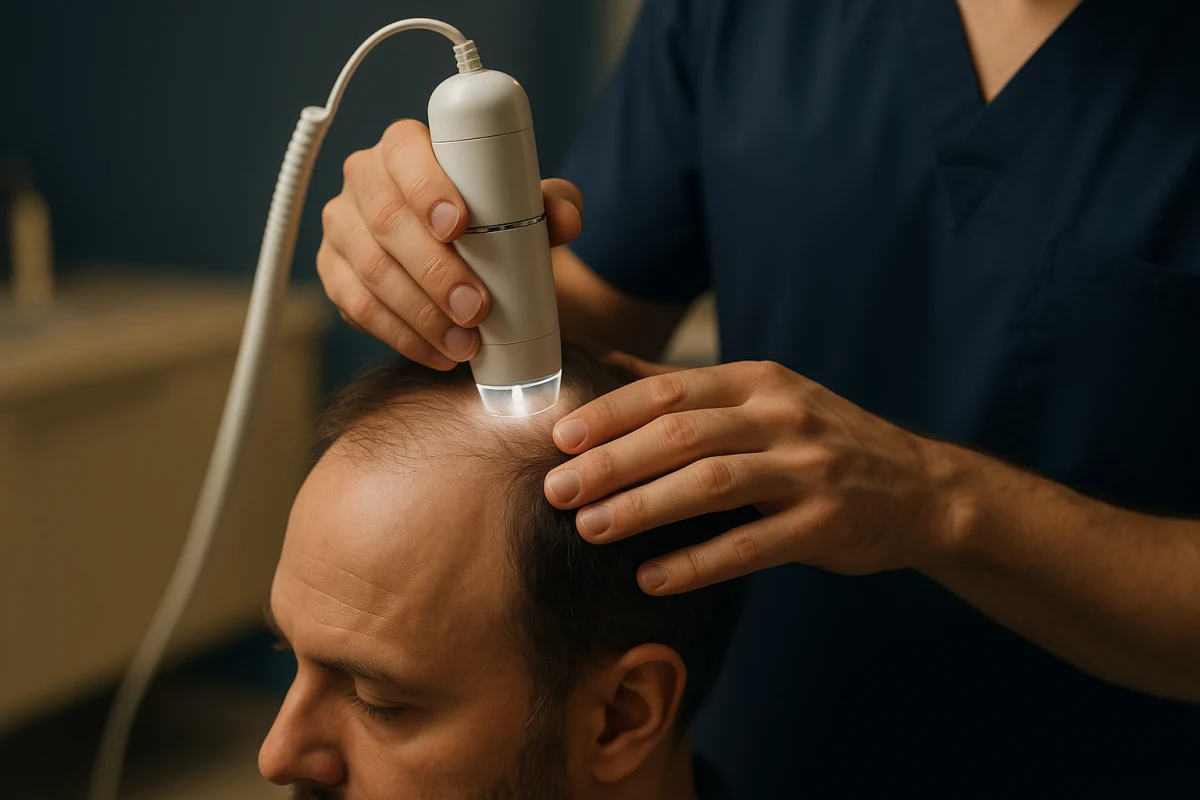
Photos and scalp measurements taken before treatment can provide a more reliable starting point than memory alone. Hair changes are gradual, so assessment commonly focuses on trends over months rather than days or weeks. Your doctor may use standardised photographs or trichoscopy to check hair calibre, density and signs of continued miniaturisation. This information can later support a better decision about whether surgery is needed and where grafts would be most valuable.
05Side effects, safety monitoring and informed consent
Like all prescription medicines, finasteride can cause side effects. The side effects that often concern patients most are sexual symptoms, such as lower sexual desire, difficulty with erections or changes in ejaculation. Breast tenderness or enlargement, testicular discomfort, skin reactions and changes in semen parameters have also been reported. These effects do not occur in every patient, but they should be understood before treatment begins.
Mood changes, including low mood and depression, have been reported with finasteride. Anyone who develops significant mood changes, depression or thoughts of self-harm should seek urgent medical help and contact the prescribing clinician promptly. If you experience a new symptom while taking propecia or another prescription medicine, do not ignore it or make assumptions about the cause. A doctor can review the symptom, your wider health and the safest next step.
Finasteride can reduce prostate-specific antigen, known as PSA, which is one reason patients should tell healthcare professionals that they are taking it before PSA testing or prostate assessment. It is also important to disclose all medicines and supplements, even if they seem unrelated to hair loss. Regular communication with the prescribing doctor allows concerns to be reviewed early and helps ensure that treatment remains appropriate over time.
06When to start, continue or review medicine around surgery
There is no single schedule that suits every transplant patient. Some people begin medical treatment well before surgery, while others are assessed after their diagnosis and surgical plan are clear. The aim is not to delay care without reason. It is to understand the current pattern of loss and create a plan that makes sensible use of the donor area. Your doctor will confirm whether medication is appropriate and when it should be reviewed.
Finasteride does not usually require the same type of bleeding-related precautions as medicines that affect blood clotting, but every patient must provide a complete medication list before surgery. Never stop, restart or change a prescription simply because of an online recommendation or a transplant date. Your surgeon, prescribing doctor and anaesthesia team, where relevant, should know what you take so they can provide advice based on your medical circumstances.
After a transplant, the focus is on protecting grafts during early healing and monitoring both transplanted and native hair over the following months. Temporary shedding can be part of the normal hair cycle after a procedure, so it is important not to judge the final result too early. Follow-up appointments allow the team to assess healing, review native hair stability and discuss whether the wider hair-loss plan still fits your needs.
07What medicine can and cannot achieve before transplantation
Prescription medicine may help retain vulnerable hairs, but it cannot create an unlimited donor supply or guarantee that surgery will not be needed. It is less likely to regrow hair in areas where follicles have been absent for a long time, and it does not correct scarring conditions or every medical cause of hair loss. A transplant may still be the most effective way to add visible coverage to a completely bare or significantly thinned area.
It is also important to separate cosmetic expectations from medical reality. A denser appearance may be possible when existing hair is preserved and grafts are placed strategically, but final density depends on donor characteristics, scalp contrast, hair calibre, curl, the size of the recipient area and healing. A doctor should explain these limits clearly before you commit to medication or surgery.
Some patients may be unsuitable for finasteride, may prefer not to use it, or may experience side effects that lead to a different approach. This does not automatically prevent hair transplantation. It means the surgical plan may need to be more conservative, particularly if future native hair loss is likely. Non-prescription topical options, lifestyle factors and treatment for an underlying scalp condition may be discussed where medically appropriate, but these should not be viewed as direct substitutes without professional guidance.
08Building a long-term hair restoration follow-up plan
The best time to discuss future hair loss is before surgery, not after it becomes visible. A long-term plan should cover donor preservation, likely areas of future thinning, possible need for medical management and how results will be assessed. This helps patients make decisions based on their full hair-loss pattern rather than only the area that is most noticeable today.
At Acibadem Hair Transplant Center in Istanbul, doctors review free online hair analyses before advising on the next steps. The dedicated hair restoration clinic is licensed by the Turkish Ministry of Health and offers Sapphire FUE and DHI techniques. For patients who proceed with surgery, all-inclusive packages can include VIP transfer, a 4-star hotel, a care kit and 12 months of follow-up. A doctor will still need to confirm whether a prescription medicine or a transplant is suitable for you.
Follow-up should focus on more than photographs alone. The clinic measures graft survival using trichoscopy at month 12, with a documented 98% rate under its written guarantee. This graft-survival measure does not predict how every patient will respond to prescription medicine or how native hair loss may progress. Continued communication with the clinical team helps keep medication, scalp care and any future surgical decisions aligned with your changing needs.
09Frequently Asked Questions
What is the most important side effect to know about finasteride?
Sexual side effects are often the main concern for patients considering finasteride. They can include reduced libido, erection difficulties or changes in ejaculation. Mood changes and breast-related symptoms should also be discussed, and any significant new symptom should be reviewed promptly by a doctor.
Can you buy Propecia without a prescription?
Propecia is a prescription medicine and is not generally available over the counter. A doctor should confirm the cause of hair loss, review your medical history and explain potential risks before prescribing finasteride. Availability and prescribing rules may vary by country.
Does Propecia increase testosterone levels?
Because finasteride reduces the conversion of testosterone to DHT, blood testosterone may increase slightly in some patients. This is not the same as testosterone therapy, and it is not prescribed to raise testosterone. A doctor can explain what this may mean in the context of your health and any hormone-related concerns.
What does Propecia do for hair loss?
Propecia contains finasteride, which reduces DHT activity in genetically sensitive scalp follicles. In suitable patients with male-pattern hair loss, it may slow further thinning and may improve the appearance of existing hair over time. Results vary, and the medicine does not treat every form of hair loss or replace a personalised transplant assessment.
This article is for general information only and is not a substitute for professional medical advice.
 06
06 12
12