
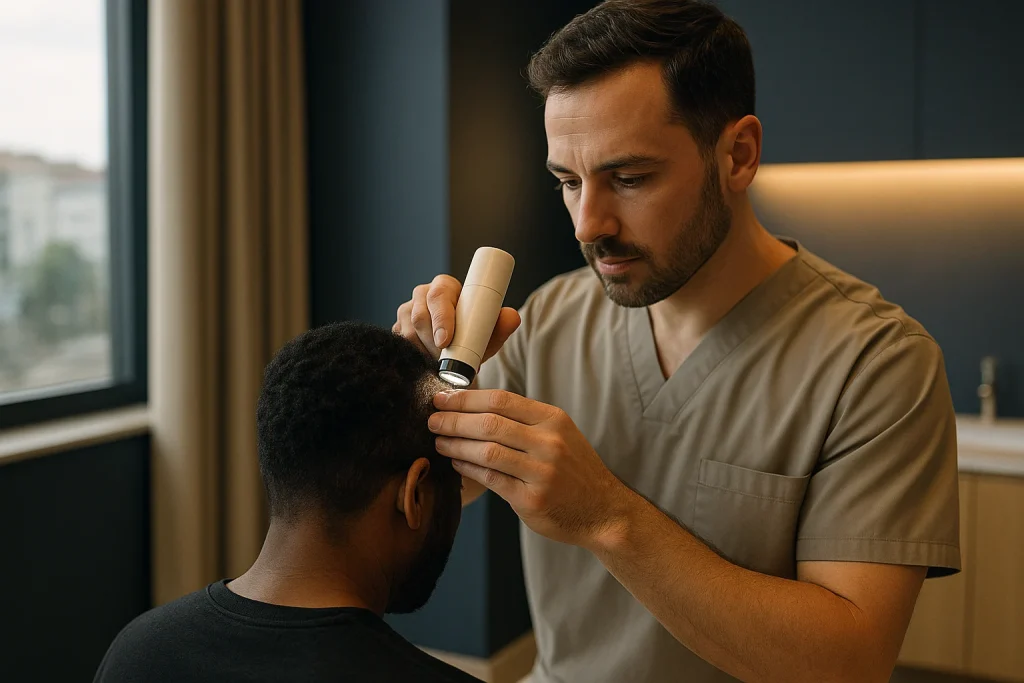
Before a hair transplant, consult a hair specialist for alopecia who can identify the type and cause of your hair loss. A dermatologist with experience in hair and scalp disorders is usually the right starting point, and your doctor can confirm whether medical treatment, monitoring or transplant planning is appropriate.
- A correct alopecia diagnosis is essential because not every form of hair loss is suitable for transplant surgery.
- A dermatologist can examine the scalp, review your health history and arrange tests when they are clinically needed.
- Autoimmune or inflammatory hair loss may need to be stable for a period before a transplant is considered.
- A transplant specialist should assess donor hair, long-term loss patterns and realistic coverage goals after diagnosis.
- A free online hair analysis can be a helpful first step, but it does not replace an in-person medical assessment when needed.
01Choosing an Alopecia Specialist Before Hair Transplant
Hair loss can have many causes, including genetic pattern loss, autoimmune conditions, hormonal changes, nutritional issues, medications, infection, scalp inflammation and physical damage to the hair shaft. For this reason, seeing a hair specialist for alopecia before arranging surgery is an important safety step. The aim is not simply to decide how many grafts may be needed. First, the clinician should identify what type of alopecia is present, whether the process is active, and whether hair restoration surgery is likely to be medically appropriate.
Alopecia is a broad medical term for hair loss. Some forms develop slowly over years, while others begin suddenly and may leave smooth patches, itching, scaling, redness or tenderness. These differences matter. Hair transplantation redistributes healthy follicles from a donor area to a thinning area; it does not treat the underlying disease that caused hair loss. If that disease remains active, newly transplanted hair and existing native hair may be affected.
For many people, the most suitable first appointment is with a dermatologist who has an interest in hair and scalp disorders. Depending on the findings, this doctor may manage treatment directly, request further assessment, or work alongside a hair restoration surgeon. This approach helps separate a medical diagnosis from a cosmetic procedure decision. It also gives patients clearer expectations about what treatment can and cannot achieve.
02What an Alopecia Assessment Should Include
A thorough consultation usually begins with your story. The doctor may ask when shedding or thinning began, how quickly it changed, whether relatives have similar hair loss, and whether you have recently experienced illness, childbirth, major stress, weight change or surgery. They may also ask about regular medicines, supplements, styling practices and scalp symptoms. Honest details are useful because different patterns can point towards different causes, even when the visible thinning appears similar.
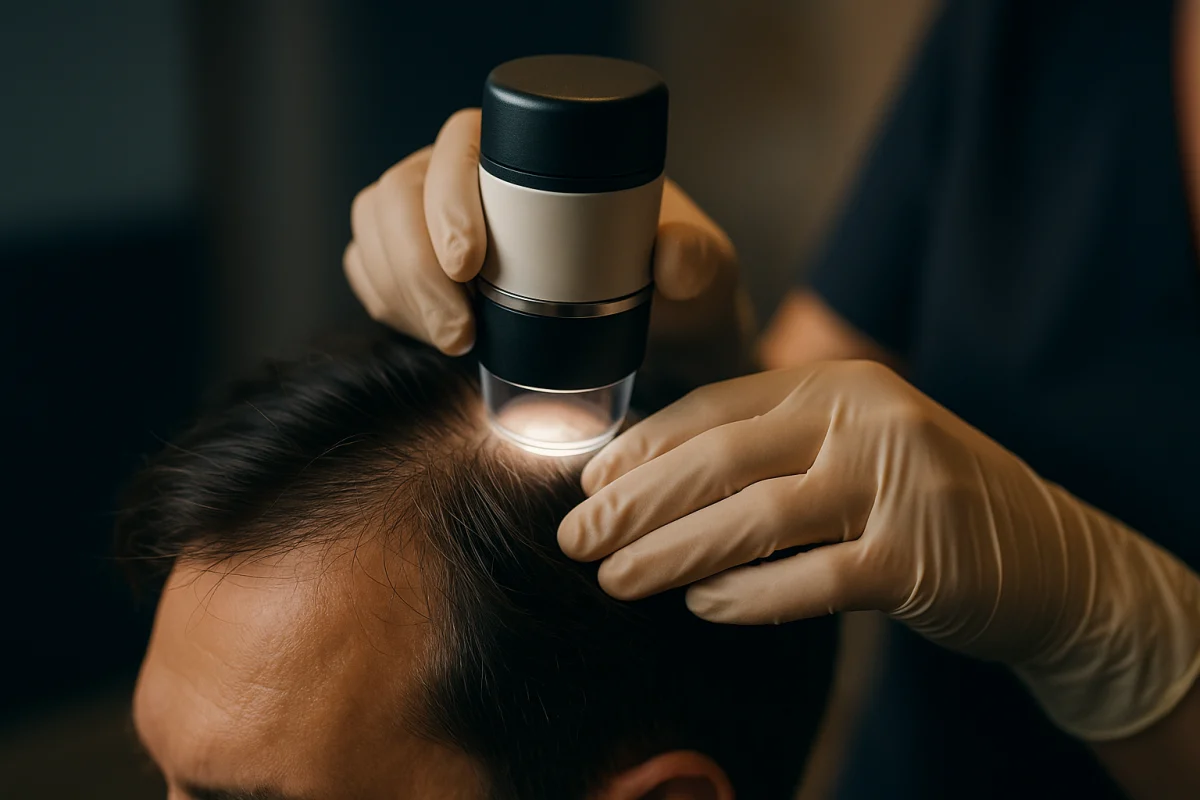
The scalp examination is equally important. A clinician may look at the distribution of loss, follicle openings, hair diameter variation, broken hairs, scaling and signs of inflammation. Trichoscopy, a close examination of the scalp and hair using magnification, can help document these features. It may support diagnosis and provide a baseline for future comparison. In some circumstances, photographs or repeat trichoscopic assessments can show whether a condition is stable, improving or progressing.
Not every patient needs laboratory tests or a scalp biopsy. Your doctor will decide whether these are clinically appropriate based on your history and examination. Blood testing may be considered where there are symptoms or risk factors suggesting an underlying issue, while a biopsy may sometimes help clarify suspected scarring alopecia or an uncertain diagnosis. Testing should be targeted rather than assumed, because a useful result depends on the individual clinical question.
03Hair Specialist for Alopecia: Which Professional to Choose
When people search for a hair specialist for alopecia, they may find several professional titles. In most cases, a board-qualified or appropriately licensed dermatologist is the best first medical professional to see. Dermatologists diagnose conditions affecting the skin, scalp and hair follicles. They can distinguish common pattern hair loss from conditions that may need medical treatment first, including alopecia areata, scalp infections and inflammatory forms of hair loss.
A hair transplant surgeon has a different but complementary role. This clinician evaluates whether available donor hair can be safely moved and how a surgical plan may fit your current and likely future pattern of loss. A responsible surgical consultation should include discussion of diagnosis, medical history, donor density, scalp characteristics, likely progression and the limits of graft supply. If the cause of hair loss is unclear, surgery should generally wait until it has been assessed.
It can be helpful to choose a clinic that communicates clearly between medical diagnosis and surgical planning. At Acibadem Hair Transplant Center, a dedicated hair restoration clinic in Istanbul licensed by the Turkish Ministry of Health, patients can begin with a free online hair analysis reviewed by doctors. Replies on WhatsApp are typically provided within around two hours. However, online photographs can only provide preliminary guidance, and your doctor may recommend an in-person examination or local dermatology review before confirming suitability.
04Why the Type of Alopecia Changes Transplant Timing
Androgenetic alopecia, often called male-pattern or female-pattern hair loss, is a common reason people explore transplantation. It usually causes gradual miniaturisation of genetically susceptible hairs in a recognisable distribution. Even in this situation, the pattern may continue over time. A specialist should therefore consider both the current thinning area and the possibility of future loss, especially in younger patients. Conserving donor hair and designing a natural-looking plan are usually more important than trying to create the lowest possible hairline.
Alopecia areata is different because it is generally considered an autoimmune form of hair loss. It can cause round or irregular patches of loss and may involve the scalp, beard, eyebrows or other body hair. Its course can be unpredictable, with regrowth in some people and recurrence in others. Transplantation is not usually the first response when alopecia areata is active. A dermatologist should guide disease assessment and treatment, and any future surgical discussion should be cautious and individual.
Scarring alopecias require particular care. In these conditions, inflammation can damage follicles and replace them with scar tissue. The scalp may look smooth or shiny, and some people experience burning, pain, itch or tenderness. A transplant performed while inflammation is active may not provide the expected result. Doctors generally focus on diagnosing and controlling the inflammatory process first. Only after a documented period of stability might a specialist discuss whether a carefully selected transplant could be considered.
05Medical Treatment, Stability and Long-Term Planning
For some types of hair loss, medical treatment may be the main priority before any procedure. The treatment plan depends entirely on the diagnosis and can include observation, changes to hair care practices, management of an underlying condition, anti-inflammatory treatment or therapies intended to support susceptible follicles. Your dermatologist will explain potential benefits, limitations, side effects and follow-up needs. It is important not to start, stop or combine treatments based solely on online information or another person’s experience.
Stability does not always mean that no hair falls out at all. Hair naturally cycles, and normal daily shedding can occur. In a hair-loss consultation, stability usually refers to a condition that is no longer showing meaningful clinical progression or active inflammation over a period assessed by the treating doctor. The appropriate duration is not the same for every diagnosis. For autoimmune and scarring conditions, the doctor may use symptoms, examination findings, photographs and trichoscopy to guide this decision.
Long-term planning also protects the donor area. The back and sides of the scalp are often more resistant to genetic thinning, but donor hair is not unlimited and its characteristics vary. A careful assessment estimates what may be safely harvested while maintaining a balanced appearance. At our clinic, Sapphire FUE and DHI techniques are available, but a technique should be selected only after medical and surgical assessment. No technique can overcome an unstable disease process or create unlimited density.
06Questions to Ask Before You Commit to Surgery
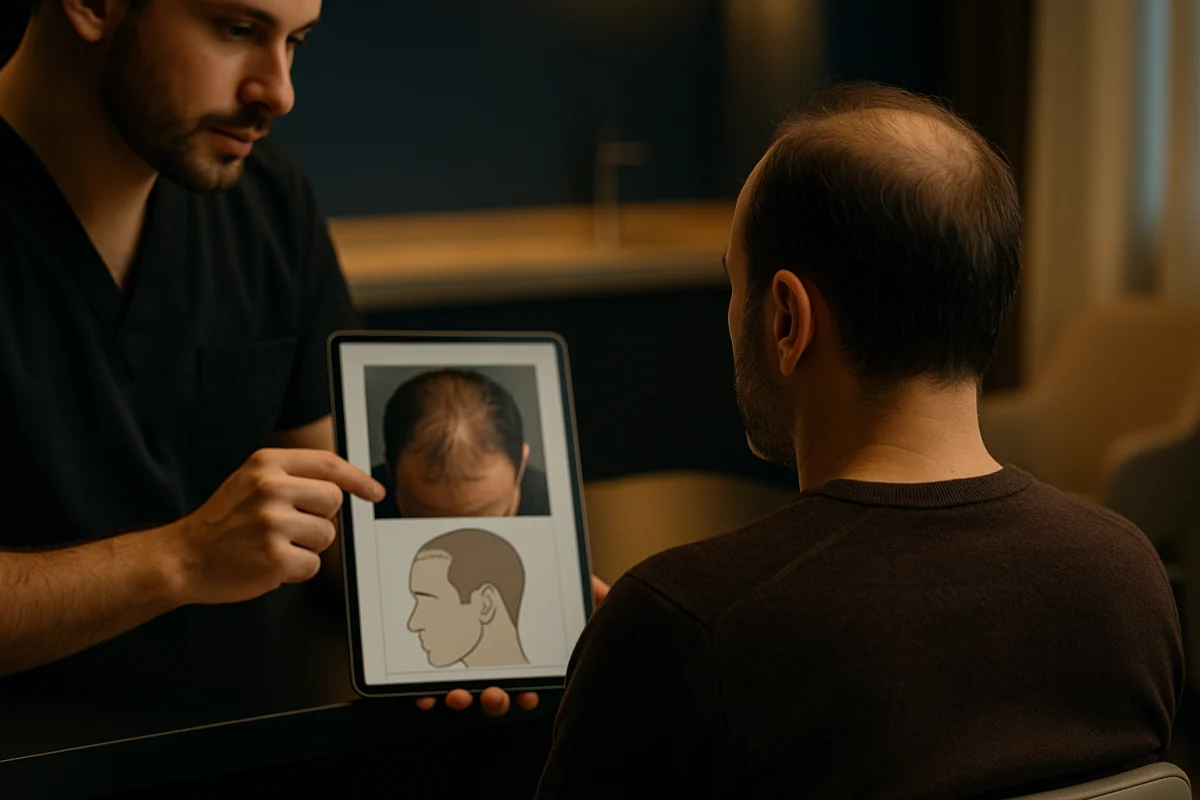
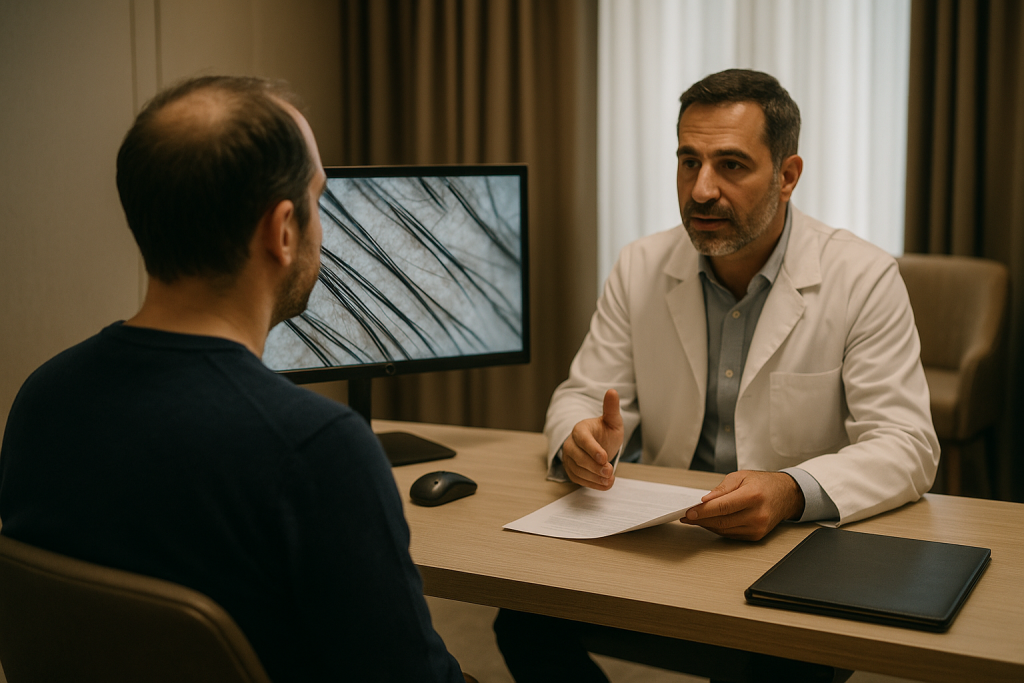
Ask the clinician to explain the working diagnosis in clear language. Useful questions include: What type of alopecia do I have? Is there evidence that it is active? Do I need further tests or a dermatology review? Could my current hair loss progress? What should be treated before surgery? Clear answers help you understand whether a transplant is the next step or whether it should be delayed. Be cautious of consultations that focus only on graft numbers without discussing the cause of hair loss.
You can also ask how the donor area will be assessed and protected. A surgical team should discuss whether your donor density, hair calibre, curl pattern and scalp-to-hair colour contrast affect the likely visual result. They should explain that density after transplantation is usually an optical improvement rather than a return to the density of an untouched scalp. A plan should take account of future thinning and avoid using donor follicles too aggressively in one early procedure.
International patients should also ask about continuity of care. Acibadem Hair Transplant Center offers all-inclusive packages that can include VIP transfer, a 4-star hotel, a care kit and 12 months of follow-up. Needle-free anaesthesia is available for suitable patients. Results are measured by trichoscopic graft survival at month 12, with a documented 98% rate under written guarantee. These service details do not replace diagnosis, and eligibility, treatment planning and expected outcomes must always be confirmed by the medical team.
07Preparing for a Safe and Informed Next Step
Gather useful information before your consultation. If possible, make a simple timeline of when hair loss started, previous treatments, medical diagnoses, family history and current medicines or supplements. Bring or send clear photographs taken in good lighting from the front, top, temples, crown and donor area. If you have seen a dermatologist before, relevant reports, blood test results or biopsy findings can help the next clinician understand the history without repeating unnecessary steps.
A remote assessment can help you understand whether you may be a candidate for further evaluation. It is particularly useful for discussing visible pattern loss, travel planning and broad questions about transplant methods. Still, photographs may not reveal subtle inflammation, miniaturisation, scalp symptoms or changes in follicle openings. If you have sudden shedding, painful scalp symptoms, scaling, patchy loss, eyebrow loss or signs of scarring, seek medical evaluation promptly rather than relying on a remote cosmetic assessment alone.
The right decision is often based on timing as much as technique. Some patients can move from diagnosis to transplant planning once their pattern and donor supply are assessed. Others may benefit from medical treatment, observation or additional investigations first. A careful hair specialist for alopecia will place scalp health and long-term safety before a quick procedure. This measured approach can support a more appropriate plan if transplantation later becomes an option.
08Frequently Asked Questions
Which doctor is usually best to see for alopecia?
A dermatologist with experience in hair and scalp disorders is usually the best first doctor to see for alopecia. They can diagnose the cause of hair loss and advise whether treatment, monitoring, further tests or referral for transplant planning is appropriate. A hair transplant surgeon may become involved after the diagnosis and stability of the condition have been assessed.
What autoimmune condition is associated with alopecia?
Alopecia areata is itself generally considered an autoimmune condition in which the immune system affects hair follicles. It can occur alongside other autoimmune diseases in some patients, but this does not mean that everyone with alopecia areata has another autoimmune diagnosis. Your doctor can decide whether your symptoms and history suggest a need for further evaluation.
What type of medical professional should I consult about hair loss?
Start with a dermatologist, particularly if hair loss is sudden, patchy, painful, itchy, associated with scaling or accompanied by changes elsewhere on the body. A dermatologist can assess the scalp and identify medical causes. If transplantation may be suitable later, a qualified hair restoration surgeon can then evaluate donor hair and surgical options.
Does health insurance usually cover alopecia treatment?
Insurance coverage varies widely by country, insurer, policy terms and the reason for treatment. Assessment and treatment for a medical scalp condition may be covered in some plans, while cosmetic hair transplantation is often excluded. Contact your insurer directly and ask for written confirmation of coverage, referral requirements and any pre-authorisation rules before arranging care.
This article is for general information only and is not a substitute for professional medical advice.
 06
06 12
12