
Ketoconazole shampoo may help control dandruff and scalp inflammation before a hair transplant, but it is not a proven stand-alone treatment for genetic hair loss. For people searching nizoral shampoo balding information, the key point is that a healthy, calm scalp can support preparation, while your doctor should confirm whether and when to use any medicated shampoo.
- Ketoconazole shampoo is mainly used to manage dandruff, seborrhoeic dermatitis and related scalp irritation.
- Current evidence does not confirm that ketoconazole shampoo alone can stop genetic hair loss or replace medical treatment.
- A clean, non-irritated scalp is important before hair transplantation, but product timing should be confirmed by the surgical team.
- Temporary shedding can have many causes, including inflammation, an underlying hair-loss condition or normal hair-cycle changes.
- Patients should tell their doctor about all shampoos, medicines, allergies and active scalp symptoms before surgery.
01Ketoconazole Shampoo and Hair Transplant Preparation
Ketoconazole shampoo is a medicated cleansing product commonly used for dandruff and seborrhoeic dermatitis. It can be relevant before hair transplantation because flakes, excess oil, itching and inflammation may make the scalp uncomfortable and can affect how easily the skin is assessed. People researching nizoral shampoo balding often want to know whether this type of shampoo will prevent further thinning before surgery. In most cases, its main role is scalp-condition management rather than direct hair-regrowth treatment.
Hair transplant preparation begins with an accurate diagnosis. Pattern hair loss, diffuse shedding, scalp dermatitis, psoriasis, fungal infection, traction damage and scarring conditions can look similar at first glance, but they need different care. A shampoo may improve visible flakes or irritation without addressing the reason hair is becoming thinner. For this reason, a medical review is more useful than relying on online product claims or photographs alone.
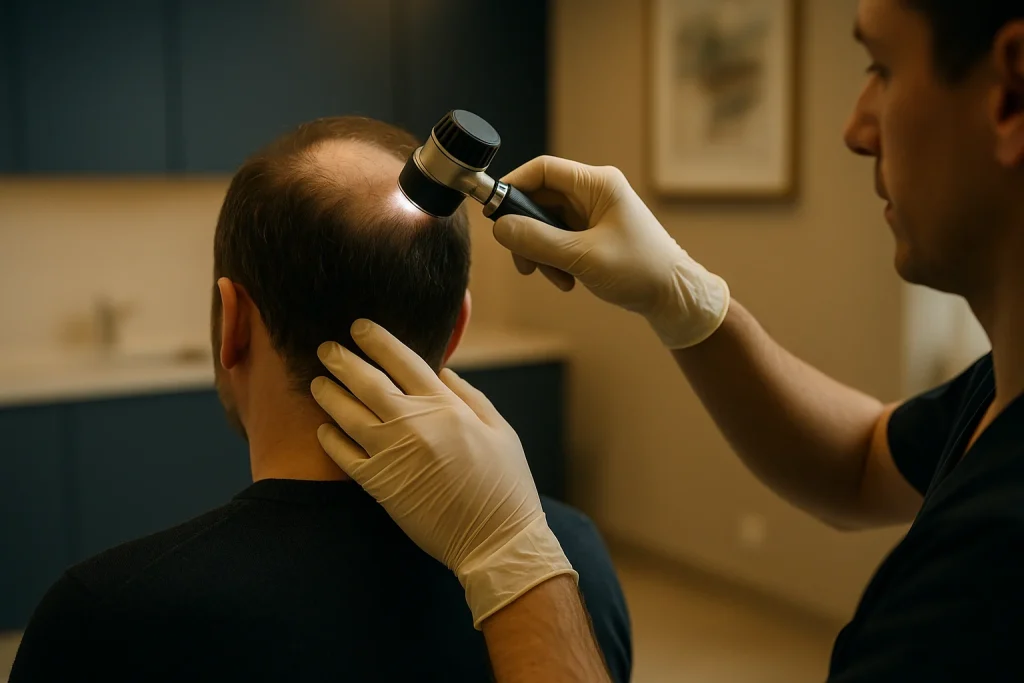
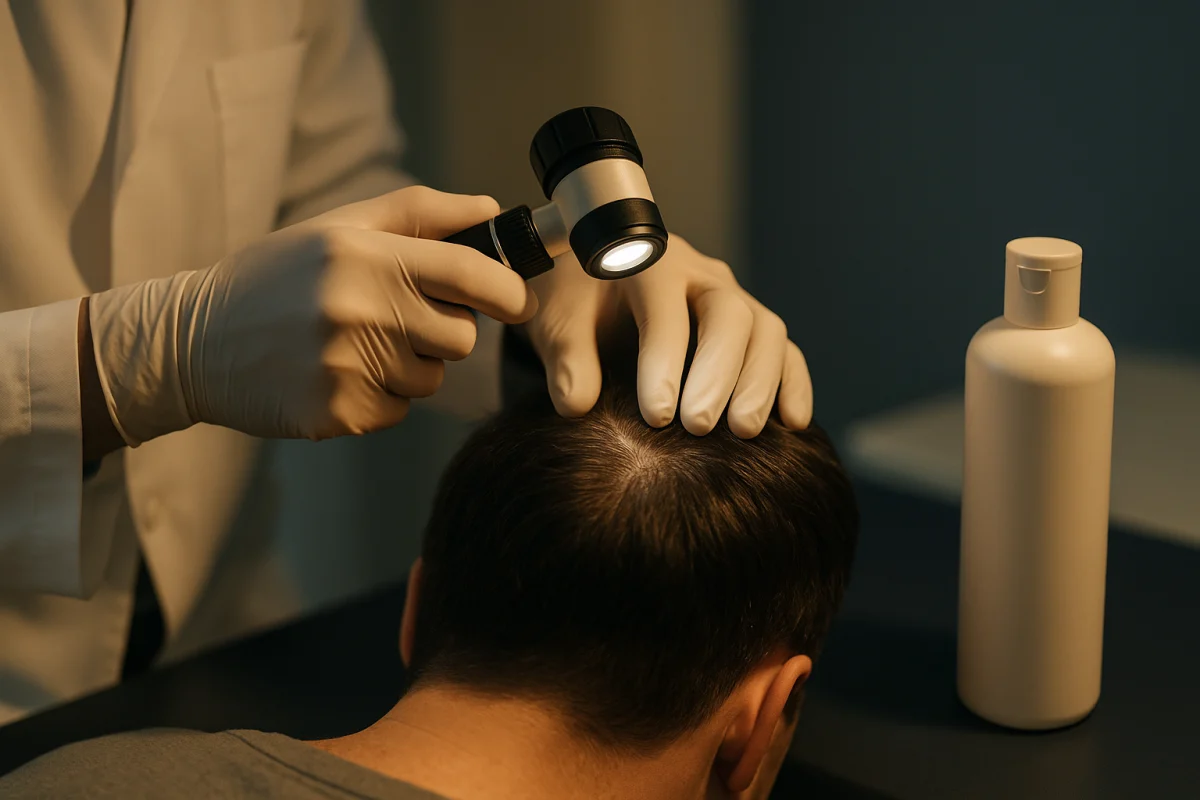
Before a procedure, the doctor and clinical team typically examine the recipient area, donor area and scalp skin. They may ask about itch, scale, redness, previous reactions to hair products, regular medication and recent illness. If a scalp condition is active, it may need to be controlled first. The appropriate shampoo, concentration, frequency and stop date depend on the individual scalp and the clinic’s pre-operative protocol.
02What Ketoconazole Shampoo Can and Cannot Do for the Scalp
Ketoconazole is an antifungal medicine. In shampoo form, it is generally used to reduce the yeast activity associated with dandruff and seborrhoeic dermatitis. When these conditions are present, treatment may lessen flaking, greasy scale, itch and redness over time. This can make washing more comfortable and help create a cleaner scalp environment before a clinical assessment or planned procedure.
A reduction in inflammation can sometimes make hair shedding appear less noticeable when shedding is linked to an irritated scalp. However, this does not mean the shampoo has corrected androgenetic alopecia, also called male- or female-pattern hair loss. Genetic hair loss is driven by a combination of inherited follicle sensitivity and hormonal influences. It usually requires a broader medical discussion, particularly if thinning is progressing.
Ketoconazole shampoo is also not a substitute for careful scalp hygiene. Using more product than advised, scratching vigorously or leaving a medicated cleanser on for longer than directed can irritate some scalps. Dryness, burning, redness or a rash should be discussed with a healthcare professional. Before hair transplantation, the goal is not to use as many products as possible; it is to have a stable scalp and a clear, doctor-led plan.
03Nizoral Shampoo Balding: Understanding the DHT Question
The phrase nizoral shampoo balding is often linked to questions about dihydrotestosterone, usually shortened to DHT. DHT is an androgen that can contribute to follicle miniaturisation in people who are genetically susceptible to pattern hair loss. As follicles become smaller, hairs may grow finer and spend less time in their active growth phase. This process is not the same as dandruff, even though both can occur on the same scalp.
Laboratory and limited clinical observations have led to discussion about whether ketoconazole could influence pathways related to androgens or inflammation. However, this is not the same as proving that a shampoo reliably blocks DHT in the scalp at a clinically meaningful level. Shampoo is rinsed from the skin, and its established clinical purpose is antifungal scalp care. It should not be presented as a dependable DHT-blocking treatment or as a replacement for treatments prescribed for androgenetic alopecia.
For hair transplant candidates, it is especially important to separate supportive scalp care from hair-loss control. A transplant redistributes resistant donor follicles into thinning areas; it does not automatically stop ongoing loss in surrounding native hair. Your doctor may discuss long-term management options where appropriate, but the right approach depends on your diagnosis, medical history, age, donor supply and pattern of future loss.
04Choosing a Shampoo Strength and Routine Before Surgery
Ketoconazole shampoos may be available in different strengths depending on local regulations and whether they are supplied over the counter or by prescription. A higher percentage does not automatically mean it is better for every person or every scalp. Stronger formulations can be useful for particular diagnosed conditions, but they may also cause dryness or irritation in some users. A clinician should confirm whether a medicated shampoo is suitable for you.
When a shampoo is recommended, patients are commonly given instructions about how often to use it, how long to leave it on and when to alternate with a gentle cleanser. These instructions should be followed exactly, including any advice about stopping or changing products before surgery. Adding oils, scrubs, strong exfoliants, hair fibres or several new active products at the same time can make it difficult to identify the cause of a reaction.
Do not use a medicated shampoo to cover up persistent symptoms before a consultation. Thick scale, bleeding, painful spots, pustules, extensive redness or sudden patchy hair loss should be medically assessed. These signs may indicate a condition that needs diagnosis before transplantation is considered. A careful assessment protects both scalp health and the planning of the recipient area.
05Preparing the Scalp in the Weeks Before Hair Transplantation
In the weeks before hair transplantation, most preparation is straightforward: keep the scalp clean, follow the clinic’s washing guidance and avoid irritating treatments unless they have been approved by your doctor. If ketoconazole has been recommended for dandruff or seborrhoeic dermatitis, consistency may help bring symptoms under control. It is usually better to start any clinically advised scalp treatment early enough for the team to review the response rather than making changes immediately before surgery.
The surgical team also needs a complete picture of your health. Tell them about prescription medicines, supplements, allergies, past skin reactions, chronic conditions and previous scalp procedures. Some medicines and supplements may need specific instructions before surgery, but patients should never stop prescribed treatment without advice from the doctor managing it. This information supports safer planning and helps reduce avoidable delays.
Hair colouring, chemical straightening, bleaching and aggressive scalp treatments may irritate the skin or make scalp evaluation more difficult. The clinic will provide practical timing guidance based on its protocol. If you have been using a medicated shampoo, bring its name, strength and frequency of use to your consultation. Clear communication is more useful than trying to self-manage every scalp concern in the days before your procedure.
06Why a Calm Scalp Matters on the Day of the Procedure
A hair transplant involves work in both the donor and recipient areas. With Sapphire FUE, follicles are extracted individually and recipient channels are created using sapphire blades. With DHI, implanted grafts are placed using a specialised implanter technique. In either method, a calm scalp without uncontrolled inflammation supports a more comfortable clinical experience and helps the team assess the skin accurately.
If the scalp is very flaky, inflamed or infected, the doctor may recommend treating the condition before proceeding. This is not a setback; it is a safety-focused decision. Operating through active dermatitis or infection may increase discomfort and complicate post-procedure care. Your doctor will confirm whether the scalp is ready and whether any shampoo should be used, paused or replaced before the appointment.
At Acibadem Hair Transplant Center in Istanbul, patient preparation is reviewed as part of the treatment journey. The dedicated hair restoration clinic is licensed by the Turkish Ministry of Health and offers Sapphire FUE and DHI techniques. A free online hair analysis can be reviewed by doctors before travel, allowing patients to raise questions about scalp symptoms, current hair products and preparation instructions in advance.
07Washing and Medicated Shampoo After a Hair Transplant
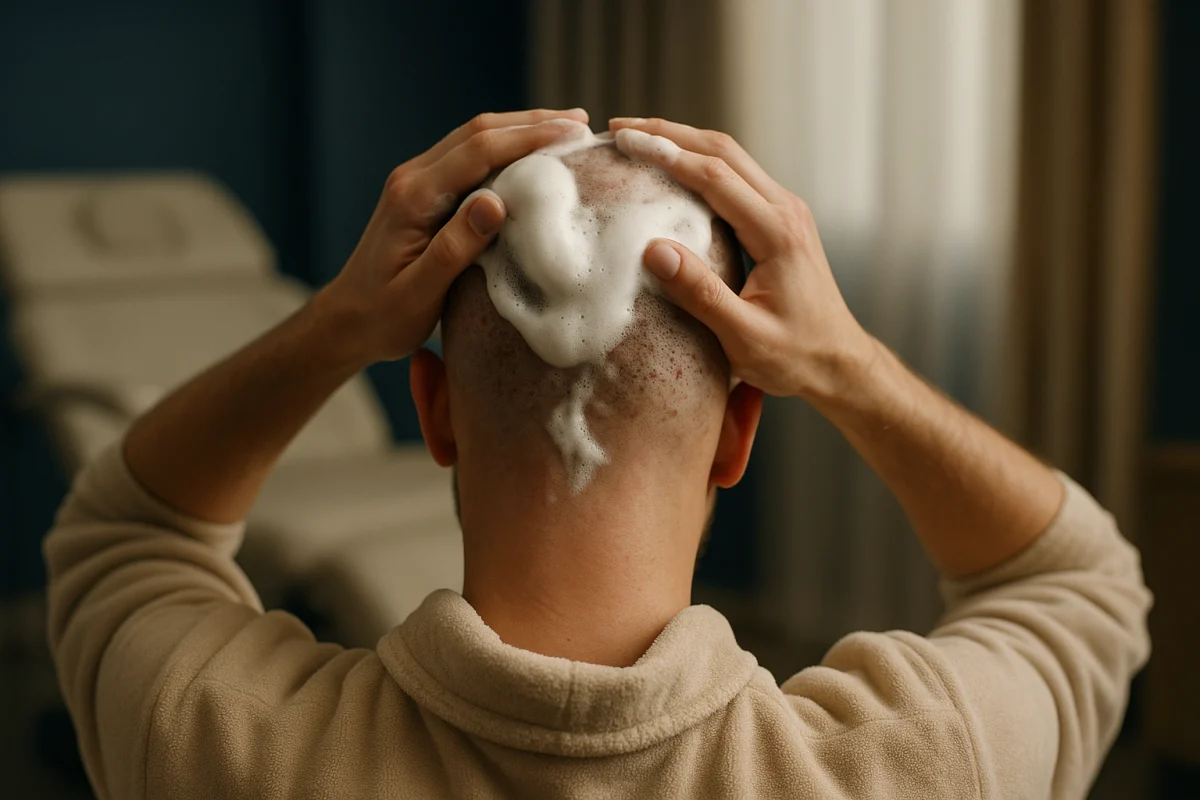
After transplantation, newly placed grafts need gentle handling while the skin begins to heal. The clinic will provide a specific washing routine and explain when to start cleansing, how to apply the recommended products and how to rinse without rubbing the grafted area. This protocol takes priority over a pre-existing shampoo routine. Even a familiar medicated shampoo should not be restarted on the recipient area unless the surgical team has approved it.
During early healing, small crusts, temporary redness and mild itch can occur. Patients should not scratch, pick at crusts or introduce unapproved products to relieve itching. A fragranced cosmetic shampoo, harsh cleanser or medicated product may cause unnecessary irritation during this period. Contact the clinic if symptoms are worsening, painful, associated with discharge or accompanied by a fever, rather than attempting to treat them independently.
Later in recovery, some patients may return to a medicated shampoo if they still have dandruff or a diagnosed scalp condition. The timing and frequency should be individualised by the treating team. Long-term scalp care matters because transplanted hair grows alongside existing native hair, and protecting the health of the entire scalp remains important after the visible healing phase has passed.
08When Ongoing Thinning Needs More Than Shampoo
If thinning continues despite improved dandruff, it may be a sign that the main cause is not scalp scale alone. Genetic pattern loss is common, but nutritional deficiencies, thyroid disorders, medication changes, stress-related shedding, autoimmune conditions and other medical causes can also contribute. A clinician may recommend examination, medical history review or tests when appropriate. A shampoo cannot diagnose these causes.
People searching nizoral shampoo balding answers may also be concerned that washing is making hair fall out. In many cases, hairs noticed during washing were already in the shedding phase and would have detached later. However, a product can occasionally cause irritation or breakage, and sudden or severe shedding should not be ignored. Stopping a suspected irritating product and seeking medical advice is generally safer than repeatedly changing between multiple treatments.
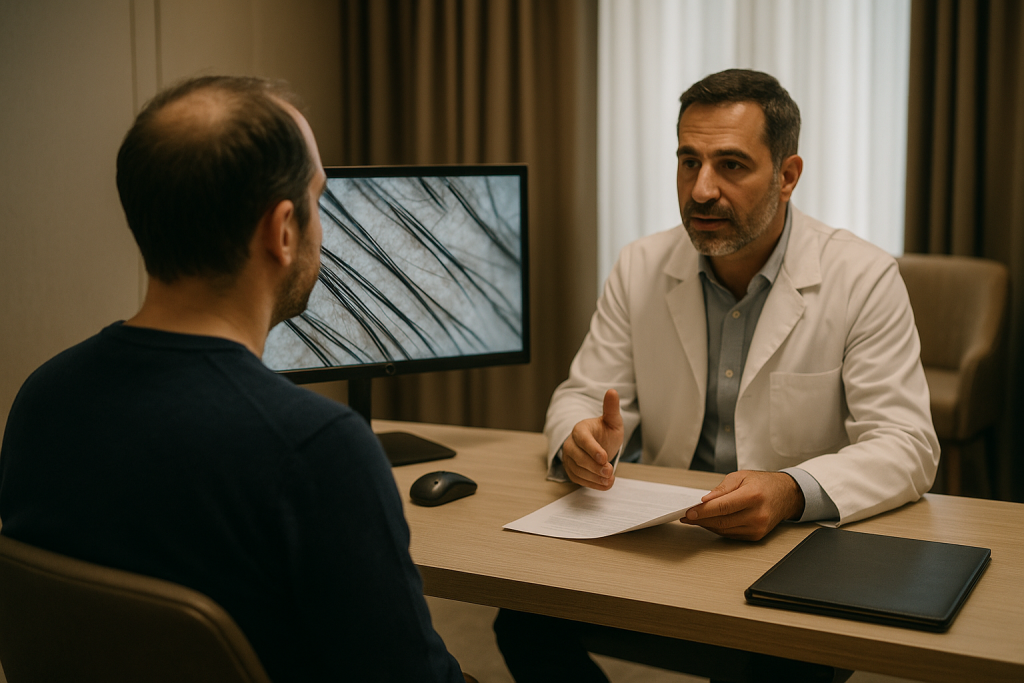
A hair transplant consultation should include realistic planning for the future. The doctor considers donor density, hair calibre, scalp characteristics, the pattern of loss and the likelihood of progression. Acibadem Hair Transplant Center provides 12 months of follow-up within its all-inclusive packages, which also include VIP transfer, a 4-star hotel and a care kit. Patients from 38 countries have been treated over 12 years, and questions can be submitted through the free online hair analysis service, with WhatsApp replies typically provided within around two hours.
09Frequently Asked Questions
Can a ketoconazole shampoo cause hair loss?
Ketoconazole shampoo is not typically expected to cause permanent hair loss when used as directed. Some people may notice temporary shedding, dryness, irritation or hair breakage, particularly if the scalp reacts to the product or if an underlying hair-loss condition is already active. Stop using it and seek medical advice if you develop significant burning, rash, swelling or sudden worsening shedding.
Does ketoconazole shampoo truly block DHT?
Ketoconazole shampoo is not established as a reliable DHT-blocking treatment for pattern hair loss. There are scientific discussions about possible anti-inflammatory and androgen-related effects, but this does not prove that shampoo use meaningfully blocks DHT in most patients. Its recognised role is mainly the management of dandruff and seborrhoeic dermatitis.
Can 2% ketoconazole block DHT in the scalp?
A 2% ketoconazole shampoo should not be considered a proven DHT blocker. The percentage refers to the concentration of the antifungal ingredient, not a confirmed ability to treat androgen-driven hair loss. Your doctor can explain whether it has a role in managing your scalp condition alongside a broader hair-loss plan.
How long does ketoconazole shampoo take to stop hair loss?
Ketoconazole shampoo may improve dandruff-related itch, flaking or inflammation over several weeks when it is appropriate for the diagnosis. It is not expected to stop genetic hair loss on its own, so there is no reliable timeline for it to halt progressive thinning. If shedding continues or worsens, a medical assessment can identify the likely cause and suitable next steps.
This article is for general information only and is not a substitute for professional medical advice.
 06
06 12
12