

An affordable hair transplant should offer clear medical standards, a realistic graft plan and transparent inclusions rather than simply the lowest advertised price. Compare the surgeon-led assessment, clinic licensing, technique, aftercare and written quotation before making a decision.
- The lowest quoted price may not include medical care, aftercare, medicines, transfers or follow-up.
- A graft number should be based on donor capacity, hair characteristics and long-term hair-loss planning.
- Licensed facilities, clear clinical responsibility and documented hygiene processes are essential when comparing destinations.
- A responsible quote explains what is included, what may cost extra and what results can realistically be expected.
- Online medical review can help patients understand whether a proposed plan is appropriate before travelling.
01What Affordable Means in Hair Restoration
An affordable hair transplant is not simply the procedure with the smallest headline price. In responsible medical planning, affordability means receiving appropriate clinical care, clear information and support that fit your budget without overlooking safety or long-term value. A low initial figure can become less affordable if essential items such as consultation, anaesthesia, medications, washing instructions, follow-up or travel arrangements are added later. It is therefore useful to compare the total care pathway, not only the cost per graft or a promotional package title.
Hair transplantation is a medical procedure, and the outcome depends on more than the extraction and implantation day. The quality of donor-area assessment, the design of the recipient area, graft handling, hygiene standards and recovery guidance may all influence the process. A responsible clinic should explain these elements in understandable language and should not pressure you to book before your questions have been answered. Patients should also be cautious of statements that promise a perfect density, a permanent result for every person or a fixed number of grafts without assessment.
Cost matters, particularly for patients travelling abroad, but it should be balanced against the risk of needing corrective work or receiving an unsuitable plan. In most patients, the available donor hair is limited and should be used carefully. Choosing a clinic that takes time to assess your hair loss pattern and future needs can help protect that resource. The best value is usually a plan that is medically appropriate, transparent and designed with realistic expectations.
02How to Compare an Affordable Hair Transplant Quote
When comparing an affordable hair transplant quote, ask for a written list of everything included. This should clarify the planned technique, estimated graft range, anaesthesia method, medical team involvement, postoperative products, medication policy, follow-up schedule and any accommodation or transport arrangements. If a package is presented as all-inclusive, ask what the term means in practice. A clear answer helps you compare like with like rather than judging two very different levels of service by one number.
It is also important to understand whether the price is fixed or based on a final graft count. Some clinics quote by graft, while others offer a procedure package within a suitable range. Neither approach is automatically better. What matters is whether the graft estimate is clinically justified and whether the clinic will explain why that number is being recommended. A quote should not encourage unnecessary graft use merely because more grafts may sound more impressive.
Ask what happens if your assessment changes after an in-person examination. Hair density, scalp condition, donor quality and the extent of hair loss may be clearer when you are seen directly. A responsible provider will explain that an online assessment is preliminary and that the doctor confirms suitability and treatment details. You should also ask about cancellation terms, possible additional charges and how aftercare questions are handled after you return home.
03Look Beyond the Price: What a Safe Package Should Include
A complete package can make budgeting easier for international patients, but it should never replace clinical transparency. Before travelling, confirm the identity and licensing status of the facility, how medical oversight is provided, and what infection-control procedures are followed. You should know where your procedure will take place and who will be involved at each stage. If this information is vague or difficult to obtain, it is reasonable to pause and request further clarification.
Travel-related details are also worth reviewing carefully. Airport transfers, hotel nights, interpreter support, care products and postoperative washing can all affect the overall experience and cost. At Acibadem Hair Transplant Center, patients can choose all-inclusive packages that include VIP transfer, a 4-star hotel, a care kit and 12 months of follow-up. These inclusions should still be reviewed alongside the medical plan so that patients understand both the practical and clinical parts of their journey.
The location of a clinic alone does not determine quality or value. Countries with established medical tourism services may offer different cost structures, but standards can vary between individual providers. Look for a licensed facility, documented patient communication and a clear pathway if you need help after returning home. Acibadem Hair Transplant Center is a dedicated hair restoration clinic in Istanbul licensed by the Turkish Ministry of Health, and this type of verifiable information can be more useful than a destination-based price claim.
04Why Graft Numbers Need Clinical Context
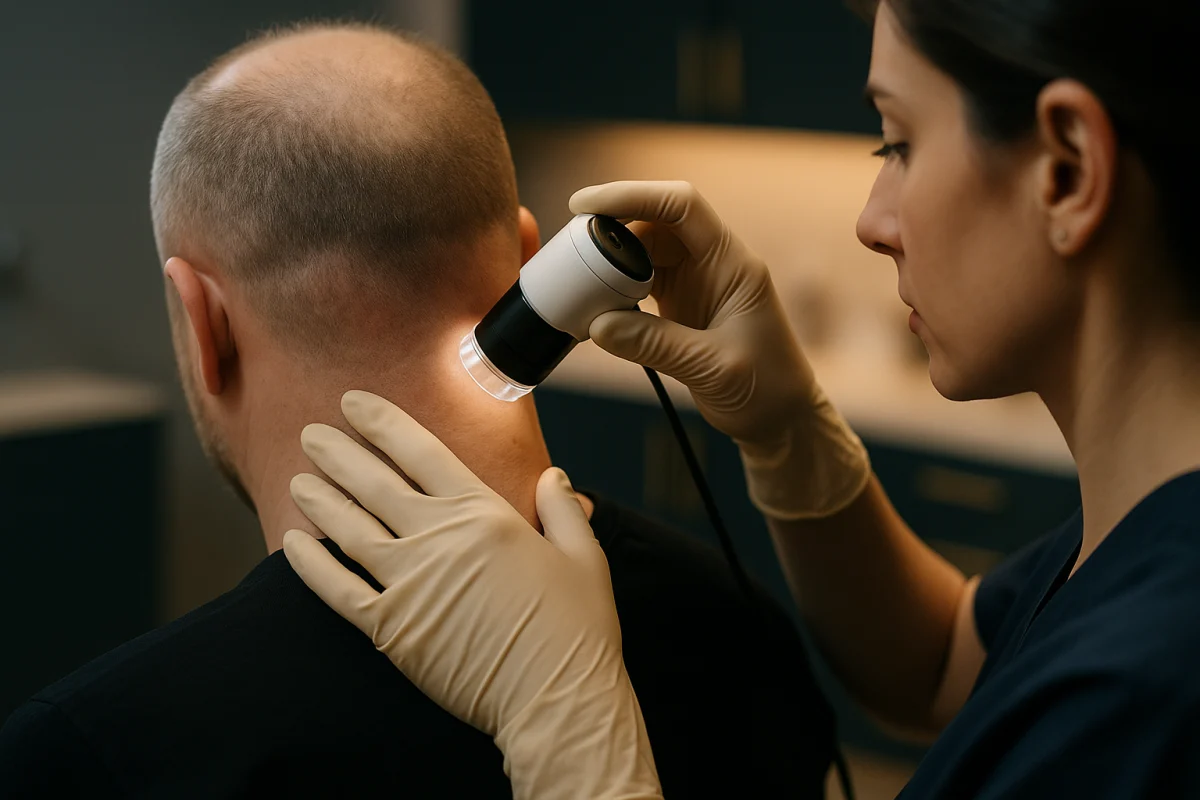
Grafts are small units of hair follicles, and each graft may contain one or more hairs. For this reason, a graft count does not automatically describe the final visual density. A plan for 2,000 grafts may be appropriate for one patient and unsuitable for another, depending on the area being treated, the thickness and colour contrast of the hair, scalp characteristics and the quality of the donor area. Your doctor will confirm what can be safely harvested and placed.
The hairline deserves particularly careful planning. It should match your age, facial proportions, existing hair pattern and likely future hair loss. An aggressive low hairline can require a large number of grafts now and may create a difficult appearance if surrounding native hair continues to thin later. In many cases, a conservative, natural-looking design is a more responsible use of the donor supply than attempting maximum coverage in a single session.
Large graft counts may be discussed when hair loss affects the front, mid-scalp and crown, but coverage is different from high density. The crown can require many grafts because its circular pattern spreads hair in several directions. A credible consultation will explain which area is the priority and why. It should also discuss whether medical management, staged treatment or accepting less density in a lower-priority area may be more suitable for your situation.
05Techniques, Anaesthesia and Clinical Suitability
Technique names should not be used as a shortcut for quality. Sapphire FUE and DHI are both established approaches that may be considered for suitable patients, but the right choice depends on your hair characteristics, treatment area and clinical plan. Sapphire FUE involves extracting follicular units and placing them into prepared recipient channels. DHI generally uses an implantation device to place grafts, and your doctor will advise whether either method is appropriate for your case.
The experience should also be discussed honestly. Local anaesthesia is commonly used for hair transplantation, and some patients are concerned about the injections. Needle-free anaesthesia is available at Acibadem Hair Transplant Center for patients who may prefer this option, subject to medical assessment. However, comfort needs and medical history differ, so the clinical team should explain the process, limitations and any relevant precautions before treatment.
Suitability is not confirmed by photographs alone. A medical review should consider your health information, pattern of hair loss, scalp condition, medication use and donor area. Some patients may need to delay a procedure, investigate an underlying cause of hair shedding or consider a different approach. This may feel disappointing when you are ready to book, but a careful decision is a sign of responsible care rather than a barrier to treatment.

06Protecting Value Through Aftercare and Follow-Up
Aftercare is part of the value of a hair transplant, not an optional extra. The scalp needs time to heal, and patients are usually given instructions about washing, sleeping position, activity, sun exposure and avoiding friction in the early recovery period. Following these instructions carefully can support uncomplicated healing. Your clinic should provide a practical way to ask questions if you are uncertain about normal recovery signs or need to discuss a concern.
Hair growth develops gradually, and early shedding of transplanted hairs can occur before visible regrowth. This timeline can be confusing for patients who expect immediate cosmetic change. A responsible clinic explains that final appearance takes time and that results vary according to individual factors. Progress photographs and scheduled check-ins may help provide a more structured view of recovery than judging results from day-to-day changes in the mirror.
Ask how results are assessed rather than relying only on promotional images. At Acibadem Hair Transplant Center, outcomes are measured by trichoscopic graft survival at month 12, with a documented 98% rate under a written guarantee. This is a clinic measurement approach and does not remove the need for individual medical assessment, because hair growth, existing hair loss and visual density can vary. Clear follow-up remains important even when the procedure itself has been completed.
07A Practical Way to Choose Responsibly
Start with a doctor-reviewed assessment instead of choosing from a price list alone. Good-quality photos taken in natural light can help an initial review, especially when they show the front, temples, top, crown and donor area. Share an accurate history of your hair loss and any relevant health information. The purpose of the first consultation is to understand suitability and options, not to obtain an unrealistic promise or an instant final graft number.
Prepare a shortlist of questions before you speak with a clinic. Ask about licensing, who performs each stage of the procedure, which technique is proposed, the estimated graft range, donor-area protection, inclusions, follow-up and what result is realistically expected. Save written answers so you can compare providers calmly. If you feel rushed, receive conflicting information or are discouraged from asking questions, consider this an important signal to seek further clarification.
For international patients, responsive communication can make planning more manageable. Acibadem Hair Transplant Center has treated patients from 38 countries over 12 years and offers a free online hair analysis reviewed by doctors, with WhatsApp replies typically within around two hours. This early conversation can help you understand the proposed plan, but it is not a substitute for the in-person examination that confirms medical suitability. Taking time to compare complete information is one of the most reliable ways to make a responsible decision.
08Frequently Asked Questions
Which country or city offers the cheapest hair transplant?
There is no single place that is always the cheapest, because pricing depends on the clinic, technique, graft plan, included services and local operating costs. Choosing solely by destination can overlook important differences in licensing, medical supervision and aftercare. Compare verified clinic standards and the total written cost rather than relying on a country-based price claim.
What is the expected cost for 3,000 grafts?
The cost of 3,000 grafts varies widely between clinics and countries, and a meaningful quotation should include more than the graft number. Technique, donor-area complexity, medical care, accommodation, transfers and follow-up may affect the total. A doctor should first confirm whether 3,000 grafts are appropriate for your hair loss pattern and donor capacity.
Can 1,000 grafts create a satisfactory hairline?
For some patients, 1,000 grafts may improve a limited hairline area or refine the temples, especially when there is existing hair behind the line. It is usually not enough to restore an extensively receded hairline with high density. The required number depends on the size of the area, hair thickness, desired design and the need to preserve grafts for future hair loss.
How much hair loss can 5,000 grafts cover?
Five thousand grafts may offer substantial coverage for selected patients with a strong donor area, but it does not guarantee dense coverage across every part of a large bald area. The front, mid-scalp and crown compete for a limited graft supply, and the crown often requires many grafts for modest visual density. Your doctor will assess whether this number can be harvested safely and where it should be placed for the most natural-looking result.
This article is for general information only and is not a substitute for professional medical advice.
 06
06 12
12