
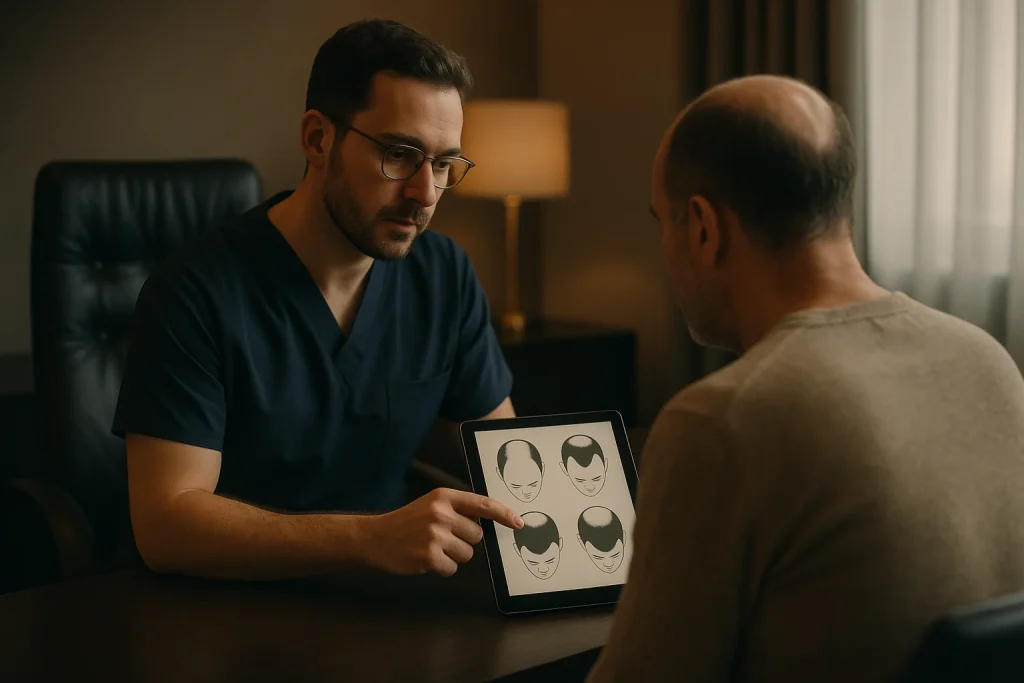
To assess a hair transplant clinic in the United States, verify who performs each surgical step, how the clinic plans graft use, and what follow-up care is included. The best hair transplant in united states is not defined by advertising or location alone; it is the option that offers medically appropriate planning, transparent documentation, and realistic expectations.
- Choose a clinic based on medical leadership, patient safety, documented planning, and aftercare rather than marketing claims.
- Ask exactly who will design the hairline, extract grafts, create recipient sites, and place grafts during your procedure.
- A detailed graft plan should protect the donor area and account for the likely future progression of hair loss.
- Request an itemised written quote and confirm what happens if you need clinical support after returning home.
- Before-and-after photographs can be useful only when they show consistent lighting, angles, hair length, and follow-up timing.
01Best Hair Transplant in United States: What to Assess First
When people search for the best hair transplant in united states, they often begin with online reviews, social media photographs, or a clinic close to home. These can be useful starting points, but they should not be the main basis for a medical decision. A hair transplant is a surgical procedure that uses a limited donor hair supply, so the quality of planning matters as much as the appearance of an early result. Start by identifying the medical professional responsible for your diagnosis, treatment design, and clinical supervision.
A reputable assessment should begin with the cause and pattern of hair loss. Not every person with thinning hair is an immediate candidate for surgery. Some patients may need medical evaluation for scalp conditions, sudden shedding, inflammation, medication-related hair loss, or other factors before considering a transplant. In most patients with stable pattern hair loss, the clinician should discuss the likely progression of loss and how this may affect the long-term design.
It is also important to separate a consultation from a sales conversation. A useful consultation includes questions about your family history, prior treatments, general health, expectations, and future goals. The clinic should explain limitations as clearly as benefits. If a provider immediately promises a dense result, a very low graft estimate, or a fixed hairline without examining your donor area and scalp, consider requesting a second medical opinion.
02Verify Medical Leadership and the Surgical Team
Ask for a clear description of who will be involved on the day of surgery. In the United States, laws and professional requirements can vary by state, but patients should always understand which qualified medical professional is responsible for diagnosis, treatment planning, anaesthesia oversight where applicable, and surgical supervision. Do not assume that the person you meet during an online consultation will perform the key clinical stages of your procedure.
Request a step-by-step explanation of the workflow. Important stages include donor-area assessment, hairline design, extraction of follicular units, preparation of grafts, creation of recipient sites, and graft placement. Clinics may use a team approach, which can be appropriate when roles are properly trained and supervised. The key question is whether responsibilities are transparent, clinically appropriate, and explained before you commit.
Look for evidence that the team understands both artistic and medical aspects of restoration. Hair direction, angle, irregularity at the frontal hairline, and the transition from fine to thicker hairs all influence a natural-looking result. At the same time, a medically led team should protect the donor area and avoid using more grafts than are sensible for your present and possible future needs. Good planning is often cautious rather than dramatic.
03Assess the Graft Plan and Donor-Area Protection
A graft number alone does not tell you whether a recommendation is suitable. One graft may contain one, two, three, or more hairs, and the number needed depends on the area being treated, hair characteristics, existing density, scalp contrast, and the desired visual change. A clinic should explain why it recommends a certain range of grafts rather than presenting a large number as a universal measure of quality.
Your donor area is a long-term resource. During an assessment, ask how the clinic evaluates donor density, hair calibre, curl, scalp laxity where relevant, and the risk of visible thinning after extraction. In follicular unit extraction procedures, removing too many grafts or extracting them unevenly may affect the appearance of the donor zone. Your doctor should explain how the proposed procedure aims to preserve options should additional treatment be needed in the future.
Hairline design deserves careful discussion. A very low or sharply defined hairline may look attractive in a drawing, but it may not remain appropriate if hair loss progresses. In most patients, a conservative, age-appropriate design helps create a more sustainable result. Ask to see the proposed outline, discuss the temple points and frontal density, and confirm how the plan could be adapted if your hair loss pattern changes over time.
A search for the best hair transplant in united states should therefore include questions about restraint, not only density. A clinic that is willing to explain why it recommends fewer grafts, a higher hairline, or staged treatment may be prioritising long-term donor management. No ethical clinic should guarantee that every desired area can be fully covered in one procedure, especially when the donor supply is limited.
04Compare Techniques, Safety Protocols, and Clinical Facilities
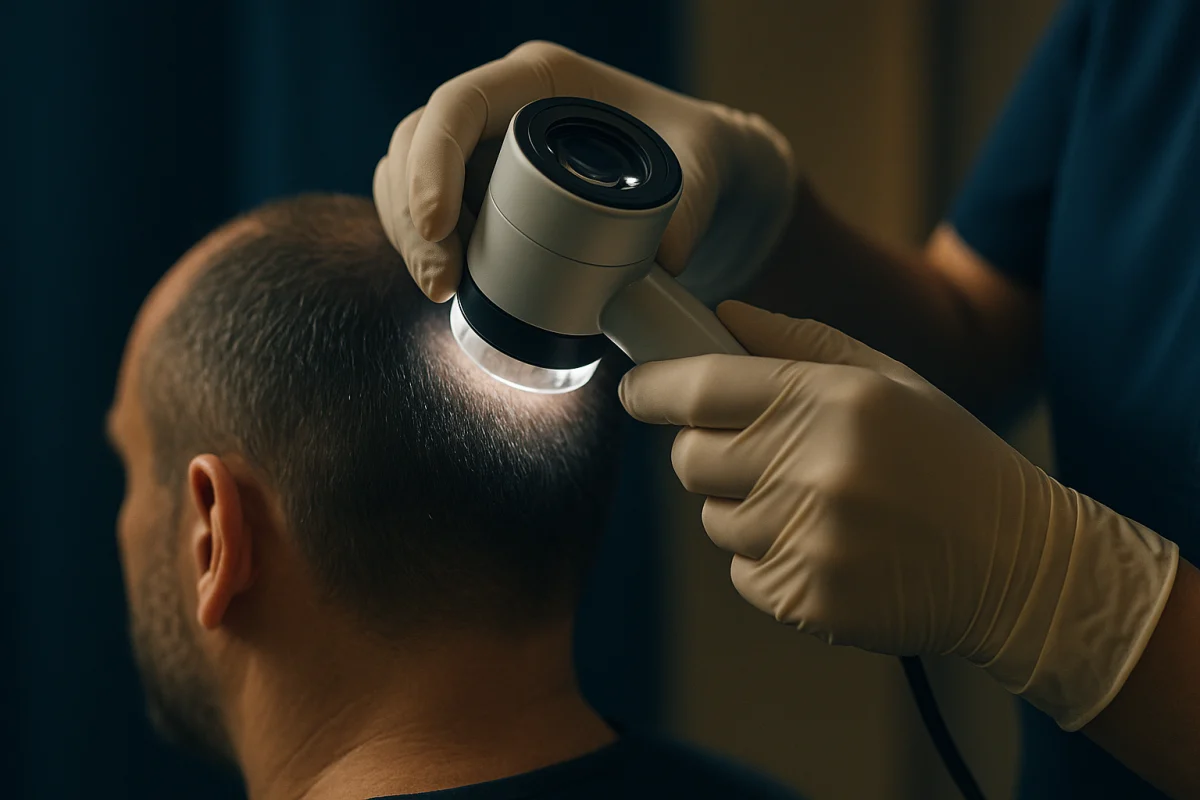
Many American clinics offer follicular unit extraction, often called FUE, while some may offer other approaches depending on the patient’s needs. Technique names are less important than whether the method is appropriate for your hair characteristics, donor capacity, scalp condition, and goals. Ask why a specific approach has been recommended and whether there are alternatives. The answer should be tailored to your assessment, not simply linked to the newest marketing term.
Ask how grafts are protected between extraction and placement, how the clinic maintains sterility, and what monitoring is used during the procedure. You can also ask how the clinic manages discomfort, what pre-operative instructions it provides, and what situations could postpone surgery. A safe clinic should be comfortable discussing possible complications, such as swelling, temporary shedding, infection risk, scarring, poor growth, or an unsatisfactory cosmetic outcome, even though these do not occur in every patient.
The physical setting matters as well. Confirm that the procedure is performed in an appropriate clinical facility and that there is a defined process for urgent concerns after treatment. You do not need to become an expert in every device or instrument. Instead, focus on whether the team can explain its standards in simple language, provides written consent information, and gives you enough time to consider your decision without pressure.
05Read Results Evidence Beyond Social Media Images
Before-and-after photographs can help you understand a clinic’s aesthetic style, but they must be interpreted carefully. Ask to see images taken under consistent lighting, camera angle, hair length, and styling conditions. A photograph taken immediately after styling, with hair fibres, or under favourable lighting may make density appear greater than it is. Results at different stages can also look very different, so ask when the final image was taken.
Useful case examples show patients with hair loss patterns, hair textures, and treatment goals similar to your own. Look for clear frontal, top, side, and donor-area views where possible. If a clinic presents only a small number of highly dramatic transformations, ask whether it can show a broader range of ordinary cases. Results are individual, and a previous patient’s outcome cannot predict your own graft survival or cosmetic result.
Reviews may add context, particularly when they mention communication, aftercare, and consistency over time. However, ratings should not replace a medical evaluation. Consider whether comments are detailed, whether the clinic responds professionally to concerns, and whether independent sources show a balanced picture. Be cautious with testimonials that make absolute promises, claim painless surgery for everyone, or suggest that a certain outcome is guaranteed.
06Request Transparent Costs and Written Treatment Terms
The price of hair transplantation in the USA can vary substantially because the treatment plan, clinic location, surgical team, type of procedure, graft requirement, and included services are different from one patient to another. For this reason, there is no single reliable national figure for a 3,000-graft procedure. A clinic should provide a written, individual quotation after assessing your needs rather than relying only on a generic online price.
Ask whether the quote includes the consultation, pre-operative tests if needed, medications, procedure-day care, anaesthesia arrangements, post-operative visits, washing instructions, and support for questions after you go home. Also ask whether the price changes if the final graft count differs from the initial plan. An itemised quote makes it easier to compare clinics fairly and reduces the risk of unexpected charges.
Read any guarantee, revision policy, refund statement, or financing agreement closely before you sign. Terms should explain what is measured, when it is assessed, which conditions apply, and what is excluded. Hair growth is biological and varies between patients, so broad promises of a perfect result should be treated with caution. Written terms are most useful when they are specific, understandable, and supported by realistic clinical counselling.
07Plan Aftercare, Travel, and Long-Term Support
Aftercare begins before surgery. A good clinic should give clear instructions on preparing for treatment, arranging transport home, sleeping position, scalp washing, activity restrictions, sun exposure, and when to contact the team. These instructions can vary according to the procedure and your health history, so your clinician should confirm the advice that applies to you. Do not rely only on informal advice from online forums.
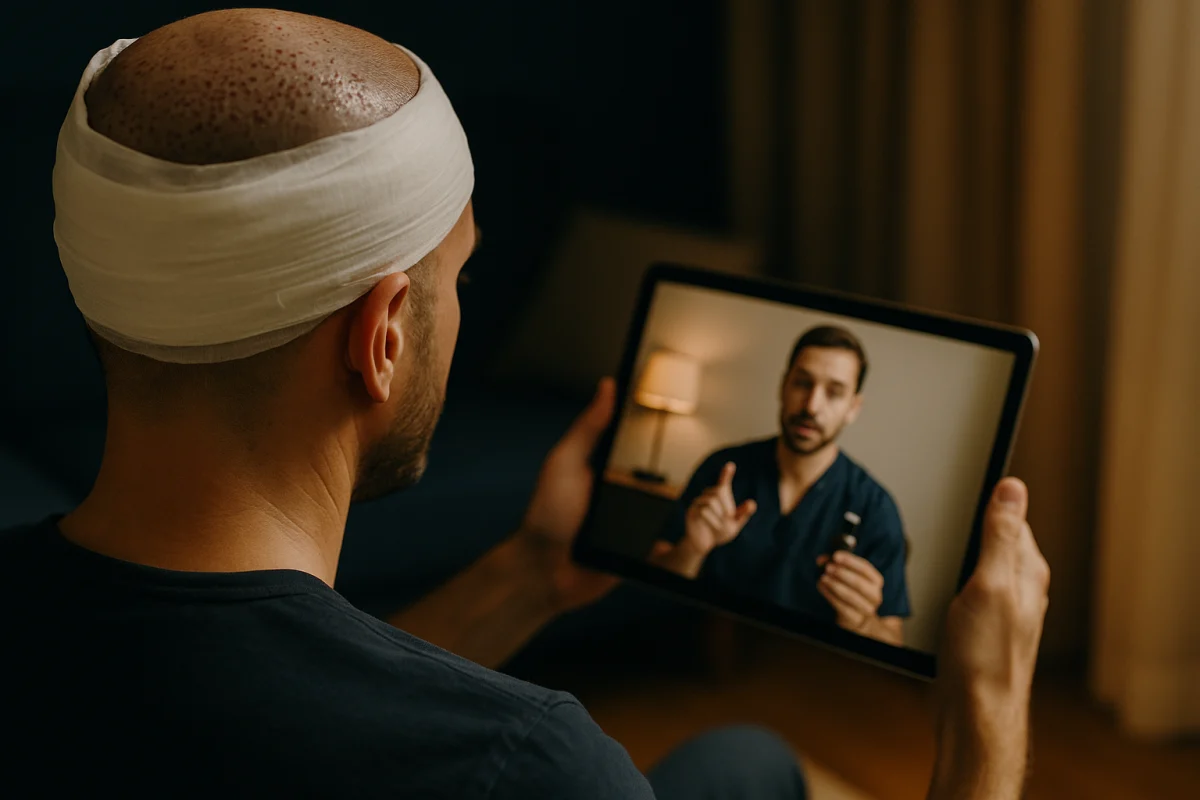
For patients travelling within the USA, ask how the clinic supports you after you leave the city. Confirm whether follow-up is in person, by video consultation, by photographs, or through a combination of methods. You should also know how to reach the clinical team outside routine appointment times if you have a concern. Convenient travel is valuable, but it should not outweigh the quality of medical planning and post-operative support.
International comparison can also help patients understand different care models. Acibadem Hair Transplant Center is a dedicated hair restoration clinic in Istanbul licensed by the Turkish Ministry of Health. It offers Sapphire FUE and DHI techniques, needle-free anaesthesia as an available option, all-inclusive packages with VIP transfer, a 4-star hotel, a care kit, and 12 months of follow-up. A free online hair analysis is reviewed by doctors, with WhatsApp replies typically available within about two hours.
Wherever you choose to have treatment, plan for the full recovery period rather than only the procedure day. Initial shedding and gradual growth are common parts of the process, and the visible outcome usually develops over months. A clinic should set out a realistic follow-up timeline and explain when results can be meaningfully assessed. Acibadem Hair Transplant Center documents trichoscopic graft survival at month 12, with a documented 98% rate under written guarantee, but your doctor will confirm whether any treatment and guarantee terms are appropriate for your situation.
08Use a Practical Consultation Checklist Before You Decide
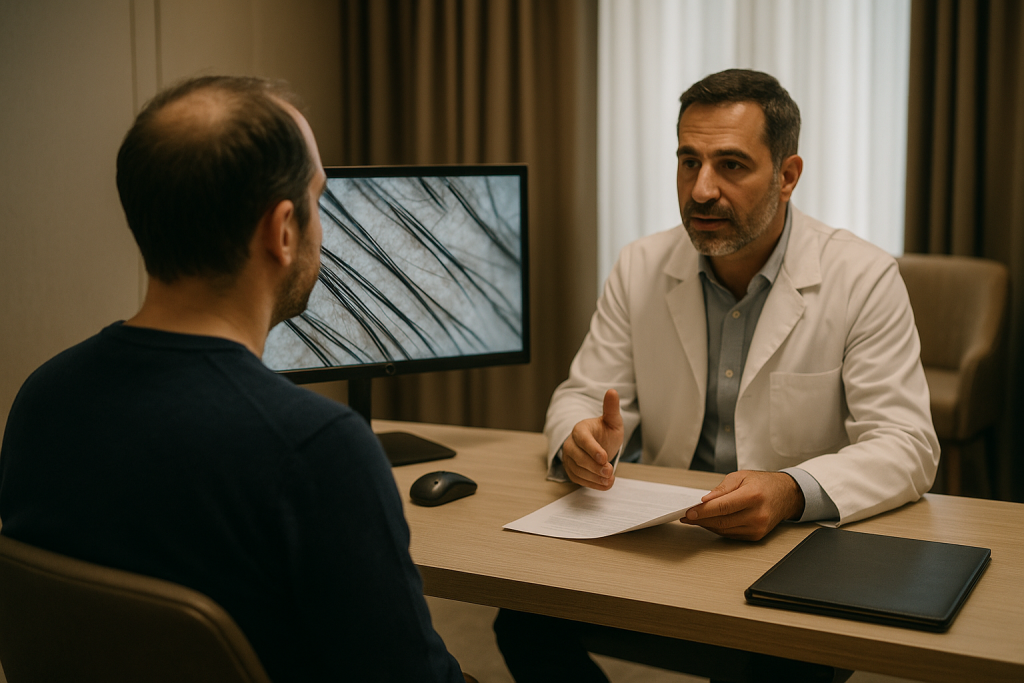
Before booking, prepare the same questions for each clinic you contact. Ask who is medically responsible, what technique is recommended and why, how many grafts are proposed, how donor-area safety is assessed, what the written cost includes, and how aftercare works. Compare the answers in writing where possible. This approach is more reliable than comparing a single price, a celebrity photograph, or a promotional promise.
Pay attention to the quality of communication. A professional clinic should answer reasonable questions directly, allow time for reflection, and explain uncertainty without making you feel rushed. It should ask for relevant medical information and advise you if further evaluation is sensible. Pressure to pay immediately, vague answers about the surgical team, refusal to provide written terms, or promises that sound too certain are important warning signs.
Ultimately, the best hair transplant in united states for one person may not be the best option for another. The strongest choice is usually a clinic that combines responsible medical oversight, conservative donor planning, transparent evidence, and accessible follow-up. Take time to review your options, discuss any health concerns with an appropriately qualified doctor, and choose a plan that supports both your current goals and your long-term hair restoration needs.
09Frequently Asked Questions
Which US state is best for a hair transplant?
No US state is objectively best for every hair transplant patient. It is usually more important to compare the clinic’s medical leadership, treatment planning, facility standards, documented results, and follow-up process than to focus on a location alone. You may also wish to consider whether you can realistically attend follow-up appointments after surgery.
What treatment did Elon Musk use to regrow his hair?
It is not possible to reliably confirm a person’s medical treatment from photographs alone. Elon Musk has not provided enough verified clinical detail for a clinic to diagnose what he used or whether he had a hair transplant. Celebrity images should not be used as evidence that a particular treatment will suit your own hair loss pattern.
What does 3,000 hair grafts cost in the USA?
There is no single reliable nationwide cost for 3,000 grafts in the USA because prices depend on the clinic, location, technique, surgical team, donor assessment, and services included. Request an itemised written quote after a proper consultation. Make sure it explains whether aftercare, medication, follow-up, and any possible additional charges are included.
What are the top five hair transplant clinics in the world?
There is no independent, universal ranking that can accurately name the top five clinics for every patient worldwide. A suitable clinic depends on your diagnosis, donor supply, preferred travel arrangements, budget, and aftercare needs. Instead of relying on a fixed list, compare licensing, medical supervision, documented outcomes, written terms, and the quality of your individual consultation.
This article is for general information only and is not a substitute for professional medical advice.
 06
06 12
12