
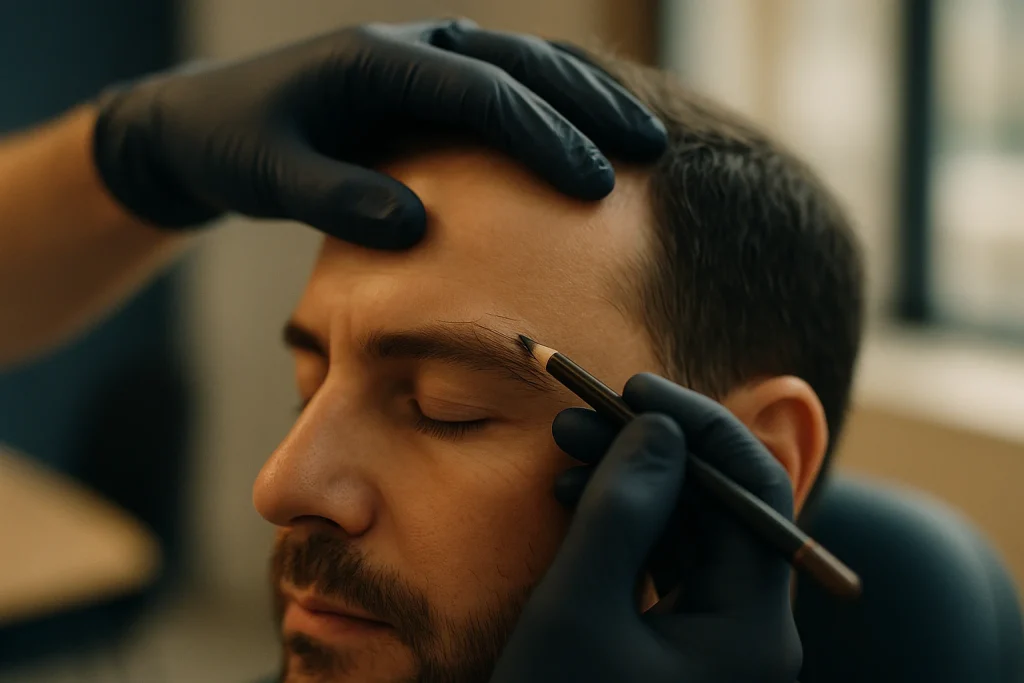
An eyebrow transplant can restore sparse, scarred, or uneven brows by placing individual hair follicles at very shallow angles that follow the natural brow pattern. Natural direction and density depend on careful design, suitable donor hair, experienced graft handling, and realistic planning with your doctor.
- Natural-looking brows depend more on hair direction and angle than on placing the highest possible number of grafts.
- Single-hair grafts are typically selected because eyebrow hair grows in fine, individual strands.
- Transplanted eyebrow hairs usually continue to grow and may need regular trimming after they have settled.
- Swelling, redness, scabbing, and temporary shedding can occur during the healing process.
- A doctor-led assessment is important to identify the cause of eyebrow thinning and plan a suitable treatment approach.
01What Can an Eyebrow Transplant Treat?
An eyebrow transplant is a surgical hair restoration procedure that moves healthy hair follicles, usually from the scalp, into sparse areas of the brows. It may be considered for people with naturally thin eyebrows, uneven shape, old scars, overplucking-related loss, or reduced brow hair after certain medical or cosmetic events. The goal is not simply to add hair. It is to create a brow that fits the person’s facial proportions and follows the natural flow of existing hairs.
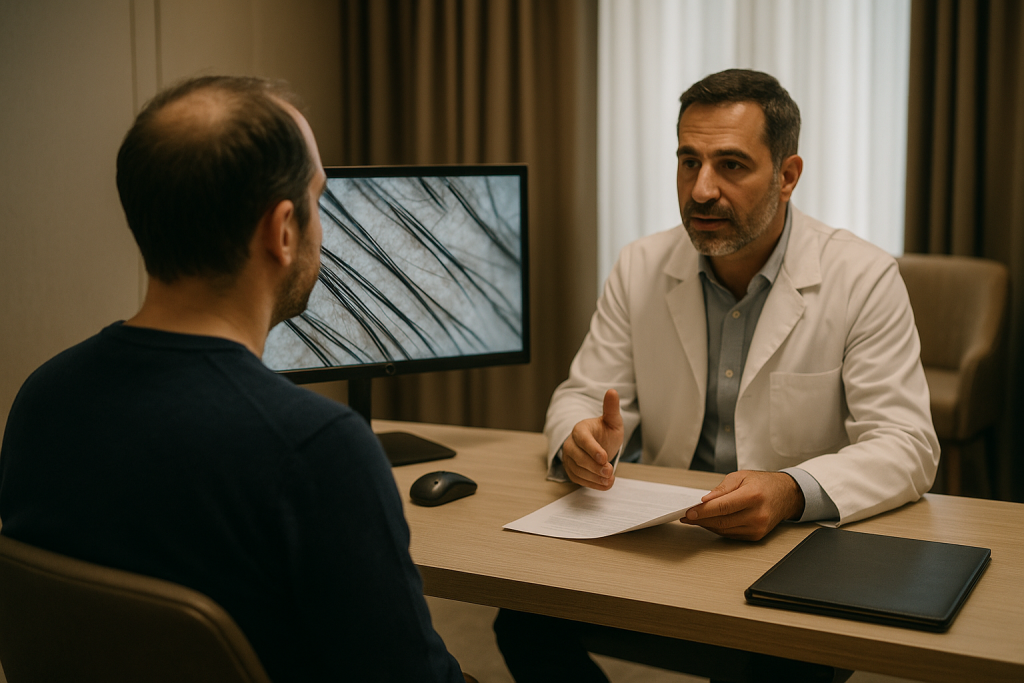
Before treatment, a doctor should assess why eyebrow hair has become thin. In some cases, hair loss can be linked to skin inflammation, hormonal changes, nutritional concerns, autoimmune conditions, medication effects, or active scarring disorders. Surgery may not be appropriate until the underlying condition is controlled. A careful medical review also helps identify whether there is enough stable donor hair and whether expectations match what can be achieved safely.
Good candidates typically have healthy donor hair, stable eyebrow loss, and a clear understanding that results develop gradually. People with very limited donor hair, active skin disease around the eyebrows, or ongoing unexplained hair loss may need further evaluation first. During a consultation, the doctor can discuss brow shape, existing hair quality, skin condition, and whether a surgical or non-surgical approach is more suitable.
02Natural Brow Design Starts With Facial Balance
Eyebrows frame the eyes and influence facial expression, so design needs individual attention. A natural plan considers the brow head near the nose, the body through the middle, the highest point of the arch, and the tapering tail. These areas do not have the same density or direction. A straight, overly dark, or sharply outlined brow can look less natural even when the grafts survive well.
Doctors usually review facial symmetry, forehead height, eye position, bone structure, and the patient’s preferred style. Perfect symmetry is rarely present in natural faces, and trying to create identical brows can sometimes produce an artificial result. The aim is normally balanced asymmetry: brows that look harmonious together while respecting each side’s natural anatomy and movement.
Density is planned with restraint. Native eyebrows are not equally dense from end to end, and the front of the brow often appears softer than the central area. The tail is usually more delicate. By leaving suitable spacing between grafts and blending them with existing hairs, the surgical team can avoid a block-like appearance and preserve a more believable transition across the brow.
03Hair Direction Is the Key to Realistic Results
Eyebrow hairs grow almost flat against the skin, often at angles that are much lower than scalp hair. They also change direction throughout the brow. At the inner brow, hairs may point upward and slightly outward. Through the body, they generally move outward, while the upper and lower rows can cross gently. Near the tail, they usually follow a flatter outward direction.
For this reason, each recipient site must be created with close attention to angle, depth, and orientation. If a graft is inserted too upright, it may stand away from the skin. If the direction does not match nearby hairs, the brow can appear irregular even after healing. Fine instruments and careful placement are particularly important because the eyebrow area is small and visible.
Hair texture also matters. Scalp donor hair may be thicker, straighter, curlier, or faster-growing than natural eyebrow hair. The medical team generally selects the finest suitable donor hairs and places them strategically, especially at the brow edges. Still, transplanted hair keeps many characteristics of its donor area, which is why ongoing trimming and grooming are commonly needed.
04Choosing and Preparing Donor Hair
Most eyebrow restoration procedures use follicles from the scalp, often from a discreet area at the back or side of the head. The donor zone is selected after checking hair calibre, curl pattern, density, colour contrast, and scalp condition. Fine single-hair follicular units are generally preferred because they can create a softer result and fit the scale of the eyebrow better than multi-hair grafts.
Not every scalp hair is equally suitable for this purpose. Coarser hairs may sometimes be used in a central brow area when appropriate, but they can be less suitable for the delicate front and tail. The doctor may also consider how the donor hair behaves when it grows longer. A careful match can make routine grooming easier and help the transplanted hairs blend more naturally with remaining eyebrow hair.
Preparation begins with a treatment plan rather than immediate extraction. The team confirms the intended outline, photographs the area when appropriate, and reviews the planned density. Local anaesthesia is commonly used for comfort. At Acibadem Hair Transplant Center, needle-free anaesthesia is available for suitable patients, although your doctor will confirm whether it is appropriate for your treatment plan and medical history.
05How an Eyebrow Transplant Is Performed
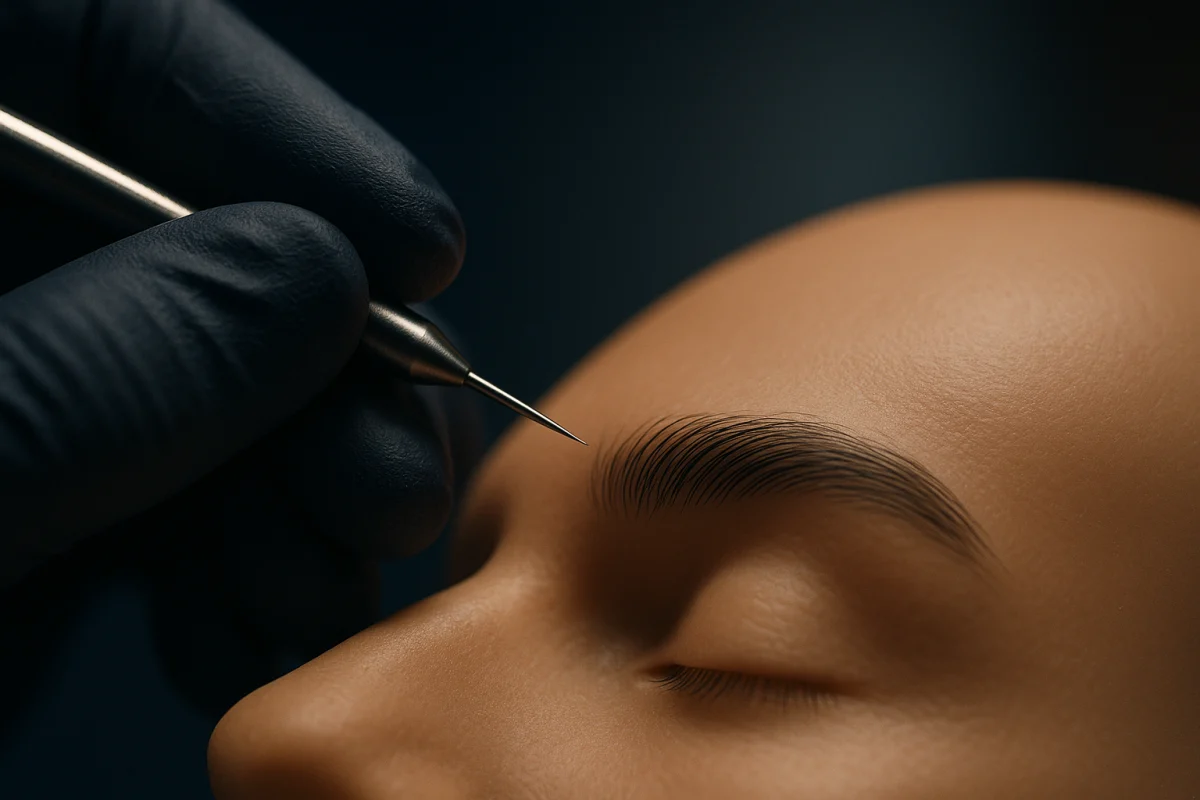
An eyebrow transplant is usually carried out in several careful stages. First, donor follicles are extracted individually. They are then sorted and protected before placement. Finally, very small recipient sites are made in the eyebrow area, and the selected single-hair grafts are inserted according to the pre-agreed design. The number of grafts varies widely according to the existing brow hair, the size of the area, and the desired level of restoration.
Sapphire FUE can be used to support precise follicle extraction and recipient-site work, while DHI may be considered in selected plans for controlled placement. The most suitable technique depends on the eyebrow design, the donor area, hair characteristics, and the doctor’s assessment. The technique itself is only one part of the process; graft selection, low-angle site creation, and the placement pattern are equally important for a natural-looking brow.
During placement, the team works gradually across the eyebrow instead of treating it as one uniform strip. This allows the design to remain soft at the borders and more structured where natural brows are usually fuller. Because the skin is thin and the working area is limited, the procedure requires precision and patience. Your doctor will explain the expected treatment steps, timing, and any preparation instructions before the procedure.
06Healing, Scabbing, and Early Aftercare
After treatment, mild redness, swelling, tenderness, and small crusts around the grafts can occur. These effects are generally temporary, but the exact recovery experience differs between patients. The eyebrow area should be handled gently during the first days. Rubbing, scratching, picking scabs, intense exercise, and direct pressure may disturb healing grafts or irritate the surrounding skin.
Patients are normally given clear washing and aftercare instructions. These may include how to clean the area, when to resume normal face washing, how to sleep with reduced pressure on the brows, and which activities to avoid for a short period. It is important not to use makeup, harsh skincare products, or brow treatments around the transplanted area until the medical team says it is safe to do so.
Temporary shedding of transplanted hairs can happen in the weeks after surgery. This does not necessarily mean the follicles have been lost; the follicles may remain beneath the skin and enter a new growth cycle. Early visual changes can be uneven and should not be judged as the final outcome. Contact the clinic promptly if you notice increasing pain, spreading redness, discharge, fever, or any concern that seems unusual for you.
07When Density and Growth Become Visible
Visible development takes time because transplanted follicles follow a natural hair growth cycle. In many patients, early new growth begins gradually after the initial shedding phase, then becomes more noticeable over the following months. Hair may first look fine, uneven, or lighter than expected before it matures. A doctor can explain the expected follow-up timeline for your individual treatment plan.
The final appearance is influenced by graft survival, growth direction, skin healing, donor hair quality, and how much native eyebrow hair remains. Some patients may feel that the brow becomes fuller in stages rather than all at once. In selected situations, a later touch-up procedure may be discussed if density remains limited after sufficient healing time, but this decision should only be made after the result has had time to mature.
An eyebrow transplant is generally intended as a long-term restoration because the transferred follicles can continue to grow. However, transplanted hairs usually behave more like scalp hair than eyebrow hair. They may grow longer and can require regular trimming, brushing, and sometimes careful styling. Natural-looking results depend on ongoing grooming as well as the original surgical design.
08Limits, Risks, and the Value of Medical Follow-Up
Like all surgical procedures, eyebrow restoration has potential limitations and risks. These can include swelling, bruising, bleeding, infection, temporary numbness, folliculitis, visible scarring, uneven growth, poor growth in some grafts, or an eyebrow shape that does not fully meet expectations. Although serious complications are uncommon when proper clinical standards are followed, no procedure is risk-free and no outcome can be guaranteed for every patient.
A common practical drawback is maintenance. Because donor hairs may continue to grow, regular trimming is often needed for the long term. There can also be a period when the brows look less even before new growth settles. Patients should be prepared for gradual change rather than an immediate finished appearance, and they should avoid making cosmetic judgments too early in the recovery process.
Acibadem Hair Transplant Center is a dedicated hair restoration clinic in Istanbul, licensed by the Turkish Ministry of Health. International patients can request a free online hair analysis reviewed by doctors, with WhatsApp replies typically available within around two hours. All-inclusive packages may include VIP transfer, a 4-star hotel, a care kit, and 12 months of follow-up; your coordinator can confirm what is included and whether eyebrow restoration is suitable for your needs.
09How to Prepare in the Weeks Before an Eyebrow Transplant
Good preparation can make the treatment day and early recovery more manageable. Before travelling or attending your appointment, provide the medical team with an accurate health history, including allergies, previous surgery, skin conditions, medications, supplements, and any history of difficult wound healing. This is especially important for people using prescription blood-thinning medicine, treatments that affect the immune system, or products applied to the eyebrow area. Do not stop prescribed medication unless the doctor who manages it advises you to do so.
Patients are commonly asked to avoid avoidable irritation around the brows before treatment. This may mean pausing brow waxing, threading, tinting, chemical treatments, or strong exfoliating skincare products for a period advised by the clinic. Arriving with calm, unbroken skin helps the doctor assess the natural brow pattern more clearly and may reduce unnecessary irritation.
Smoking and nicotine use can affect circulation and wound healing. Alcohol, dehydration, and poor sleep may also make the early recovery period less comfortable for some patients. Your medical team can provide specific pre-procedure guidance based on your health history. Following these instructions carefully is more useful than following general advice found online.
10A Practical Eyebrow Transplant Recovery Timeline
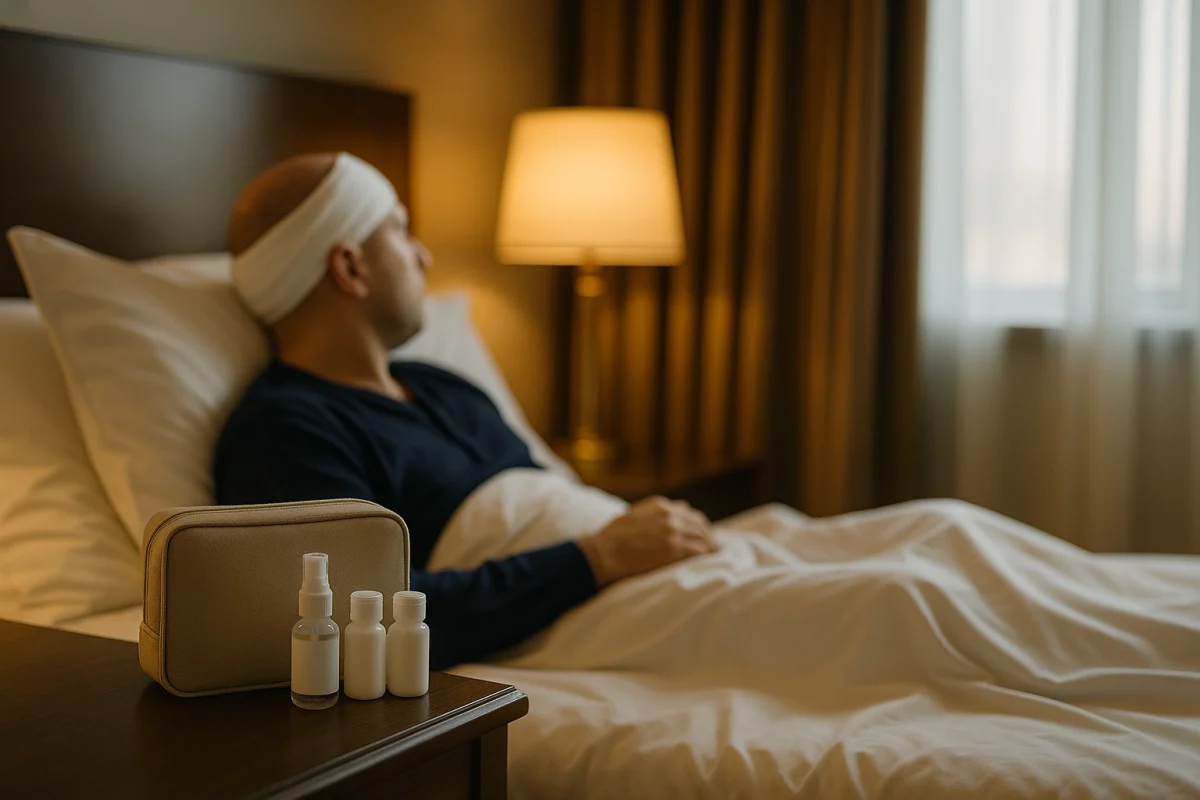
During the first 24 to 72 hours, the priority is protecting the newly placed grafts. Small crusts, redness, and mild swelling may be visible, particularly around the upper face. Patients are usually advised to rest, avoid touching the brows, and follow the clinic’s instructions for sleeping position, cleansing, and any prescribed or recommended aftercare. It is sensible to avoid activities that cause heavy sweating or increase the chance of accidental contact with the eyebrow area.
Over the following one to two weeks, crusting normally reduces as the skin heals. The exact washing method and timing should come from the treating team, as it can vary between surgical plans. Do not pull off scabs or use tweezers to remove hairs from the transplanted area. Makeup, brow pencils, camouflage products, and active skincare should only be restarted when the clinic confirms that the skin has recovered sufficiently.
In the weeks after healing, many transplanted hairs may shed before new growth begins. This can be an expected stage of the hair cycle and may make the brows look temporarily sparse or uneven. Gradual growth then develops over subsequent months. Photographs taken in similar lighting and from the same angle can be more helpful than daily mirror checks, which often make normal changes feel more dramatic.
11Travel Planning for International Eyebrow Transplant Patients
International patients should plan their Istanbul visit around both the procedure and the first post-treatment review, if this is included in their schedule. It is helpful to arrive with enough time to settle before the appointment and to keep the day after treatment as relaxed as possible. Avoid scheduling demanding sightseeing, long outdoor activities, or important social events immediately after the procedure, as temporary redness or swelling can occur.
For the journey home, wear loose, comfortable clothing that does not need to be pulled tightly over the face. Keep your aftercare instructions, clinic contact details, and any recommended care items easily accessible in your hand luggage. On flights, try to avoid rubbing the eyebrow area against a pillow, blanket, eye mask, or your hands while resting. If you have questions about flying, luggage, or hotel timing, ask the coordinator before confirming travel arrangements.
Acibadem Hair Transplant Center provides all-inclusive packages that may include VIP transfer, a 4-star hotel, a care kit, and 12 months of follow-up. Package details can vary, so your coordinator will confirm the current inclusions for your plan. A free online hair analysis reviewed by doctors is available before travel, and WhatsApp replies are typically provided within around two hours. This allows patients to discuss suitability, send clear eyebrow photographs when requested, and understand the next steps before travelling to Istanbul.
12Frequently Asked Questions
What does brow restoration usually cost?
The cost depends on the number of grafts needed, the complexity of the brow design, the chosen technique, the level of aftercare, and whether travel services are included. A medical team should assess your eyebrow area before providing a reliable quotation. It is best to compare what is clinically included, not only the initial price.
How long can transplanted eyebrow hairs remain?
Transplanted follicles are generally intended to provide long-term growth because they are moved from a stable donor area. However, results can vary with healing, individual biology, skin health, and ongoing hair-loss conditions. The transferred hairs commonly keep growing like scalp hair and usually need periodic trimming.
What are the possible disadvantages of brow restoration surgery?
Possible disadvantages include temporary redness, swelling, scabbing, shedding, uneven early growth, and the need for regular trimming. There is also a risk of infection, poor graft growth, scarring, or an unnatural direction if the procedure is not planned and performed carefully. A doctor-led consultation helps explain these risks in relation to your health and goals.
Will restored brows look natural?
They can look natural when fine single-hair grafts are placed at very shallow angles and follow the changing direction of a real eyebrow. Natural appearance also depends on suitable donor hair, a soft brow outline, realistic density, healing, and regular grooming. Your doctor can discuss what level of naturalness may be realistic in your specific case.
This article is for general information only and is not a substitute for professional medical advice.
 06
06 12
12