
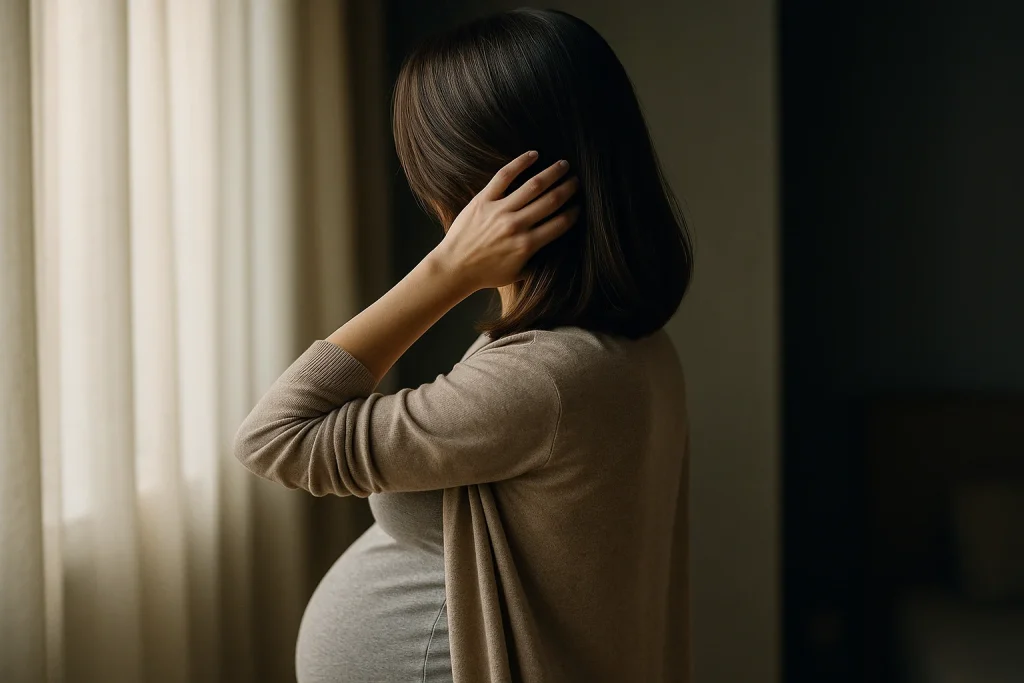
Hair changes during pregnancy are common, and many people notice fuller-looking hair because more follicles remain in the growth phase. A hair transplant is usually postponed during pregnancy and often until after breastfeeding and hair shedding have settled, because this is an elective procedure and your doctor should first assess your hair pattern.
- Pregnancy hormones can prolong the growth phase of the hair cycle, making hair appear fuller in many patients.
- Not everyone experiences thicker or faster-growing hair during pregnancy, and underlying nutritional, hormonal, or scalp concerns may affect the result.
- Postpartum shedding is common and is usually linked to follicles returning to their normal resting and shedding cycle.
- Hair transplantation is generally delayed during pregnancy and breastfeeding because treatment planning, medicines, and recovery should be approached cautiously.
- A medical assessment can help distinguish temporary pregnancy-related changes from ongoing hair thinning that may need further evaluation.
01Understanding hair growth while pregnant and the hair cycle
Hair growth while pregnant can look different from person to person. Many pregnant people feel that their hair becomes thicker, shinier, or easier to style, while others notice little change or even increased breakage. These differences are usually connected to hormonal shifts, the normal hair-growth cycle, genetics, nutrition, general health, and pre-existing hair concerns. A fuller appearance does not always mean that each strand is growing faster; often, it means fewer hairs are being shed than usual.
Every scalp hair follicle moves through a repeating cycle. During the anagen phase, a hair grows actively. It then enters a short transition phase and later a resting phase, known as telogen, before the old hair is released. At any one time, hairs on the scalp are naturally at different stages. This pattern explains why a modest amount of daily shedding is normal, even in people with healthy, dense hair.
During pregnancy, changes in hormone levels may keep a greater number of follicles in the active growth phase for longer. As a result, the hair that would normally enter the resting phase may remain in place. This can create a visibly fuller hairstyle, especially around the part line and ponytail. However, pregnancy is not a permanent hair-growth treatment, and the hair cycle usually readjusts after delivery.
02Why pregnancy can make hair look fuller and healthier
One reason hair growth while pregnant may seem more noticeable is reduced shedding. When fewer strands are released from the scalp, the total volume of hair can gradually appear greater. Many people first see this as a thicker ponytail, less hair in the brush, or more coverage around the scalp. The change can be welcome, but it remains a temporary response to the body’s changing hormonal environment in most patients.
Hair texture can also change during pregnancy. Some people describe smoother or more glossy hair, while others find that it becomes drier, curlier, straighter, or harder to manage. Natural scalp oil production, humidity, hair-care routines, and the physical condition of the hair shaft can all influence how hair looks. A shine-related change in appearance should not be confused with a change in the number of functioning follicles.
General prenatal care may contribute to a healthier-looking hair appearance as well. Regular meals, adequate protein, hydration, and clinician-recommended prenatal nutrition can support the body during pregnancy. At the same time, it is important not to assume that hair quality alone reflects nutritional status. Your maternity care team can decide whether any symptoms, such as marked fatigue, pale skin, sudden shedding, or brittle hair, need medical evaluation.
03When hair does not seem to grow during pregnancy
Not everybody develops thicker hair in pregnancy. Some people continue to shed at their usual rate, and others feel that their hair is not getting longer. Hair may be growing from the root but still appear unchanged if the ends are breaking, if the hair is tightly curled, or if a haircut and styling routine makes length changes less obvious. Hair growth is gradual, so short-term changes can be difficult to judge accurately.
More noticeable thinning, patchy hair loss, scalp discomfort, scaling, or sudden changes in texture deserve a conversation with a qualified healthcare professional. Possible causes can include an existing hair-loss condition, thyroid-related concerns, iron deficiency, inflammation of the scalp, traction from tight hairstyles, or other medical factors. A doctor can review the full situation safely in the context of pregnancy rather than relying on hair symptoms alone.
It is also useful to separate normal cosmetic concerns from significant hair loss. Seeing a few hairs while washing or brushing is expected, because the scalp continuously renews its hairs. In contrast, a widening part, clear areas of reduced density, or hair coming out in clumps may warrant earlier assessment. Taking occasional photographs in the same lighting can help document a pattern, but it should not replace clinical advice.
04Postpartum shedding: what happens after delivery
After childbirth, hormone levels change again, and many follicles that were held in the growth phase can move into the resting phase around a similar time. This may lead to postpartum shedding, often noticed several months after delivery. It can feel alarming because there may be more hair in the shower drain or brush than usual. In many cases, this process is temporary and reflects the hair cycle returning toward its usual pattern.
The timing and degree of shedding vary widely. Some people notice a mild increase, while others see more visible loss around the hairline, temples, or part. The hair can look less dense even when the follicles remain healthy. New regrowth may later appear as short hairs around the front of the scalp. Because the recovery process is gradual, hair density may take time to look more familiar again.
When hair growth while pregnant is followed by heavy shedding, it is understandable to look for immediate solutions. However, it is generally better to avoid making major treatment decisions during this changing period. A doctor can help assess whether the pattern is consistent with postpartum shedding or whether further investigation is appropriate. This is especially important if shedding is persistent, severe, patchy, or accompanied by other health symptoms.

05What is safe to use for hair concerns in pregnancy
Pregnancy is not the time to start supplements, topical treatments, or oral medicines for hair growth without medical guidance. Some commonly discussed hair-loss treatments may not be suitable during pregnancy or breastfeeding, and the safety of a product can depend on its ingredients, dose, route of use, and your medical history. Your obstetric or maternity care team is the right place to ask about any product you are considering.
A prenatal vitamin should be taken only as recommended by the clinician overseeing your pregnancy. Adding extra vitamins, minerals, herbal products, or high-dose biotin simply because of hair concerns is not automatically helpful and may be inappropriate. Hair changes can have more than one cause, so targeted testing or treatment should be based on a medical assessment when your doctor believes it is needed.
Gentle hair care is usually a sensible focus. This may include avoiding very tight styles, reducing frequent heat styling, using a mild cleansing routine that suits your scalp, and handling wet hair carefully to limit breakage. These steps support the appearance and condition of existing hair, but they do not treat a medical cause of hair loss. If you have scalp irritation or a known scalp condition, ask a clinician before using medicated products.
06Why a hair transplant is usually postponed during pregnancy
A hair transplant is an elective surgical procedure, so it is generally not planned during pregnancy. Even when a patient is otherwise healthy, treatment involves local anaesthesia, aftercare planning, possible medicines, and a recovery period that should be considered with extra caution. Hormonal changes may also make it difficult to evaluate the true, stable pattern of hair thinning and to design a long-term transplant plan.
Breastfeeding is another important part of the timing discussion. Your doctor will consider whether any planned medicines, topical products, or recovery recommendations are appropriate during this stage. In addition, early postpartum shedding can temporarily change the appearance of the donor and recipient areas. Waiting until the cycle has settled can help the medical team make a more reliable assessment of density, donor availability, and future hair-loss risk.
There is no single timeline that applies to every patient. In most cases, a consultation is more useful after pregnancy, after breastfeeding if applicable, and after any active shedding has stabilised. A doctor can then examine the scalp, review medical history, and discuss whether non-surgical observation, treatment, or a future transplant evaluation is appropriate. The aim is careful planning rather than rushing an elective procedure during a temporary phase.
07Planning a future transplant after pregnancy-related changes
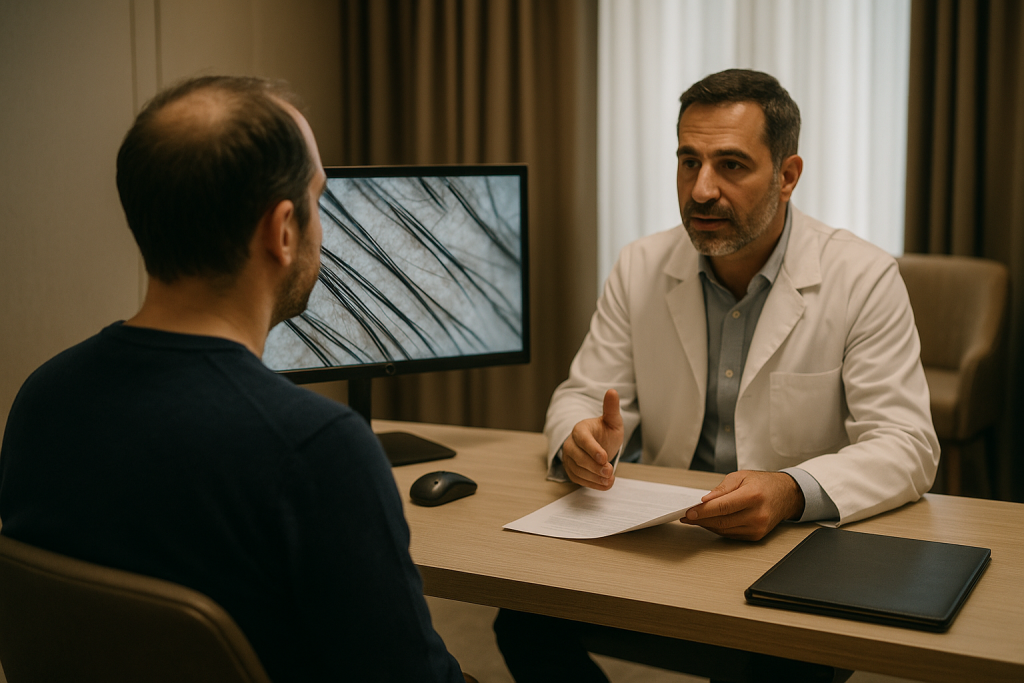
If you are considering a transplant after pregnancy, begin with a professional hair and scalp assessment. The clinician will look at the distribution of thinning, hair calibre, donor-area density, family history, and whether the loss appears stable. They may also recommend that medical concerns are addressed first. A transplant moves existing follicles; it does not stop future thinning in untreated areas, so long-term planning is essential.
At Acibadem Hair Transplant Center, a dedicated hair restoration clinic in Istanbul licensed by the Turkish Ministry of Health, patients can request a free online hair analysis reviewed by doctors. Replies on WhatsApp are typically provided within around two hours. This initial review is not a substitute for an in-person medical examination, but it can help you understand what information the team may need before discussing suitable timing.
For patients who are medically suitable and ready to proceed at a later stage, the clinic offers Sapphire FUE and DHI techniques. Needle-free anaesthesia is also available. Treatment recommendations should always follow a doctor’s assessment, particularly after pregnancy-related hair changes. The clinic provides all-inclusive packages with VIP transfer, a 4-star hotel, a care kit, and 12 months of follow-up, allowing international patients to plan their journey with practical support.
08How to monitor hair changes before making a treatment decision
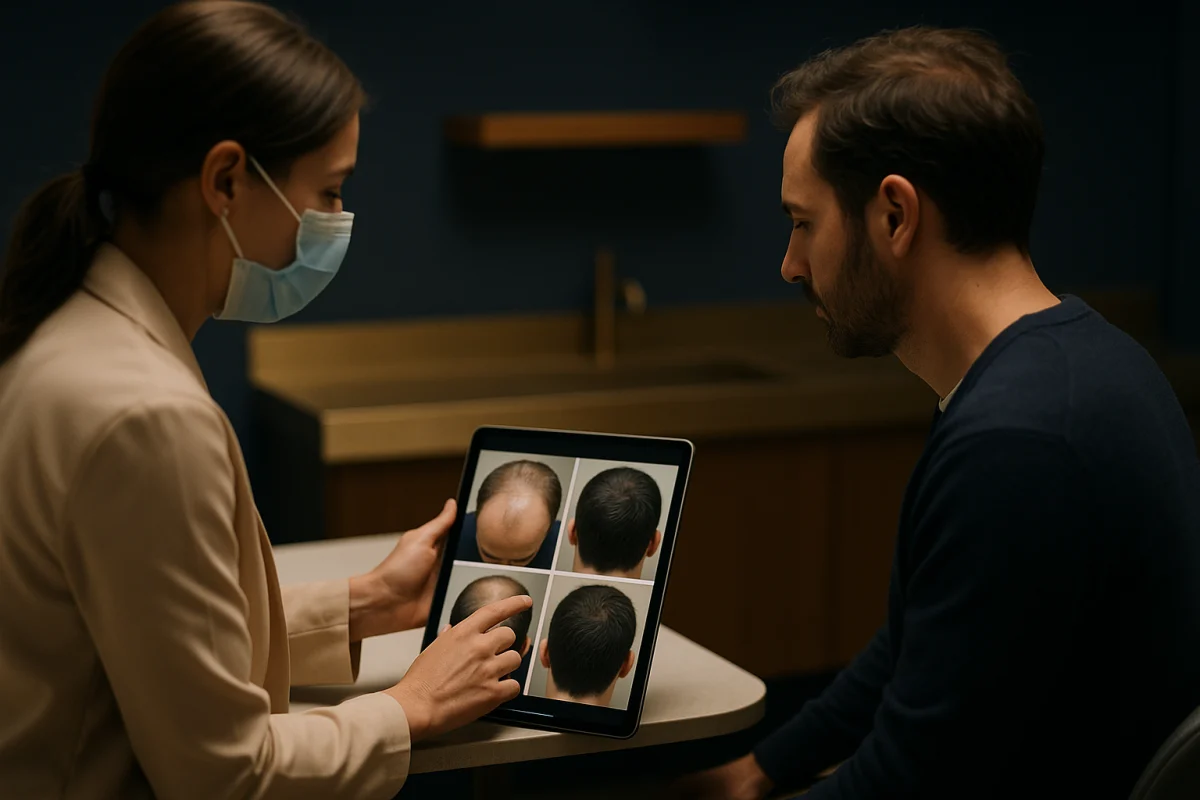
When hair density is changing after pregnancy, it can be difficult to judge the pattern from day to day. Hair in the shower or on a brush may look worrying, but a single wash day does not show the full picture. A simple record can help you and your doctor understand whether the change is improving, stable, or becoming more noticeable over time.
Consider taking scalp photographs every few weeks rather than checking repeatedly each day. Use the same parting, dry hair, room, distance, and lighting where possible. Photograph the frontal hairline, temples, centre part, crown, and donor-area region at the back and sides if you are considering future transplantation. Avoid using filters, hair fibres, or strong overhead light for comparison photographs, as these can make density appear different.
It may also be useful to note major changes such as delivery date, breastfeeding status, a recent illness, significant weight change, a new medicine, restrictive dieting, or a change in contraception. This information can give useful context during a medical consultation. Do not count every shed hair, as this can increase anxiety and is not usually a reliable way to diagnose a hair condition.
Seek medical advice promptly if hair loss is patchy, associated with pain, redness, crusting, itching, or scalp scaling, or if it occurs with symptoms such as marked tiredness, palpitations, feeling unusually cold or hot, or unexplained weight changes. These symptoms do not confirm a particular cause, but they may indicate that a broader medical review is needed before any cosmetic hair-restoration planning.
09Candidacy after pregnancy: stable hair loss and future family plans
Postpartum shedding and long-term pattern hair loss can sometimes occur at the same time. Pregnancy-related shedding is often diffuse, meaning that the reduction in density may be noticed across a wider area of the scalp. In contrast, an inherited hair-loss pattern may be more visible at the centre part, frontal scalp, temples, or crown. Only a clinical assessment can determine whether a transplant should be considered and whether the pattern appears sufficiently stable for planning.
A suitable transplant candidate needs more than a visible area of thinning. The doctor will assess the quality and density of the donor hair, the contrast between the hair and scalp, hair-shaft thickness, scalp condition, and the likely future progression of hair loss. Donor follicles are limited. For this reason, a conservative design may be recommended to help preserve donor hair and allow for possible future needs.
Future pregnancy plans are also relevant to an elective transplant discussion. Another pregnancy may bring further temporary shedding or reveal changes in an underlying hair-loss pattern. This does not automatically rule out treatment, but it can affect the timing and design of a procedure. Share your plans openly with the doctor so that the proposed approach reflects your longer-term priorities rather than only your current appearance.
In some situations, observation may be the most appropriate next step while the hair cycle settles. In others, a doctor may advise investigation of possible medical contributors before discussing surgery. A transplant can redistribute healthy follicles, but it cannot restore an unlimited supply of donor hair or guarantee that surrounding non-transplanted hair will not thin later. Clear expectations are an important part of safe candidacy assessment.
10Travel and recovery planning for international transplant patients
For international patients, the right time for a future transplant is not only a medical question. It is also important to choose a period when you can protect the scalp and follow aftercare without the physical demands of pregnancy, early recovery after birth, or intensive newborn care. If you are breastfeeding or taking regular medication, discuss this with your treating doctor before travel and provide complete medical information during your consultation.
After a hair transplant, patients typically need to keep the recipient area clean and protected, follow the clinic’s washing instructions, avoid rubbing or scratching the grafts, and attend or complete the planned follow-up checks. The precise restrictions and timetable depend on the technique used, the extent of treatment, and your doctor’s instructions. Arrange practical help at home if possible, especially if lifting, busy childcare routines, or disrupted sleep could make the early recovery period more difficult.
When booking travel, allow enough flexibility for the in-person assessment, procedure, first aftercare guidance, and any recommended checks before returning home. Choose comfortable clothing that does not need to be pulled tightly over the scalp, and keep your care instructions and clinic contact details accessible during the journey. Your medical team can advise when flying and normal travel are appropriate for your individual treatment plan.
At Acibadem Hair Transplant Center in Istanbul, international packages include VIP transfer, a 4-star hotel, a care kit, and 12 months of follow-up. The clinic can support practical travel planning, but medical clearance and treatment timing remain the responsibility of the doctor assessing you. For patients proceeding with treatment, graft survival is evaluated trichoscopically at month 12; the clinic documents a 98% rate under its written guarantee.
11Frequently Asked Questions
Does pregnancy make hair grow more?
Pregnancy can make hair appear fuller in many people because hormonal changes may reduce normal shedding and keep more follicles in the growth phase. It does not necessarily mean every hair strand grows faster. Some people notice little change, and others may have hair concerns that should be reviewed by their doctor.
What can I take to support hair growth during pregnancy?
Do not start hair-growth supplements, medicines, herbal products, or topical treatments without approval from the clinician managing your pregnancy. A prenatal vitamin may be appropriate when recommended by your maternity care team, but extra nutrients are not automatically needed for hair changes. Your doctor can assess whether symptoms suggest a nutritional or medical concern that needs specific care.
Why does my hair look so good during pregnancy?
Many people notice less shedding during pregnancy, which can make the hair look thicker, fuller, and healthier. Hormonal changes can also affect texture and scalp oil balance, influencing shine and manageability. These changes are commonly temporary and may shift again after delivery.
Why is my hair not growing during pregnancy?
Hair may still be growing even if the length is not obvious, especially if breakage, curl pattern, trimming, or styling affects how the hair looks. Some people do not experience the reduced shedding that others notice during pregnancy. Speak with a healthcare professional if you have significant thinning, patches of hair loss, scalp symptoms, or other concerns.
When can I consider a hair transplant after pregnancy?
Hair transplantation is usually postponed during pregnancy and often until breastfeeding has ended and postpartum shedding has stabilised. The best timing depends on your recovery, hair-loss pattern, medical history, and a scalp assessment. A qualified doctor can confirm when an elective procedure may be appropriate for you.
This article is for general information only and is not a substitute for professional medical advice.
 06
06 12
12