
A hair implant price is usually based on your pattern of hair loss, the number of grafts needed, the technique selected, and the level of medical care included. A clear treatment plan should explain what is included before you decide, while your doctor confirms whether you are a suitable candidate.
- The number of grafts needed is one of the main factors shaping a hair restoration treatment plan.
- Technique choice, donor-area quality, clinical standards, and follow-up care can all affect overall value.
- A graft estimate should be based on a medical assessment rather than a standard package alone.
- The lowest advertised option may not include important elements such as aftercare, medicines, accommodation, or follow-up.
- Hair restoration is a surgical procedure, so eligibility, safety checks, and realistic expectations are essential.
01Hair Implant Price: Factors That Shape Your Treatment Plan
The hair implant price is not usually a single fixed amount because each treatment plan is built around individual clinical needs. Your degree of hair loss, the quality and availability of donor hair, the size of the area to be restored, and the method recommended can all influence the plan. A responsible clinic should first assess whether transplantation is appropriate, then explain the likely graft range and the care involved.
Hair implantation generally means moving healthy follicular units, often called grafts, from a donor area to areas affected by thinning or baldness. The donor area is commonly at the back and sides of the scalp, where hair may be more resistant to hereditary hair loss. Because donor hair is limited, planning is not only about covering the current area of concern. It should also consider how hair loss may progress and how to use available grafts thoughtfully.
For international patients, the overall plan may also include practical support around the procedure. At Acibadem Hair Transplant Center in Istanbul, all-inclusive packages can include VIP transfer, a 4-star hotel, a care kit, and 12 months of follow-up. These elements do not replace clinical decision-making, but knowing exactly what is covered can help patients compare options more clearly.
02Graft Numbers Depend on Coverage, Density, and Donor Supply
The graft count is one of the most important parts of treatment planning. A graft is a naturally occurring group of one or more hairs taken from the donor area and placed into the recipient area. The number required can vary widely between patients because a small frontal recession, diffuse thinning, crown loss, and more advanced hair loss each need a different approach.
Coverage and visual density are related but not identical. A larger area may need more grafts simply to create coverage, while a smaller frontal area may be planned with careful placement to create a natural-looking hairline and a denser visual effect. Hair characteristics also matter. For example, hair calibre, curl pattern, colour contrast between hair and scalp, and existing hair density can influence how full the result may appear.
The donor area must be protected during planning. Taking too many grafts can affect its appearance and may reduce options for the future. During a doctor-reviewed assessment, the team should examine donor density, scalp condition, hair-loss pattern, and medical history. A free online hair analysis can provide an initial review, although an in-person evaluation may still be needed before treatment is confirmed.
03Why Technique Choice Can Change the Treatment Approach
The procedure method can shape the treatment process, healing experience, and suitability for different goals. Sapphire FUE is a follicular unit extraction technique in which individual grafts are removed from the donor area and then implanted through channels created in the recipient area. DHI also uses individually extracted grafts, but placement is performed with a specialised implantation approach. Your doctor will confirm which option is clinically suitable for you.
Technique should not be chosen from marketing claims alone. The best approach depends on the area being treated, the desired hairline design, the condition of existing hair, scalp characteristics, and the medical team's assessment. In many patients, both Sapphire FUE and DHI can be considered, but they are not automatically interchangeable. A careful consultation should explain why a particular method is being proposed.
Needle-free anaesthesia may be available for patients who are concerned about needles or injection discomfort. However, comfort methods and anaesthesia planning should always be discussed with the clinical team, especially if you have allergies, medical conditions, or take regular medicines. Safety screening remains important regardless of the technique or anaesthesia option selected.
04What Should Be Included When Comparing a Hair Implant Price
When comparing a hair implant price, it is useful to look beyond the procedure day. A lower initial quote may not show whether it includes medical assessment, anaesthesia, blood testing where appropriate, post-procedure medicines, washing instructions, a care kit, accommodation, transfers, or follow-up. Asking for a written breakdown helps you understand the scope of care and avoid unexpected practical costs.
Clinical quality should also be part of the comparison. Patients can ask whether the clinic is licensed, how the treatment team is involved, how donor-area planning is performed, and what follow-up support is available. Acibadem Hair Transplant Center is a dedicated hair restoration clinic in Istanbul licensed by the Turkish Ministry of Health. The clinic has welcomed patients from 38 countries over 12 years.
It is also reasonable to ask how results are assessed. At Acibadem Hair Transplant Center, graft survival is measured with trichoscopic assessment at month 12, with a documented 98% rate under a written guarantee. This figure relates to the clinic's documented process and guarantee terms; it should not be understood as a promise that every individual will achieve the same cosmetic outcome. Hair growth, density, and appearance can still vary between patients.
05Medical Assessment Comes Before a Reliable Quote
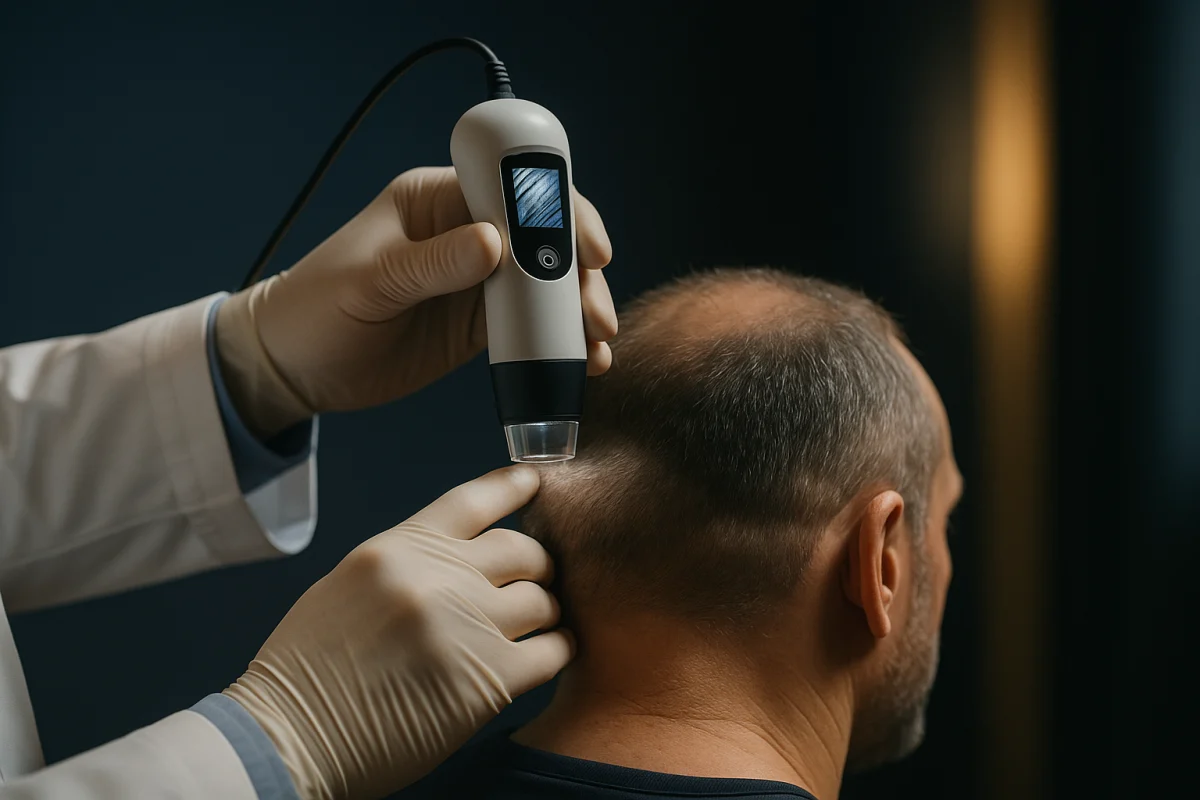
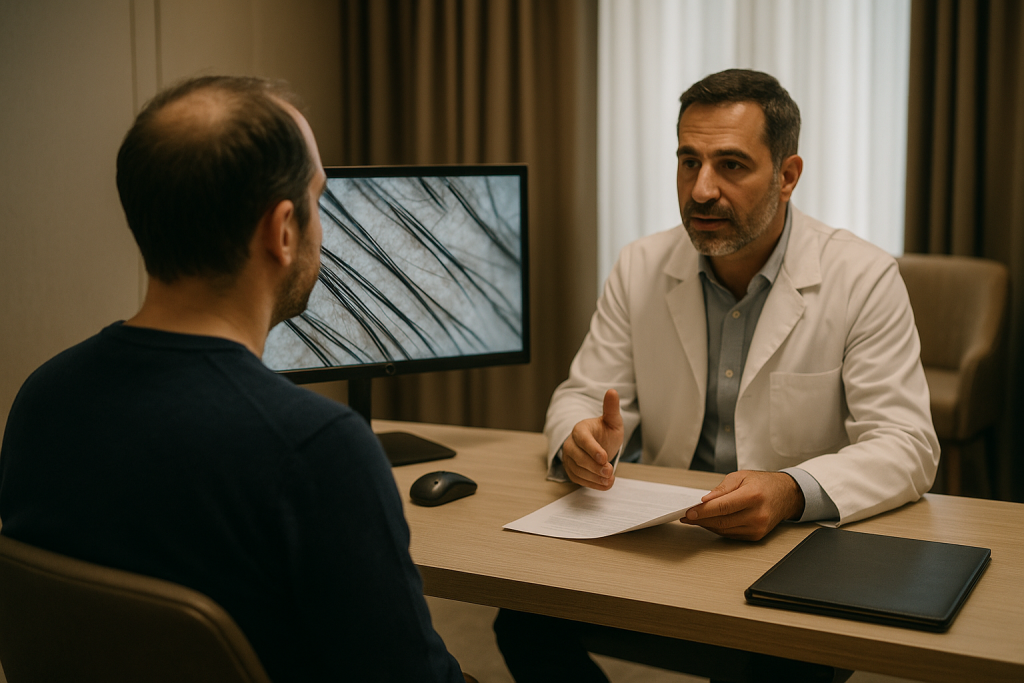
A meaningful treatment estimate should follow an assessment rather than a simple selection from a list. The doctor needs to understand the cause and pattern of hair loss, whether it is stable, the quality of the donor area, and whether there are scalp or health concerns that should be addressed first. Some forms of hair loss may need medical investigation or treatment before a transplant is considered.
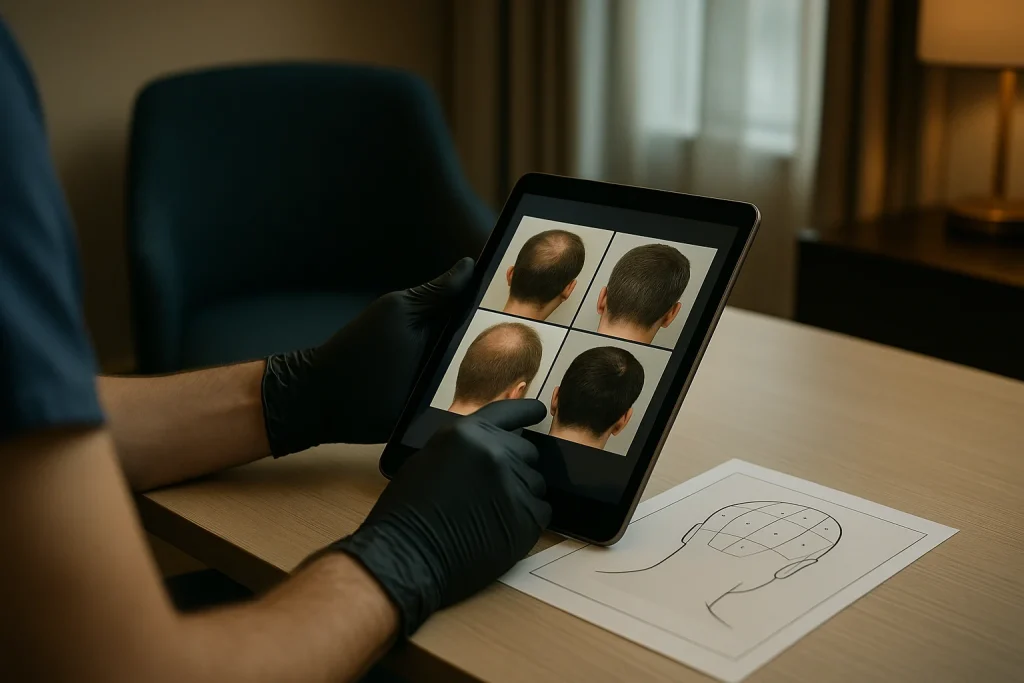
Photos can help provide an initial opinion for people travelling from abroad. For a useful online review, clear images of the front, top, temples, crown, sides, and back of the scalp are generally important. The clinic may also ask about previous hair procedures, family history of hair loss, medications, allergies, smoking, and relevant health conditions. Honest information helps the team plan more safely.
At Acibadem Hair Transplant Center, free online hair analysis is reviewed by doctors, and WhatsApp replies are typically provided within about two hours. This can help patients begin the conversation and understand the next steps. It is not a substitute for a complete medical examination, and the final treatment plan can change after direct clinical assessment.
06Long-Term Value Means Planning for Future Hair Loss
Hair transplantation uses follicles that are typically more resistant to the pattern of hair loss affecting the top of the scalp. Once transplanted follicles grow successfully, they can continue to produce hair for many years. However, this does not mean that surrounding non-transplanted hair will stop thinning. Long-term planning should therefore consider both the transplanted area and the possibility of future loss.
A natural-looking result often depends on conservative use of donor hair and an age-appropriate hairline design. Creating an overly low or dense hairline may use a large number of grafts and could make future planning more difficult if hair loss progresses. In most patients, a balanced design aims to provide a good appearance now while keeping donor resources in mind for later years.
Aftercare also has a role in supporting healing and monitoring progress. The first weeks can include temporary scabbing, redness, shedding of transplanted hairs, and a gradual return to growth. Final development takes time, and month 12 is commonly an important review point. Follow-up gives patients the opportunity to ask questions and allows the clinical team to assess recovery over time.
07Questions to Ask Before You Choose a Treatment Plan
Before booking, ask what graft range is recommended and why. You can also ask which areas will be prioritised, how the hairline will be designed, and whether the donor area is sufficient for the proposed plan. Clear answers should be based on your assessment, not on pressure to choose a larger procedure than is clinically appropriate.
Ask who will oversee your care, what safety checks are performed, and what happens if you need support after returning home. You may also wish to ask for written information about the procedure, recovery, possible risks, aftercare steps, guarantee conditions, and follow-up schedule. Taking time to read these details can support informed consent.
Finally, compare the full patient experience rather than making a decision only from a headline figure. Travel support, accommodation, communication, and long-term follow-up may be particularly relevant for international patients. A well-organised plan should help you understand the treatment journey from initial assessment through the month 12 review, while keeping expectations realistic and medically appropriate.

08Hair Transplant Recovery Timeline: What to Plan for After the Procedure
Understanding the recovery timeline can help you plan travel, work, social commitments, and aftercare without unrealistic expectations. Recovery varies between patients and the clinical team’s own instructions should always take priority. In the first few days, the recipient area may look red and small crusts can form around the implanted grafts. Mild swelling or discomfort can also occur. These changes are usually temporary, but you should contact the clinic if you are concerned about unexpected symptoms or changes.
During the first one to two weeks, careful protection of the grafts is particularly important. Patients are typically asked to avoid touching, rubbing, scratching, or placing pressure on the transplanted area. The team will explain when and how to wash the scalp, how to apply any recommended products, and how to sleep in a way that protects the treated area. Do not use products, medicines, supplements, or home remedies that have not been discussed with your clinical team.
The transplanted hairs commonly shed after the early healing period. This is often known as shedding or shock loss and does not necessarily mean the grafts have failed. New growth usually begins gradually rather than all at once, so early changes can be uneven. Visible development often continues over several months, while month 12 is commonly an important point for reviewing the overall result. Acibadem Hair Transplant Center provides 12 months of follow-up, allowing patients to share progress and receive guidance throughout this longer growth period.
It is sensible to plan for a recovery period before important events, photography, meetings, or holidays. While some patients feel comfortable returning to routine activities relatively soon, the appearance of redness, crusting, and temporary shedding can differ. Your doctor will confirm when it is appropriate to resume exercise, sun exposure, swimming, headwear, and other activities based on your healing progress and treatment details.
09Planning Your Istanbul Visit: Practical Steps for International Patients
International travel should be organised around the clinical schedule rather than around the procedure alone. Before booking flights, ask the clinic to confirm the expected arrival date, consultation arrangements, procedure timing, any required checks, and when you are likely to be able to travel home. It is also helpful to allow flexibility in your itinerary in case the doctor needs further assessment before confirming the final plan.
Bring accurate information about your health history with you, including a list of regular medicines, allergies, previous scalp procedures, and relevant medical reports if available. If you take prescribed medicines, do not stop or change them independently for a hair transplant. Tell the clinic about them during the online assessment and again before treatment, because your doctor may need to give specific instructions or decide that further medical review is necessary.
Pack comfortable clothing that does not need to be pulled tightly over the head after the procedure. A front-opening shirt or top can be more practical than clothing that must pass over the scalp. You may also wish to bring travel documents, medication in its original packaging, a phone charger, and any items needed for a comfortable hotel recovery period. Follow the clinic’s guidance about what to bring and avoid carrying unnecessary items that could complicate your journey home.
Acibadem Hair Transplant Center offers all-inclusive packages that can include VIP transfer, a 4-star hotel, a care kit, and 12 months of follow-up. Confirm the exact contents of your own package in writing, including airport transfer details, hotel nights, appointments, and post-procedure support. For patients travelling from abroad, clear communication before departure can reduce practical uncertainty and help keep the focus on safe treatment and recovery.
10When a Hair Transplant May Need to Be Delayed or Reconsidered
Not every person with hair thinning is immediately suitable for hair transplantation. A transplant is most appropriate when the cause of hair loss, donor-area capacity, and long-term pattern have been assessed carefully. For example, sudden hair shedding, active scalp inflammation, unexplained patchy hair loss, or a rapidly changing hair-loss pattern may require medical investigation before surgery is considered. The goal is to avoid transplanting hair before the underlying issue is understood.
Age alone does not decide suitability, but the stability and likely progression of hair loss are important. In a younger patient or someone with continuing loss, a conservative plan may be more appropriate than using a large number of grafts in one area. The doctor may discuss the possibility that native hair could continue to thin and explain how this could affect the appearance over time. A responsible plan protects the donor area and keeps future options in mind.
Donor hair also has limits. Patients with lower donor density, previous extraction, scalp scarring, or a large area of baldness may need a more selective coverage strategy. In these situations, the doctor may recommend prioritising the hairline, frontal scalp, or another visible area rather than attempting maximum density everywhere. This is not a lower-quality approach; it can be a clinically sensible way to use available grafts responsibly.
General health and lifestyle factors can also affect surgical planning and healing. Smoking, certain medicines, bleeding concerns, uncontrolled medical conditions, and a history of poor wound healing are examples of issues the clinical team may need to review. Providing complete and honest information during the assessment helps the doctor decide whether treatment can proceed, whether additional precautions are needed, or whether postponement is safer.
11Frequently Asked Questions
What may a 3,000-graft hair transplant plan involve?
A 3,000-graft plan may be used for different goals depending on the patient, such as rebuilding a frontal area, addressing the mid-scalp, or combining selected areas. It is not possible to give one reliable cost or coverage expectation from the graft number alone. Your doctor should assess donor supply, hair characteristics, and the treatment area before confirming what 3,000 grafts may achieve.
How long can transplanted hair last?
Transplanted follicles are typically taken from areas that are more resistant to hereditary hair loss, and successful transplanted hair can continue growing for many years. However, native hair around the transplanted area may still thin over time. Long-term appearance depends on the original plan, donor management, natural hair-loss progression, and appropriate follow-up.
What do hair implants usually cost?
The usual cost varies substantially by country, clinic standards, graft requirement, technique, and what is included in the treatment package. A quote is more meaningful when it explains the clinical assessment, procedure, aftercare, travel arrangements where relevant, and follow-up. Avoid choosing solely by the lowest advertised amount, as important medical or practical services may not be included.
Is a hair transplant completely safe?
No surgical procedure can be described as 100% safe. Hair transplantation is generally considered a well-established procedure when it is performed after proper assessment in an appropriate clinical setting, but it can still involve risks such as swelling, bleeding, infection, discomfort, temporary shock loss, scarring, or an unsatisfactory cosmetic result. Your doctor should review your health history, explain relevant risks, and confirm whether treatment is suitable.
This article is for general information only and is not a substitute for professional medical advice.
 06
06 12
12