
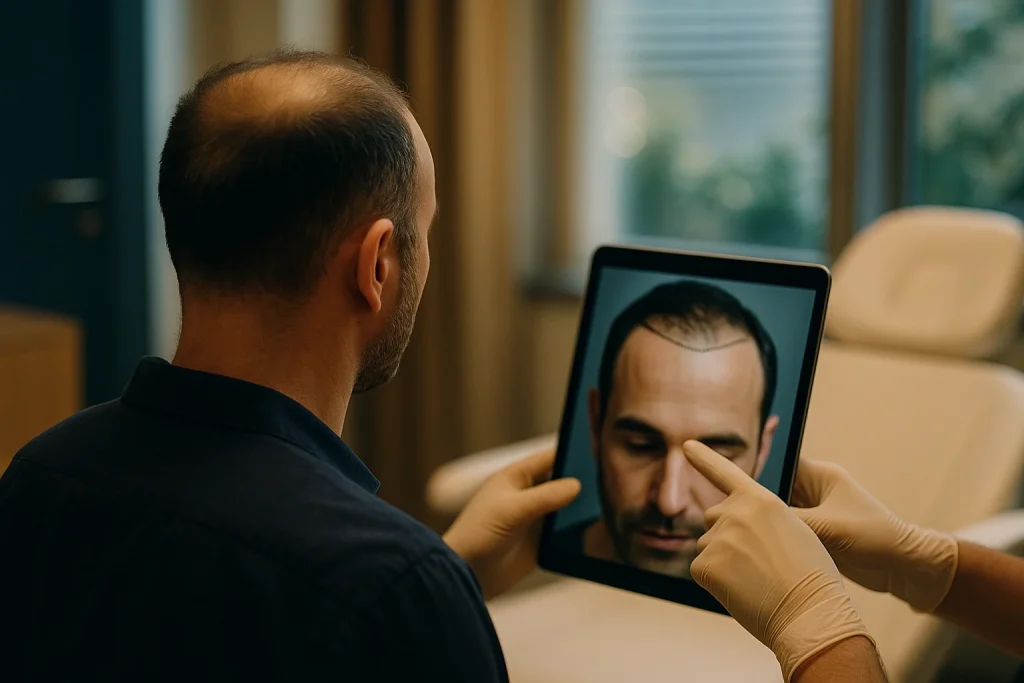
Hair plugs for men usually refers to an older transplant method that used larger grafts and could create a noticeable, doll-like pattern. Modern hair restoration typically uses carefully placed individual follicular units through techniques such as Sapphire FUE or DHI, aiming for a softer hairline and more natural-looking density.
- Older hair plugs used larger grafts, while modern procedures usually transplant small follicular units.
- Sapphire FUE and DHI can support detailed graft placement when a patient has suitable donor hair.
- A transplant uses your own follicles, so transplanted hair can continue growing long term after it settles.
- Pain is usually managed with local anaesthesia, and recovery requires careful aftercare during the first weeks.
- Cost depends on the treatment plan, graft needs, technique, and the clinical support included.
01Hair Plugs for Men: What the Term Means Today
Hair plugs for men is a phrase still commonly used online, but it often describes a technique that is no longer the standard approach in modern hair restoration. In earlier decades, surgeons removed and implanted relatively large round pieces of scalp containing many hairs. These larger grafts could grow successfully, but their size sometimes made the result look grouped, uneven, or clearly different from naturally growing hair. Today, patients and clinics may still use the word “plugs” as a general term for a transplant, even when they are discussing much more refined graft-based procedures.
Modern hair transplant planning is based on follicular units. A follicular unit is a natural grouping of one to several hairs that grows together from the scalp. By moving and placing these small units individually, the surgical team can better follow the direction, angle, and spacing of existing hair. This is especially important at the frontal hairline, temple points, and crown, where hair naturally changes direction. The aim is not simply to place the highest possible number of hairs, but to create coverage that looks balanced with a patient’s facial features, age, hair characteristics, and future hair-loss pattern.
The difference matters because the appearance of a transplant depends on artistic planning as well as surgical handling. A natural-looking result usually needs an irregular, age-appropriate hairline rather than a straight line of dense hair. Single-hair grafts are commonly selected for the very front of the hairline, while grafts containing more hairs may be placed behind it to build density. Your doctor will assess whether transplantation is appropriate and explain what level of coverage may be realistic based on the available donor area.
02From Large Grafts to Modern Follicular Unit Transplantation
Older plug procedures generally used punch grafts that were much larger than the tiny grafts used in many current techniques. A large graft might contain numerous hairs in one circular group. When these groups were placed close together, they could create a pattern sometimes described as “cornrow” or “doll hair” appearance. Some patients who had these procedures years ago may now seek repair work, which can involve redistributing grafts, softening the hairline, adding finer grafts, or reducing the visibility of previous scars where clinically suitable.
When people search for hair plugs for men, they are often looking for a permanent answer to thinning hair but may not know the difference between historic and current methods. Modern transplant procedures typically focus on extracting and implanting naturally occurring follicular units with minimal disturbance to surrounding tissue. The smaller graft size allows more detailed work and can make it easier to blend transplanted hair with existing hair. However, no technique can create unlimited density, and the donor supply remains one of the most important limits in every treatment plan.
Two commonly discussed modern methods are Sapphire FUE and DHI. With Sapphire FUE, follicular units are usually extracted individually from the donor area and then placed into carefully prepared recipient sites. DHI also involves individual graft extraction, but implantation is performed with a specialised implanter tool that can support controlled placement. Neither method is automatically best for every person. The choice can depend on the size of the thinning area, the hairline design, hair texture, scalp condition, donor quality, and the doctor’s clinical assessment.
03How Sapphire FUE and DHI Create a More Refined Result
Sapphire FUE is a follicular unit extraction method in which individual grafts are taken from the donor area, often at the back and sides of the scalp where hair may be more resistant to pattern thinning. Tiny recipient channels are then created before the grafts are placed. Sapphire blades are designed to create precise sites for implantation. In suitable patients, this approach can help the team plan the angle and direction of each graft with care, particularly when recreating a natural transition from the forehead into the hairline.
DHI is another graft-based approach that may be considered when detailed placement is needed. The grafts are commonly implanted one by one using an implantation device, allowing the clinical team to work carefully around existing hair in selected cases. This may be useful for patients who have thinning rather than complete baldness in an area, although suitability always depends on individual assessment. The technique itself does not remove the need for good donor management, conservative planning, or proper aftercare.
For both methods, graft survival is influenced by several clinical factors, including extraction technique, graft hydration and handling, implantation, circulation in the recipient area, and post-procedure care. At Acibadem Hair Transplant Center, results are measured through trichoscopic graft survival at month 12, with a documented 98% rate under a written guarantee. This is a clinic measurement and does not mean that every patient will have the same cosmetic outcome, because visible density and growth can vary with hair characteristics, scalp health, and the extent of existing hair loss.
04Who May Be Suitable for a Modern Hair Transplant?
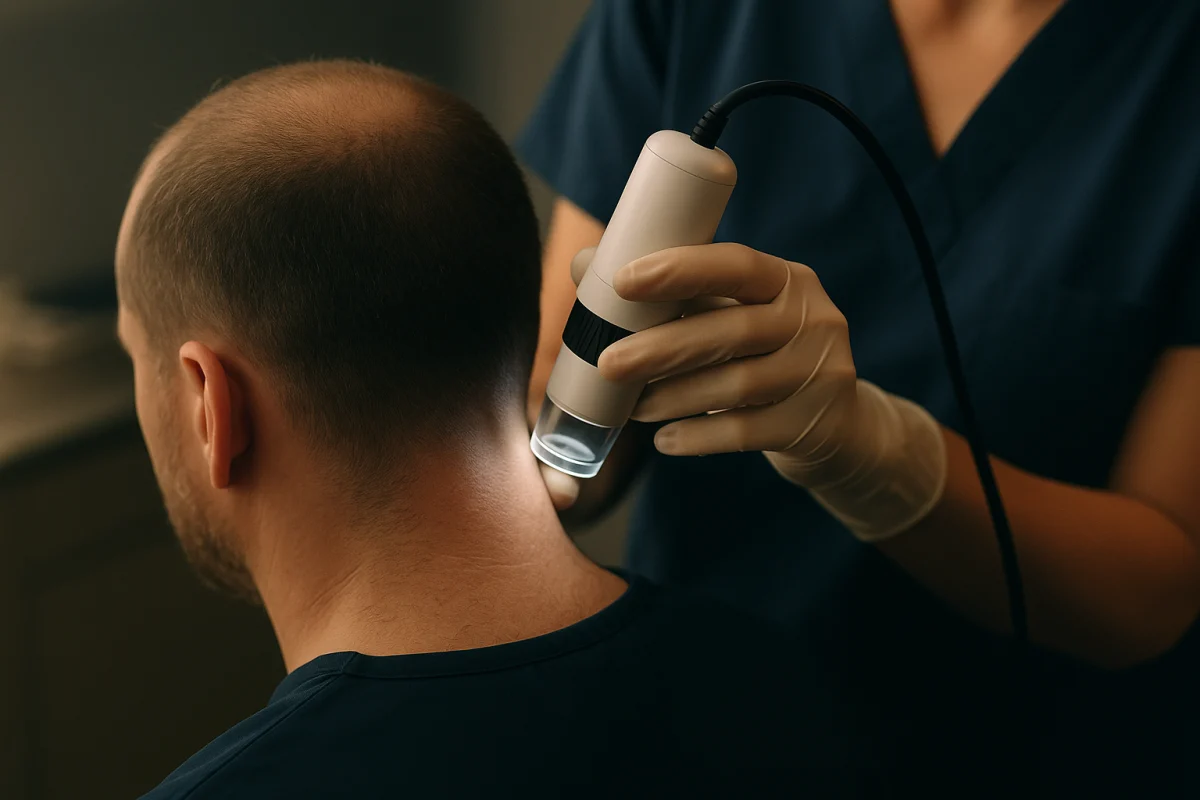
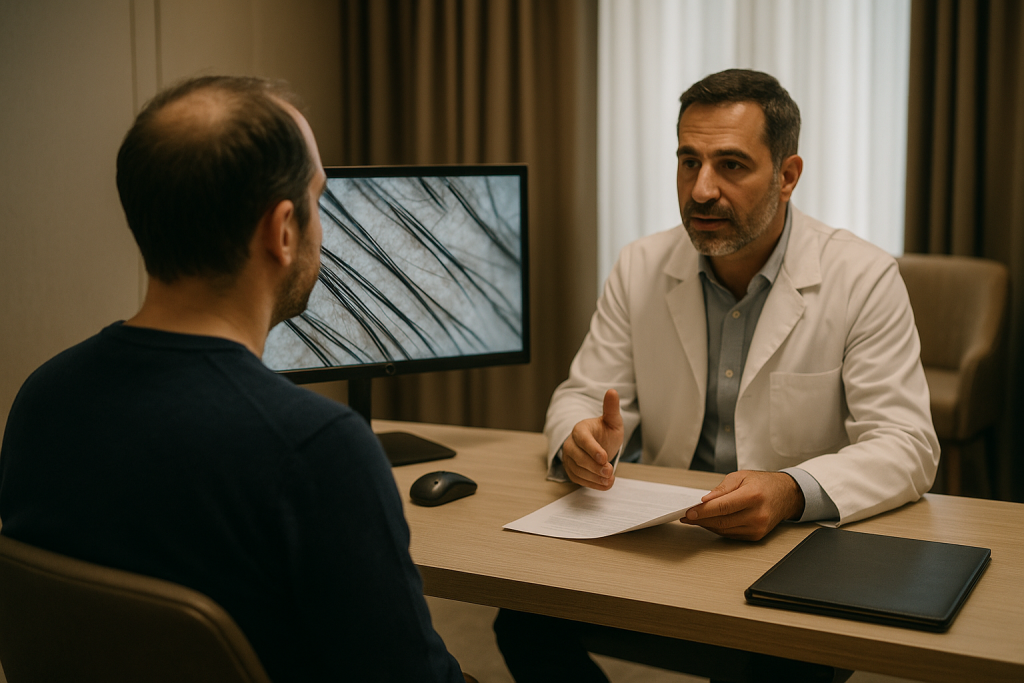
A modern transplant is not suitable for every man with hair loss. The first step is to identify the likely cause of thinning, which may include androgenetic hair loss, scalp inflammation, nutritional concerns, medical conditions, stress-related shedding, or other factors. A transplant may not be recommended until the cause is clearer or the condition is under control. A doctor should examine the scalp, review your health information, and discuss your history of hair loss before confirming whether surgery is an appropriate option.
Donor hair quality is central to planning. The surgeon will consider the density, thickness, colour, texture, and stability of hair in the donor zone, as well as the size of the recipient area. Thick, wavy, or curly hair can sometimes create the visual impression of more coverage than very fine, straight hair, but every case is different. Importantly, the donor area is not unlimited. Taking too many grafts can leave the donor zone looking thin, so a responsible plan protects this area for the long term.
Age and the future progression of hair loss also matter. A very low or very dense hairline may look suitable at one age but may become less natural if hair loss continues behind it. For this reason, doctors typically design a conservative hairline that can remain balanced over time. Existing non-transplanted hair can still thin after surgery, and some patients may need medical management or future treatment planning. Your doctor will explain what can realistically be achieved in one session and whether staged treatment may be considered.
05What Happens During the Procedure and Early Recovery
A hair transplant is usually performed under local anaesthesia. Before the procedure starts, the team prepares the donor and recipient areas, and the doctor confirms the treatment plan and hairline design. During extraction, individual grafts are collected from the donor area. They are then sorted and kept under controlled conditions before implantation. The exact sequence can vary according to the technique selected. At Acibadem Hair Transplant Center, needle-free anaesthesia is available for patients who may be concerned about injections, subject to clinical suitability.
Most patients describe pressure, movement, or temporary discomfort rather than ongoing pain once the anaesthetic is working. However, experiences differ, especially during the initial numbing stage and after the procedure when the anaesthesia wears off. Your care team will give instructions about any prescribed or recommended medicines and how to sleep, wash the scalp, and protect the grafts. It is important not to use medication, supplements, or topical products unless the treating team has confirmed they are appropriate for you.
In the first days after surgery, mild swelling, redness, tightness, scabbing, or tenderness can occur. These effects are usually temporary, but patients should follow the clinic’s washing schedule and avoid rubbing, scratching, or exposing the scalp to avoidable trauma. Strenuous exercise, swimming, direct sun exposure, and contact sports may need to be postponed for a period advised by the team. Promptly contact the clinic if you have increasing pain, unusual bleeding, fever, spreading redness, discharge, or any symptom that concerns you.
06Growth Timeline, Longevity, and Realistic Expectations
Transplanted hair does not usually show its final appearance immediately. In the first weeks, crusts commonly shed as the scalp heals. The transplanted hair shafts may also shed during an early phase, which can be expected and does not necessarily mean the follicles have been lost. New growth often begins gradually after several months, and the hair commonly continues to mature in thickness and appearance over the following months. Doctors often assess the more established result around month 12, although individual timelines can vary.
Because transplanted follicles are generally taken from a more stable donor region, they can continue growing for many years in most suitable patients. This is why a modern transplant is often described as a long-term option. Still, it should not be considered a guarantee that all future hair loss will stop. The native hair surrounding the transplant may continue to thin according to the underlying pattern of hair loss. Long-term planning may therefore include discussion of maintaining existing hair where medically appropriate.
The final cosmetic effect is influenced by more than graft survival. The number of available grafts, the contrast between hair and scalp colour, hair shaft diameter, curl pattern, scalp laxity, and the extent of baldness can all affect how full the result looks. In some cases, the most realistic outcome is improved framing of the face and better coverage rather than a return to teenage-level density. Clear expectations before surgery can help patients make a confident, informed decision.

07Downsides, Risks, and the Cost Factors to Consider
The main downsides associated with traditional large hair plugs were an unnatural grouped appearance, visible spacing between grafts, and the possibility of noticeable scarring. Modern methods have been developed to reduce these concerns, but all surgical procedures still carry potential risks. These may include swelling, temporary numbness, infection, bleeding, inflammation of follicles, scarring, poor growth, or an uneven-looking result. Careful screening, sterile clinical practice, qualified medical supervision, and adherence to aftercare can help reduce risk, but they cannot remove it completely.
Another limitation is that transplanted hair cannot replace more hair than the donor area can safely provide. Patients with extensive hair loss, very fine donor hair, scalp disease, or unstable ongoing shedding may have limited options or may not be suitable candidates at that time. A procedure may also require a short period away from some work, social activities, or exercise while visible redness and scabbing settle. Discussing these practical points in advance is just as important as discussing the expected appearance of the hairline.
The cost of hair plugs for men, meaning a modern hair transplant, varies because treatment plans are not identical. Factors can include the number of grafts needed, the technique chosen, the complexity of the recipient area, the clinical team, and what is included before and after the procedure. A reliable provider should give a clear written quotation after assessing your hair loss and donor area rather than offering a one-size-fits-all figure. When comparing plans, patients should also check whether medical follow-up, accommodation, transfers, medicines, and aftercare materials are included.
08Planning Your Hair Restoration Journey in Istanbul
For international patients, good planning begins before travel. A high-quality online consultation should review clear photographs, your hair-loss history, medical information, and your goals. It should also explain that an online review is an initial assessment rather than a final surgical confirmation. At Acibadem Hair Transplant Center, a free online hair analysis is reviewed by doctors, with WhatsApp replies typically available within around two hours. The final decision about suitability is made through proper medical evaluation.
Acibadem Hair Transplant Center is a dedicated hair restoration clinic in Istanbul, licensed by the Turkish Ministry of Health. The centre provides Sapphire FUE and DHI procedures and has welcomed patients from 38 countries over 12 years. All-inclusive packages can include VIP transfer, a 4-star hotel, a care kit, and 12 months of follow-up. Patients should still read the treatment details carefully and ask what is included in their individual plan, as medical recommendations must be based on their own assessment.
Before booking, prepare questions about the proposed hairline, estimated graft range, donor-area protection, recovery instructions, possible complications, and the schedule for follow-up. It is also reasonable to ask how results are evaluated and who to contact after returning home. A responsible decision is based on realistic expectations, transparent communication, and medical suitability rather than promotional promises. Modern transplantation can offer a refined alternative to historic plug procedures, but the best plan is always one that respects your health, donor capacity, and long-term appearance.
09Frequently Asked Questions
How long do men’s hair plugs last?
Modern transplanted follicles are usually taken from a more stable donor area and can continue growing for many years in most suitable patients. However, the surrounding natural hair may still thin over time, so a transplant does not stop all future hair loss. Your doctor can explain the likely long-term plan based on your pattern of hair loss and donor capacity.
What are the possible downsides of hair plugs?
Traditional large hair plugs could produce a noticeable grouped or unnatural appearance and may leave visible scarring. Modern follicular unit methods aim to reduce these concerns, but surgery can still involve temporary swelling, scabbing, discomfort, infection risk, scarring, uneven growth, or limited density. A careful medical assessment and correct aftercare are important.
How much does a male hair plug procedure cost?
There is no single responsible price because modern transplant costs depend on the graft requirement, technique, treatment complexity, and services included in the plan. A clinic should assess your donor area and hair-loss pattern before providing a written quotation. Ask whether the quote includes consultations, procedure-day care, accommodation, transfers, aftercare products, and follow-up.
How painful is the hair plug procedure?
Hair transplantation is typically carried out with local anaesthesia, so most patients feel pressure or movement rather than significant pain during the main stages. There can be brief discomfort during numbing and some tenderness after the procedure as the anaesthetic wears off. The clinical team will provide aftercare guidance and explain how discomfort is usually managed.
This article is for general information only and is not a substitute for professional medical advice.
 06
06 12
12