
PRP hair restoration is a non-surgical treatment that uses a concentrated part of your own blood to support existing hair follicles. It may help slow early thinning and improve hair quality in suitable patients, but it cannot reliably create new follicles in areas that are completely bald. A doctor should assess the cause and pattern of hair loss before recommending a treatment plan.
- PRP uses platelet-rich plasma from your own blood and is usually used to support thinning hair rather than replace lost follicles.
- Results vary because PRP does not treat every cause of hair loss or restore advanced bald areas.
- An initial course commonly involves several appointments, followed by maintenance when a doctor considers it appropriate.
- Temporary scalp discomfort, swelling, bruising and headache are possible after treatment, although serious complications are uncommon when it is performed correctly.
- A medical assessment is important because hair loss can be linked to genetic, hormonal, nutritional, inflammatory or other health factors.
01What PRP Can and Cannot Do for Thinning Hair
PRP hair restoration is a treatment in which a small blood sample is processed to concentrate platelets and plasma, then placed into targeted areas of the scalp. Platelets contain signalling proteins that may support the environment around active hair follicles. In clinical practice, PRP is generally considered an adjunctive option for people who still have weakened or miniaturising follicles, especially in early or moderate thinning. It is not a method of moving hair from one part of the scalp to another, and it is not the same as a hair transplant.
The main aim is usually to support existing hair rather than to produce a dramatic new hairline. Some patients notice that their hair appears fuller, stronger or less prone to shedding over time. Others may see little visible change. The response depends on the underlying diagnosis, the degree of follicle miniaturisation, scalp health, treatment technique and whether the condition causing hair loss is continuing. Your doctor will explain what is realistic for your individual pattern of thinning.
PRP cannot reliably regrow hair in a smooth, long-standing bald area where follicles are no longer active. It also cannot correct every type of hair loss. For example, inflammatory scalp diseases, scarring hair loss, sudden patchy hair loss and shedding caused by an untreated medical issue need specific medical evaluation. Treating without identifying the cause may delay more appropriate care, so a proper consultation is an important first step.
02How PRP Hair Restoration Works in the Scalp
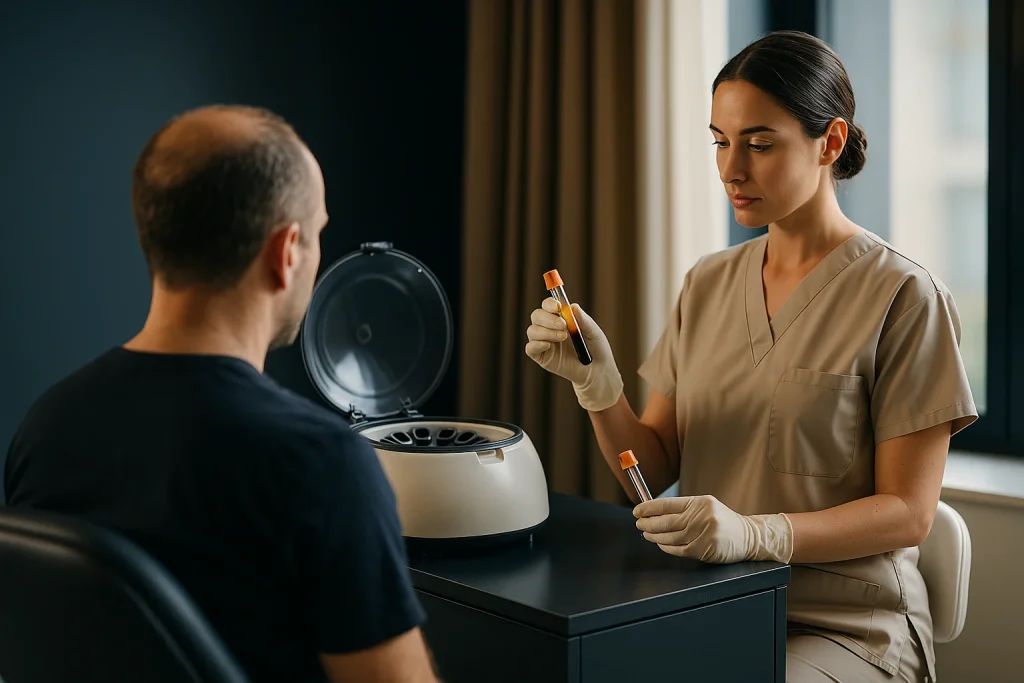
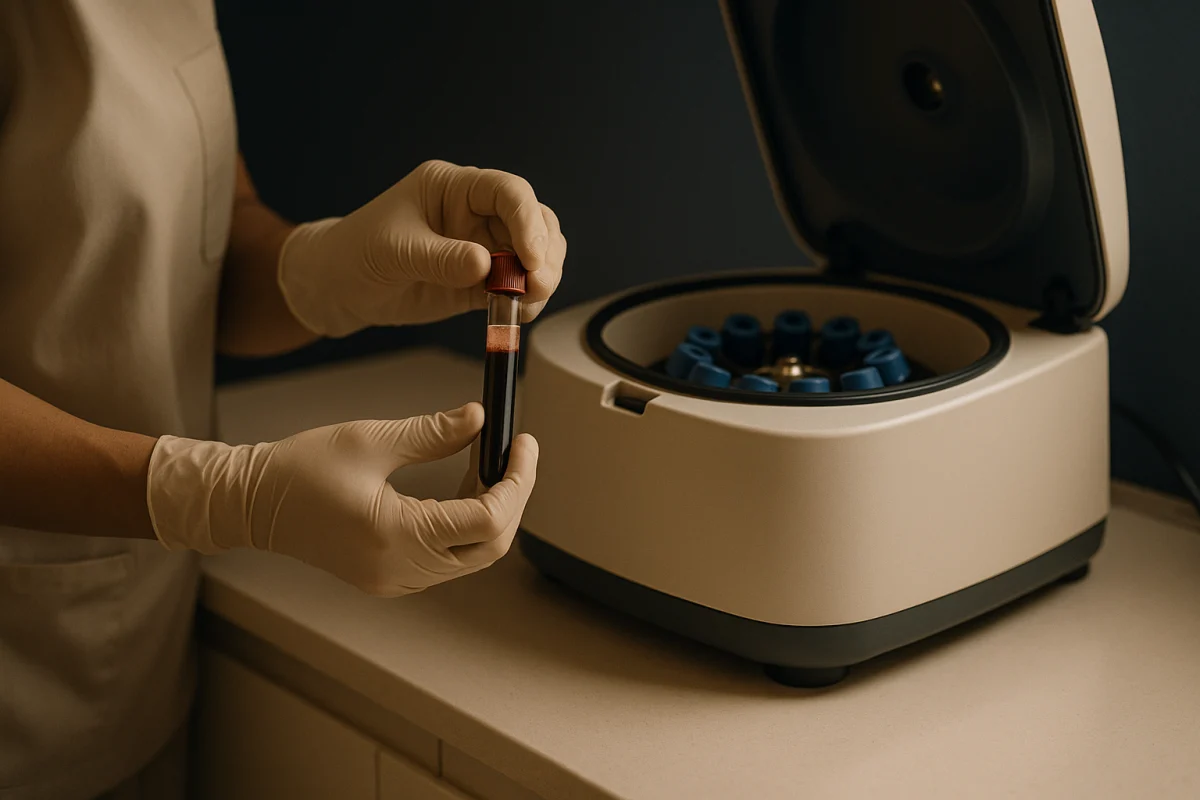
A PRP appointment usually begins with drawing a small amount of blood from your arm. The sample is placed in a centrifuge, which separates its components and allows the treatment team to prepare plasma with a higher concentration of platelets. The prepared plasma is then administered into areas of the scalp affected by thinning. Because the material comes from your own blood, there is no donor hair involved and no surgical incision as used in transplantation.
Hair follicles move through natural growth, transition and resting phases. In androgenetic hair loss, often called pattern hair loss, susceptible follicles gradually become smaller and produce shorter, finer hairs. The biological signals in platelet-rich plasma may support follicle activity and scalp tissue in some patients. However, the process is complex, and PRP does not remove the genetic sensitivity or hormonal influences that may be driving progressive thinning.
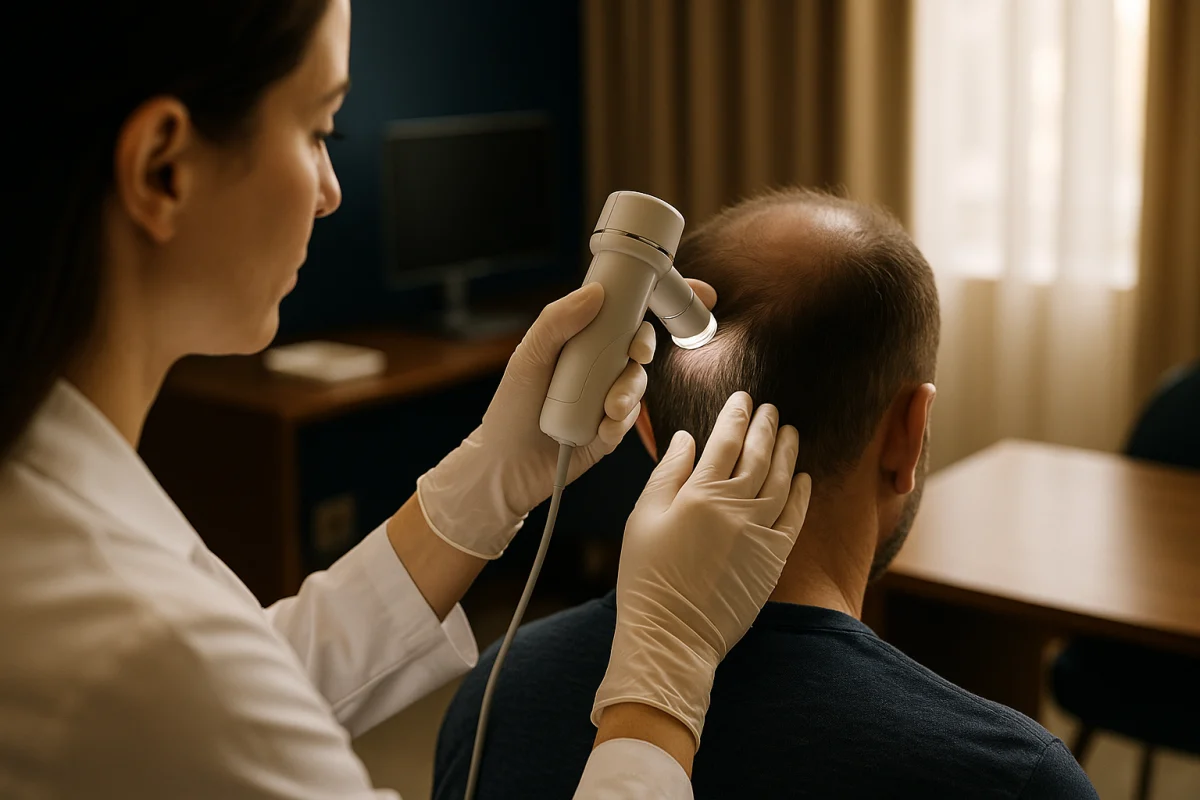
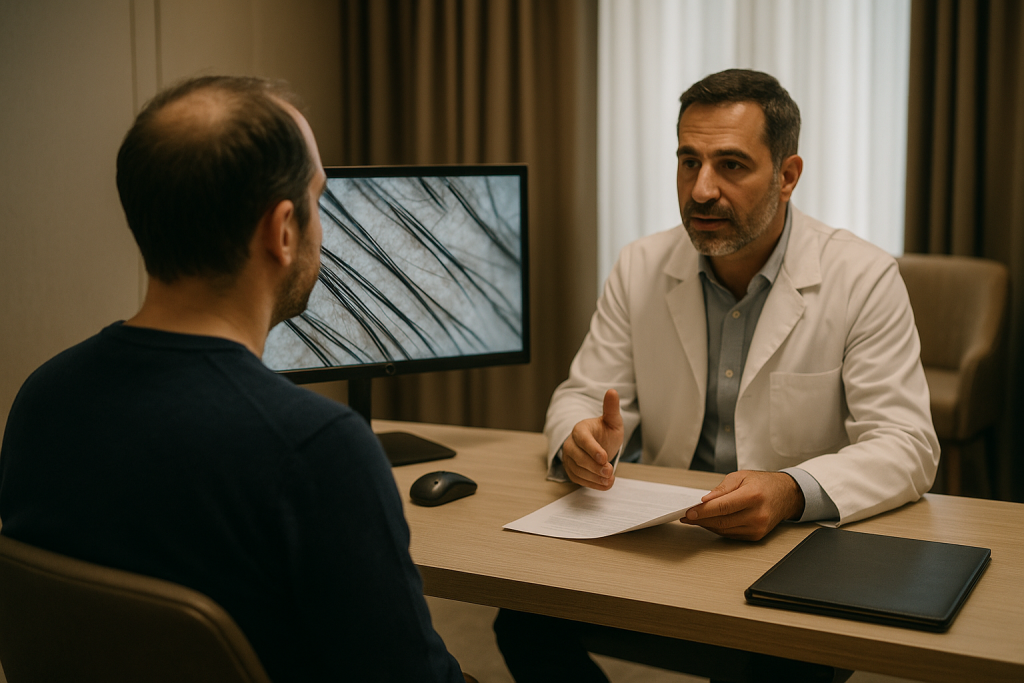
The treatment approach can differ between clinics because platelet preparation methods, injection depth, session intervals and assessment methods are not identical. This is one reason results from one person or study cannot be assumed for another person. A responsible plan should include baseline photographs or trichoscopic assessment when appropriate, a discussion of expected change and a review point to decide whether continuing treatment is useful.
03Who May Be a Suitable Candidate for PRP
People with early-stage pattern thinning are often considered the most likely group to benefit from PRP. This may include women with widening around the part line, men with early thinning at the crown or temples, and people who are noticing reduced density while follicles are still present. PRP may also be discussed as supportive care for some patients whose hair is becoming finer but who are not ready for, or do not need, surgical treatment.
Suitability is not based on appearance alone. A doctor may ask when the shedding began, whether there has been recent illness, rapid weight change, childbirth, stress, medication changes or a family history of thinning. They may also examine the scalp for redness, scaling, tenderness, broken hairs or signs of scarring. Depending on your history, further medical evaluation or blood tests may be considered before any cosmetic treatment is planned.
PRP may be postponed or considered unsuitable in people with certain blood disorders, active scalp infection, significant platelet problems, uncontrolled medical conditions or medicines that affect bleeding or platelet function. Pregnancy, breastfeeding and autoimmune or inflammatory conditions may also require individual medical review. Do not stop prescribed medication in order to have PRP. Instead, share a complete medical history so the treating doctor can advise safely.
04A Practical PRP Treatment Plan and Timeline
PRP hair restoration is commonly planned as an initial series of sessions rather than a one-time procedure. Many clinics schedule several treatments over the first few months, then review the scalp and discuss whether maintenance sessions are appropriate. The exact number and interval should not be treated as a fixed rule. Your doctor will consider the diagnosis, degree of thinning, response after the initial course and any other treatments being used.
Hair grows slowly, so meaningful assessment usually takes months rather than days or weeks. Early changes, if they occur, may be reduced shedding or improved hair texture. Changes in density can take longer to become visible because follicles need time to produce and lengthen new hair shafts. Standardised photographs, the same lighting and similar hair positioning are helpful when comparing progress, as daily mirror checks can be misleading.
A treatment plan should also state what will happen if improvement is limited. In some cases, the doctor may recommend investigating another cause of hair loss, changing the wider management strategy or deciding not to continue PRP. This is not necessarily a failure of the procedure; it may simply show that the follicles or diagnosis are not responsive in the expected way. Clear review dates help patients make informed decisions without committing indefinitely.
05What to Expect During and After a Session
Before treatment, the scalp is usually examined and the planned injection areas are marked or discussed. After blood collection and preparation, multiple small injections may be used across the thinning zones. The procedure time can vary according to the area being treated and the preparation process. Most patients return home the same day because PRP is an outpatient treatment, but the clinical team will provide specific aftercare instructions based on your situation.
During injections, patients may feel brief stinging, pressure or sensitivity. Comfort measures differ by clinic. At Acibadem Hair Transplant Center in Istanbul, needle-free anaesthesia is available for suitable procedures, and your clinical team can explain whether it is relevant to your planned care. It is important to tell the team about needle anxiety, previous fainting, allergies and any medications or supplements before your appointment.
Mild tenderness, redness, a sense of tightness, temporary swelling, small bruises or a headache can occur after PRP. These effects often settle within a short period, but recovery experiences vary. You may be advised to avoid certain activities, scalp products or medicines for a limited time, depending on the protocol and your health history. Contact the treating clinic promptly if you develop severe pain, persistent swelling, fever, spreading redness or any symptom that concerns you.
06Limitations, Risks and Reasons Results Differ
PRP is often described as low risk because it uses your own blood, but low risk does not mean risk-free. The most common negatives are short-term discomfort, scalp sensitivity, bruising, swelling and the inconvenience of repeat appointments. There is also a financial and emotional consideration: patients may invest time and money without seeing the level of change they hoped for. A thorough discussion of limitations is therefore as important as explaining possible benefits.
Less common risks can include infection, bleeding, prolonged inflammation or an unwanted reaction at the injection site. Proper hygiene, appropriate patient screening and treatment by qualified medical professionals help reduce these risks. People with a tendency to faint during blood draws or injections should mention this in advance. PRP should not be viewed as a substitute for diagnosing a scalp condition, reviewing a health concern or receiving urgent care when hair loss is sudden or accompanied by other symptoms.
Results differ partly because hair loss is not one single condition. Genetic pattern thinning may respond differently from shedding after illness, traction-related loss, nutritional deficiency or a scarring disorder. The duration of hair loss also matters. Follicles that have been inactive for a long time may have limited potential to produce visible hair. Honest treatment planning means accepting that PRP may support retention or quality of existing hair without producing a major increase in density.
07Combining PRP With Medical or Surgical Hair Care
For some patients, PRP may be one part of a broader hair management plan. Depending on the diagnosis, a doctor may discuss evidence-based medical treatments, nutritional assessment, scalp care or lifestyle factors alongside PRP. Any medicine has its own potential benefits, side effects and suitability criteria, so it should be prescribed or recommended only after medical review. Combining treatments does not guarantee a stronger result, but it may address more than one factor affecting the hair.
PRP may also be discussed before or after hair transplantation in selected cases, although it does not replace the need for sufficient donor hair or careful surgical planning. Hair transplantation redistributes existing follicles from a donor area to areas of loss, while PRP aims to support the scalp and remaining follicles. These are different tools with different limitations. A consultation should clarify whether your priority is protecting existing hair, improving density, restoring a hairline or addressing a non-genetic cause of shedding.
At Acibadem Hair Transplant Center, patients can receive a free online hair analysis reviewed by doctors, with WhatsApp replies typically available within around two hours. The clinic offers Sapphire FUE and DHI techniques for patients who are suitable for transplantation, alongside treatment planning for non-surgical concerns. For transplant cases, graft survival is assessed trichoscopically at month 12, with a documented 98% rate under a written guarantee; this measure relates to transplanted grafts, not to PRP outcomes.
08Choosing a Clinic and Preparing for Your Consultation
Choose a clinic that begins with diagnosis and informed consent rather than a promise of rapid regrowth. Ask who will assess your scalp, who will perform the procedure, how the plasma is prepared, what aftercare is included and how results will be reviewed. You should also ask what the clinic considers a reasonable outcome for your type of hair loss and what alternatives may be more appropriate if PRP is unlikely to help.
Bring a clear history to your consultation. Note when you first noticed thinning, whether loss is gradual or sudden, which areas are affected and any recent health or life changes. A list of prescription medicines, over-the-counter medicines, vitamins and supplements is useful, as are past blood test results if they are relevant. Photos from earlier months or years can also help show whether the pattern is stable, improving or progressing.
Acibadem Hair Transplant Center is a dedicated hair restoration clinic in Istanbul, licensed by the Turkish Ministry of Health, and has welcomed patients from 38 countries over 12 years. International patients may also ask about all-inclusive packages that include VIP transfer, a 4-star hotel, a care kit and 12 months of follow-up. Whether you are considering PRP, transplantation or further investigation, the safest next step is a doctor-reviewed assessment that matches the plan to your diagnosis and goals.
09Frequently Asked Questions
Can PRP genuinely regrow hair?
PRP may support thicker-looking, stronger existing hair and may reduce shedding in some suitable patients, particularly when follicles are still active. It does not reliably create new follicles in long-standing bald areas, and results vary by diagnosis and degree of hair loss. A doctor can assess whether your scalp pattern is likely to respond.
What is the cost of three PRP sessions?
The cost of three sessions varies by country, clinic, platelet preparation method, treatment area and whether consultations or follow-up are included. It is best to request a written quotation that explains exactly what the package covers. Be cautious about choosing treatment based on price alone, as medical assessment and clinical standards are important.
What are the main disadvantages of PRP for hair?
Possible disadvantages include discomfort from blood collection and injections, temporary redness, swelling, bruising, headache and the need for repeat visits. The main limitation is uncertainty: some patients see improvement while others see little visible benefit. PRP can also be unsuitable for certain medical conditions, so screening is essential.
How long can PRP hair treatment results last?
When PRP helps, the effect is usually not considered permanent because the cause of thinning may continue over time. Doctors often review the response after an initial course and may discuss maintenance sessions if appropriate. The duration of any benefit varies between patients, their diagnosis and their wider hair care plan.
This article is for general information only and is not a substitute for professional medical advice.
 06
06 12
12