

Hairline lowering surgery may suit adults with a naturally high or broad forehead, stable hair loss patterns, healthy scalp tissue and realistic expectations. A specialist assessment is important because scalp flexibility, hairline shape, future hair loss and general health all affect whether this procedure, hair transplantation or another approach may be more appropriate.
- A suitable candidate commonly has a naturally high forehead, adequate scalp laxity and a stable frontal hairline.
- A detailed assessment should consider scalp health, hair loss risk, medical history and the desired hairline design.
- Forehead reduction can create an immediate lower hairline position, but scar healing and hair growth may continue to change over time.
- Not everyone is suited to surgical advancement; hair transplantation may be considered for selected patients instead.
- Cost, recovery and safety should be discussed in a personal consultation rather than assumed from online information.
01Hairline Lowering Surgery: Who May Be a Suitable Candidate
A high forehead can be a natural facial feature, but some people feel it affects facial balance or makes hair styling more difficult. Hairline lowering surgery is designed to reduce the visible height of the forehead by advancing the scalp and hair-bearing skin forward. It is not automatically the right solution for every person who wants a lower hairline. The safest and most natural-looking plan depends on the cause of the high hairline, the quality of the scalp, the risk of future hair loss and the person’s health and expectations.
Suitable candidates are commonly adults with a naturally high, broad or rounded forehead and a hairline that has remained reasonably stable. They may have good scalp flexibility, sufficient hair density behind the hairline and no active scalp disease. Some people seek the procedure after years of feeling that their forehead appears disproportionate, while others want to restore balance following a naturally elevated hairline. A consultation helps distinguish between these situations and identify what may be achievable.
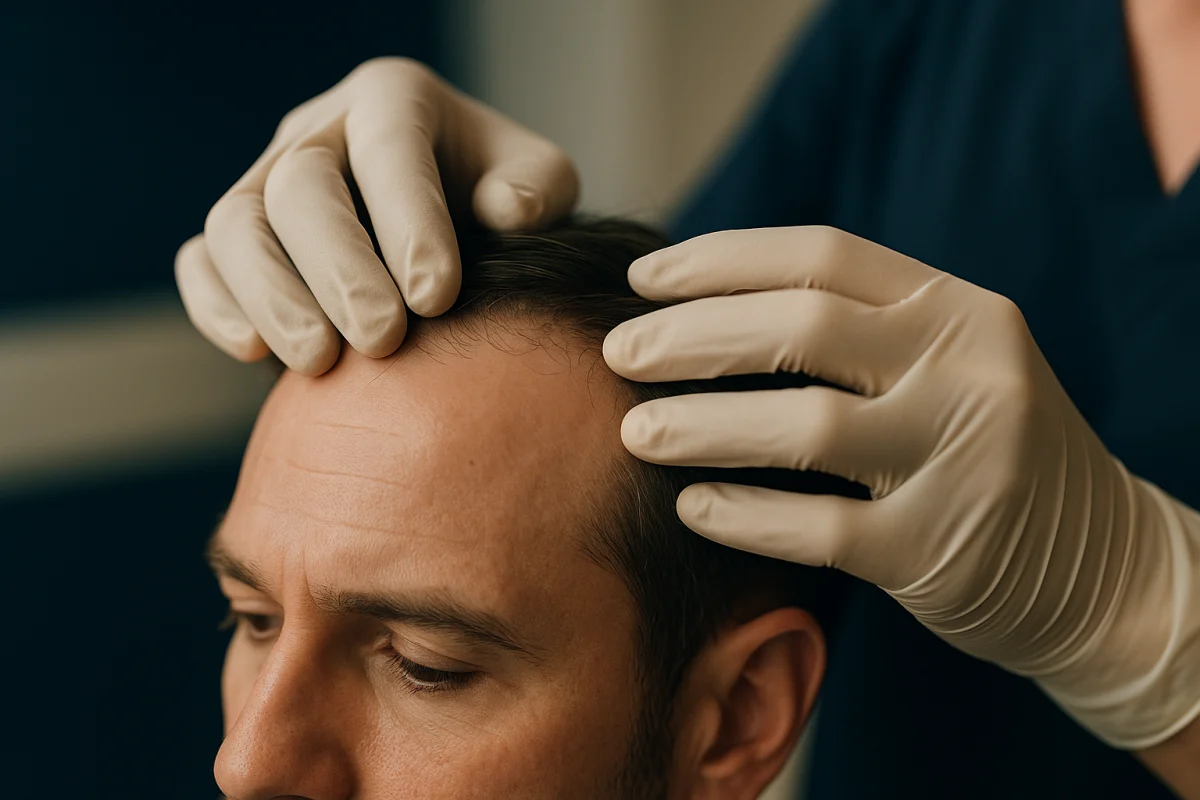
The procedure is also called forehead reduction or scalp advancement surgery. During an assessment, a surgeon typically examines the forehead dimensions, hairline pattern, scalp mobility and existing hair thinning. The aim is not simply to lower the hairline as much as possible. It is to create a position and shape that can look proportionate to the face, respect the natural direction of hair growth and remain sensible if the patient experiences age-related changes later in life.
02How hairline lowering surgery changes the forehead
During hairline lowering surgery, the surgeon makes an incision along the natural transition between the forehead and the hair-bearing scalp. The scalp is carefully released and moved forward to reduce the distance between the eyebrows and the hairline. Excess forehead skin may be removed before the tissues are closed. The technical approach, incision design and amount of possible movement vary between patients, so an in-person examination is needed before a doctor can comment on suitability.
A key factor is scalp laxity, meaning how freely the scalp can move. A scalp that is naturally flexible may allow more advancement than one that is tight. Previous surgery, scarring, skin quality and individual anatomy can all influence this. Attempting too much advancement when tissue movement is limited can place unwanted tension on the closure, which is why realistic surgical planning is important for both healing and appearance.
The incision is usually planned so that hair can help camouflage it as it heals. Even so, a scar is an expected part of surgery and it may remain visible to some degree, especially during the earlier healing phase or if hair is pulled back. Scar maturation differs from person to person. Your surgeon should explain the likely incision location, the potential for temporary changes in sensation and the measures used to support careful wound healing.
03What a full candidate assessment should include
A responsible assessment begins with understanding why the hairline appears high. In some patients, the position has been stable since adolescence. In others, it may reflect gradual hair thinning or a receding frontal hairline. These causes need different planning. A surgically advanced hairline may not be the preferred option when progressive hair loss is likely to continue, because the surrounding hair pattern could change after the procedure.
The doctor will usually review your personal and family history of hair loss, current medications, previous scalp treatments, allergies, smoking status and any health conditions that could affect surgery or healing. Active skin problems, untreated medical conditions or factors that interfere with wound repair may need attention first. This review is not a formality; it is part of reducing avoidable risk and setting appropriate expectations.
Hairline design also deserves careful discussion. A lower line is not always a better line. Facial proportions, eyebrow position, forehead shape, hair texture and the natural irregularity of a mature hairline may influence the design. An overly straight or very low hairline can appear less natural for some people. A suitable plan typically aims for balance rather than a dramatic change that may not age well.
04People who may be good candidates for forehead reduction
Adults with a congenitally high hairline are often considered potential candidates when they have good scalp mobility and stable hair density. They may have always had a larger-looking forehead without a clear history of hair loss. In these cases, the procedure can address the position of the hair-bearing scalp directly. Whether it is appropriate still depends on the examination findings, because the amount of advancement possible is individual.
Some women with a stable, high frontal hairline may explore forehead reduction when they want to wear their hair away from the face with greater confidence. Some men may also be candidates, particularly when the frontal hairline is stable and there is low concern about future recession. However, male-pattern hair loss can be progressive, and this possibility should be evaluated carefully before an advanced hairline is created surgically.
People who are emotionally prepared for a surgical recovery and understand the trade-offs may also be better positioned to make an informed decision. They should be comfortable with the fact that swelling, tenderness, numbness and a healing incision can occur after surgery. They should also understand that surgical planning cannot guarantee an exact cosmetic result. Clear communication about desired change, scar concerns and future hair goals is essential before proceeding.
05When another approach may be safer or more appropriate
People with active or rapidly progressing hair loss may need a different strategy. If the hair behind a newly advanced hairline later thins significantly, the cosmetic result may change. In selected cases, hair transplantation may be discussed to rebuild or soften a hairline without moving the scalp forward. This is not a universal alternative, as donor hair availability, hair characteristics and the pattern of hair loss also need professional assessment.
Limited scalp laxity can make forehead reduction less suitable or limit the amount of movement that can be achieved safely. Patients with certain prior scalp procedures, significant scarring or a history of poor scar healing may require especially careful evaluation. A surgeon may advise against surgery if the expected benefit is modest compared with the potential burden of a scar, healing concerns or other risks.
Patients should also disclose conditions that affect bleeding, immune function, skin healing or anaesthesia safety. Pregnancy, breastfeeding, recent changes in health status and use of certain medications may affect the timing or appropriateness of elective surgery. Only the treating medical team can assess these issues in context. An online review can provide preliminary guidance, but it does not replace a medical examination and final surgical planning.
06Recovery, comfort and scar care after surgery
Forehead reduction is generally performed with anaesthesia, so patients should not feel surgical pain during the operation itself. Afterward, many people experience temporary tightness, tenderness, swelling or a headache-like sensation around the forehead and scalp. The intensity varies. Your surgical team will explain the planned pain-control approach and provide instructions for taking prescribed or approved medication safely.
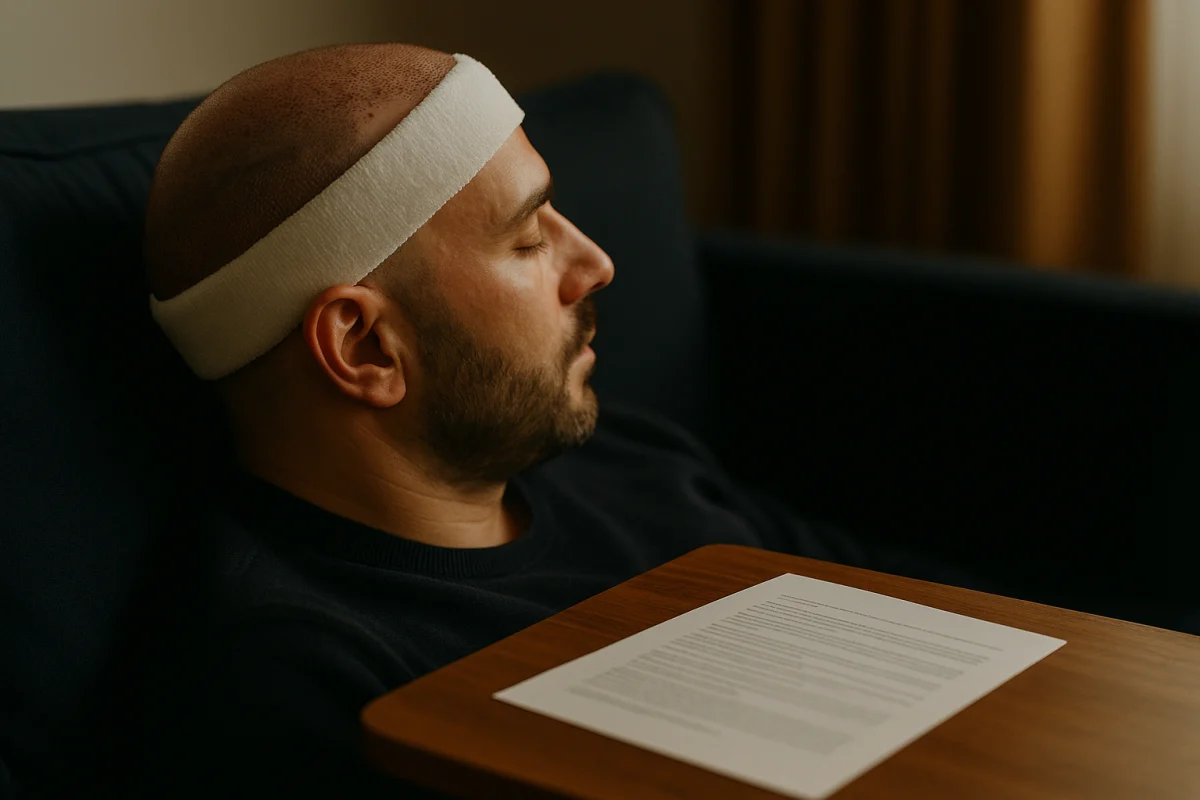
In the early recovery period, patients are commonly asked to protect the incision, avoid pressure or trauma to the area and follow washing instructions closely. Swelling and bruising can take time to settle, while changes in scalp sensation may improve gradually. Follow-up visits allow the team to check healing, remove or assess closure material where relevant and identify concerns early. Individual recovery schedules can differ, so the clinic’s instructions should take priority over general online timelines.
Scar care is an important part of the process. The incision may initially appear red, raised or more noticeable before it matures. Protecting the healing area from sun exposure and avoiding unapproved topical products can be important, but the appropriate routine should be confirmed by the treating team. Contact the clinic promptly if you notice increasing pain, spreading redness, unusual discharge, fever or other symptoms that could suggest a complication.
07Expected results and how long the change can last
The scalp is physically advanced during the operation, so the forehead position changes immediately after the procedure. However, the early appearance is affected by swelling, incision healing and temporary changes in how the hair lies around the scar. A more settled appearance develops gradually. It is important to separate the immediate change in hairline position from the longer process of scar maturation and the natural evolution of the surrounding hair.
For many appropriate candidates, the lowered forehead position can be long-lasting. However, no procedure can stop natural ageing, changes in skin elasticity or future hair thinning. If a person has an underlying tendency toward progressive hair loss, the density or shape around the surgically moved hairline may evolve over time. This is one reason why a family history and trichoscopic scalp assessment may be useful during planning.
In some cases, a surgeon may discuss hair transplantation as a later or combined option to refine the transition at the hairline or add density where appropriate. At Acibadem Hair Transplant Center, patients can receive a free online hair analysis reviewed by doctors before travelling. The centre in Istanbul is licensed by the Turkish Ministry of Health and offers Sapphire FUE and DHI techniques when hair transplantation is clinically considered suitable. The correct approach should always be selected according to the patient’s anatomy and hair-loss pattern, not a fixed template.
08Planning costs, travel and a safe consultation
The cost of a forehead reduction procedure varies because surgery is planned around the individual. The surgeon’s assessment, operating facilities, anaesthesia, pre-operative testing, follow-up needs, complexity of the hairline design and any additional treatment can influence a quote. A reliable clinic should provide a clear written explanation of what is included and should not pressure patients to make a decision before their questions have been answered.
International patients should also plan for practical matters beyond the procedure itself. These include travel timing, time away from work, the need for a companion if advised, accommodation and arrangements for post-operative checks. Acibadem Hair Transplant Center provides all-inclusive packages for its hair restoration patients that can include VIP transfer, a 4-star hotel, a care kit and 12 months of follow-up. The available package and its suitability should be confirmed directly with the clinic.
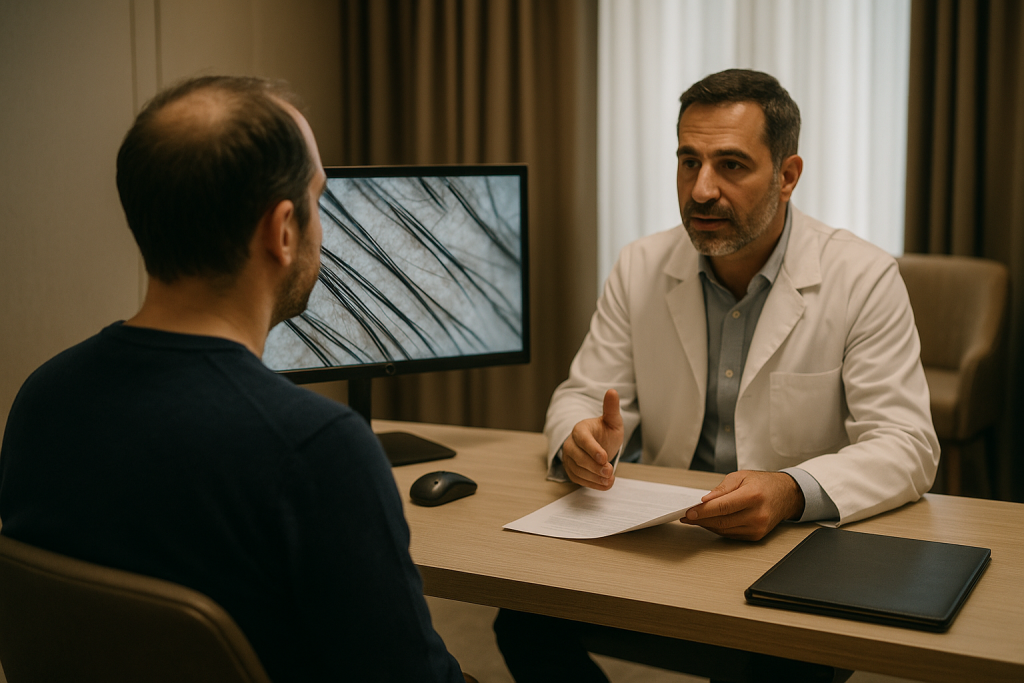
A consultation should leave you with a clear understanding of candidacy, alternatives, incision placement, expected recovery, possible complications and total costs. Patients can send photographs for an initial online hair analysis, which is reviewed by doctors, and WhatsApp replies are typically provided within around two hours. This initial step can help clarify whether travelling for a full assessment may be worthwhile, but the final recommendation must be made after appropriate medical evaluation.
09Frequently Asked Questions
What determines the cost of a hairline lowering procedure?
The cost depends on factors such as the surgical plan, scalp characteristics, anaesthesia, facility fees, follow-up care and whether any additional treatment is considered. Because each case is different, a personal medical assessment is needed for an accurate quote. Ask for a written breakdown of what is included before making travel or treatment arrangements.
Is forehead reduction surgery painful?
Anaesthesia is used during surgery, so patients should not feel pain during the procedure. Afterward, temporary tightness, tenderness, swelling or discomfort can occur, and the level varies between individuals. Your medical team will explain suitable pain-management options and recovery instructions.
What are the risks of forehead reduction surgery?
As with any surgery, possible risks can include bleeding, infection, delayed wound healing, noticeable scarring, temporary or persistent changes in sensation, asymmetry and an outcome that does not meet expectations. The risk profile depends on personal health, scalp anatomy, smoking status, medications and surgical technique. A qualified surgeon should discuss the risks relevant to your case before treatment.
How long do the results of hairline lowering surgery last?
The surgically moved hairline position is generally intended to be long-lasting. However, skin ageing, scar maturation and future hair thinning can affect the appearance over time. People with a risk of progressive hair loss should discuss this carefully before surgery, as additional hair restoration planning may sometimes be considered.
This article is for general information only and is not a substitute for professional medical advice.
 06
06 12
12