
Hair shedding is often temporary and can happen after stress, illness, dietary changes, or normal hair-cycle changes. A hair transplant may be considered when hair loss is stable and the donor area is suitable, but a doctor should first identify the cause of shedding and confirm whether surgery is appropriate.
- Temporary shedding and progressive hair loss can look similar, but they may need very different management.
- Sudden or diffuse shedding should usually be assessed before planning a hair transplant.
- Nutritional deficiencies, thyroid conditions, medicines, illness, and stress can contribute to increased shedding.
- Hair can regrow after temporary shedding when the trigger is addressed, although recovery commonly takes time.
- A transplant is generally planned for stable hair loss with a healthy, sufficient donor area.
01Understanding Hair Shedding Before You Plan Surgery
Hair shedding is a normal part of the hair-growth cycle, because every hair follicle moves through periods of growth, rest, and release. It becomes a concern when you notice more hair than usual on your pillow, in the shower, on a brush, or around your home for several weeks. The important question is not only how much hair is coming out, but also whether the hair is being replaced and whether the overall density of your scalp is changing. A careful assessment can help distinguish a temporary change from ongoing hair loss.
Many people use the words shedding and hair loss interchangeably, yet they do not always mean the same thing. Shedding describes hairs leaving the scalp, often from follicles that are still capable of producing new hairs. Hair loss may describe a visible reduction in density, a widening part, receding temples, or areas where follicles are becoming progressively smaller. This distinction matters because a transplant redistributes existing permanent hairs; it does not treat every medical or temporary cause of reduced density.
Before considering surgery, it is sensible to look at the pattern, speed, and possible timing of the change. Diffuse thinning across the whole scalp after a recent event may point to a temporary shedding process. Gradual thinning at the front, temples, crown, or part line may be more consistent with pattern hair loss. Your doctor will confirm what is happening through your history, scalp examination, and, where clinically appropriate, further testing.
02The Hair Cycle and Why More Hairs May Fall at Once
Hair follicles do not all grow in perfect synchrony. Most scalp hairs are normally in the active growth phase, while a smaller number are resting or preparing to shed. When many follicles shift into the resting phase around the same time, more hairs can be released several weeks or months later. This type of diffuse shedding is often called telogen effluvium, and it can be distressing even when the follicles remain healthy.
A wide range of events can affect the hair cycle. Examples include a high fever, significant illness, surgery, rapid weight change, childbirth, major emotional stress, restrictive eating, and some medicines. The timing can be confusing because the visible shedding may begin after the triggering event has passed. For this reason, a doctor will often ask about your health, lifestyle, diet, medications, and life events from the preceding months rather than only the previous few days.
It is also possible for temporary shedding to occur alongside genetic pattern hair loss. In that situation, the temporary increase in shed hairs can make a pre-existing reduction in density much more noticeable. A professional evaluation can identify miniaturised hairs, assess the distribution of thinning, and help clarify whether the main issue is temporary shedding, progressive hair loss, or a combination of both.
03Recognising Patterns That May Need Medical Assessment
Diffuse shedding commonly appears as a general reduction in fullness rather than a single bald area. You may notice that your ponytail feels smaller, your scalp is more visible under bright light, or hair seems to come out from all areas when washing. Although this pattern can be temporary, persistent diffuse thinning deserves medical attention because underlying health, nutritional, hormonal, or scalp factors may need to be addressed before any cosmetic procedure is discussed.
Patchy hair loss, broken hairs, redness, scaling, burning, pain, or itching are reasons to seek a prompt medical assessment. These signs can occur with conditions that need diagnosis and treatment rather than transplantation. Similarly, a sudden major change in hair density, particularly if accompanied by fatigue, changes in weight, irregular periods, skin symptoms, or other health concerns, should not be self-diagnosed through online information alone.
Progressive pattern hair loss often follows a recognisable distribution. In many men, it may begin with temple recession or crown thinning. In many women, it may appear as a broader central part or reduced density over the top of the scalp while the frontal hairline is relatively preserved. However, patterns vary between individuals, so photographs and visual comparison alone cannot establish the cause with certainty.
04Nutrition, Health Conditions, and Medicines to Review
Hair growth depends on adequate energy intake and a range of nutrients, but there is no single vitamin that explains every case of falling hair. Low iron stores, vitamin D deficiency, vitamin B12 deficiency, low zinc intake, low protein intake, and other nutritional issues may contribute in some people. Excessive supplementation can also be harmful or interfere with testing, so it is better to discuss supplements with a qualified clinician rather than taking high doses based only on hair concerns.
Medical conditions can affect the hair cycle as well. Thyroid disorders, anaemia, hormonal changes, inflammatory scalp conditions, and recovery from infection are examples of factors a doctor may consider. Certain prescription medicines may also be associated with increased shedding. Do not stop prescribed medication because of hair changes without speaking to the clinician who prescribed it; they can advise whether the medicine may be relevant and whether any safer alternative or investigation is appropriate.
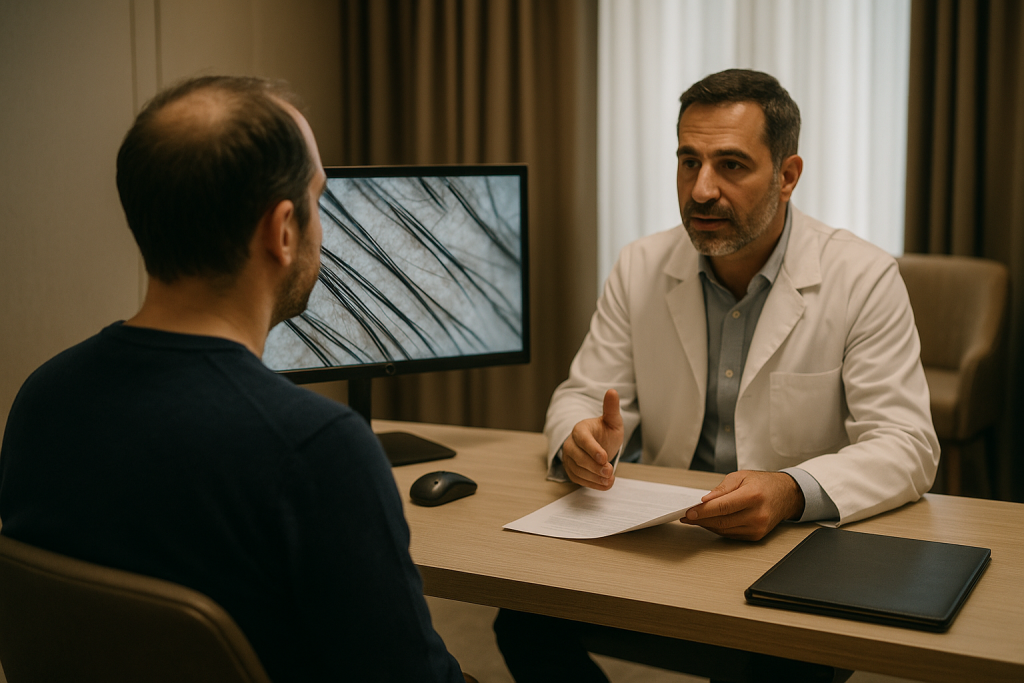
When hair shedding is recent or unusually heavy, your doctor may decide that blood tests or other evaluations are clinically appropriate. The right tests depend on your symptoms, medical history, diet, and examination findings. Normal results are useful too, because they can help narrow the possible causes and support a realistic plan for monitoring recovery or treating an underlying form of hair loss.

05Can Hair Regrow After a Shedding Episode?
In many cases, hair can regrow after a temporary shedding episode because the follicles have not been permanently destroyed. Once the trigger has settled or has been treated, follicles may gradually return to their active growth phase. However, hair grows slowly, and early regrowth can be fine and difficult to see. It is common for visible improvement in volume to take several months, while the full return of density may take longer.
Recovery depends on the cause. For example, correction of a proven deficiency, recovery after illness, improved nutritional intake, or management of an identified health condition may support normal hair cycling. If genetic pattern hair loss is also present, the hair may not return to its previous density without an appropriate long-term management plan. A doctor can explain what degree of regrowth is medically realistic in your particular situation.
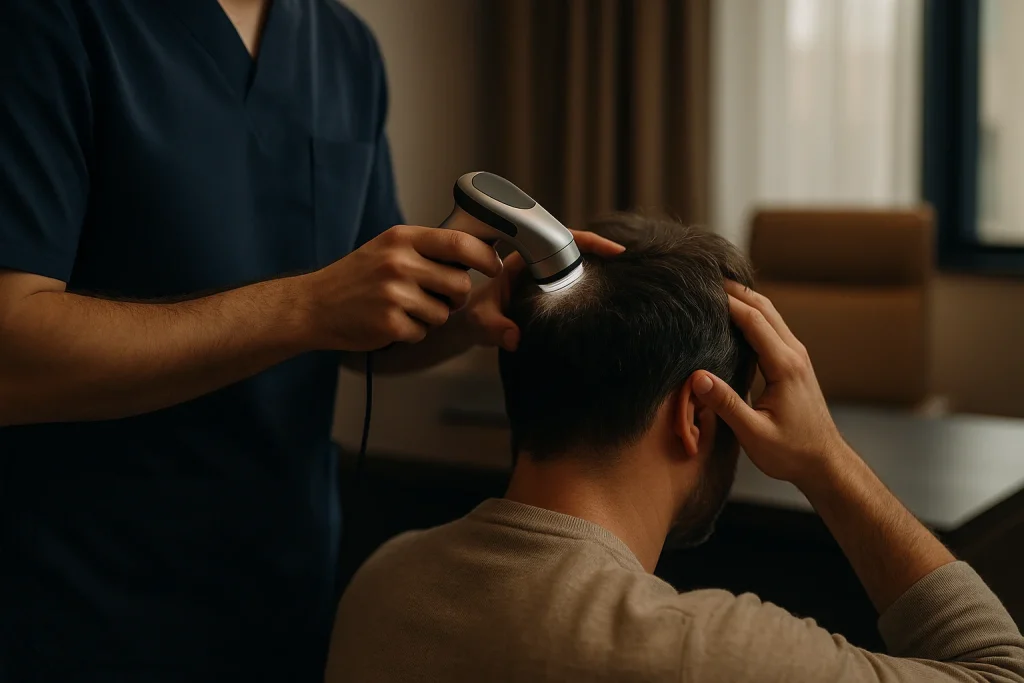
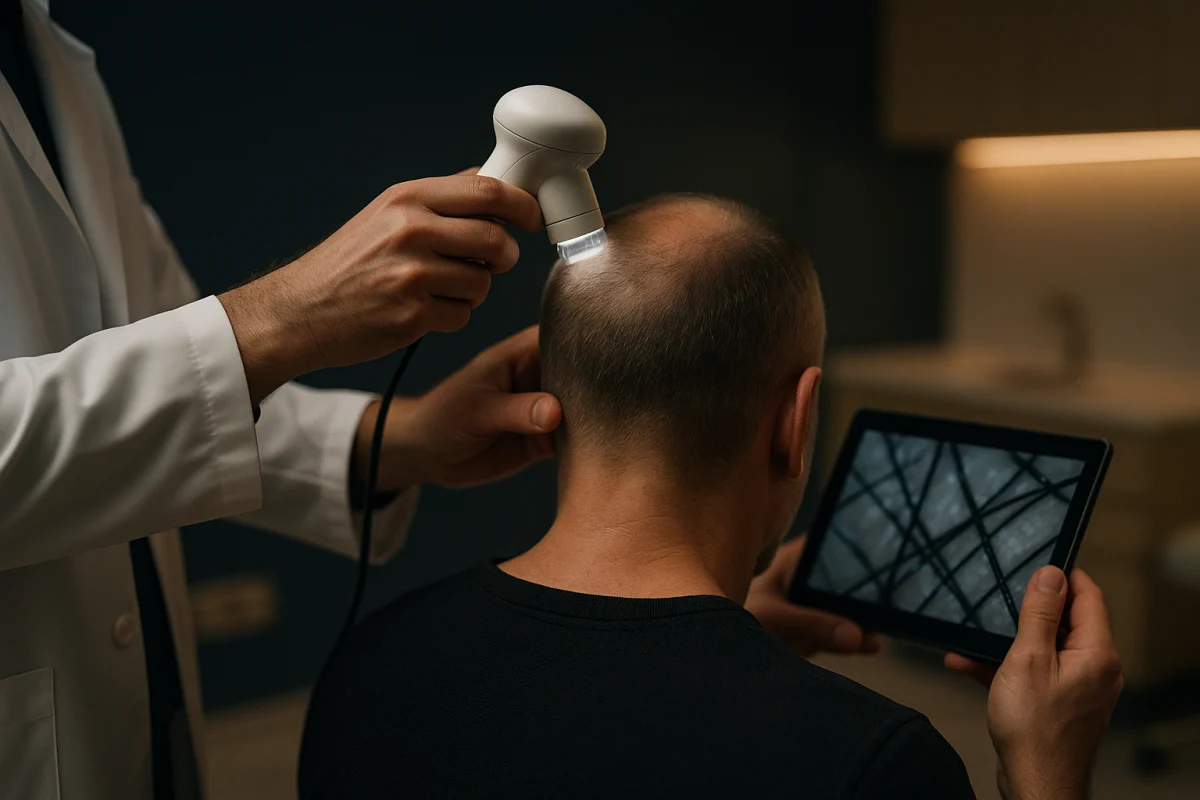
Trying multiple treatments at once can make it difficult to understand what is helping and may irritate the scalp or create unnecessary expense. Taking clear, consistent photographs under similar lighting can be useful for monitoring change over time. A clinical scalp review may also include trichoscopy, which allows the doctor to examine follicle and hair-shaft features more closely than with the naked eye.
06When a Hair Transplant May Be the Right Next Step
A hair transplant is usually considered for people with stable, established hair loss and a donor area that contains enough healthy, permanent hairs. The procedure moves follicles from the donor region, commonly at the back and sides of the scalp, to areas with lower density. It is not designed to create an unlimited supply of hair, so careful donor management and a conservative plan are important for natural-looking, sustainable results.
Active diffuse shedding is not always an automatic reason to rule out surgery, but it should be understood before a procedure is planned. If the cause is temporary, it may be safer to allow the shedding pattern to settle and assess how much hair returns. Transplanting while the situation is unclear can make planning difficult, especially when the existing hair around the proposed transplant area may later recover or continue to thin.
At Acibadem Hair Transplant Center in Istanbul, a doctor-reviewed online hair analysis can help begin the discussion before travel. The clinic uses Sapphire FUE and DHI techniques, with needle-free anaesthesia available for suitable patients. Your doctor will assess hair-loss stability, scalp condition, donor capacity, expectations, and medical suitability before confirming whether a transplant plan is appropriate.
07Planning a Safe Consultation and Long-Term Result
A useful consultation should focus on more than the number of grafts. You should be asked about the history of your hair change, family pattern, health conditions, medications, previous treatments, lifestyle, and goals. The doctor should assess your donor area and explain the limitations of surgery, including the possibility that non-transplanted hair can continue to thin over time. A realistic plan protects the donor area and considers both your current appearance and future needs.
Bring clear information to your consultation, including when the shedding began, whether you have had recent illness or weight change, and what products, supplements, or medicines you use. If you have previous blood-test results or medical reports that are relevant to your hair concerns, these may help your clinician understand the situation. Honest discussion about smoking, scalp symptoms, and previous procedures is also important for safe planning.
For international patients, practical aftercare planning matters as much as the procedure itself. Acibadem Hair Transplant Center provides all-inclusive packages that include VIP transfer, a 4-star hotel, a care kit, and 12 months of follow-up. The clinic is licensed by the Turkish Ministry of Health, and its documented month-12 trichoscopic graft survival rate is 98% under written guarantee; individual cosmetic outcomes and hair-growth patterns can still vary.
08A Practical Timeline: When to Monitor, Investigate, or Reconsider Surgery
The timing of hair change is one of the most useful details in a consultation. If shedding started after an illness, major stress, rapid dietary change, childbirth, or another possible trigger, record the approximate date of that event and when you first noticed increased hair fall. Because visible shedding can occur some time after the trigger, a simple timeline can help your doctor assess whether the pattern may be temporary.
During the following months, avoid judging recovery from day-to-day shedding alone. Hair fall naturally varies between wash days and seasons, while regrowth is slow and may initially be difficult to notice. Take photographs of your hairline, part line, crown, and donor area at regular intervals using the same hairstyle, lighting, distance, and angle. This creates a more reliable record than comparing images taken under different conditions.
If the shedding settles and the density remains stable, a transplant consultation may become easier to plan. If the loss continues, spreads, becomes patchy, or is associated with scalp discomfort or other health symptoms, further medical assessment may be needed before surgery. A doctor will consider the overall trend rather than relying on one photograph or one day of hair shedding.
09What to Expect From Early Hair Transplant Aftercare
After a hair transplant, the recipient and donor areas need careful protection while they heal. Your clinical team will provide individual instructions, but patients are commonly advised not to touch, rub, scratch, or pick the implanted area during the early recovery period. Sleeping with the head elevated for the first nights may also be recommended to help reduce swelling. Follow the washing schedule and care-kit instructions given by your clinic rather than using unapproved products on the scalp.
Small crusts and temporary redness can occur during normal early healing. The transplanted hairs may also shed in the weeks after the procedure; this is commonly called shock shedding and does not necessarily mean that the implanted follicles have been lost. The follicles remain beneath the scalp and new growth generally takes time to emerge. Contact the clinic promptly if you have worsening pain, marked swelling, persistent bleeding, discharge, fever, or any concern about healing.
International patients should plan enough time for the procedure, the first check, and comfortable travel home. Acibadem Hair Transplant Center includes VIP transfer, a 4-star hotel, a care kit, and 12 months of follow-up in its all-inclusive packages. Before booking flights, confirm the clinic’s current guidance on travel timing, headwear, washing, exercise, sun exposure, and returning to work, as recommendations can depend on your procedure and recovery.
10Donor Capacity and Candidacy: Why More Grafts Is Not Always Better
A strong donor area is important, but donor capacity is not judged only by how thick the hair looks. The doctor assesses hair density, hair-shaft characteristics, scalp visibility, the distribution of permanent donor hairs, and the likely future course of hair loss. Removing too many follicles can reduce density in the donor region, which is why a responsible plan balances coverage of the thinning area with preservation of the donor area.
People with early or rapidly changing pattern hair loss may need a particularly cautious approach. A low hairline or very dense crown design may look attractive in the short term but can require more donor grafts than are available if surrounding native hair continues to thin. In most patients, planning for a natural age-appropriate hairline and protecting graft reserves can support a more sustainable result.
Previous transplant surgery, scalp scarring, very diffuse thinning, certain scalp diseases, and unrealistic expectations can also affect candidacy. This does not automatically mean that treatment is impossible, but it may change the recommended plan or mean that surgery should be postponed. A doctor-reviewed online hair analysis can help identify the questions to address before travel, although an in-person clinical assessment is needed before a final procedure decision is confirmed.
11Frequently Asked Questions
Why is my hair shedding much more than usual right now?
Increased shedding can follow illness, fever, stress, surgery, childbirth, rapid weight change, dietary restriction, or changes in medication, often with a delay of several weeks or months. It can also occur with nutritional deficiencies, thyroid issues, scalp conditions, or genetic pattern hair loss. If shedding is sudden, persistent, patchy, or accompanied by scalp symptoms, a doctor should assess it.
Which vitamin deficiency can cause hair to fall out?
No single vitamin is responsible for all hair loss. Low vitamin D or vitamin B12 may contribute in some patients, while low iron stores, insufficient protein, low zinc intake, and other health factors may also be relevant. A clinician can decide whether testing is appropriate before you start supplements.
Will my hair grow back after shedding?
Hair often regrows after temporary shedding when the underlying trigger resolves and follicles remain healthy. Regrowth is gradual, and visible improvement may take months because hair grows slowly. If there is also progressive pattern hair loss or another scalp condition, the degree of regrowth may be different.
How can I reduce or stop hair shedding?
The safest approach is to identify the cause rather than trying to stop shedding with a single product. A balanced diet, adequate protein intake, gentle hair care, and management of confirmed medical or nutritional issues may help, depending on the cause. Avoid starting high-dose supplements or stopping prescribed medicines without medical guidance.
Should I have a transplant while my hair is shedding?
It depends on why the shedding is happening and whether your hair loss pattern is stable. Temporary or unexplained diffuse shedding may need assessment and time for recovery before surgery is planned. A hair transplant doctor can evaluate your scalp, donor area, and long-term goals to determine whether waiting or proceeding is more appropriate.
This article is for general information only and is not a substitute for professional medical advice.
 06
06 12
12