
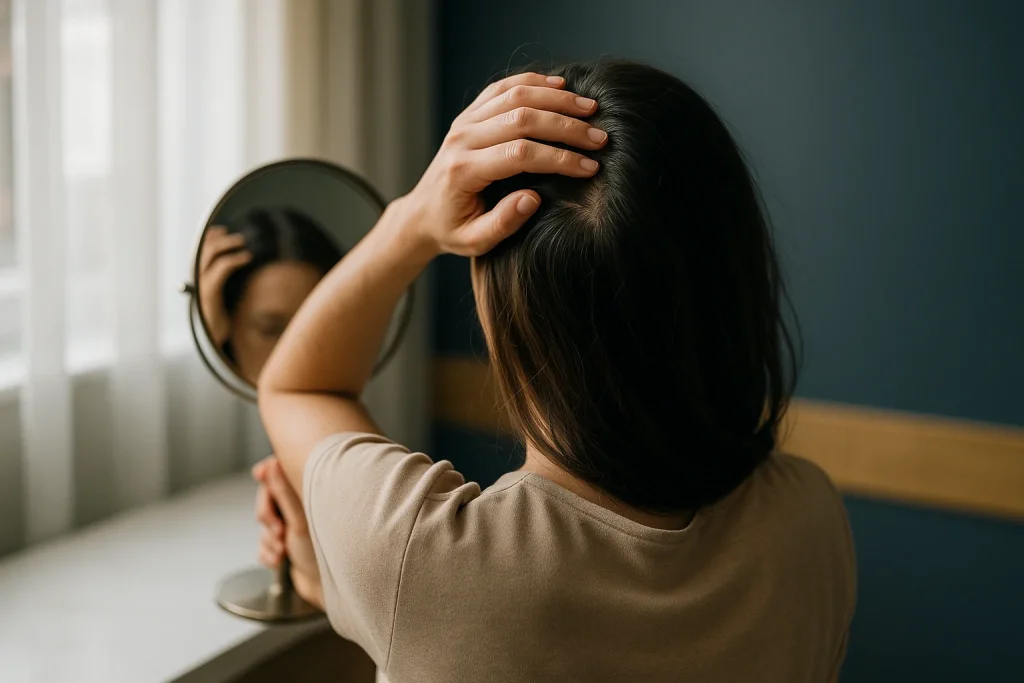
A treatment for women's hair loss should usually begin with a medical assessment to identify the type of shedding or thinning and any reversible causes. Medicines, correction of nutritional deficiencies, scalp care and management of underlying conditions may help in suitable patients; a hair transplant is considered only after hair loss has been assessed and stabilised where possible.
- Female hair loss can have several causes, so the first step is identifying the pattern and possible trigger.
- Blood tests, scalp examination and a review of medical history may help a doctor rule out treatable causes.
- Medical treatment may slow further thinning or improve density in some patients, but response varies.
- Home and hair-care measures can support scalp comfort and reduce breakage, but they do not replace diagnosis.
- Hair transplantation may be an option for selected women with stable donor hair and an appropriate pattern of loss.
01Women’s Hair Loss Treatments Before Hair Transplant
Hair loss in women is common, but it is not one single condition. A treatment for women's hair loss should be based on the reason for the change, whether it is gradual widening of the parting, increased shedding, patchy loss, breakage, or thinning after a stressful event. Before discussing surgery, a doctor will usually assess the scalp, hair distribution, medical history, medicines, diet, recent illness and family history. This helps distinguish conditions that may improve with non-surgical care from those that need longer-term planning.
Many women seek help when their ponytail feels smaller, their scalp becomes more visible in bright light, or they notice more hairs in the shower. These changes can be upsetting, particularly when they develop quickly. However, temporary shedding and permanent follicle miniaturisation are managed differently. An accurate diagnosis gives a clearer idea of what may be reversible, what can be controlled, and whether a transplant could be useful later.
Hair transplantation does not stop an active hair-loss condition. It redistributes follicles from a donor area to a thinner area, so it is important to protect the existing hair around the transplanted grafts. In most patients, doctors first aim to understand the cause of loss and establish a realistic plan for maintaining native hair. This can also help avoid placing grafts too early in an area where thinning may continue.
02Finding the cause: shedding, thinning or scalp disease
Female pattern hair loss is one of the most frequent causes of gradual thinning. It often appears as a wider central part or reduced density over the top of the scalp while the frontal hairline may remain relatively preserved. The process may be influenced by genetics and hormonal sensitivity. It is usually progressive, although the speed and extent differ greatly between individuals, and a doctor will confirm whether this pattern is present.
Telogen effluvium is a different type of hair loss that commonly causes noticeable shedding from across the scalp. It may occur several months after a high fever, surgery, childbirth, significant emotional stress, rapid weight change, restrictive eating, or certain medicines. In many cases, the trigger settles and regrowth begins over time, but persistent shedding deserves medical review because more than one factor can be involved.
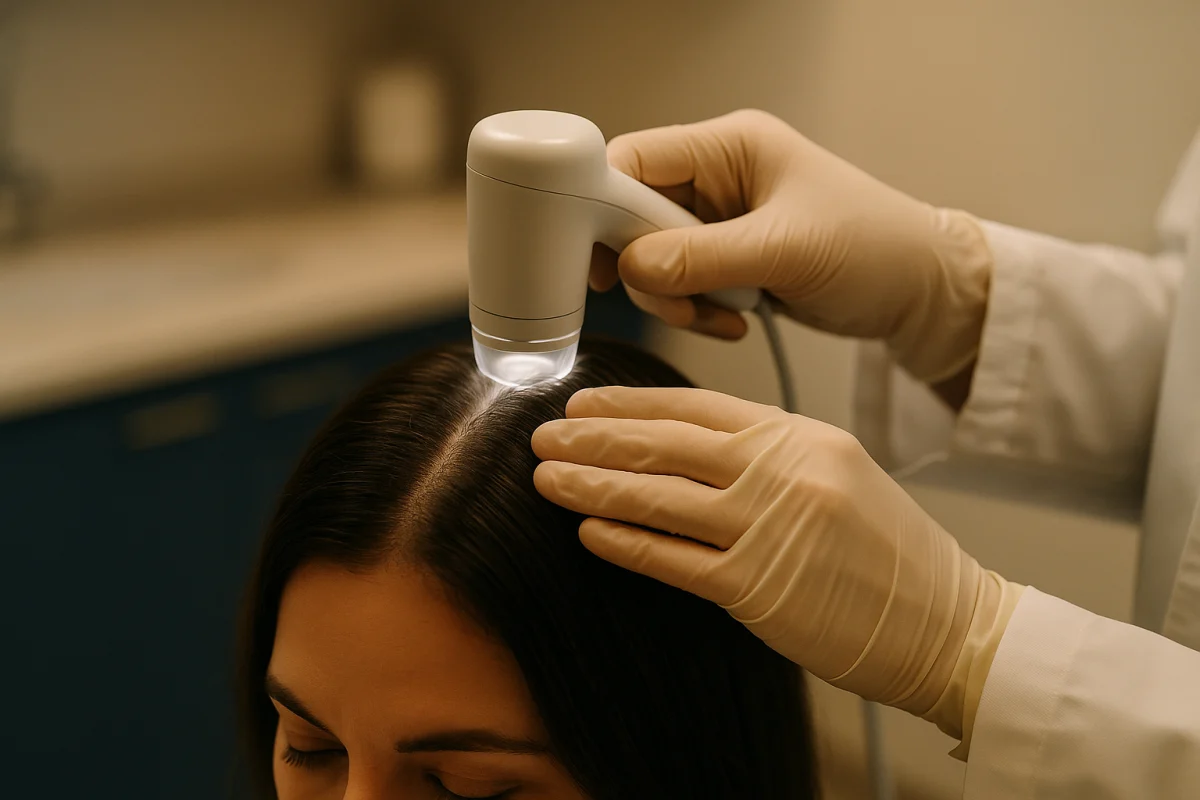
Patchy hair loss, scalp redness, itching, scale, pain, broken hairs or scarring changes need particular attention. These signs may point to inflammatory, autoimmune, fungal or traction-related conditions rather than typical pattern thinning. Early assessment is important because some scalp disorders can damage follicles if untreated. A clinician may use scalp examination, dermoscopy or trichoscopy, and sometimes further tests, to guide the next steps.
03How treatment for women's hair loss is chosen
The most appropriate treatment for women's hair loss depends on the diagnosis, age, medical history, pregnancy or breastfeeding status, degree of thinning and personal goals. A doctor may discuss topical medicines that support the hair-growth cycle for certain forms of pattern loss. These treatments need regular use and may take months before a response can be assessed. Temporary early shedding, scalp irritation or unwanted hair growth in other areas can occur in some people, so clinical guidance matters.
For selected patients, doctors may also consider prescription oral medicines. These are not suitable for everyone and require an individual discussion of possible side effects, interactions, contraception requirements where relevant, and monitoring. Some medicines should not be used during pregnancy or breastfeeding. It is important not to start, stop or combine prescription treatments based only on online advice, even when similar approaches have worked for someone else.
If blood tests or history suggest a deficiency, thyroid disorder or another contributing medical issue, treating that condition may be an important part of care. Iron deficiency, for example, should be confirmed before supplementation is recommended. Taking high-dose vitamins or minerals without evidence of need can be unhelpful and may occasionally cause harm. Your doctor can explain which tests are appropriate for your situation and how results fit with your hair-loss pattern.
04Supporting hair growth through daily habits and nutrition
Daily habits cannot change every cause of hair loss, but they can support overall hair and scalp health. A balanced diet with adequate protein, energy, iron-containing foods and a variety of fruit and vegetables is generally helpful for the body’s normal hair-growth process. Severe dieting, skipping meals or rapid weight loss may increase shedding in some people. If eating is difficult because of illness, dietary restriction or an eating concern, professional support may be valuable.
Hair shafts can also look thinner when they are damaged by repeated bleaching, high heat, tight styles or rough brushing. Choosing gentler styling, reducing traction from tightly pulled ponytails or braids, using heat protection and avoiding aggressive chemical processing may lower the risk of breakage. These steps do not create new follicles, but they can help existing hair look and feel healthier while a medical plan is being developed.
Stress management, sleep and recovery after illness are relevant because the hair cycle can respond to physical and emotional strain. A calm routine, regular meals and appropriate support for stress may help general wellbeing, although they should not be presented as a cure for hair loss. If shedding is heavy, continues for several months, or comes with fatigue, menstrual changes or other symptoms, it is sensible to seek medical assessment rather than relying on lifestyle changes alone.
05Shampoos, scalp care and cosmetic ways to improve coverage
Shampoo is mainly chosen according to scalp needs, not as a stand-alone cure for thinning. A gentle shampoo may suit a sensitive scalp, while an anti-dandruff or medicated shampoo may be recommended if there is dandruff, inflammation or another diagnosed scalp condition. A dermatologist may advise a specific active ingredient based on what they see on examination. Washing does not cause true hair loss, although loose hairs that were already in the shedding phase may be noticed during washing.
Avoiding scalp irritation is useful, especially if you are using a topical treatment. Fragranced products, harsh exfoliation, strong oils or frequent product layering can aggravate some scalps. If a product causes persistent burning, rash, swelling or worsening flakes, it should be stopped and assessed by a healthcare professional. Clean hair and a healthy scalp can make topical treatments easier to apply correctly, but they do not replace treatment for the underlying condition.
Cosmetic options can provide immediate confidence while medical treatment takes time. Hair fibres, scalp powders, carefully chosen parting styles, volumising cuts, wigs and hairpieces may improve the appearance of density without affecting the follicles. A skilled hair professional can help minimise tension and breakage when fitting or styling these options. These approaches can be combined with clinician-led care and do not prevent future medical or surgical evaluation.
06When a hair transplant may be appropriate for women
A hair transplant may be considered for selected women with stable thinning, a clear diagnosis and sufficient donor density at the back and sides of the scalp. It can be helpful in certain cases of female pattern hair loss, stable traction loss, scars, or a naturally high hairline, among other carefully assessed situations. It is less likely to be appropriate when shedding is diffuse and active across the entire scalp, including the donor area, because the available grafts may not be reliable.
During a transplant assessment, the team evaluates donor hair calibre, density, scalp condition, the distribution of thinning and the likelihood of future hair-loss progression. The aim is to make a conservative, long-term plan rather than simply fill every visible area. Women often need to preserve native hairs between transplanted grafts, so ongoing non-surgical management may still be recommended after surgery. Your doctor will confirm whether this approach is clinically suitable.
At Acibadem Hair Transplant Center, a dedicated hair restoration clinic in Istanbul licensed by the Turkish Ministry of Health, consultations can include assessment of whether Sapphire FUE or DHI techniques may be appropriate. The clinic offers free online hair analysis reviewed by doctors, with WhatsApp replies typically within around two hours. An online review is a useful starting point, but it does not replace the detailed clinical assessment needed before a final treatment decision.
07Preparing for a safe, realistic treatment plan
Bring a clear timeline of your hair changes to your consultation. It can help to note when shedding began, any recent illness, childbirth, weight changes, new medicines, dietary changes, scalp symptoms and hair practices. Photos taken in similar lighting over several months may also show whether loss is stable or progressing. This information helps a clinician recognise patterns that may not be obvious from one appointment alone.
Ask what diagnosis is most likely, whether tests are needed, what each proposed treatment is intended to achieve and when it should be reviewed. It is also reasonable to ask about possible side effects, the effect of pregnancy planning, costs of long-term maintenance and what may happen if treatment is stopped. Clear expectations are important because hair growth is slow, and visible improvement, when it occurs, is generally assessed over months rather than weeks.
For patients who are suitable for surgery, Acibadem Hair Transplant Center provides all-inclusive packages that include VIP transfer, a 4-star hotel, a care kit and 12 months of follow-up. Results are measured by trichoscopic graft survival at month 12, with a documented 98% rate under written guarantee. Individual cosmetic density, hair-growth response and satisfaction can still vary, so the clinical team should explain what outcome is realistically achievable for your own hair characteristics.

08Monitoring progress before deciding on surgery
Hair changes are slow, so a structured monitoring period can be useful before a hair transplant is planned. A clinician may recommend baseline photographs and trichoscopic assessment of the scalp, followed by repeat review after a suitable interval. Images should be taken with dry hair, similar parting, lighting and camera distance each time. This makes it easier to distinguish genuine changes in density from differences caused by styling, hair length or light reflection.
Keep a simple record of treatment use, shedding changes, scalp symptoms and any major health events during this period. Note whether hair loss is mainly from the parting, temples, crown or all areas of the scalp. This information can help your doctor assess whether the condition appears stable, whether a treatment is tolerated and whether the donor area remains unaffected. It also supports a more careful surgical design if transplantation is considered later.
Do not judge a treatment after only a few weeks unless you develop a concerning reaction. Hair follicles move through long growth and resting phases, and visible changes are often assessed over several months. Contact a healthcare professional sooner if you notice sudden patchy loss, scalp pain, pus, marked redness, swelling, or a rapid change in shedding. These symptoms may need prompt assessment rather than routine monitoring.
09Practical timing around pregnancy, illness and major life changes
The timing of hair-loss treatment matters. Pregnancy, breastfeeding, pregnancy planning, menopause, recent childbirth and changes in hormonal contraception can affect both hair shedding and which medicines may be appropriate. Postpartum shedding, for example, may become noticeable after delivery and can be distressing, but it is different from every other form of hair loss. Your doctor can help distinguish a temporary cycle change from pattern thinning or another condition.
It may also be sensible to delay a final transplant decision during active illness, shortly after major surgery, during rapid weight loss, or while a possible cause of diffuse shedding is still being investigated. In these situations, the appearance of hair density can change over time. Waiting for the scalp and general health to stabilise where possible may allow a more reliable assessment of donor hair and treatment needs.
Before travelling for any procedure, tell the clinical team about current medicines, allergies, previous reactions to local anaesthesia, smoking or nicotine use, medical conditions and any recent scalp treatment. Do not stop prescribed medicine without advice from the clinician who manages it. The transplant team will confirm pre-procedure instructions and whether your planned timing is appropriate.
10Travel and early aftercare planning for international patients
International patients should plan enough time in Istanbul for the procedure and the clinic’s immediate post-treatment review, according to the schedule provided by the team. Arrange comfortable clothing that opens at the front or has a wide neckline, so it can be removed without rubbing the scalp after surgery. It is also useful to avoid scheduling demanding sightseeing, long work calls or activities that may cause sweating immediately after the procedure.
After a hair transplant, the grafted area is usually delicate in the early days. Patients are commonly given individual instructions on sleeping position, washing, headwear, exercise, sun exposure and when to resume normal styling. Follow these instructions carefully, including the technique demonstrated for the first washes. Avoid picking crusts, rubbing the recipient area or using unapproved products, as these actions may disturb healing.
Acibadem Hair Transplant Center includes a care kit and 12 months of follow-up in its all-inclusive packages, alongside VIP transfer and a 4-star hotel. Before travelling home, save the follow-up contact details and ask how to share clear progress photographs if requested. Seek urgent local medical care if you develop symptoms such as severe increasing pain, fever, spreading redness, significant swelling or discharge, rather than waiting for an online reply.
11Frequently Asked Questions
Which shampoo may a dermatologist suggest for female hair loss?
A dermatologist usually recommends shampoo according to the scalp condition rather than choosing a shampoo solely to regrow hair. A gentle cleanser may suit sensitive skin, while a medicated anti-dandruff shampoo may be considered for diagnosed flaking or inflammation. The best choice depends on your scalp examination and any treatments you are already using.
How can I reduce ongoing hair shedding?
The most effective way to reduce hair shedding is to identify and address the cause, which may include a recent trigger, a medical condition, nutritional deficiency, scalp disease or pattern hair loss. Avoiding tight hairstyles, harsh chemical processing and restrictive dieting may also help reduce breakage or additional stress on the hair. Seek medical advice if shedding is sudden, severe, patchy or persistent.
What treatments can be effective for hair loss in women?
Effective options may include clinician-guided topical or prescription medicines, treatment of a confirmed deficiency or medical condition, scalp treatment where needed and protective hair-care habits. The right option depends on whether the issue is pattern thinning, temporary shedding, traction loss or another condition. A hair transplant may be considered later for carefully selected patients with stable loss and suitable donor hair.
Are there home remedies that help with hair loss?
Gentle hair care, adequate protein and balanced nutrition, avoiding tight styles and reducing heat or chemical damage can support healthier-looking hair. However, oils, supplements and homemade scalp treatments have limited evidence for treating the medical causes of hair loss, and some may irritate the scalp. Home measures are best viewed as supportive care, not a substitute for diagnosis and evidence-based treatment.
This article is for general information only and is not a substitute for professional medical advice.
 06
06 12
12