
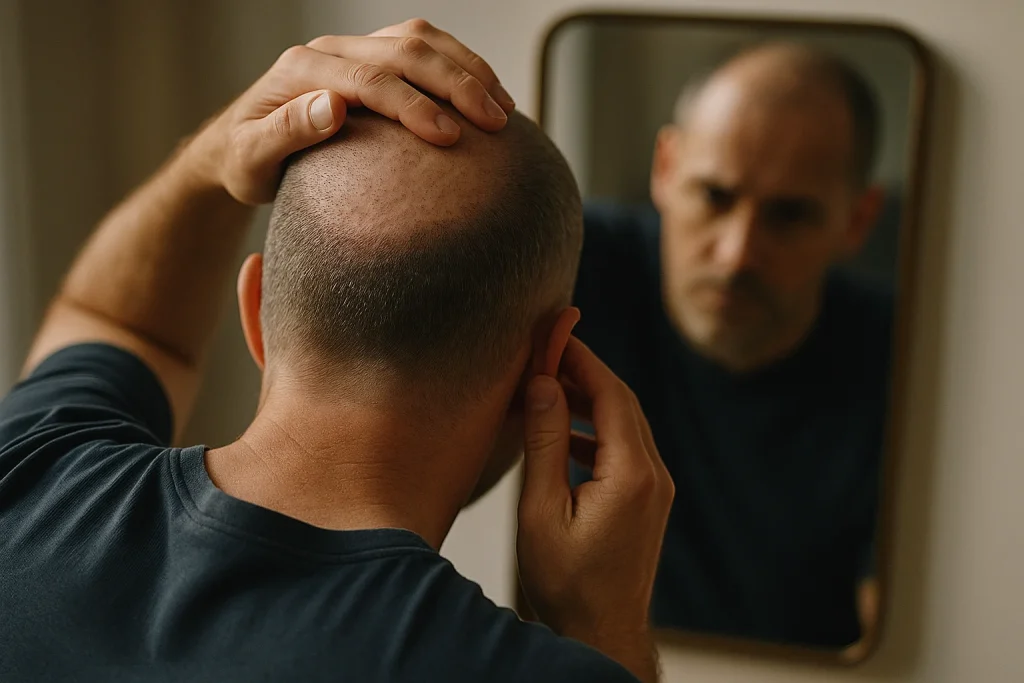
At two months, the 2 months result of hair transplant is usually still an early recovery stage rather than the final cosmetic result. In most patients, transplanted hairs have shed and small new hairs may just be starting to emerge, while the scalp generally looks much calmer than it did in the first weeks.
- Two months after a hair transplant, temporary shedding is common and does not usually mean that grafts have failed.
- Some patients notice very fine early hairs at this stage, while others may see little visible growth until later.
- Redness, crusting and swelling should usually be greatly reduced by the second month.
- New growth often develops unevenly at first, with density and hair texture improving over the following months.
- Contact your clinic if you develop increasing pain, spreading redness, discharge, fever or another unexpected symptom.
01Two Months After Surgery: The Transition From Healing to Growth
The 2 months result of hair transplant can be confusing because the scalp may look healed while visible cosmetic change is still limited. By this point, many patients have already experienced the normal shedding of transplanted hair shafts. The follicles remain beneath the skin and enter a resting phase before producing new hair. Therefore, a sparse appearance at two months is typically part of the expected timeline, not a reliable indication of the final result.
Most early signs of surgery, such as scabbing, marked redness and swelling, should have settled by the second month. The recipient area may still look slightly pink in people with lighter skin, sensitive skin or a history of scalp irritation. The donor area, usually at the back and sides of the head in FUE procedures, often looks close to normal, although short hair can make minor differences in density more noticeable for a while.
It is important to view this period as a biological recovery stage. Hair follicles need time to establish their blood supply, complete the resting cycle and begin producing new shafts. Your doctor will confirm whether your healing pattern is appropriate during follow-up, especially if you have a medical condition, ongoing scalp disease or an unusual recovery concern.
02Why Transplanted Hair Often Sheds Before It Grows
Temporary shedding after hair transplantation is often called shock loss or post-transplant shedding. It usually affects the visible hair shafts that were placed during surgery, not the transplanted follicles themselves. The procedure and the move to a new location can trigger the hair shaft to fall out while the follicle remains protected under the skin. This is why seeing hairs in the shower or on a pillow during the first several weeks can be emotionally difficult but is commonly expected.
Some patients also notice thinning of existing, non-transplanted hair around the recipient area. This can happen when nearby native follicles react temporarily to surgical stress. In many cases, this hair recovers as the scalp settles, but the likelihood of recovery can depend on the underlying condition of the native hair. A pre-operative assessment and long-term hair-loss plan are important because a transplant does not stop future loss of untreated native hair.
At two months, the scalp can look quieter than it did during the shedding phase, yet not noticeably fuller. This gap between healing and visible growth is one reason patients should avoid judging the treatment too early. Clinical assessment focuses on the condition of the scalp and grafted area over time, rather than on one early photograph or one day of hair shedding.
03What New Hair Growth May Look and Feel Like at Month Two
A small number of patients begin to see tiny new hairs by the end of the second month. These early hairs may be fine, light in colour, soft or unevenly spaced. They may not match the thickness, direction or texture of the final hair at first. As the growth cycle continues, the new shafts typically become more visible and may gradually gain strength over later months.
Many patients will not yet see obvious new growth at this stage. There is a normal range in healing speed, and a later start does not automatically indicate a poor outcome. Hair growth depends on individual biology, the treated area, the characteristics of the hair and the natural timing of each follicle's growth cycle. Comparing your progress with another person's month-two result may therefore create unnecessary concern.
The recipient area can occasionally feel slightly numb, tight or less sensitive for a period after surgery. These sensations generally improve gradually, although recovery differs between individuals. Itching can also occur as the skin continues to renew itself. Persistent or worsening discomfort should be discussed with your surgical team rather than treated with unapproved products or home remedies.
04Understanding the 2 months result of hair transplant in Photos
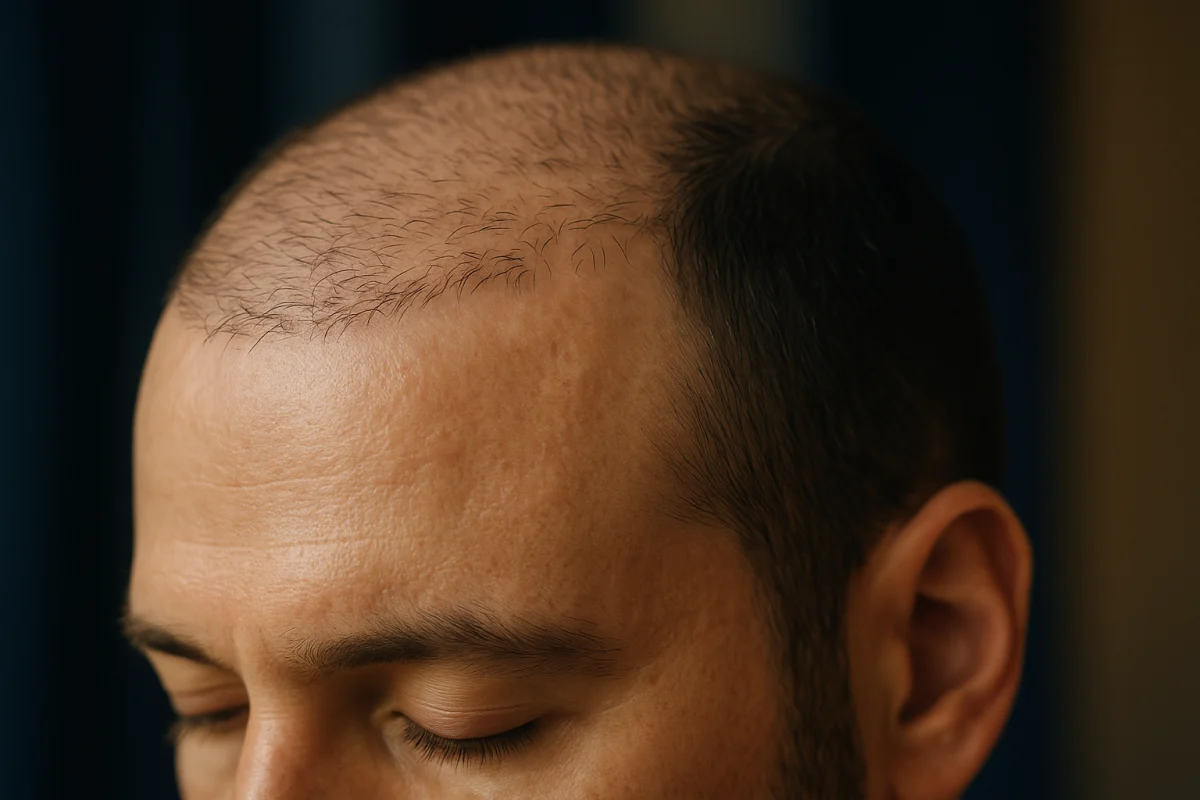
When reviewing the 2 months result of hair transplant in photographs, look first for signs of scalp recovery rather than dramatic density. A realistic month-two image may show a healed hairline with little visible fullness, short new sprouts in selected areas or a temporary patchy appearance. Lighting, wet versus dry hair, haircut length and camera angle can all make the same scalp look very different.
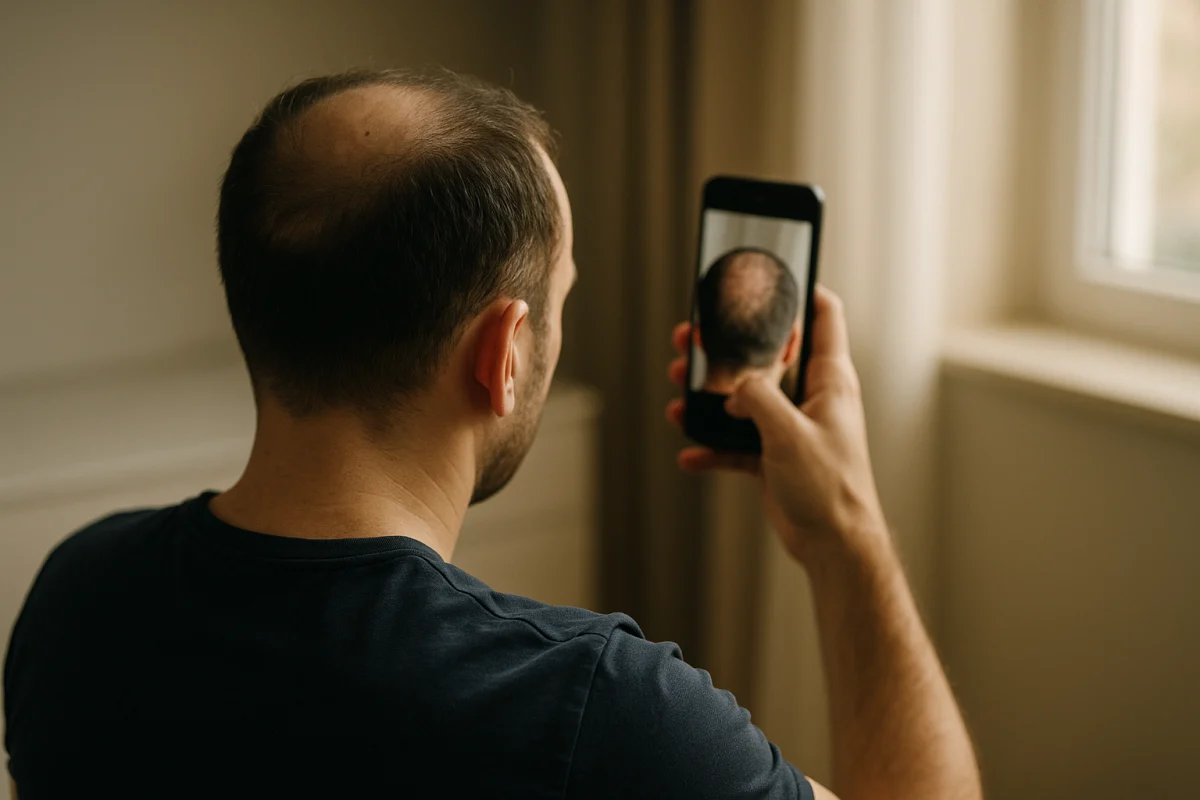
Progress photographs are most useful when they are taken under consistent conditions. Similar lighting, camera distance, hair length and head position make it easier to observe small changes over time. Front, top, both temple and crown views can provide a more balanced record, particularly because hair in the crown often appears less dense under overhead light even when early growth is developing normally.
Authentic clinical photographs should show the relevant treatment stage clearly and should not imply that every patient will follow the same schedule. At Acibadem Hair Transplant Center, patients can receive follow-up guidance as part of the 12-month aftercare period. Doctors can review submitted images and explain whether the scalp appearance is consistent with the expected stage of recovery.
05Looking Normal Again: Social Recovery, Haircuts and Daily Routine
For many people, the scalp looks socially presentable well before new transplanted hair becomes visible. Crusts usually clear during the early recovery period, and obvious redness commonly fades over the following weeks. By two months, many patients feel comfortable returning to regular social and professional activities. However, the exact time needed to look normal depends on skin tone, the size of the treated area, hairstyle, healing tendency and whether the person keeps their hair very short.
A careful haircut can help patients feel more confident during the waiting stage. The donor area may be blended with surrounding hair once the surgical team considers it appropriate, while the recipient area should be treated gently according to the aftercare instructions. Clipper use, close shaving and styling choices should be discussed with the clinic because recommendations can vary based on the technique used and the individual's healing status.
Most patients can resume a normal washing routine by this point, but gentle scalp care remains sensible. Avoid aggressive scratching, harsh chemical treatments or unverified topical products unless your doctor has approved them. Protecting the scalp from strong sun exposure is also important, as recently treated skin may be more sensitive. Your clinic's written aftercare plan should always take priority over general information online.
06When to Contact Your Hair Transplant Team
At two months, mild variation in growth, texture and scalp colour is usually not urgent. However, you should contact your clinic promptly if you notice increasing rather than improving pain, expanding redness, warmth, swelling, pus-like discharge, fever or a bad smell from the scalp. These signs are not expected parts of ordinary recovery and should be assessed by a qualified medical professional.
It is also sensible to ask for advice if severe itching, persistent rash, significant ongoing bleeding or a sudden change in the appearance of the donor or recipient area develops. Do not attempt to remove embedded material, treat a suspected infection yourself or start medication based only on online advice. A clinical team can determine whether a symptom needs simple reassurance, a review appointment or medical treatment.
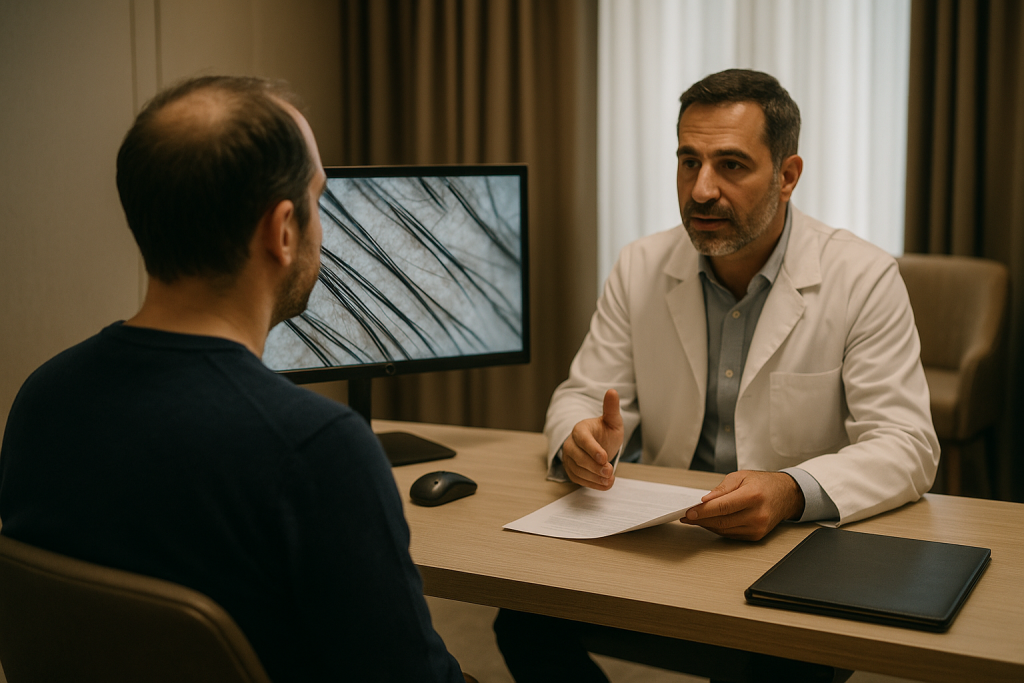
Regular follow-up gives patients a safer way to raise concerns before they become more stressful. Acibadem Hair Transplant Center is a dedicated hair restoration clinic in Istanbul licensed by the Turkish Ministry of Health. A free online hair analysis can be reviewed by doctors, and the team typically replies through WhatsApp within around two hours, helping international patients access timely follow-up communication.
07The Next Milestones From Month Three to Month Twelve
The months after the second month are often more rewarding because early growth becomes progressively easier to see. Many patients begin to notice more consistent sprouts from around the third or fourth month, although the pace remains individual. The hair may initially look thin, curly or irregular. This is usually temporary as more follicles enter the growth phase and the shafts mature.
From the middle months onward, coverage may improve gradually rather than all at once. Areas with naturally slower visual impact, such as the crown, may require additional patience because of their size, hair direction and light exposure. The transplanted hair also needs time to gain calibre, so an early increase in the number of hairs may appear before the desired sense of density develops.
A 2 months result of hair transplant should therefore be treated as an early checkpoint, not as the outcome of the procedure. At Acibadem Hair Transplant Center, results are measured through trichoscopic graft survival at month 12, with a documented 98% rate under written guarantee. Your doctor will explain the appropriate monitoring schedule and how your individual progress should be assessed over the full recovery period.
08A Practical Month-Two Care Checklist
At month two, the focus usually shifts from protecting newly placed grafts to maintaining gentle, consistent scalp care. Continue using a mild shampoo and avoid rubbing the scalp aggressively with fingernails, rough towels or stiff brushes. If you use styling products, choose them cautiously and stop using any product that causes burning, a rash or marked itching. Your clinic can confirm when a particular product or treatment is suitable for your scalp.
Sun protection remains important when spending time outdoors. A loose, clean hat may be appropriate if your surgical team has approved it, while prolonged direct sun exposure should be avoided where possible. This is especially relevant for patients with a fair scalp, ongoing pinkness or limited existing hair coverage. Avoid using tanning products, camouflage sprays or scalp concealers on irritated skin without clinical guidance.
A healthy general routine can also support recovery. Try to maintain regular sleep, balanced meals and adequate hydration, and avoid smoking if possible because it can affect circulation and wound healing. Do not start supplements, prescription treatments or topical hair-loss products simply because you are concerned about slow growth at month two. Your doctor should review whether any treatment is appropriate, particularly if you have other medical conditions or take regular medication.
09Why Long-Term Native Hair Planning Still Matters
A hair transplant redistributes follicles from the donor area to areas of thinning; it does not prevent the natural hair that was not transplanted from changing over time. At two months, this can be difficult to judge because the transplanted hair is still in its resting and early-growth stages. However, protecting and monitoring native hair remains an important part of long-term planning, especially for patients with ongoing pattern hair loss.
Factors such as age, family history, the speed of previous hair loss, donor hair availability and the extent of thinning can influence the treatment strategy. For example, a patient with early or rapidly progressing hair loss may need a particularly conservative approach to hairline design and graft use. Your doctor will assess these issues before treatment and may discuss a plan that considers both current coverage and possible future changes.
It is also useful to understand that density goals differ between areas of the scalp. A natural-looking result often depends on careful graft distribution rather than attempting to create the same density everywhere. The hairline, frontal area, mid-scalp and crown may each have different visual priorities. During follow-up, your team can help you understand how early growth fits into the original treatment plan and whether continued observation of native hair is needed.
10Travelling and Remote Follow-Up at the Two-Month Stage
By two months, most international patients can usually manage ordinary travel more comfortably than during the first days after surgery. Even so, long flights, changes in climate and busy travel schedules can make it easier to neglect scalp care. Pack your usual gentle hair-care items where practical, keep the scalp clean and avoid wearing tight headwear for long periods if it causes rubbing or discomfort. If you are travelling to a very sunny destination, plan suitable scalp protection in advance.
Before a trip, consider taking clear progress photographs and keeping a note of any symptoms, questions or changes you want to discuss. This can be helpful if you need remote follow-up while away from home. Seek clinical advice before travelling if you have active scalp pain, worsening redness, discharge, fever or any concern that may need an in-person assessment.
At Acibadem Hair Transplant Center, all-inclusive packages include 12 months of follow-up, which can be valuable for patients returning home after treatment in Istanbul. Patients can submit images for review and ask practical recovery questions during this period. A free online hair analysis is reviewed by doctors, and the team typically responds through WhatsApp within around two hours. Remote communication supports follow-up, but urgent or severe symptoms should always be assessed through appropriate local medical care.
11Frequently Asked Questions
What is usually expected two months after a hair transplant?
At two months, the scalp is usually substantially healed, but many patients still have limited visible new growth. Transplanted hair shafts commonly shed first, and very fine new hairs may begin to appear in some patients. A patchy or sparse look at this stage is often temporary.
Can I see examples of hair transplant results at two months?
Month-two photographs can help explain the recovery process, but they should be interpreted carefully. Realistic images often show a healed scalp with little density, early fine sprouts or uneven growth rather than a finished result. Your clinic can advise on taking consistent progress photos and may review your images during follow-up.
How long does it usually take to look normal after a hair transplant?
Many patients feel socially comfortable once scabs and obvious redness have settled, often within the early weeks after surgery. However, the time needed to look fully natural with visible new hair is longer and varies between patients. Hair length, skin healing, hairstyle and the treatment area all influence the timeline.
What might I look like two weeks after a hair transplant?
At two weeks, most crusts have usually loosened or cleared when aftercare instructions have been followed. The scalp may still be pink or mildly sensitive, and the transplanted hairs may still be visible before the later shedding phase begins. The donor area can also look short-haired or slightly uneven while it heals.
This article is for general information only and is not a substitute for professional medical advice.
 06
06 12
12