
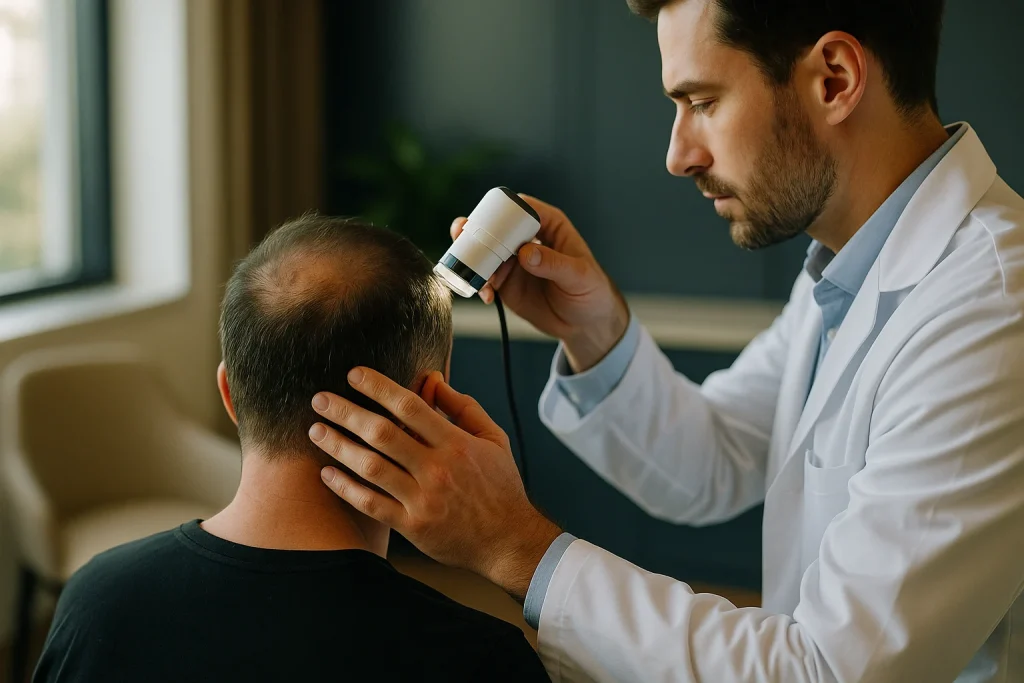
Hair transplant phases usually move from graft protection and wound healing to temporary shedding, early new growth, and gradual density improvement over 12 months. Most patients see visible changes slowly, with the final result commonly assessed around month 12 by the medical team.
- The first 10 to 14 days are especially important because newly placed grafts need protection while the scalp heals.
- Temporary shedding of transplanted hairs is expected in many patients and does not usually mean the grafts have failed.
- Early new hairs may begin to appear from around months 3 to 4, but they are often fine and uneven at first.
- Hair density and hair shaft thickness generally continue to improve between months 5 and 12.
- Long-term results also depend on the progression of natural hair loss, scalp care, and appropriate medical follow-up.
01Understanding Hair Transplant Phases: The Recovery Timeline
Hair transplant phases describe the expected changes in the scalp and hair after a procedure, from the first day of healing to the gradual appearance of mature new hair. Although the overall timeline is similar for many people, recovery can differ depending on the technique used, the size of the treatment area, skin sensitivity, general health, and aftercare. Your doctor will explain the plan that is most appropriate for your case.
A hair transplant involves moving healthy follicles, usually from the donor area at the back or sides of the scalp, to areas affected by thinning or hair loss. At Acibadem Hair Transplant Center in Istanbul, Sapphire FUE and DHI techniques are available. Both approaches require careful aftercare because the transplanted follicles need time to settle, heal, and begin their normal growth cycle.
It is helpful to think about recovery as a process rather than one visible event. The scalp may look improved immediately after the procedure because grafts have been placed, but the hairs often shed before new growth begins. This temporary stage can be emotionally challenging, yet it is commonly part of normal follicle recovery. Regular follow-up and realistic expectations can make each stage easier to understand.
02Days 0 to 3: Protecting Newly Placed Grafts
The first three days are among the most delicate parts of recovery. Transplanted grafts are newly placed and need to remain undisturbed while the scalp begins to heal. Mild redness, swelling, tightness, and tenderness can occur. Small crusts may begin to form around the grafts, while the donor area may feel sore or numb for a short time.
Patients are typically advised to rest, sleep with the head elevated, and avoid touching or rubbing the recipient area. Your medical team will give specific instructions about sleeping position, headwear, medication, and when to begin washing. Avoiding strenuous exercise, heavy lifting, alcohol, smoking, direct sun exposure, and situations that increase sweating may support uncomplicated early healing.
Swelling may sometimes move from the forehead toward the eye area during the first few days. This can be concerning, but it is often temporary. However, rapidly increasing pain, spreading redness, unusual discharge, fever, or significant bleeding should be reported to the clinic without delay. A medical professional should assess symptoms that do not match the expected recovery pattern.
03Days 4 to 14: Gentle Washing and Scab Release
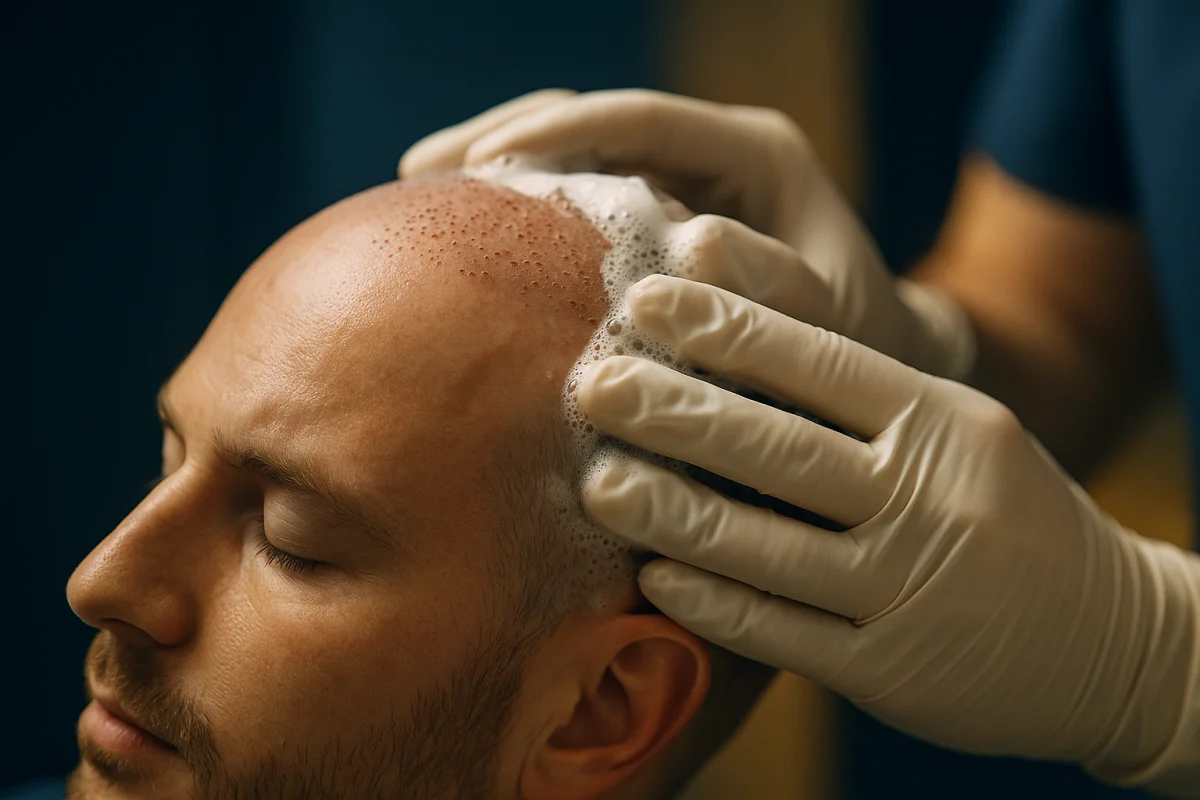
From approximately day 4 onward, aftercare often focuses on gentle cleansing and keeping the scalp comfortable. The clinic may recommend a specific washing method involving soft application of lotion or foam and careful rinsing. The goal is to soften scabs gradually without scratching, rubbing, or using strong water pressure on the grafted area.
Scabs are a normal part of healing. They commonly become more noticeable during the first week and usually release over the following days when washing is performed as instructed. Trying to remove crusts with fingernails or picking at the scalp may disturb the healing skin and should be avoided. The donor area generally heals faster, although short-term itching or small scabs can still occur there.
By around 10 to 14 days, many grafts are more secure and visible scabbing has reduced significantly. This does not mean that all restrictions immediately disappear. The scalp remains sensitive, and your doctor may still advise caution with intense sport, swimming pools, sea water, sauna use, hair products, or close shaving. Follow the written instructions provided for your procedure rather than relying only on a general timeline.
04Weeks 2 to 8: Shedding Is Usually Part of Recovery
Between the second week and second month, many patients notice that the transplanted hairs begin to fall out. This stage is often called shock shedding or temporary shedding. It can look as though the result is disappearing, but in most patients the follicle remains below the skin and enters a resting period before producing a new hair.
The hair transplant phases can feel less visible during this period because the scalp may look similar to how it looked before the procedure. Some people also notice temporary thinning in nearby existing hair. This may happen when surrounding hairs react to the procedure or local inflammation. Your doctor can assess whether the pattern is consistent with expected healing and advise you on suitable scalp care.
Itching can occur as the skin heals, and mild numbness in the donor or recipient area may last for several weeks in some patients. Do not scratch the scalp, even when itching is bothersome. The care team may suggest safe ways to manage discomfort. If you notice pustules, persistent swelling, increasing tenderness, or a rash, contact the clinic for guidance instead of applying unapproved products.
05Months 3 to 4: The First Signs of New Hair
From around month 3, some transplanted follicles may begin to produce new hairs. At first, these hairs are often fine, soft, lighter in colour, and irregularly spaced. This is an early stage of growth, so it is usually too soon to judge final density, hairline appearance, or coverage of a larger thinning area.
At four months after a hair transplant, many patients can see early growth, particularly in areas with good blood supply and smaller treatment zones. Others may see only limited changes at this point. Both experiences can fall within a normal range because follicles do not all restart their growth cycle on the same day. Comparing progress month by month is generally more useful than checking daily.
Care remains important during this phase. Patients can often return to more normal routines, but chemical treatments, close shaving, styling practices, and sun exposure should still be discussed with the doctor if there is any uncertainty. Taking clear photographs in similar lighting may help your follow-up team review changes more accurately during online or in-person checks.
06Months 5 to 8: Increasing Coverage and Hair Strength
During months 5 to 8, new hairs commonly become more visible and begin to add coverage. The rate of change can be more noticeable than in earlier months, but it remains gradual. Hair may initially grow in different directions or have a different texture from the surrounding natural hair. As the follicles mature, the appearance often becomes more consistent.
These hair transplant phases are often when patients start to feel more confident about the direction of their result. Even so, the crown area can take longer to show density than the frontal hairline because of its blood supply, growth pattern, and the larger visual area involved. A result that seems uneven at month 6 may continue to improve substantially over the following months.
Natural hair loss can still continue outside the transplanted area. A transplant redistributes follicles; it does not stop the underlying process that caused hair thinning. Your doctor may discuss medically appropriate ways to support existing hair, depending on your medical history and suitability. Do not start supplements, topical products, or medicines simply because they are recommended online.
07Months 9 to 12: Maturing Texture, Density, and Appearance
Between months 9 and 12, the transplanted hair commonly becomes thicker, longer, and easier to style. Areas that looked sparse earlier may gain better visual density as more follicles produce mature shafts. Fine new hairs can strengthen over time, helping the transplanted zone blend more naturally with the surrounding hair.
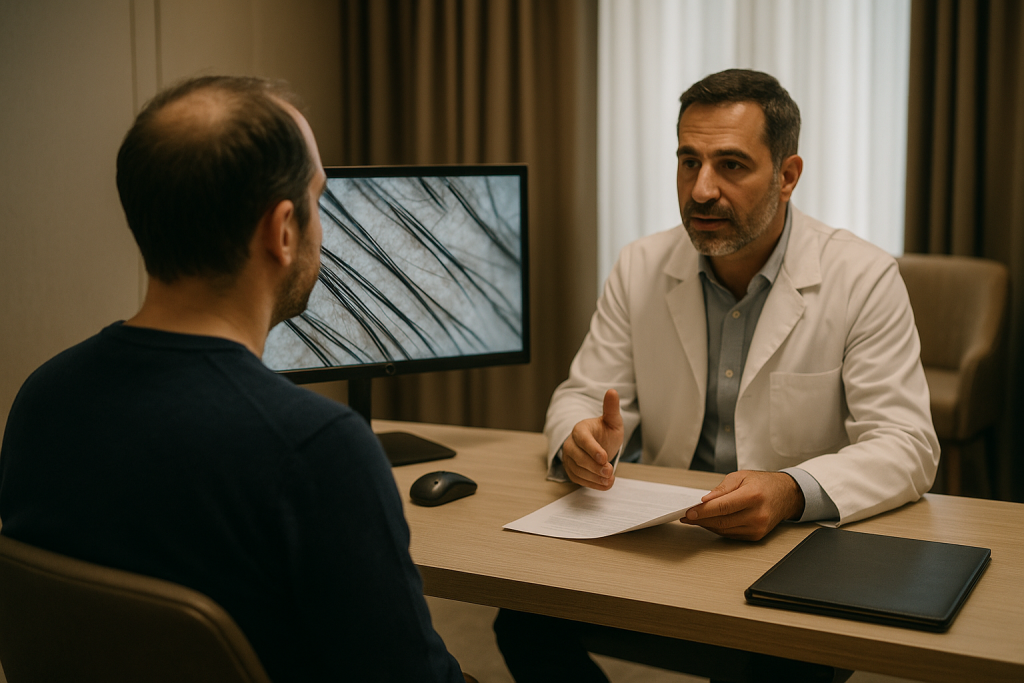
The 12-month point is commonly used for a more meaningful assessment because growth has had time to develop through several stages. At Acibadem Hair Transplant Center, results are measured by trichoscopic graft survival at month 12, with a documented 98% rate under a written guarantee. Your individual outcome should still be reviewed clinically, as appearance, density, donor capacity, and ongoing natural hair loss vary between patients.
The crown may continue to improve after month 12 in some cases, especially when a large crown area was treated. This is why your medical team may schedule ongoing review rather than making an early final judgement. A follow-up plan can also address styling questions, scalp concerns, and any changes in untreated areas of the scalp.
08Long-Term Care After Your New Growth Stabilises
Ten years after a hair transplant, transplanted follicles may continue to grow because they generally retain characteristics of the donor area. However, no procedure can fully prevent future thinning of the existing, non-transplanted hair. The appearance after many years depends on genetics, age, hormonal factors, general health, donor area quality, and whether hair loss continues around the transplanted region.
Long-term planning is therefore an important part of responsible hair restoration. A conservative, well-designed hairline can be easier to maintain if natural hair loss progresses later in life. Patients with significant ongoing thinning may need monitoring and, in selected cases, may discuss further treatment options with a doctor. The right approach depends on available donor hair and an individual clinical assessment.
Follow-up should not end when new growth becomes visible. Acibadem Hair Transplant Center provides 12 months of follow-up as part of its all-inclusive packages, alongside VIP transfer, a 4-star hotel stay, and a care kit. International patients can also begin with a free online hair analysis reviewed by doctors, with WhatsApp replies typically available within about two hours.
09Before Treatment: Candidacy, Donor Planning, and Realistic Goals
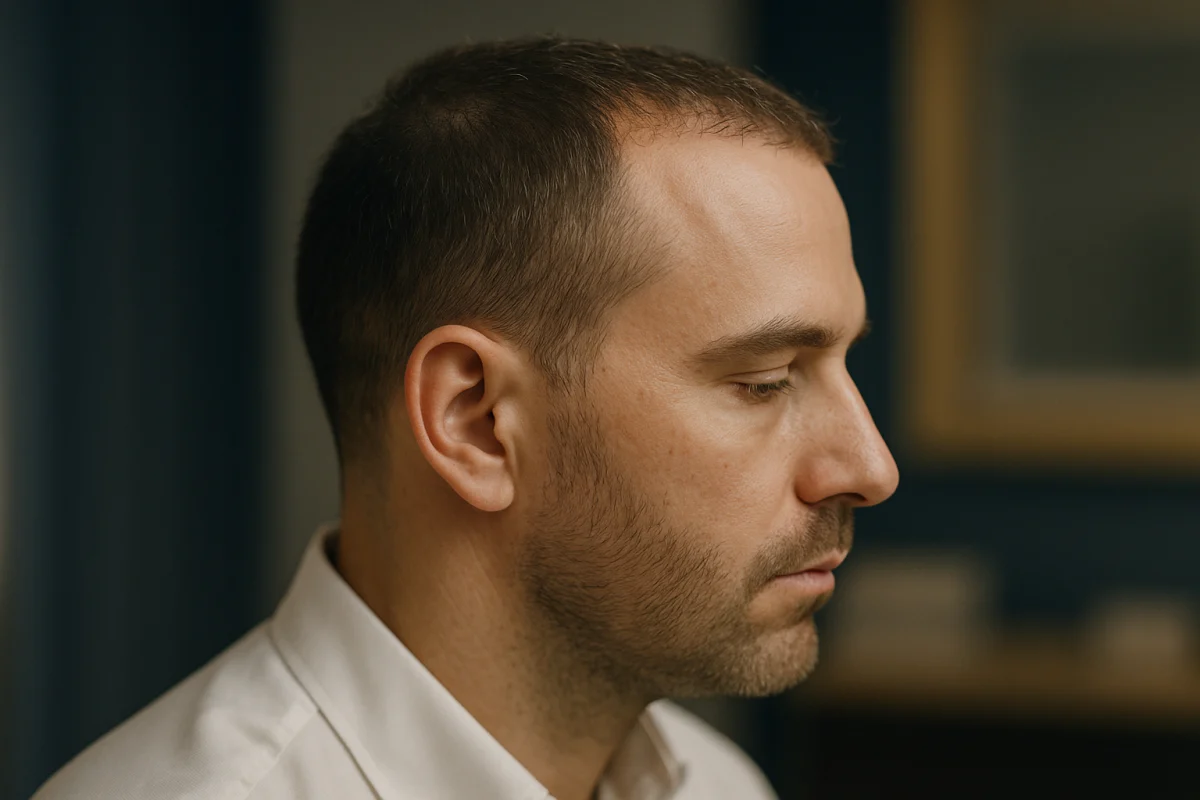
A hair transplant is not suitable for every type or stage of hair loss. Before recommending treatment, a doctor should consider the pattern and stability of thinning, the quality and availability of donor hair, scalp condition, family history, age, and general medical history. Sudden shedding, patchy hair loss, scalp inflammation, or hair loss linked to a medical condition may need further assessment before a surgical plan is considered.
Donor hair is a limited resource. The donor area must provide enough healthy follicles while still maintaining a natural appearance after extraction. This is especially important for patients with extensive thinning, fine hair, low donor density, or a large crown area. A responsible plan balances the wish for coverage now with the possible need to preserve donor capacity for the future.
Hair characteristics also affect visual density. Curlier or thicker hair can sometimes provide more coverage than very straight or fine hair, while differences in hair colour and scalp colour can influence how visible thinning appears. Your doctor will confirm what level of coverage is clinically realistic rather than promising a specific cosmetic result. A free online hair analysis reviewed by doctors can help start this discussion before travel.
10Travelling Home After a Hair Transplant: Practical Planning for International Patients
International patients should plan their return journey around the clinic’s medical advice and post-procedure review schedule. Before leaving Istanbul, make sure you understand your washing instructions, medication plan if prescribed, contact method for follow-up, and the symptoms that should be reported. Keep the written aftercare guidance and clinic contact details easily accessible during travel.
On the journey home, the main aim is to avoid pressure, friction, or accidental contact with the recipient area. Choose clothing that does not need to be pulled tightly over the head where possible, handle luggage carefully, and avoid crowded situations where the scalp could be bumped. If you are given guidance about a loose protective head covering, use it only as instructed by your medical team.
Long flights and changes in routine can make it harder to follow aftercare correctly. Prepare the items recommended by the clinic in your hand luggage, including any approved cleansing products or medication documents if needed. Avoid trying unfamiliar hair products at your destination. Acibadem Hair Transplant Center includes VIP transfer, a 4-star hotel stay, a care kit, and 12 months of follow-up in its all-inclusive packages, helping patients organise the early recovery period with clinical support.
11How to Track Healing Without Becoming Overly Concerned
Recovery photographs can be useful, but they should be taken in a consistent way. Try to use the same room, lighting, camera distance, hairstyle, and viewing angle each time. Monthly photographs are generally more meaningful than frequent daily checks because early changes are often subtle. Front, top, side, crown, and donor-area views can give the follow-up team a clearer picture of progress.
It is normal for appearance to change from week to week. Redness may settle gradually, shedding can make the transplanted zone look temporarily less full, and early hairs may emerge unevenly. Looking closely at individual hairs or comparing your scalp with heavily edited online images can create unnecessary concern. A clinical review considers more than visible density alone, including scalp healing, hair direction, donor-area recovery, and the stage of follicle growth.
Contact your clinic promptly if you have symptoms that appear unusual or worsen rather than improve, such as severe or increasing pain, fever, significant bleeding, spreading redness, unpleasant-smelling discharge, or persistent swelling. For routine questions about normal-looking shedding or slow early growth, follow-up photographs and clear descriptions can help the medical team advise whether an assessment is needed. The most reliable final review is usually based on the longer growth timeline, not an isolated early stage.
12Frequently Asked Questions
What is the cost of 3,000 hair grafts?
The cost of 3,000 grafts cannot be confirmed by graft number alone. It may depend on the technique, the complexity of the case, donor area requirements, medical services, travel arrangements, and the aftercare included. A doctor-reviewed hair analysis is needed to confirm whether 3,000 grafts are suitable and to provide an accurate treatment plan and quote.
What can happen 10 years after a hair transplant?
Transplanted hair can continue growing long term because it usually comes from a more resistant donor area. However, natural hair loss may continue in non-transplanted areas over the next 10 years, which can change the overall appearance. Long-term follow-up and an appropriate treatment plan can help manage this possibility.
Which days are most important after a hair transplant?
The first 10 to 14 days are generally the most crucial because grafts are settling and the scalp is healing. During this period, careful washing, avoiding friction, protecting the scalp from impact, and following activity restrictions are especially important. Your clinic will provide exact instructions based on your procedure and recovery.
What should I expect four months after a hair transplant?
At four months, many patients begin to see early new hairs, but growth is often fine, uneven, and not yet dense. Some patients see more progress than others because follicles restart their growth cycles at different times. It is usually too early to assess the final outcome, which is more commonly reviewed around month 12.
This article is for general information only and is not a substitute for professional medical advice.
 06
06 12
12