
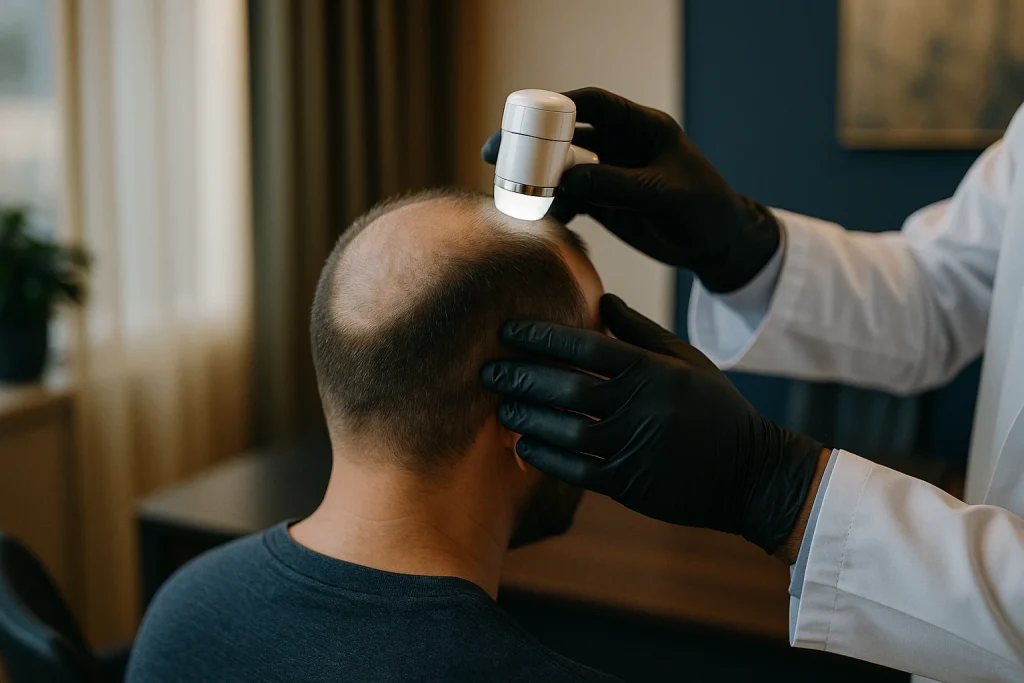
A herbal remedy for hair growth faster may support general scalp comfort or nutrition in some people, but it cannot reliably reverse advanced hair loss or replace a hair transplant plan. Before surgery, it is important to tell your doctor about every tea, oil, supplement, and traditional treatment you use, because some may irritate the scalp or affect surgical safety.
- Herbal treatments may support scalp care, but evidence for faster hair growth is usually limited.
- The cause of hair loss should be identified before starting remedies or planning transplantation.
- Herbal supplements and concentrated extracts can interact with medicines or affect surgery preparation.
- A calm, healthy scalp and realistic expectations are more important than trying many products before transplantation.
- A doctor-led assessment can help decide whether medical treatment, lifestyle changes, or hair transplantation is appropriate.
01Herbal Hair Growth Remedies Before Hair Transplantation
Hair loss can feel urgent, especially when you are considering a hair transplant. Many people search for a herbal remedy for hair growth faster because they hope to improve their existing hair before making a surgical decision. Herbal oils, teas, powders, and scalp treatments are widely discussed online and within different cultural traditions. However, natural does not always mean effective, suitable, or risk-free. The most useful first step is to understand why your hair is thinning. Pattern hair loss, temporary shedding, scalp inflammation, nutritional problems, traction, and some medical conditions can look similar at first but may need different care.
In most patients with genetic pattern hair loss, herbs alone do not create enough new growth to restore areas where follicles have progressively miniaturised. A remedy may make the hair shaft feel softer, reduce breakage, or improve the condition of a dry scalp, but these changes are different from growing new, permanent hair follicles. A hair transplant works by moving healthy follicles from a donor area to thinning areas. Herbal care does not replace this process when follicle loss is advanced. Your doctor will assess donor quality, scalp health, hair-loss pattern, and whether surgery is suitable.
Before transplantation, the priority is usually to create the safest possible setting for healing and graft handling. This means avoiding scalp irritation, untreated dandruff or dermatitis, and unreported supplements. It also means having realistic expectations about what non-surgical care can achieve. At Acibadem Hair Transplant Center, a dedicated hair restoration clinic in Istanbul licensed by the Turkish Ministry of Health, patients can start with a free online hair analysis reviewed by doctors. This can help clarify whether a transplant consultation, medical review, or a different next step is appropriate.
02Can any herbal remedy for hair growth faster help before transplantation?
There is no herbal treatment that has been shown to make transplanted or existing hair grow rapidly and predictably for every person. Hair growth follows a biological cycle, and visible change usually takes time. Some herbs contain plant compounds with anti-inflammatory, antioxidant, or soothing properties, but laboratory findings and traditional use do not automatically prove a meaningful benefit in people with hair loss. It is sensible to view an herbal remedy for hair growth faster as supportive scalp care at most, rather than as a proven alternative to clinical assessment.
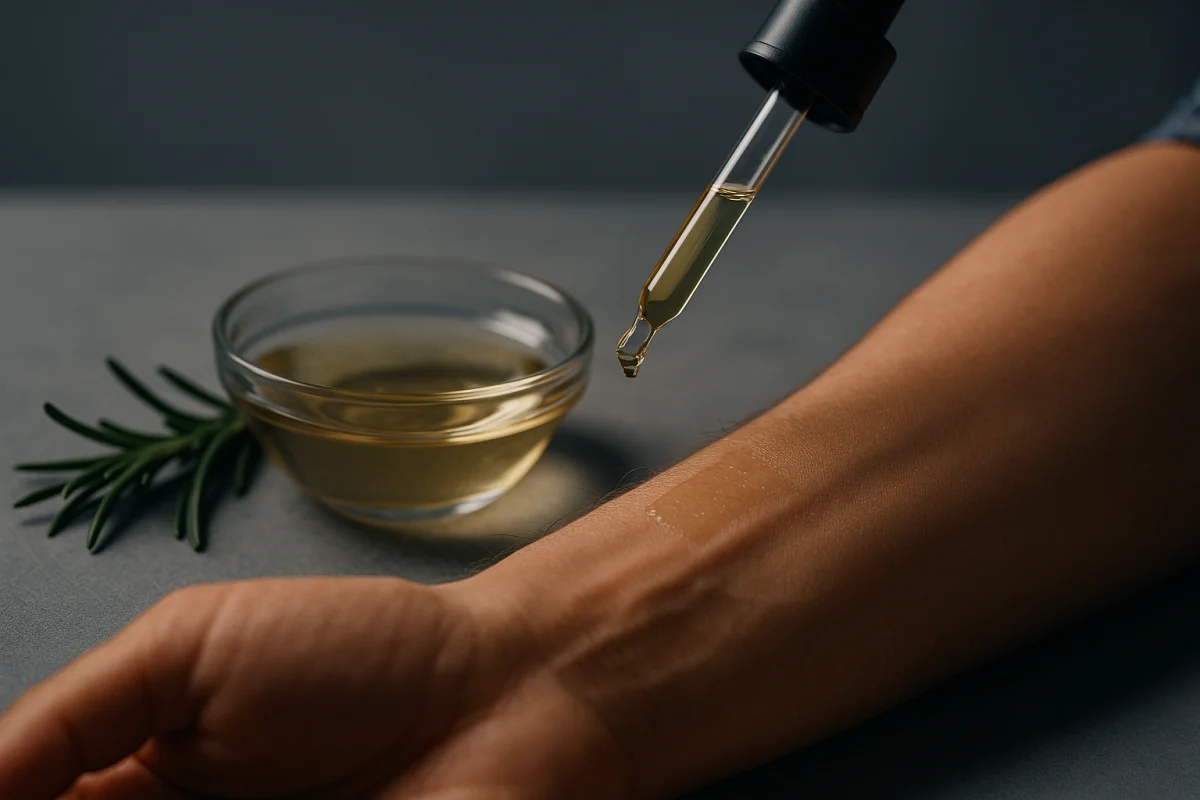
Certain botanical oils are used in scalp massage because they can reduce the feeling of dryness and make hair easier to manage. A gentle massage may also feel relaxing. Yet oils can leave residue, block follicles in people prone to folliculitis, or trigger contact dermatitis. Essential oils are particularly concentrated and should not be applied directly to the skin without proper dilution. If burning, itching, redness, scaling, or increased shedding occurs, stop the product and seek medical advice rather than continuing in the hope that the scalp will adjust.
The period before a transplant is not the right time to experiment with several new products at once. If your scalp reacts, the inflammation may need to settle before a procedure can be planned. Your medical team should know about topical oils, herbal sprays, hair dyes, scalp peels, and homemade masks, as well as products taken by mouth. They can explain which products should be paused and when, based on your health history and planned procedure. Never assume that a product is safe for surgery simply because it is sold as natural.
03What herbs and oils are commonly discussed for hair care?
Rosemary, peppermint, saw palmetto, ginseng, amla, aloe vera, green tea, and pumpkin seed are among the herbs commonly mentioned in hair-care discussions. Their popularity comes from traditional practice, early research, or the way they are included in shampoos, oils, and supplements. However, the quality and strength of evidence differs widely between ingredients. A product may contain only a small amount of a botanical, while a concentrated extract may carry a higher risk of side effects. Labels can also be incomplete, particularly for unregulated supplements purchased online.
Aloe vera gel is often used to soothe a dry or irritated scalp, although it can still cause sensitivity in some individuals. Diluted rosemary oil is often used in massage routines, but it should not be treated as a guaranteed growth treatment. Saw palmetto is commonly marketed for hair loss in oral forms, but it may have hormone-related effects and may not be suitable for everyone. Ginseng, green tea extracts, and other oral preparations can also interact with medicines. For this reason, a doctor or pharmacist should review supplements before you start them.
Herbs can be part of personal grooming or cultural self-care, but a transplant plan needs a more careful standard. The goal is not to find the strongest-smelling oil or the most expensive supplement. The goal is to protect the scalp, avoid preventable reactions, and understand the limits of each option. If you wish to continue a familiar herbal routine before surgery, show the full product name and ingredient list to your care team. This allows them to give advice that is appropriate for the procedure and your wider medical history.
04Why oral supplements need special attention before surgery
Herbal supplements are often taken as capsules, powders, drops, teas, or blended formulas. They may be sold for hair, energy, stress, skin, or general wellness, so patients may not think of them as relevant to a hair transplant. Yet concentrated botanical ingredients can affect the body differently from a culinary herb used in food. Some may influence blood clotting, blood pressure, blood sugar, sleep, hormones, or the way prescription medicines are processed. This is why full disclosure is important during your consultation.
Do not stop prescribed medication on your own because you are preparing for a procedure. Instead, provide an accurate list of medicines, vitamins, herbal products, and recreational substances to the doctor coordinating your care. Your doctor can advise whether any item needs to be adjusted or paused and can coordinate with your usual physician when necessary. This approach is safer than following general online lists, because recommendations can vary according to the specific ingredient, dose, medical condition, and anaesthesia plan.
It is also wise to be cautious about products that promise dramatic regrowth in a few days or weeks. Hair is biologically slow-growing, and rapid claims may encourage excessive dosing or mixing multiple supplements. More is not necessarily better. Some products can cause stomach upset, headaches, rashes, or other unwanted effects, while others may simply have no meaningful effect on hair. A measured plan, reviewed by a qualified clinician, is more valuable than chasing quick results before transplantation.
05Support scalp health without damaging future graft areas
A healthy scalp can support a smoother preparation process, but it does not require a complicated routine. In many patients, gentle cleansing, avoiding aggressive scratching, and managing a known scalp condition are more useful than applying multiple herbal mixtures. Heavy oils, abrasive scrubs, acidic ingredients, and undiluted essential oils can disrupt the skin barrier. If the recipient area is inflamed, tender, or covered with flakes, the medical team may recommend treating that issue before moving forward with a transplant.
Hair fibres themselves are made of keratin, and breakage can make hair appear thinner even when the follicles are still active. Reducing heat damage, tight hairstyles, harsh bleaching, and frequent pulling may therefore improve the appearance of existing hair. Adequate protein intake and a balanced diet also support normal hair structure. These steps are not fast cures for hereditary hair loss, but they can be sensible parts of overall hair care. If a nutritional deficiency is suspected, your doctor may decide whether testing is needed rather than recommending supplements without assessment.
Patch testing may be useful for a new topical product, but it does not guarantee that a product will be suitable for your scalp or a planned procedure. Apply only as directed and avoid using a new treatment close to an appointment unless your clinic has approved it. If you have eczema, psoriasis, allergies, diabetes, a history of scarring, or recurring scalp infections, mention this during your assessment. These details can influence how your scalp is prepared and what aftercare advice is appropriate.

06Preparing realistically for a hair transplant consultation
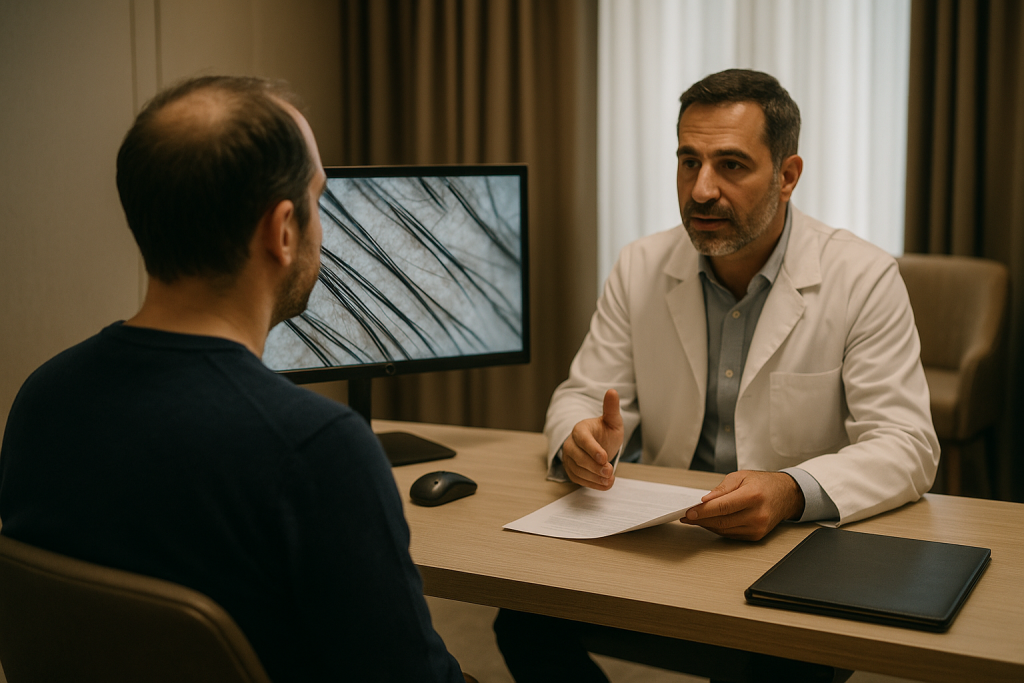
A transplant consultation should examine more than the visible thinning area. The doctor typically reviews the pattern and speed of hair loss, family history, age, donor area, previous treatments, scalp condition, and general medical background. Photographs can be useful for remote screening, but an online assessment does not replace any examinations that the doctor considers necessary. Bringing a list of herbal products to this consultation helps prevent important details from being missed and supports a safer, more organised plan.
It is helpful to ask what the procedure can and cannot achieve. Transplanted grafts need time to settle, enter their normal growth cycle, and produce visible hair. Existing non-transplanted hair may continue to thin in some patients, so a long-term plan can be important. A responsible team will discuss density expectations, donor limitations, potential risks, and aftercare rather than suggesting that any oil, supplement, or procedure can create unlimited density. Your doctor will confirm the technique and treatment approach based on your individual evaluation.
Acibadem Hair Transplant Center offers Sapphire FUE and DHI techniques, and needle-free anaesthesia is available for eligible patients. The clinic provides all-inclusive packages with VIP transfer, a 4-star hotel, a care kit, and 12 months of follow-up. Patients from 38 countries have been treated over 12 years. These practical arrangements can make international planning easier, but clinical suitability always comes first. The free online hair analysis is reviewed by doctors, and WhatsApp replies are typically provided within around two hours.
07After transplantation: keep herbal products out of early aftercare unless approved
After a hair transplant, freshly placed grafts and the surrounding scalp need gentle, structured care. This is not the time to use herbal oils, strong tonics, homemade masks, or scalp massage unless your medical team has specifically told you that it is appropriate. Even a familiar product may sting, trap residue, or interfere with the recommended washing routine while the skin is healing. Follow the written aftercare instructions provided by your clinic and ask before adding anything new.
Patients sometimes worry that avoiding oils or supplements will slow their results. In reality, early recovery is guided by graft protection, hygiene, and patience rather than by a fast-growth product. Shedding and gradual regrowth can be normal stages of the process, but the timing varies between individuals. Contact your clinic if you notice concerning pain, spreading redness, discharge, fever, significant swelling, or an unexpected reaction. Prompt communication is safer than treating a possible complication with a home remedy.
Long-term results should be assessed with an appropriate clinical follow-up plan, not only by comparing day-to-day mirror images. At Acibadem Hair Transplant Center, results are measured by trichoscopic graft survival at month 12, with a documented 98% rate under written guarantee. This measurement focuses on graft survival rather than promising a particular cosmetic appearance for every patient. Herbal products may be discussed later as part of ordinary hair care, but they should remain secondary to medical guidance, scalp health, and realistic long-term expectations.
08Frequently Asked Questions
Which herb is most likely to grow hair quickly?
No herb is proven to grow hair quickly and reliably for everyone. Rosemary, saw palmetto, ginseng, and other botanicals are often discussed, but the evidence is limited or varies by product and person. If hair loss is persistent or progressing, a medical assessment is more useful than relying on a single herb.
Is there a Chinese secret for faster hair growth?
There is no single Chinese secret that can reliably make hair grow faster. Traditional Chinese medicine may include herbal formulas, dietary practices, and scalp-care approaches, but these should not be assumed to treat the underlying cause of hair loss. Some herbal formulas may also interact with medication, so discuss them with a qualified doctor before use, especially before surgery.
Which natural methods can help hair grow faster?
Natural methods may support healthy hair and reduce breakage, but they do not usually speed up the biological hair-growth cycle dramatically. Gentle scalp care, adequate nutrition, good sleep, stress management, and avoiding damaging styling practices can be helpful. A doctor should investigate sudden shedding, patchy loss, scalp symptoms, or ongoing thinning.
What herbal options may support faster-looking hair growth?
Some people use diluted rosemary oil, aloe vera, amla, or herbal scalp products for conditioning or comfort. These options may be suitable for some scalps, but they can also cause irritation and should not be viewed as proven regrowth treatments. Tell your hair transplant team about all topical and oral herbal products before a procedure.
This article is for general information only and is not a substitute for professional medical advice.
 06
06 12
12