

To slow hair loss before a hair transplant, the first step is to identify its cause with a medical assessment. Learning how to stop hair loss usually involves protecting existing follicles, addressing possible health or scalp factors, and discussing suitable treatment options with a doctor before planning surgery.
- Hair loss should be assessed before surgery because the cause, pattern, and speed of shedding can affect a transplant plan.
- Early medical guidance may help protect vulnerable existing hair, although no approach can guarantee that further loss will stop.
- A balanced diet, gentle hair care, and management of scalp conditions can support hair and scalp health.
- A hair transplant redistributes donor hair; it does not stop ongoing loss in untreated native hair.
- A long-term plan, including follow-up and realistic expectations, is usually more important than acting quickly.
01How to Slow Hair Loss Before a Hair Transplant
If you are researching how to stop hair loss before a hair transplant, it is important to understand that surgery is not usually the first step. A transplant can move healthy follicles from a stable donor area to areas of thinning, but it does not treat the reason your original hair began to shed. In most patients, a doctor will first look at the pattern of loss, the condition of the scalp, family history, general health, and how quickly the change has happened. This helps create a safer plan for protecting the hair you still have.
Hair shedding can be temporary or progressive. Temporary shedding may occur after illness, major stress, rapid weight change, nutritional problems, hormonal changes, or certain medicines. Pattern hair loss, on the other hand, typically develops gradually and may affect the hairline, temples, crown, or central parting. These situations can look similar at first, yet they need different management. For this reason, it is best not to assume that every thinning area needs a transplant.
A careful assessment can also help avoid operating too early. If thinning is continuing quickly, newly transplanted hair may later sit beside weaker native hair, creating an uneven appearance over time. Your doctor may recommend monitoring the situation, managing an underlying cause, or starting a hair-preservation plan before deciding whether surgery is appropriate. This approach aims to support both your current hair and the long-term design of any future transplant.
02How to Stop Hair Loss: Identify the Cause First
The most useful answer to how to stop hair loss is not one universal remedy. It begins with finding out why shedding or thinning is happening. A doctor may ask when the problem started, whether it followed an illness or stressful event, whether close relatives have similar loss, and whether you have itching, scaling, pain, or sudden patches. These details can help distinguish common pattern loss from conditions that may require a different medical approach.
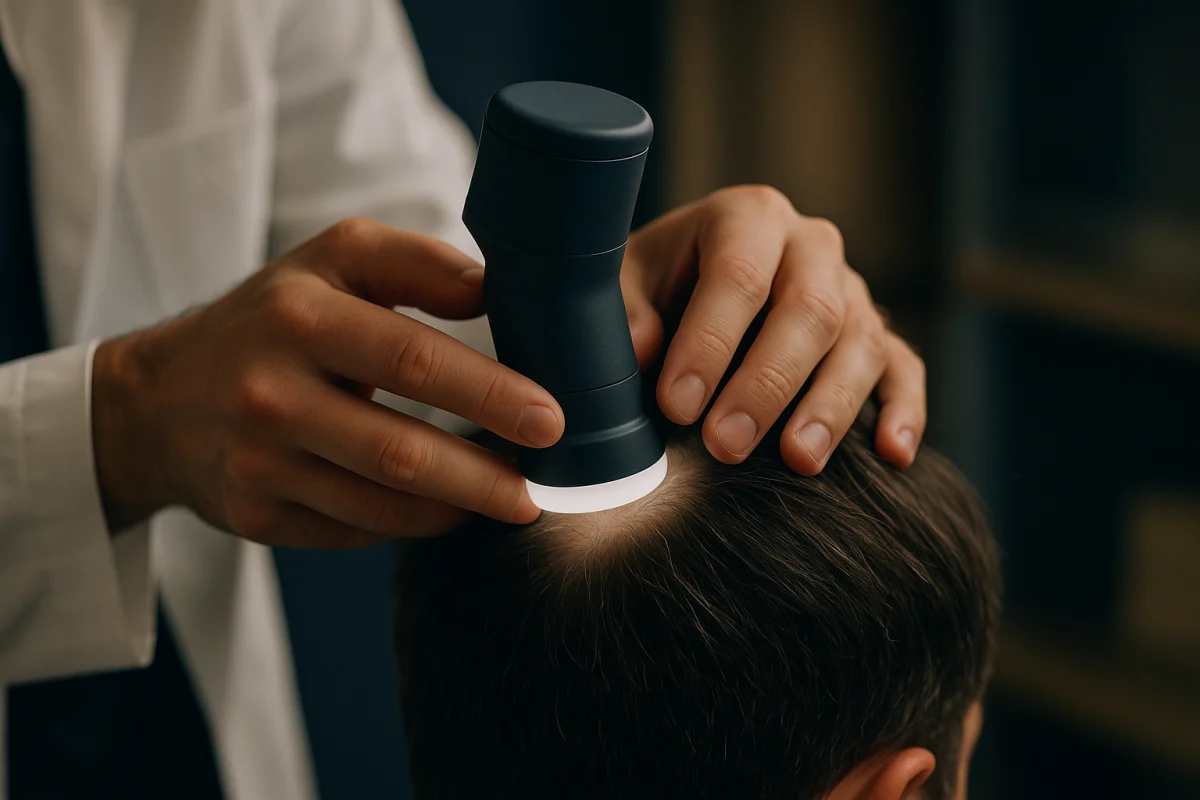
Pattern hair loss is often influenced by genetic sensitivity of the follicles. In affected areas, follicles may gradually produce finer, shorter hairs over time. This process is sometimes called miniaturisation. It can occur in men and women, although the visible pattern may differ. A close examination, and in some cases trichoscopic assessment, can show variation in hair shaft thickness and help your doctor judge whether follicles are still active.
Sudden diffuse shedding deserves particular attention because it may have a trigger that can be addressed. Recent fever, surgery, childbirth, emotional strain, restrictive dieting, iron deficiency, thyroid changes, and some medications are among factors a clinician may consider. Blood tests are not needed for everyone, but your doctor may request them when your history or symptoms suggest a possible medical or nutritional contributor. Do not stop prescribed medication without speaking to the clinician who prescribed it.
03Protect Existing Hair With a Doctor-Led Plan
Before considering a transplant, many patients benefit from a plan focused on retaining native hair. Depending on the diagnosis, a doctor may discuss topical treatments, oral prescription options, treatment for inflammation or dandruff, or other clinically appropriate approaches. The right option depends on factors such as your sex, age, medical history, pregnancy plans where relevant, current medicines, and the type of hair loss present. Your doctor will explain possible benefits, limitations, side effects, and monitoring needs.
Consistency is important because hair growth follows a slow cycle. When a suitable treatment is prescribed, changes are typically assessed over months rather than days or weeks. Some people notice an early shedding phase when starting certain hair-focused treatments, while others do not. This does not always mean the treatment is failing, but it should be discussed with your doctor rather than ignored. Taking photographs under similar lighting can provide a more reliable record than checking the mirror every day.
It is also important to have realistic expectations. Hair-preservation treatment may slow progression, reduce shedding, or improve the appearance of miniaturised hair in some patients, but results vary. It may not restore a previous density or fully regrow areas where follicles are no longer active. A medical plan is often continued after transplantation as well, because untreated native hair around the grafted area can still thin with time.
04Support Growth Through Nutrition, Health, and Daily Habits
Nutrition supports normal hair production, but supplements are not a guaranteed solution for thinning. Hair needs adequate energy, protein, vitamins, and minerals to grow normally. Restrictive diets, rapid weight loss, very low protein intake, and unrecognised nutritional deficiencies can contribute to shedding in some people. A varied eating pattern that includes sufficient protein, vegetables, fruit, whole grains, and healthy fats is generally a sensible foundation for overall health and hair health.
Taking high-dose supplements without evidence of a deficiency is not always helpful and may sometimes cause harm or interfere with other treatments. For example, some vitamins and minerals can be harmful in excess, while supplement use may also affect laboratory test results. If you suspect a deficiency, it is safer to discuss your symptoms and diet with a doctor. Testing and treatment should be based on clinical findings rather than social media recommendations.
Sleep, stress management, and recovery after illness may also matter, particularly when shedding has followed a major physical or emotional event. Stress is not the only cause of hair loss, and managing stress will not reverse every form of thinning. However, regular sleep, gentle physical activity when appropriate, and support for mental wellbeing can be valuable parts of a healthy routine. If hair changes are causing anxiety or affecting confidence, raise this openly during your consultation.
05Use Gentle Scalp and Hair-Care Practices
Gentle hair care will not change genetic pattern hair loss on its own, but it can reduce avoidable breakage and irritation. Choose cleansing products that suit your scalp, wash often enough to control oil and buildup, and avoid aggressive scratching. A clean scalp is not the same as an over-stripped scalp. If you have persistent flaking, redness, soreness, crusting, or intense itch, seek medical advice because a scalp condition may need specific treatment.
Frequent bleaching, harsh chemical processing, very high heat, and tight styles can damage the hair shaft or place tension on the follicles. This can make hair look thinner even when the number of follicles has not changed. Repeated traction from tight braids, extensions, ponytails, or head coverings worn with strong pulling force may contribute to traction-related loss in susceptible people. Looser styling, lower heat, and breaks between chemical treatments can help reduce unnecessary stress on the hair.
Be cautious with oils, masks, and home mixtures promoted as ways to regrow hair. Some may improve hair softness or reduce dryness, which can make hair look healthier, but they do not reliably reactivate inactive follicles. Essential oils and strong homemade preparations can also trigger contact dermatitis in some people. If a product causes burning, redness, swelling, or worsening flaking, stop using it and speak with a healthcare professional.
06Review Popular Remedies Before You Rely on Them
Many people search for a natural answer to how to stop hair loss, especially before considering medical treatment. Natural approaches can be appealing, but “natural” does not always mean effective, safe, or suitable for every scalp. A healthy diet and gentle routine can support general hair condition, yet they should not replace an assessment when hair loss is persistent, patchy, rapidly worsening, or associated with scalp symptoms.
There is limited clinical evidence that food-based remedies, herbal oils, scalp massage, or supplements can reverse established genetic hair loss. Scalp massage may feel relaxing and can encourage a consistent self-care routine, but it should be gentle and should not cause friction or pain. Similarly, a product that makes hair smoother can improve the cosmetic appearance of fullness without changing the number of growing follicles. Clear information helps patients separate cosmetic benefits from medical treatment claims.
Be particularly careful with online products that promise instant regrowth, permanent results, or a cure for every type of hair loss. Hair loss has many causes, and a product that is unsuitable for your condition may delay useful care. Bring a list of any supplements, oils, or treatments you use to your appointment. This allows your doctor to consider possible irritation, interactions, and whether the routine is helping, neutral, or potentially harmful.

07Know When a Hair Transplant May Be the Right Next Step
A hair transplant may be considered when hair loss has been properly assessed, the donor area appears suitable, and your goals are realistic. The procedure redistributes follicles, usually from the back or sides of the scalp, to carefully selected thinning areas. It cannot create new follicles or provide unlimited density. The available donor supply, hair characteristics, scalp condition, and expected future hair loss all influence what may be achievable.
Timing is important. For younger patients or people with active progression, a doctor may suggest delaying surgery, using hair-preservation treatment first, or planning a conservative hairline. This is not necessarily a rejection of transplantation; it is a way to protect donor hair for the future. A hairline designed too low or too densely without considering future loss may require further work later and can place unnecessary pressure on a limited donor area.
At Acibadem Hair Transplant Center in Istanbul, doctors can review a free online hair analysis before you travel. The dedicated hair restoration clinic is licensed by the Turkish Ministry of Health and offers Sapphire FUE and DHI techniques when clinically suitable. An online review cannot replace an in-person examination, but it can help you understand whether the next sensible step is medical assessment, monitoring, hair-preservation planning, or a discussion about transplantation.
08Create a Long-Term Plan Before and After Surgery
A successful hair strategy is usually long term. Before surgery, your team should discuss your current pattern, likely future changes, donor capacity, preferred hairstyle, and whether you may need to continue a doctor-recommended treatment plan. After surgery, the transplanted follicles and your existing hair need different attention. Transplanted hair typically follows a recovery and growth cycle, while native hair may still be affected by the original cause of thinning.
Follow-up gives you an opportunity to monitor healing, discuss shedding concerns, and review the appearance of both grafted and native hair. Acibadem Hair Transplant Center provides all-inclusive packages that include VIP transfer, a 4-star hotel, a care kit, and 12 months of follow-up. Needle-free anaesthesia is also available for suitable patients. Your care team will confirm what is appropriate for your individual procedure and medical situation.
When comparing options, focus on clinical assessment, clear communication, realistic planning, and documented follow-up rather than dramatic promises. At the clinic, outcomes are measured with trichoscopic graft survival at month 12, with a documented 98% rate under written guarantee. This measurement relates to graft survival under the stated guarantee terms; it does not mean that every patient will have the same cosmetic result, density, or future pattern of native hair loss. Asking informed questions before surgery is one of the best ways to make a confident decision.
09Frequently Asked Questions
What can I do if my hair is falling out?
Start by noting when the shedding began, whether it is diffuse or patchy, and whether there were recent health, diet, stress, or medication changes. A doctor can assess the pattern and scalp condition, then advise whether monitoring, tests, treatment, or referral is appropriate. Seek prompt medical advice for sudden patchy loss, scalp pain, redness, or scarring.
Is there a natural treatment that works best for hair loss?
There is no single natural remedy proven to work best for every type of hair loss. A balanced diet and gentle hair care can support normal hair and scalp health, particularly when a nutritional or hair-damage factor is present. Established genetic hair loss usually needs a medical assessment, and natural products should not replace appropriate care.
What helps hair grow more effectively?
Hair growth is supported by adequate nutrition, treatment of any confirmed medical or scalp condition, and avoiding unnecessary chemical, heat, or traction damage. If follicles are miniaturising because of pattern hair loss, a doctor may discuss suitable evidence-based treatment options. Results are gradual and vary between individuals.
Can lost hair grow back again?
Hair may regrow when the cause of shedding is temporary and the follicles remain healthy, such as after some illnesses, nutritional issues, or stress-related shedding. In long-standing pattern hair loss, regrowth may be limited because follicles can progressively miniaturise. A doctor can assess whether follicles are likely to respond to treatment or whether a transplant discussion may be appropriate.
This article is for general information only and is not a substitute for professional medical advice.
 06
06 12
12