
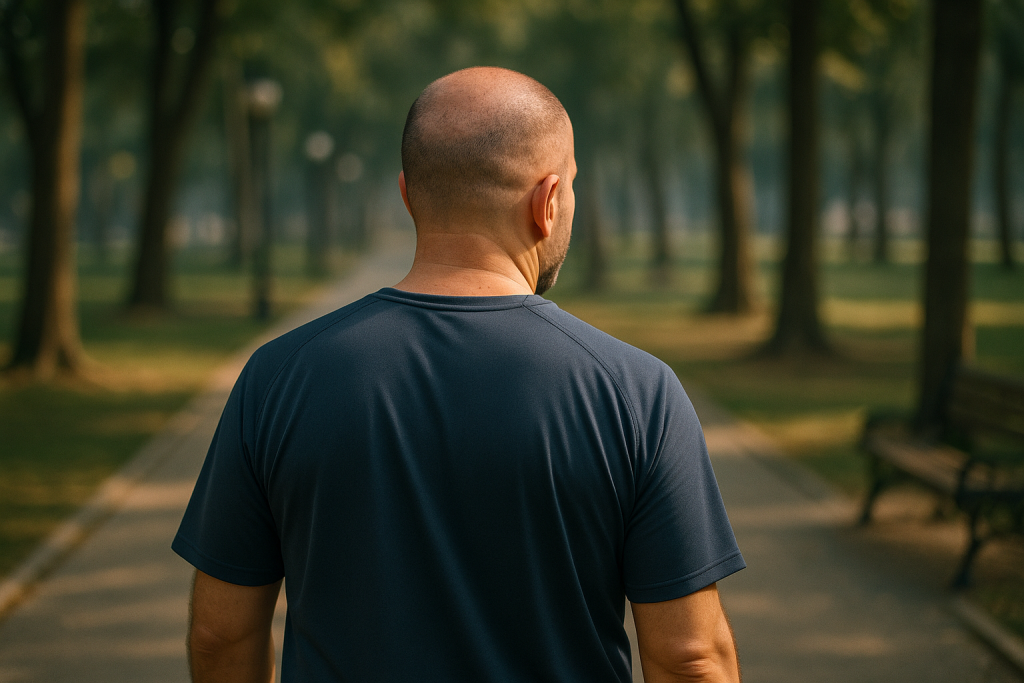
After turkey hair surgery, gentle walking is usually suitable from the first days, but strenuous exercise should generally wait until the treated scalp has had time to heal. Most patients can return to progressively harder training over several weeks, but the exact schedule depends on the procedure, healing progress and your doctor’s instructions.
- Gentle walks are commonly encouraged early in recovery, provided you avoid sweating, sun exposure and contact with the scalp.
- Heavy gym sessions, running and sports that raise blood pressure should usually be postponed during the early healing period.
- Swimming, saunas and steam rooms need a longer pause because water, heat and microbes may affect healing skin.
- Contact sports and activities requiring helmets should only restart once the recipient and donor areas are fully settled.
- Your clinic’s post-operative plan takes priority because it is based on your procedure and individual recovery.
01Turkey Hair Surgery: Safe Return to Exercise After Surgery
Turkey hair surgery can restore hair in thinning or bald areas, but the quality of recovery is just as important as the procedure itself. Exercise increases heart rate, blood pressure, body temperature and sweating. In the first days after surgery, these changes may increase swelling, irritate small healing wounds or create a risk of rubbing the newly placed grafts. A careful, staged return to activity helps protect both the recipient area and the donor area while the scalp heals.
For most patients, the key principle is simple: begin with calm movement, then add intensity only when healing is stable. Walking is usually the first suitable form of activity. Running, strength training, swimming and contact sports generally require more waiting time. Your doctor will confirm the right plan after reviewing the technique used, the number and location of grafts, your medical history and the condition of your scalp at follow-up.
At Acibadem Hair Transplant Center, a dedicated hair restoration clinic in Istanbul licensed by the Turkish Ministry of Health, patients receive a care kit and 12 months of follow-up as part of all-inclusive packages. This support can be useful when planning recovery after you return home, especially if you have questions about swelling, scabbing, exercise or travel. However, written instructions given after your own procedure should always be followed over general online guidance.
02Why exercise needs to be limited after hair restoration
During a hair transplant, follicles are carefully placed into tiny recipient sites. In Sapphire FUE and DHI procedures, these sites need time to close and stabilize. The grafts are especially vulnerable to direct pressure, scratching and friction during the early period. Although normal daily movement does not normally dislodge grafts, vigorous activity can make you sweat heavily, raise swelling risk and make it harder to avoid touching or rubbing the scalp.
Exercise can also affect the donor area, where follicles have been removed. The back and sides of the scalp may feel tight, tender or itchy while healing. Activities involving stretching, bending, weight lifting or headwear can increase discomfort. Tight caps, helmets, headbands and sweatbands may press against healing skin. It is usually better to avoid them until your clinical team says the area is sufficiently healed.
Another reason to pause is cleanliness. Gyms, pools, changing rooms and outdoor sports environments can expose fresh wounds to sweat, dust, bacteria and other irritants. This does not mean that exercise is unsafe forever; it means timing matters. Protecting the scalp from contamination and excessive moisture is particularly important before scabs have naturally shed and the skin barrier has recovered.
03Days 0 to 7: walking and essential daily movement
In the first 24 to 48 hours, rest is usually the priority. Short, slow walks around your hotel room or home may support circulation and prevent stiffness, but avoid walking quickly enough to sweat. If you are recovering in Istanbul, use the arranged VIP transfer where available rather than carrying luggage, rushing through public transport or taking long walks in warm weather immediately after your procedure.
From the next few days, many patients can take easy outdoor walks in cool conditions. Choose flat routes, keep the pace comfortable and avoid direct sunlight on the scalp. A loose, clinic-approved hat may be appropriate after the time advised by your team, but do not wear any head covering that rubs the recipient area. If you notice throbbing, new bleeding, increased swelling or marked discomfort, stop and contact your clinic for advice.
Turkey hair surgery recovery also includes protecting the scalp during routine activities. Avoid bending deeply to tie shoes, lifting shopping bags, vigorous housework and any activity that causes facial flushing or perspiration. Keep your head above your heart when possible during the first days, follow your sleeping instructions and use only the washing method recommended by your clinical team. These steps are often more valuable than trying to return to a fitness routine too soon.
04Weeks 2 to 3: returning to light cardio and daily routines
Once the first healing phase has passed, light cardio may become possible for many patients, provided there is no persistent swelling, redness, pain or open area. A gentle treadmill walk, relaxed stationary cycling or low-intensity mobility work may be considered. Start below your normal effort level and keep the session short. The goal is to test comfort, not to rebuild fitness quickly.
At this stage, scabs should be allowed to shed naturally according to your washing plan. Do not pick them after sweating or try to scrub the scalp clean. If your workout makes you perspire, wash only as instructed and pat the area dry without friction. Outdoor training still requires good sun protection, because newly treated skin can be sensitive to ultraviolet exposure and heat.
It is sensible to delay activities that involve repeated bending, rapid changes of direction or a high risk of accidentally striking your head. Yoga positions that place the head lower than the body, intense Pilates movements and vigorous dance classes may need further postponement. If your work involves physical labour, discuss the expected duties before surgery so that your doctor can advise on a realistic return-to-work timeline.
05Weeks 3 to 4: gym training, running and strength work
Many patients are ready to begin a gradual return to moderate exercise around this period, but clearance should be individual. Start with lower weights, fewer sets and longer rest periods than usual. Avoid breath-holding during lifts, maximal efforts and exercises that cause strong pressure in the head and neck. Heavy lifting can significantly raise blood pressure and may be uncomfortable while the donor area continues to settle.
Running may be reintroduced gradually if the scalp is calm and your doctor has approved it. Begin with a short, easy run in cool weather rather than intervals, hill sprints or long-distance training. Pay attention to sweat, bouncing movement and the risk of touching your scalp with towels, hands or a cap. Clean exercise clothing and a shower routine that follows your aftercare plan are also important.
For people who have travelled for turkey hair surgery, returning to a familiar gym at home can feel like a sign that normal life has resumed. Still, your results are not improved by rushing. A measured return gives the donor skin time to recover and reduces avoidable irritation around the recipient sites. If you are uncertain whether a particular class or exercise is appropriate, send clear photographs through the follow-up channel and wait for professional guidance.
06Swimming, heat, helmets and contact sports need extra caution
Swimming usually requires a longer break than walking or basic gym activity. Pools, sea water, hot tubs and lakes can contain chemicals or microorganisms that may irritate healing skin. Chlorine may be drying, while open water carries less predictable exposure. Your doctor will advise when the scalp is closed enough for swimming, and this timing may differ between patients depending on healing.
Saunas, steam rooms, hot yoga and very hot showers should also be avoided until your clinic confirms that they are appropriate. Heat can cause sweating and widening of blood vessels, which may worsen discomfort or swelling early on. Similarly, avoid prolonged sunbathing. A scalp that appears healed may still be more sensitive than usual, so gradual exposure and suitable protection remain important later in recovery.
Contact sports, combat training, football, basketball, cycling with a helmet, horse riding and similar activities require special planning. The concern is not only sweat; it is also impact, rubbing and pressure from protective equipment. Wait until both the donor and recipient areas are fully healed and your doctor has cleared you. If a helmet is essential for your occupation or transport, mention this during your pre-operative consultation.
07Signs that mean you should pause activity and seek advice
A mild feeling of tightness or temporary itchiness can occur during normal healing, but exercise should not cause worsening symptoms. Pause your workout and contact your clinical team if you notice persistent bleeding, increasing pain, spreading redness, unusual warmth, pus-like discharge, fever or swelling that becomes more severe rather than improving. These signs need proper clinical assessment and should not be managed through online advice alone.
It is also worth asking for guidance if scabs come away unusually early after rubbing, if you bump the recipient area, or if you are unsure whether sweat has affected the grafts. In most cases, a brief concern does not mean the outcome has been harmed, but prompt communication can give you clear next steps. Avoid repeatedly checking, pressing or photographing the grafts under harsh light, as this can lead to unnecessary touching.
Patients with conditions that affect wound healing, circulation or blood clotting may need a more cautious exercise schedule. The same applies to people taking medicines that influence bleeding, blood pressure or immune response. Your surgeon should know about your health background and regular medicines before surgery. Do not stop, restart or change prescribed medication to fit an exercise plan unless the doctor responsible for that medicine advises you to do so.
08A practical exercise plan for long-term hair transplant care
A successful return to training is usually gradual: rest first, short walks next, then gentle cardio, controlled gym sessions and finally higher-impact or contact activities. Keep a simple record of how your scalp feels after each session. If activity causes more redness, tenderness or swelling the next day, step back to an easier level. Recovery is not a competition, and allowing extra time is often the safer choice.
Long-term, regular exercise can support general wellbeing, sleep and stress management. It does not usually damage established transplanted hair once healing is complete. Transplanted follicles are generally intended to be permanent, although existing non-transplanted hair may continue to thin over time due to the underlying cause of hair loss. Your doctor may discuss long-term medical or non-surgical options where clinically appropriate.
Before arranging turkey hair surgery, consider your travel, work and sporting calendar. Avoid booking a race, tournament, beach holiday or demanding fitness event too close to the procedure. Acibadem Hair Transplant Center offers a free online hair analysis reviewed by doctors, with WhatsApp replies typically within around two hours. This can help you ask about recovery planning before travel, while your final suitability assessment and aftercare schedule will be confirmed by the medical team.
09Frequently Asked Questions
What does hair surgery in Turkey cost?
The cost of hair surgery in Turkey varies according to the technique, number of grafts needed, complexity of the case, included services and the clinic’s medical standards. It is important to request a written, personalised treatment plan rather than choosing based on a low headline price. At Acibadem Hair Transplant Center, an online hair analysis can help the team outline an appropriate plan before travel.
How long do hair transplants performed in Turkey last?
Transplanted follicles are generally selected from areas that are more resistant to hair loss, so the transplanted hair is intended to be long-lasting. However, individual results vary, and existing non-transplanted hair can continue to thin over time. Ongoing care and any suitable long-term treatment should be discussed with your doctor.
Do hair transplants in Turkey really work?
Hair transplantation can produce natural-looking growth when a suitable patient is treated with an appropriate technique and follows aftercare instructions. Results depend on factors such as donor supply, hair characteristics, the cause of hair loss, graft handling and healing. At Acibadem Hair Transplant Center, results are measured by trichoscopic graft survival at month 12, with a documented 98% rate under written guarantee.
What are the possible disadvantages of having a hair transplant in Turkey?
Possible concerns include variable clinic standards, limited time for in-person assessment before travel, post-operative travel planning and the need to manage follow-up from another country. Hair transplantation also has general medical risks, including swelling, discomfort, infection, scarring, temporary shedding and an outcome that may not meet expectations. Choosing a licensed clinic, receiving doctor-led assessment and following a clear aftercare plan can help patients make a more informed decision.
This article is for general information only and is not a substitute for professional medical advice.
 06
06 12
12