
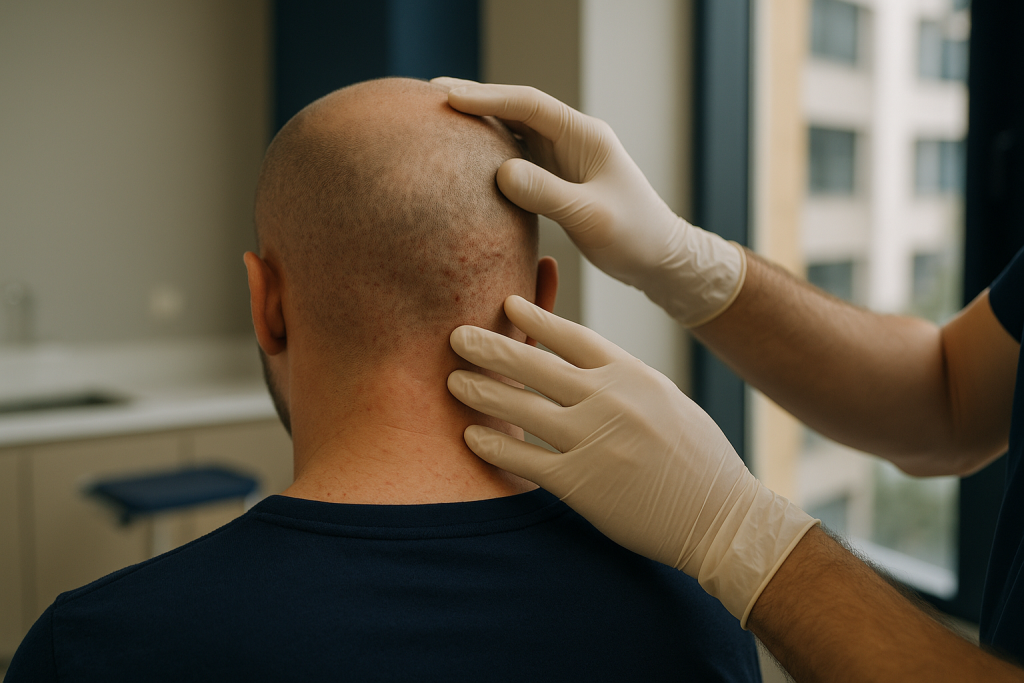
Most fue hair transplant side effects, including mild soreness, redness, scabbing, itching and temporary swelling, are expected parts of early healing. However, severe or worsening pain, spreading redness, pus, fever, significant bleeding or rapidly increasing swelling should be assessed by your clinic or a medical professional promptly.
- Scabs, mild redness, itching and temporary numbness are common during the first days and weeks after FUE.
- Following aftercare instructions carefully helps protect grafts and lowers the chance of avoidable complications.
- The donor area does not replace removed follicles, but the surrounding hair usually grows and can cover the tiny extraction sites.
- Temporary shedding after a transplant is common, while visible new growth usually develops gradually over several months.
- Contact your clinic promptly if symptoms become worse rather than better, especially if you develop fever, discharge or severe pain.
01Understanding fue hair transplant side effects during recovery
Fue hair transplant side effects can sound worrying before surgery, but many are simply signs that the scalp is healing after follicular units have been removed and placed. FUE, or Follicular Unit Extraction, involves taking individual grafts from a donor area, usually at the back and sides of the scalp, and implanting them into areas of thinning or hair loss. This creates many tiny wounds, so a short period of visible change and mild discomfort is normal in most patients. Your treatment team should explain what you may experience, how to wash the scalp and when to seek advice.
Recovery is not identical for every person. The number of grafts, the size of the treated area, skin sensitivity, general health, smoking status and how closely aftercare guidance is followed can all influence healing. A person having a small hairline procedure may see less swelling than someone having a larger session, for example. It is also important to distinguish normal short-term effects from less common complications. A good plan includes clear written aftercare instructions and a way to contact the clinic if you are unsure about a symptom.
FUE is designed to leave very small circular donor-site marks rather than a linear scar. Once healed, these marks are often difficult to notice when hair is kept at a suitable length, although visibility varies with skin type, hair density, hairstyle and the extent of extraction. No surgical procedure is completely without risk. A consultation and medical review are needed to check whether FUE is appropriate for you and to discuss realistic healing, density and long-term expectations.
02What is usually normal in the first 14 days after FUE?
During the first one to three days, mild tenderness in the donor area and a tight, sore or bruised feeling can occur. The recipient area may look red and show tiny crusts around each implanted graft. Small spots of blood or clear fluid on the first day can also happen, particularly if the scalp is touched accidentally. Your clinic will normally advise you to sleep with your head elevated for a short time, avoid pressure on the grafts and use only the washing method recommended for your procedure.
Swelling can develop around the forehead or upper face, usually in the early days after treatment. It may look more noticeable after waking up and generally settles as healing progresses. Some patients also report temporary numbness, tingling or reduced sensation in either the donor or recipient area. These sensations can be related to local tissue irritation and healing. They should gradually improve, but you should inform your clinic if numbness is extensive, persistent or accompanied by other concerning symptoms.
Between about days 7 and 14, the small crusts usually soften and come away through gentle washing as instructed. Itching is common at this stage, but scratching, picking or rubbing can disturb healing skin and may harm newly implanted grafts. The scalp can look uneven or patchy while crusts are present, which is not a reliable sign of the final result. Do not add unapproved oils, creams, hair fibres or home treatments to the scalp without checking with your clinical team first.
03Redness, scabbing and itching: why these changes happen
Redness is a natural inflammatory response to the tiny incisions made during FUE. In many patients it reduces within days or weeks, although some people, especially those with sensitive or fair skin, may notice it for longer. The recipient zone can remain pink after the crusts have gone, while the donor area may show small dots during early healing. Sun exposure can make redness more visible and may irritate healing skin, so your team may recommend sensible protection and avoidance during the early recovery period.
Scabs form when small amounts of blood and tissue fluid dry around the grafts. They are protective during the first stage of healing and should not be removed by force. Following the clinic's washing schedule gradually loosens them without pulling on the grafts. It is understandable to want the scalp to look normal quickly, but rushing this step may increase irritation. If thick crusting continues well beyond the timeframe given by your clinic, or if it has an unpleasant smell or discharge, ask for medical guidance.
Itching often becomes stronger as the skin repairs itself. Dryness, scab formation and short regrowing hairs may all contribute. Cool air, gentle prescribed washing and any aftercare products approved by your clinic may help, but medication should only be used according to professional advice. In the context of fue hair transplant side effects, itching alone is usually not an emergency. It becomes more concerning when it occurs with hot, spreading redness, marked swelling, pain, pus or a rash extending beyond the treated scalp.
04Pain, swelling and numbness after the procedure
FUE surgery is generally performed using local anaesthesia, so patients should not feel sharp surgical pain during graft extraction and implantation once the area is numb. They may still feel pressure, movement or brief discomfort when anaesthesia is administered. Needle-free anaesthesia may be available in some clinics for patients who are concerned about injections. After the numbing effect fades, mild soreness or a tender scalp is common and is usually managed with medication recommended by the treating team.
Severe pain is not considered a typical recovery symptom. Pain that is getting stronger, feels throbbing, prevents sleep despite prescribed care, or occurs with heat, discharge or fever should be reported promptly. It can be tempting to take any familiar pain medicine, but some medicines and supplements may increase bleeding risk or be unsuitable after surgery. Your doctor or clinic should confirm which medication is appropriate for your situation and when it can be taken.
Temporary numbness or altered sensation can occur because small sensory nerve endings are affected by the procedure and local swelling. Recovery can be gradual, and the exact timeframe varies. Avoid judging the final comfort or appearance of the scalp too early. For the same reason, avoid tight hats, helmets, vigorous exercise and activities that may cause heavy sweating until your clinic confirms it is safe. These precautions are intended to reduce friction, accidental trauma and unnecessary irritation during the vulnerable early phase.
05When fue hair transplant side effects need medical attention
Most fue hair transplant side effects improve steadily rather than becoming more intense. Contact your clinic without delay if you develop a fever, chills, spreading redness, increasing warmth, yellow or green discharge, a strong unpleasant smell, or swelling that is rapidly worsening. These signs do not automatically mean that a serious infection is present, but they need professional assessment. Early review is safer than trying to diagnose or treat a possible complication yourself at home.
Persistent bleeding, a large painful lump, severe allergic-type rash, or a sudden problem with breathing or facial swelling also requires urgent medical attention. An emergency service may be appropriate for severe symptoms, especially outside clinic hours. Tell the medical team that you recently had a scalp procedure and explain when it was performed. Keep any post-operative instructions available, as they may help clinicians understand the products, medicines and wound-care steps involved.
Folliculitis, which is inflammation around a hair follicle, can sometimes appear later as small tender bumps or pimples. Ingrown hairs may have a similar appearance. These changes are often treatable, but squeezing or picking the bumps can worsen inflammation and introduce bacteria. Send clear photos to your clinic if requested and follow the advice provided. A remote review cannot replace an examination when symptoms are significant, so your doctor will confirm whether in-person care is needed.
06Donor area healing and the truth about regrowth
A common misunderstanding is that hair follicles removed from the donor area will grow back in the same place. The extracted follicles do not regenerate there. Instead, the tiny extraction points close and heal, while the hairs left between them continue their normal growth cycle. With carefully planned extraction and an appropriate number of grafts, the surrounding donor hair can often provide good coverage once it grows out. Your surgeon should assess donor density before recommending treatment.
The skin of the donor area commonly heals over within around one to two weeks, although redness, small dots and sensitivity can last longer in some patients. The surrounding donor hair may be trimmed or shaved for the procedure and will generally grow in the usual way over the following weeks and months. How quickly the area appears covered depends on your natural hair growth rate, hair length, curl pattern, density and whether temporary shedding occurs after surgery.
Overharvesting is a risk when too many grafts are taken from a limited donor supply. This may make the donor area look thin, particularly with very short haircuts. Careful donor management is therefore essential not only for the current transplant but also for possible future needs. A responsible consultation considers your pattern of hair loss, family history, scalp characteristics and likely progression. It should not focus only on obtaining the highest possible graft number in one session.
07Shock loss and the timeline for new hair growth
After FUE, transplanted hairs often shed within the first few weeks. This is commonly called shock loss or shedding, and it can be emotionally difficult because the scalp may look less full before it improves. In many cases, the implanted follicles remain under the skin while the visible hair shafts fall out. Shedding does not by itself mean that the transplant has failed. Your clinic can explain the expected timeline for your specific procedure and review any unusual pattern.
Some existing, non-transplanted hairs near the recipient area may also shed temporarily after surgery. This is more likely when hairs are already weakened by androgenetic hair loss, but it is not possible to predict every person's response. New transplanted growth typically begins gradually over the following months rather than all at once. Early hairs may look fine, soft or uneven before becoming stronger and maturing. Patience is important because a transplant result develops in stages.
Photographs taken in consistent lighting and from the same angles can help you follow change more accurately than daily mirror checks. It is normal for one side of the hairline or crown to appear ahead of another at certain stages. In this phase, fue hair transplant side effects and normal growth changes can overlap visually, so professional follow-up is valuable. At Acibadem Hair Transplant Center in Istanbul, patients can receive 12 months of follow-up, allowing the recovery and development of the transplant to be monitored over time.
08Protecting your result with practical aftercare
Aftercare begins with protecting the grafts from rubbing, pressure and accidental pulling. Follow the exact schedule given for sprays, washing, sleeping position, hats, exercise and return to work. Do not assume that advice from a friend or a video online applies to your own procedure. Techniques, graft placement, scalp condition and medical history differ. If instructions seem unclear, ask the clinic before changing your routine rather than taking a risk during the first days.
Smoking, alcohol, dehydration, poor sleep and intensive exercise may affect recovery in different ways, so clinics commonly give temporary restrictions. You may also be asked to pause certain supplements or medicines before and after surgery, but never stop prescribed medication without the approval of the doctor who manages it. A balanced diet, sufficient fluids and careful hygiene support general healing, although they cannot guarantee graft survival or replace correct surgical planning.
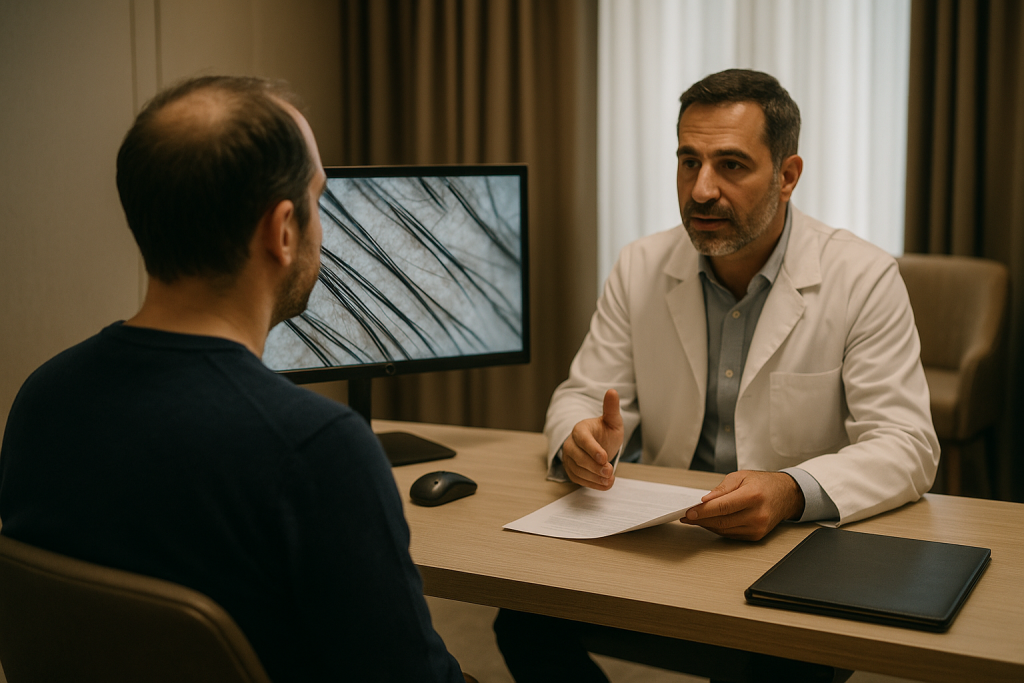
A transplant can provide a long-lasting redistribution of donor follicles, but it does not stop future loss in non-transplanted hair. Long-term planning may include medical assessment of ongoing hair loss and discussions about suitable maintenance options. At Acibadem Hair Transplant Center, free online hair analysis is reviewed by doctors, with WhatsApp replies typically available within about two hours. This initial review can help patients understand whether further assessment is appropriate, but a doctor must confirm suitability before treatment.
09Frequently Asked Questions
How long does the donor area take to grow back after a hair transplant?
The skin in the donor area commonly heals within about one to two weeks, while the surrounding trimmed hair usually grows over the following weeks and months. Removed follicles do not grow back in their original extraction sites. Instead, the remaining donor hair can often cover the healed extraction points if graft harvesting has been planned carefully.
Is an FUE hair transplant painful?
FUE is usually performed under local anaesthesia, so sharp pain is not generally expected during graft extraction or implantation after the scalp is numb. Patients may feel pressure and brief discomfort during the anaesthesia stage, followed by mild soreness when the numbing effect wears off. Your clinic will explain suitable pain management and whether needle-free anaesthesia is available.
What can happen 10 years after a hair transplant?
Transplanted follicles are generally expected to continue producing hair over the long term if they survive and establish normally. However, natural, non-transplanted hair can continue to thin due to ongoing hair loss, ageing and genetic factors, which may change the overall appearance after 10 years. A long-term treatment plan should consider the possibility of future hair loss and the need to preserve donor hair.
How much do 3,000 FUE grafts cost?
There is no responsible single price for 3,000 FUE grafts because the cost depends on the clinic, country, technique, medical team, donor complexity, required aftercare and what is included in the package. A graft number alone also does not confirm that 3,000 grafts are suitable or safe for a particular donor area. Request a written, personalised quotation after a doctor-reviewed hair analysis and check exactly what follow-up care is included.
This article is for general information only and is not a substitute for professional medical advice.
 06
06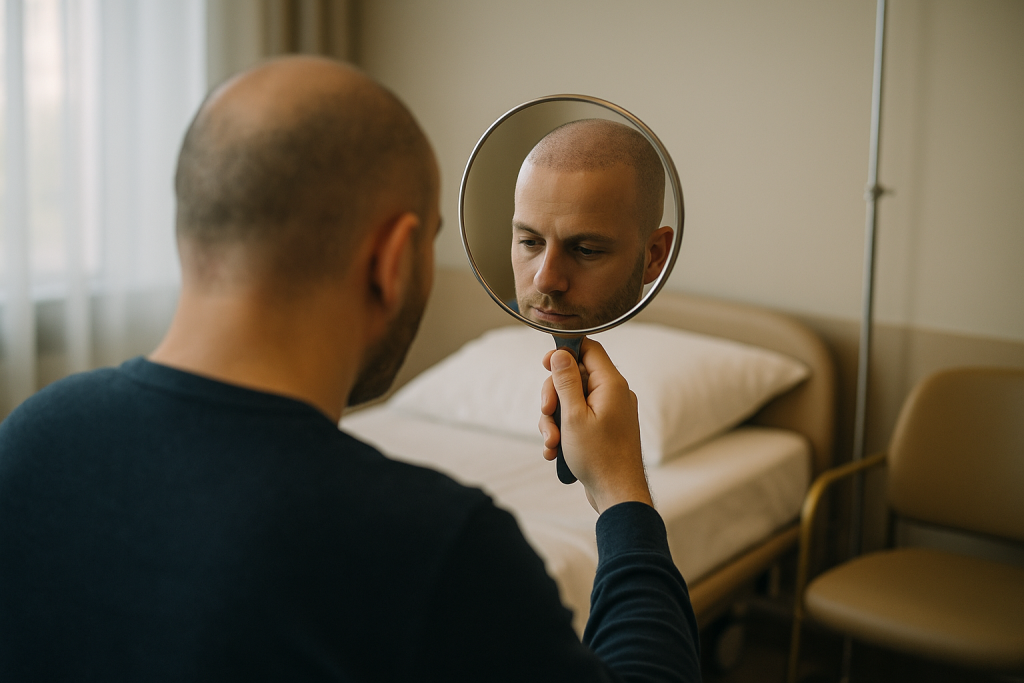 12
12