
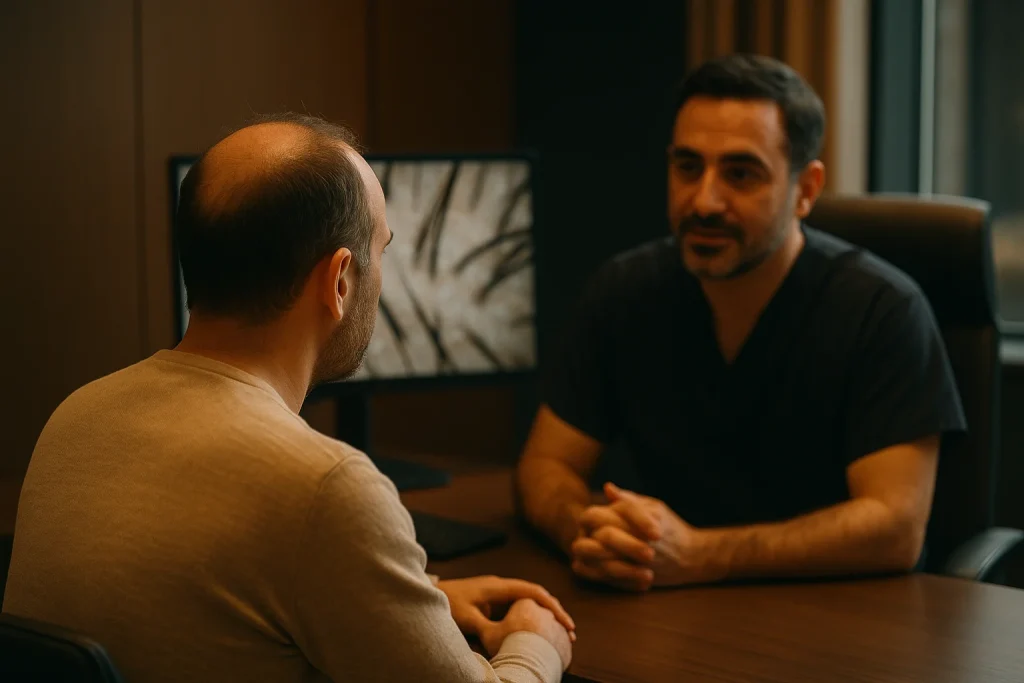
Turkish hair implants can be planned safely when treatment is based on a proper medical assessment, a licensed clinic, realistic goals and reliable follow-up care. Before travelling, confirm who will assess your hair loss, perform the procedure, explain the risks and support your recovery after you return home.
- A safe treatment journey starts with a doctor-reviewed assessment of your hair loss, donor area and medical history.
- FUE and DHI are graft extraction and placement methods, and the most suitable option depends on your individual scalp and hair characteristics.
- A qualified clinic should explain the treatment team, aftercare plan, possible risks and realistic expectations before you book.
- Travelling for a procedure requires practical planning, including recovery time, accommodation, transport and a clear contact route after returning home.
- Hair transplant results develop gradually, and meaningful assessment is typically made over several months rather than days or weeks.
01Start With a Medical Assessment Before You Travel
Turkish hair implants should begin with a clinical assessment, not with a fixed graft number or a promotional promise. Hair loss has different causes, including hereditary pattern hair loss, inflammation, nutritional issues, medication effects and temporary shedding after illness or stress. A doctor should review your hair pattern, scalp condition, donor density and relevant health information before deciding whether a transplant is appropriate. In some cases, further evaluation or non-surgical treatment may be advised first.
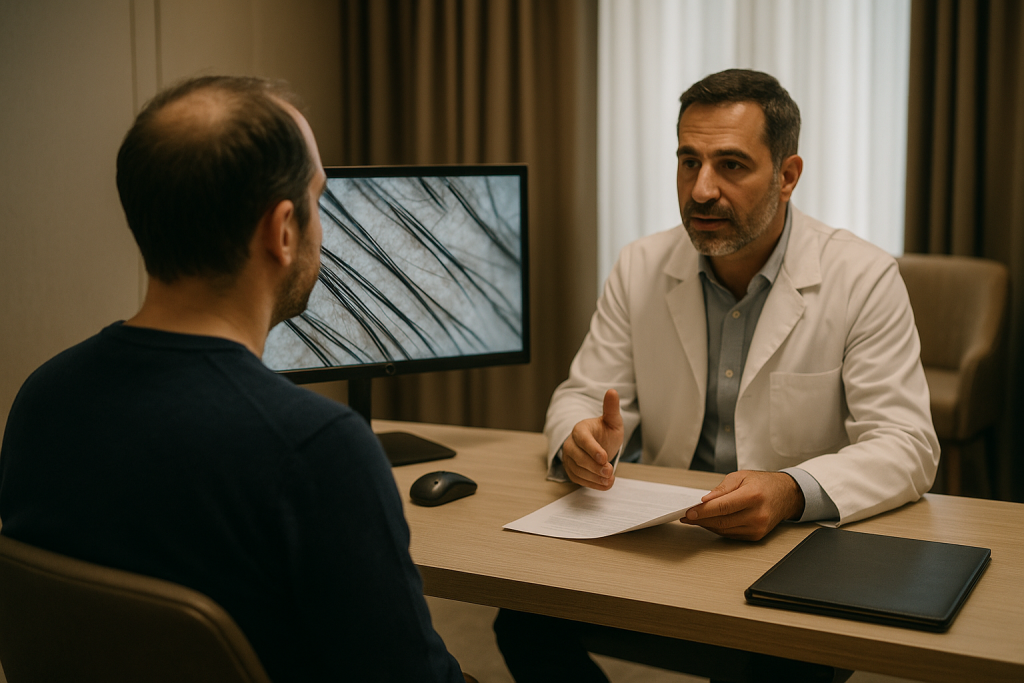
A responsible online consultation can help you understand the likely next steps before you arrange flights. Clear photographs taken in good light may allow the medical team to make an initial review of your frontal hairline, crown, sides and donor area. However, photo assessment has limits. Your doctor will confirm suitability, the possible graft range and the treatment plan during a fuller medical evaluation, particularly if there are signs of scalp disease, unstable shedding or limited donor hair.
Be open about previous procedures, allergies, regular medicines, smoking, bleeding conditions and any medical diagnosis that could affect surgery or healing. Do not stop prescribed medication without advice from the clinician who manages it. It is also helpful to share your goals honestly. A natural-looking hairline, improved coverage and protection of the donor area usually require careful planning; the aim is not simply to place the highest possible number of grafts in one session.
02How Turkish Hair Implants Fit Into a Safe Clinical Plan
When people research turkish hair implants, they may see many packages, techniques and before-and-after images. The safer way to compare options is to focus first on medical standards. Ask whether the facility is licensed, whether doctors review the plan, how the team handles hygiene and complications, and what follow-up is available once you leave Turkey. These details matter more than a headline offer or an estimate based on photographs alone.
At Acibadem Hair Transplant Center, a dedicated hair restoration clinic in Istanbul licensed by the Turkish Ministry of Health, free online hair analysis is reviewed by doctors. Patients can receive a WhatsApp reply in approximately two hours, helping them ask initial questions before travel. This early exchange is useful for planning, but it should not be treated as a final diagnosis. Your in-person assessment and the doctor’s clinical judgement remain essential.
A safe plan also includes consent. Before treatment, you should be given understandable information about the proposed method, expected recovery, possible complications and the limits of the procedure. Ask who will carry out each stage, including extraction, channel opening or implantation, and post-procedure checks. You should feel comfortable asking questions and taking time to decide. A clinic should never pressure you to book quickly or suggest that every patient needs the same treatment.
03Choose Between Sapphire FUE and DHI With Realistic Expectations
Sapphire FUE and DHI are commonly used approaches for transplanting hair follicles. In FUE, individual follicular units are extracted from the donor area, usually at the back and sides of the scalp, and then placed into prepared recipient sites. Sapphire instruments may be used when creating channels for graft placement. In DHI, extracted grafts are implanted using a specialised implanter tool. Both approaches require careful handling of follicles and accurate planning of angle, direction and density.
The best technique is not automatically the newest-sounding or most heavily advertised option. Your doctor may consider the extent and pattern of hair loss, the quality of the donor area, hair shaft characteristics, scalp flexibility, the desired hairline and whether you have had a previous procedure. The planned number of grafts should also protect the donor supply for the future. For many patients, the choice is less important than the quality of assessment, surgical planning and graft handling.
It is important to understand what a transplant can and cannot do. Transplanted follicles redistribute existing donor hair; they do not create unlimited new hair. Density may need to be balanced with natural appearance and long-term donor preservation. Native hair around the transplanted area can continue to thin if the underlying hair loss progresses. Your doctor may discuss medical management or monitoring where appropriate, but recommendations should always be based on your health history and clinical assessment.
04Understand Comfort, Anaesthesia and Treatment-Day Safety
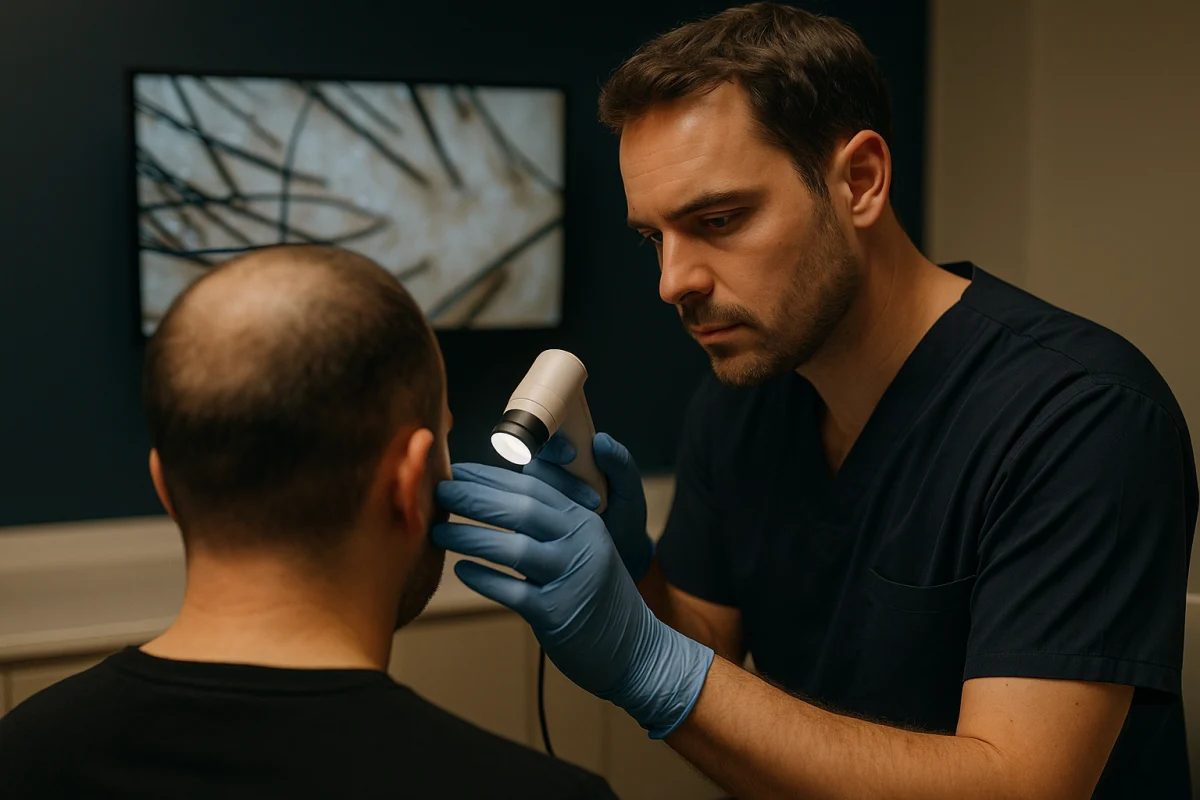
Most hair transplant procedures are performed with local anaesthesia, meaning that the scalp is numbed while you remain awake. You may feel brief pressure, movement or pulling during parts of the procedure, but significant pain is not usually expected once the anaesthetic has taken effect. Individual experiences vary, especially if you are anxious, sensitive to injections or have had difficult dental or medical procedures in the past. Tell the team about any concerns before the day of treatment.
Needle-free anaesthesia is available at Acibadem Hair Transplant Center for patients who may prefer this option. Whether it is suitable will depend on your circumstances and the clinician’s assessment. Comfort is not only about the anaesthetic method. A well-organised day, clear communication, appropriate breaks and a calm environment can all help patients feel more prepared. Avoid making decisions based solely on a claim that a procedure is completely painless, because all medical procedures can involve some discomfort.
Safety on the treatment day also includes infection-control measures, accurate patient identification, review of your medical information and written aftercare instructions. Ask what you should eat and drink before your appointment, whether any medicines need review, and how you can contact the clinic after the procedure. Follow pre-operative instructions carefully. Alcohol, smoking and certain supplements or medicines may affect bleeding or healing, so disclose them in advance rather than making assumptions.
05Plan Your Istanbul Stay and Your First Recovery Days
A treatment trip is easier when the medical and travel arrangements are coordinated in advance. Many international patients choose Istanbul because it combines established hair restoration services with direct travel connections and organised visitor support. Acibadem Hair Transplant Center has welcomed patients from 38 countries over 12 years. Its all-inclusive packages can include VIP transfer, a 4-star hotel, a care kit and 12 months of follow-up, which may simplify practical arrangements for eligible patients.
Try to allow enough time for the procedure, the first wash or post-operative review if scheduled, and a calm departure. Avoid planning demanding sightseeing, intense exercise, swimming or late nights immediately after treatment. You will usually need to protect the recipient area from friction, sun exposure and accidental bumps. Your team will explain how to sleep, wash your scalp and use the care products provided. These instructions may vary according to the technique used and your scalp condition.
Before flying home, save the clinic’s contact details, keep your written instructions in your hand luggage and understand when you should send follow-up photographs. Ask whether you need a local doctor or travel insurance contact for unrelated medical concerns while abroad. If you develop unexpected symptoms such as worsening pain, significant swelling, fever, discharge or bleeding, contact the treating clinic promptly and seek urgent local medical care when advised.
06Follow Aftercare Instructions to Protect Grafts and Healing
The first days after transplantation are an important healing period. Small crusts, redness, mild swelling and tenderness can occur, and the clinic will provide guidance on what is generally expected. Do not pick scabs, rub the transplanted area or wear tight headwear unless your medical team has specifically approved it. Gentle washing usually begins according to the schedule provided by the clinic. Correct aftercare helps protect newly placed grafts while the scalp settles.
Exercise, work routines and travel plans should be discussed before you book. Many people can return to light daily activities relatively soon, but visible redness or scabbing may last longer and differs from person to person. Contact sports, heavy sweating, swimming and activities that risk a blow to the scalp may need to be avoided for a period set by your doctor. It is sensible to plan a discreet recovery window rather than expecting your appearance to look unchanged immediately after surgery.
Follow-up should continue after you return home. Acibadem Hair Transplant Center includes 12 months of follow-up in its all-inclusive packages. The clinic measures results through trichoscopic graft survival at month 12 and documents a 98% rate under a written guarantee. This measurement approach does not mean that every patient will have identical cosmetic density or growth; outcomes are influenced by individual healing, donor characteristics, ongoing hair loss and adherence to aftercare.

07Know the Growth Timeline and Judge Results at the Right Time
Hair transplant results take time. In the early phase, transplanted hairs may shed before the follicles begin a new growth cycle. This can be worrying if you were not prepared for it, but temporary shedding is commonly part of the process. The scalp may also look different as redness fades and the surrounding native hair changes. Your clinic should explain the expected stages clearly so that normal early changes are not mistaken for a final result.
New growth typically appears gradually over the following months, with texture, length and apparent density continuing to improve over time. The crown can appear slower than the frontal area because of its growth pattern and the larger area that may require coverage. Photographs taken at regular intervals in similar lighting can be more useful than daily mirror checks. Your doctor will tell you when a meaningful assessment is appropriate for your individual treatment plan.
Long-term planning matters because hereditary hair loss may continue in non-transplanted hair. A transplant can create a more stable-looking result using donor follicles, but it cannot stop every form of future thinning. For this reason, a conservative hairline and sensible graft distribution are often important. If you are young or your hair loss is actively changing, the doctor may recommend a cautious approach or suggest waiting until the pattern is clearer.
08Ask the Questions That Show Whether a Clinic Is Right for You
Before committing to a provider, ask direct questions and compare the answers carefully. Find out whether the clinic is officially licensed, who conducts the medical consultation, who performs each surgical stage and what support is available after you go home. Ask how the clinic assesses donor capacity, what happens if the planned graft number changes after examination, and how it manages concerns during recovery. Clear, consistent answers are a positive sign of transparent care.
It is also reasonable to ask about realistic limitations. A trustworthy team will not promise a particular hair density, guarantee a specific hairline design or say that results will look exactly like another patient’s. Photographs can be informative, but they should be interpreted carefully because lighting, hair length, styling and the stage of recovery can change the appearance. Your own result will depend on factors that are unique to you, including donor quality, scalp characteristics and healing response.
Finally, make your decision when you feel informed rather than rushed. Read the treatment agreement and written guarantee carefully, including what is measured, when it is measured and what follow-up steps are expected from you. Keep copies of your consultation information, pre-operative instructions and aftercare plan. A well-planned journey for turkish hair implants is built on medical clarity, practical preparation and a continuing relationship with the team supporting your recovery.
09Frequently Asked Questions
How long do hair implants in Turkey last?
Transplanted hair follicles are generally selected from areas that are more resistant to hereditary thinning, so their growth can be long-lasting in many patients. However, results vary, and non-transplanted native hair may continue to thin over time. Your doctor can explain how your pattern of hair loss and donor area may affect long-term planning.
Do Turkish hair transplants really work?
A hair transplant can improve coverage in suitable candidates when healthy donor follicles are carefully transplanted and aftercare is followed. Results depend on factors such as donor hair quality, the stability of hair loss, surgical planning, graft handling and individual healing. Choose a licensed clinic that gives realistic expectations rather than guaranteed cosmetic promises.
Is a Turkish hair transplant painful?
The procedure is typically performed under local anaesthesia, so most patients should not feel significant pain during the main surgical stages. You may still notice brief discomfort from anaesthesia, pressure or tenderness during the first recovery days. Needle-free anaesthesia is available at Acibadem Hair Transplant Center, subject to clinical suitability.
Why do patients from the United States choose Turkey for hair transplants?
Patients from the United States may choose Turkey because Istanbul is an established destination for hair restoration and clinics can offer organised travel support alongside treatment. Some also value access to techniques such as Sapphire FUE and DHI, as well as structured follow-up. Safety should remain the priority: patients should verify licensing, medical oversight, treatment roles and aftercare before travelling.
This article is for general information only and is not a substitute for professional medical advice.
 06
06 12
12