
After a turkish hair transplant, the first 14 days are mainly about protecting newly placed grafts, following the prescribed washing routine, and avoiding pressure, scratching, and strenuous activity. Mild swelling, redness, scabbing, and temporary numbness can occur, but your clinic should explain what is expected and when to contact a doctor.
- The transplanted area is most vulnerable during the first 7 to 10 days, so avoid touching, rubbing, or putting pressure on it.
- Use only the washing method and products recommended by your medical team, especially while scabs are present.
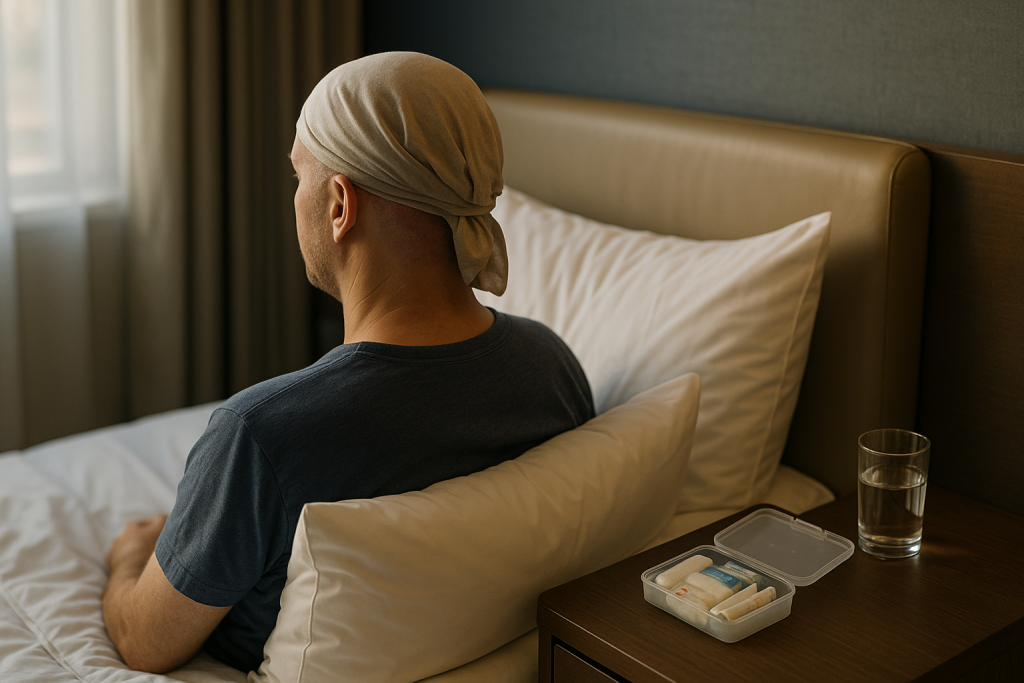
- Sleep with your head elevated during the first few nights to help limit swelling and avoid rubbing the recipient area.
- Avoid smoking, alcohol, intense exercise, swimming, and direct sun exposure for the period advised by your doctor.
- Contact your clinic promptly if you develop increasing pain, spreading redness, fever, pus, or significant bleeding.
01Turkish Hair Transplant: First 14 Days of Aftercare
A turkish hair transplant needs careful aftercare during the first 14 days because the newly transplanted grafts are still settling into the scalp. Whether your procedure uses Sapphire FUE or DHI, the basic aim is the same: protect the recipient area, keep it clean as instructed, and allow normal healing to happen without unnecessary friction or pressure. Your doctor will give you a personal recovery plan based on your scalp, graft placement, medical history, and the technique used.
The first two weeks can look more dramatic than they feel. Small crusts may form around the grafts, the scalp may appear pink or red, and mild tightness, itching, or numbness may occur. Swelling can also appear on the forehead or around the eyes during the first few days in some patients. These changes are usually part of early healing, but it is important to follow the guidance provided by your surgical team rather than relying on general online advice alone.
Aftercare begins before you leave the clinic. You should understand how to wear any protective head covering, when to begin washing, which medicines have been prescribed, and how to reach the clinic if you have concerns. At Acibadem Hair Transplant Center in Istanbul, patients receive a care kit and 12 months of follow-up as part of all-inclusive packages. However, the instructions given directly to you by your doctor should always take priority over any general recovery guide.
02Day 0 to Day 2: Protect the Grafts From Pressure
On the day of surgery and during the following 48 hours, avoid touching the recipient area unless your clinic has specifically instructed you to do so. Fresh grafts should not be rubbed with towels, pressed against a pillow, or exposed to the spray of a shower. If there is minor spotting on the donor area, follow the dressing instructions you received. Do not remove, replace, or add dressings without checking with your medical team.
Sleep is especially important in these first nights. Many clinics advise sleeping on your back with the head elevated, often using extra pillows or a travel pillow, to reduce contact with the transplanted area and help manage swelling. Try to avoid sleeping on your front or side if it could press against grafts. You may need to adjust your usual sleeping position temporarily, and loose, clean bedding can make this more comfortable.
Rest quietly at home or in your hotel after the procedure. Short, gentle walking is usually more suitable than staying in bed all day, but avoid bending repeatedly, heavy lifting, gym exercise, sexual activity, and any activity that makes you sweat heavily. If you were given medicines for pain, swelling, or infection prevention, use them exactly as prescribed. Do not add over-the-counter medicines, supplements, or herbal products without asking your doctor first.
03Day 3 to Day 5: Start Gentle Washing as Instructed
In many patients, the clinic will ask them to begin a careful washing routine after the first few days. The timing differs between clinics and can depend on the procedure, so wait for your specific instructions. Washing is not intended to scrub the scalp clean immediately. Its purpose is to soften dried material gradually, keep the area hygienic, and support the natural release of scabs later in the first two weeks.
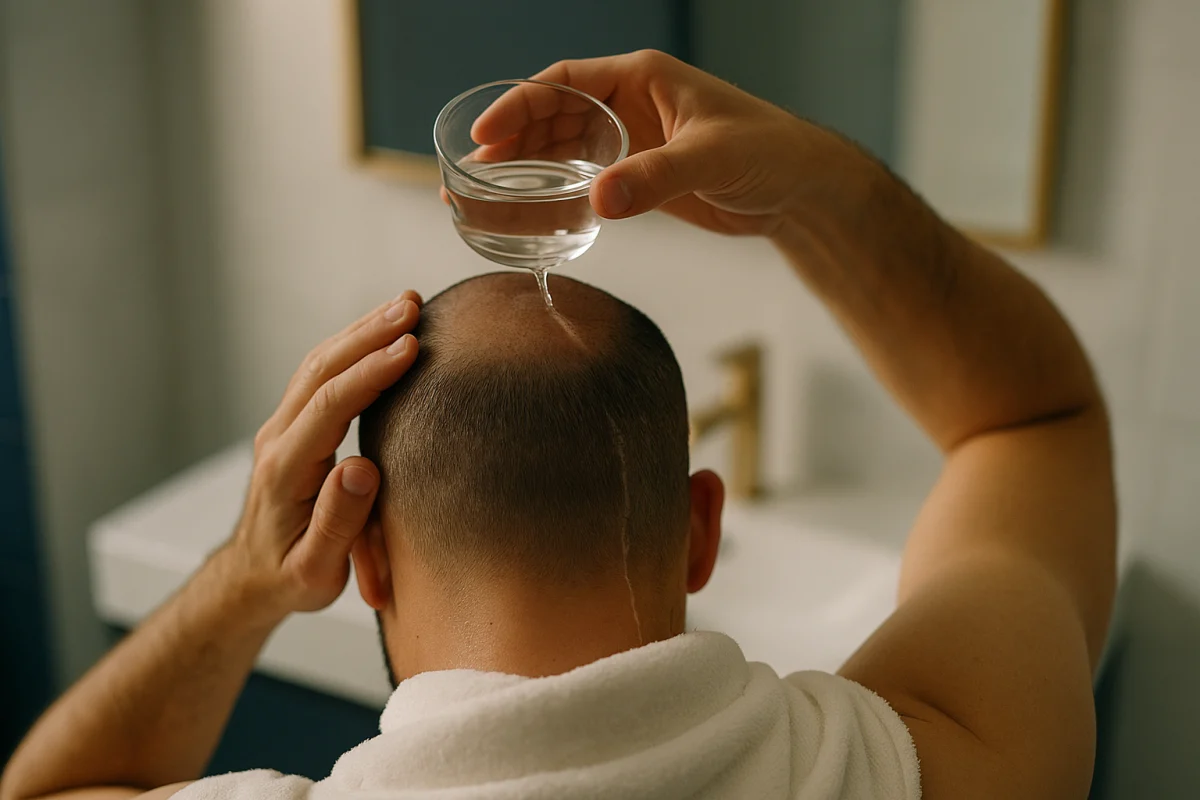
A typical clinic-directed routine may involve applying a recommended lotion or foam gently to the recipient area, leaving it on for the advised time, and rinsing with lukewarm water at low pressure. Shampoo may then be applied by dabbing rather than rubbing. Do not use hot water, strong shower pressure, fingernails, massaging movements, or an ordinary towel on the grafts. Let the scalp air-dry when possible, or use only the drying method your team has approved.
Itching often becomes more noticeable at this stage as tiny wounds heal. It can be tempting to scratch, pick, or lift scabs, but doing so may irritate the scalp and could disturb healing tissue. Ask your clinic how to manage itching safely. They may recommend a particular spray, a washing adjustment, or another suitable measure. Keep your hands clean and avoid trying social-media remedies or cosmetic products that have not been cleared by your medical team.
04Day 6 to Day 10: Manage Scabs, Swelling, and Daily Life
Between days 6 and 10, scabs may become more visible before they begin to loosen. This is often expected. Continue washing daily in the exact way your clinic has shown you, even if the scalp looks uneven. The goal is a gradual process, not fast removal. Pulling off a crust with your fingers can cause bleeding and may place unnecessary stress on the area, so patience is important during this part of recovery.
By this time, early forehead swelling often improves in most patients, although each recovery is different. Some people still notice mild redness in the recipient area, particularly if they have lighter skin or a naturally sensitive scalp. The donor area may feel tight, itchy, or slightly numb. Loose, clean clothing that does not need to be pulled over the head can help prevent accidental contact with grafts when getting dressed.
You may be able to return to desk-based work if you feel well enough and your doctor agrees. Plan for a calm schedule, particularly if you are travelling home after surgery. Avoid dusty environments, helmet use, crowded situations where the scalp may be bumped, and long periods in strong sun. If a hat is allowed, ask exactly when it can be worn, what type is suitable, and how to put it on without dragging it across the recipient area.
05Day 10 to Day 14: Let the Scalp Settle Naturally
Around the second week, many patients notice that most scabs are ready to come away during washing. Your clinic may advise a slightly different washing motion at this point to help remove remaining softened crusts, but only use this method after you have been given permission. Do not assume that every scab must disappear on the same day. The scalp can heal at different speeds across the hairline, crown, and donor zone.
Once crusting has reduced, the recipient area may still look pink and the transplanted hairs may appear short, uneven, or temporarily sparse. This does not tell you the final result. The first 14 days are about wound healing, not visible hair growth. It is normal to compare the scalp closely in a mirror, but frequent inspection can increase anxiety and may lead to unnecessary touching. Follow the photo schedule suggested by your clinic instead.
A turkish hair transplant recovery plan should also consider travel and routine habits. If you have returned to your home country, keep the clinic informed through the recommended follow-up channel and send clear photos when asked. Acibadem Hair Transplant Center offers a free online hair analysis reviewed by doctors and typically replies through WhatsApp within around two hours. For post-procedure concerns, use the direct clinical contact route provided to you rather than waiting for a routine online enquiry response.
06Food, Hydration, Smoking, and Medicines During Recovery
A balanced diet and regular hydration support general recovery, although no food can force grafts to grow faster. Aim for regular meals with sufficient protein, vegetables, fruits, and fluids, unless you have a medical condition requiring a specific diet. If you have diabetes, blood pressure concerns, allergies, or another long-term health condition, your doctor may give additional instructions. Continue to follow those instructions carefully while you recover.
Smoking and nicotine products can affect circulation and wound healing. Alcohol can also increase swelling and may interact with prescribed medicines. Clinics commonly advise avoiding both for a defined period before and after surgery, but the exact timing should come from your doctor. It is best to be fully open about smoking, vaping, alcohol intake, and all regular medication before the procedure so your medical team can plan safely.
Take prescribed medicines only as directed and complete any course that your doctor has instructed you to complete. Do not restart blood-thinning medication, anti-inflammatory drugs, supplements, hair-loss treatments, or topical scalp products without medical approval. Some treatments may be suitable at a later stage, while others may need to be delayed. Your doctor will confirm when it is appropriate to resume your normal routine and whether any ongoing medical treatment is recommended.

07Exercise, Sun, Travel, and Hair Styling After Surgery
Heavy exercise is usually postponed during the early healing period because increased blood pressure, sweating, friction, and accidental contact may irritate the scalp. Gentle walking may be appropriate for many people, but running, weight training, football, cycling with a helmet, yoga positions involving prolonged bending, and contact sports generally need to wait. Your medical team will give a timeline based on your healing and the activity you want to return to.
Protect the scalp from direct sunlight during the first 14 days and beyond, as advised. A healing recipient area may be more sensitive to heat and ultraviolet exposure. Do not use sunscreen directly on fresh grafts unless your doctor has approved a specific product and timing. Instead, remain in shade where possible and ask when a loose, suitable hat can be used. Avoid saunas, steam rooms, hot tubs, and swimming pools until your clinic says the skin has healed sufficiently.
Do not dye, bleach, chemically straighten, perm, or use styling products on the scalp during the first two weeks. Hair dryers set on hot air and close cutting tools can also irritate the area or create accidental friction. If you need a haircut soon after surgery, tell the stylist that you have had a procedure and ask your clinic when clipping or scissors are safe around both the recipient and donor areas. Careful planning helps prevent avoidable setbacks.
08When to Contact Your Clinic and What Comes Next
Contact your clinic promptly if you notice pain that is increasing rather than improving, significant or persistent bleeding, spreading redness, foul-smelling discharge, pus, fever, or swelling that becomes severe or does not settle as expected. These signs do not automatically mean there is a serious problem, but they need professional assessment. If you have trouble breathing, facial swelling suggesting an allergic reaction, or another urgent medical symptom, seek emergency care locally without delay.
After day 14, the grafts are generally more secure than they were in the first days, but recovery continues for many months. Transplanted hairs can shed during the following weeks, which is often called shock shedding. This can be concerning, yet it is commonly part of the hair cycle and does not by itself mean the procedure has failed. New growth usually takes time, and your clinic can explain the expected review points for your individual case.
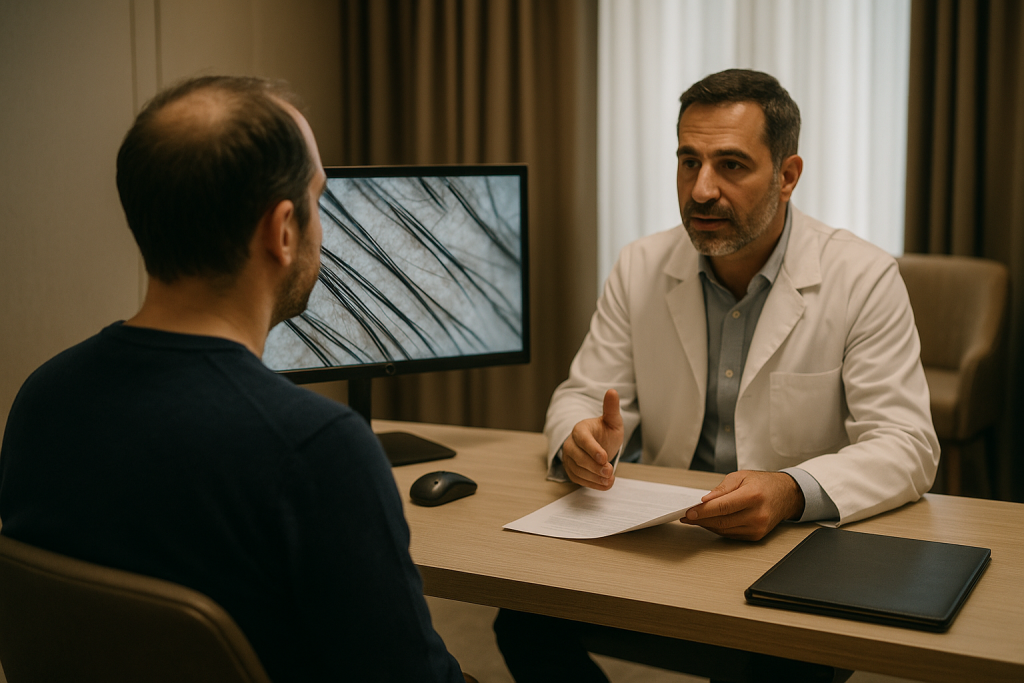
Long-term results depend on factors such as the quality of the donor hair, the underlying cause and progression of hair loss, surgical planning, healing, and any ongoing treatment your doctor recommends. At Acibadem Hair Transplant Center, results are measured by trichoscopic graft survival at month 12, with a documented 98% rate under written guarantee. This measure does not mean every patient will have the same cosmetic appearance, because density, hair characteristics, and future native hair loss vary between individuals.
09Frequently Asked Questions
Do Turkish hair transplants really work?
A hair transplant performed in Turkey can work when it is appropriately planned, performed by a qualified medical team, and followed by suitable aftercare. The country itself does not determine the result; surgeon-led planning, donor hair quality, graft handling, and the patient’s pattern of hair loss are all important. Your doctor should assess whether transplantation is suitable for you and explain realistic expectations.
How long can the results of a Turkish hair transplant last?
Transplanted follicles are typically selected from areas that are more resistant to hair loss, so the transplanted hair may be long-lasting. However, native, non-transplanted hair can continue to thin over time, and future hair loss may change the overall appearance. Long-term planning and any treatment recommended by your doctor can be important for maintaining a balanced result.
What is the cost of 3,000 hair grafts in the United States?
There is no single reliable price for 3,000 grafts in the United States because costs vary widely by city, clinic, technique, medical team, and what is included in care. A written quote should clearly state whether it includes consultation, surgery, medicines, follow-up, and any additional fees. It is sensible to compare clinical standards and the treatment plan, not only the advertised price.
What may happen 10 years after a hair transplant?
Ten years after a hair transplant, many transplanted hairs may still be growing, but the appearance can change if surrounding native hair continues to thin. Some people may benefit from ongoing medical management or, in selected cases, a further procedure, depending on donor supply and their pattern of hair loss. Regular review with a qualified doctor can help plan for long-term changes realistically.
This article is for general information only and is not a substitute for professional medical advice.
 06
06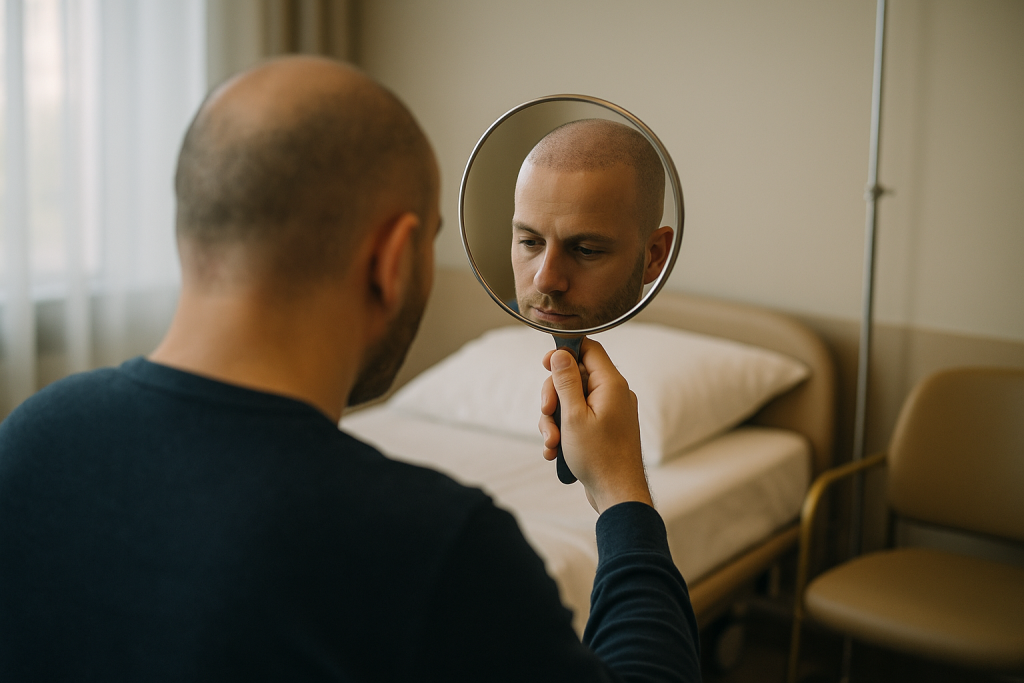 12
12