

In this article9
- Overview
- The First 72 Hours: Keep the Recipient Area Safe
- Washing and Scab Care Without Damaging Grafts
- Hair Transplant Care After: Sleep, Clothing and Daily Routine
- Exercise, Travel and Social Plans During Healing
- Week-by-Week Changes You May Notice
- Medication, Smoking and Warning Signs to Discuss
- Long-Term Protection of Transplanted and Existing Hair
- Frequently Asked Questions
Hair transplant care after surgery focuses on protecting newly placed grafts while the scalp heals. In most patients, this means following the clinic’s washing schedule, avoiding friction and strenuous activity, taking prescribed medicines correctly, and attending planned follow-up checks.
- Newly implanted grafts are most vulnerable to rubbing, pressure and accidental trauma during the early recovery period.
- Your clinic’s washing instructions, medication plan and activity restrictions should take priority over general online advice.
- Temporary scabbing, redness, swelling and shedding of transplanted hairs can be normal stages of recovery.
- Most patients can return to light daily routines within a few days, but exercise and contact risks require a longer pause.
- Long-term results depend on graft survival, natural hair changes and appropriate medical follow-up.
01Hair Transplant Aftercare: Protecting Grafts During Recovery
Hair transplant care after a procedure is designed to support normal healing and reduce avoidable stress on the grafts. A graft is a small unit containing one or more hair follicles that has been removed from the donor area and placed into tiny recipient-site channels. During the first days, these grafts need time to settle and establish a blood supply. Your surgeon and care team will provide instructions based on your technique, scalp condition, medical history and the extent of your procedure.
The early recovery period is not usually painful for most patients, but it requires care and patience. The recipient area may look red, swollen or dotted with small crusts. The donor area may feel tight, tender or mildly itchy. These effects commonly improve as healing progresses. It is important not to judge the final result during this stage, because the appearance changes significantly over the following weeks and months.
The central rule is simple: avoid touching, scratching, rubbing or pressing the implanted area unless your clinical team has specifically instructed you to do so. Careful movement, gentle cleansing and protection from direct impact can help reduce the risk of disturbing grafts. If you are unsure whether an activity is safe, it is sensible to ask your clinic before doing it rather than relying on general advice.
02The First 72 Hours: Keep the Recipient Area Safe
The first three days are typically the most cautious part of recovery. Newly implanted follicles are still settling, so direct contact with the recipient area should be avoided. Do not pick at crusts, wear a tight cap without approval, or allow shower pressure to hit the scalp. Even well-intended actions, such as checking the grafts repeatedly in a mirror or adjusting the hair with fingers, can create unnecessary friction.
Sleep position matters during this period. Many clinics recommend sleeping on your back with the head elevated, often using extra pillows or a travel pillow to limit accidental contact with the pillowcase. Elevation may also help manage post-procedure swelling in suitable patients. Use clean bedding and try to avoid turning onto the implanted area overnight. Your doctor will confirm how long this position is necessary for you.
Swelling can occur around the forehead and upper face after a transplant, especially during the first few days. Your team may provide specific advice about hydration, cool compresses away from the grafted area, prescribed medicines or sleeping position. Never place ice directly on grafts or use products that have not been approved by your clinic. Contact the clinic promptly if swelling is severe, worsening, or accompanied by concerning symptoms.
03Washing and Scab Care Without Damaging Grafts
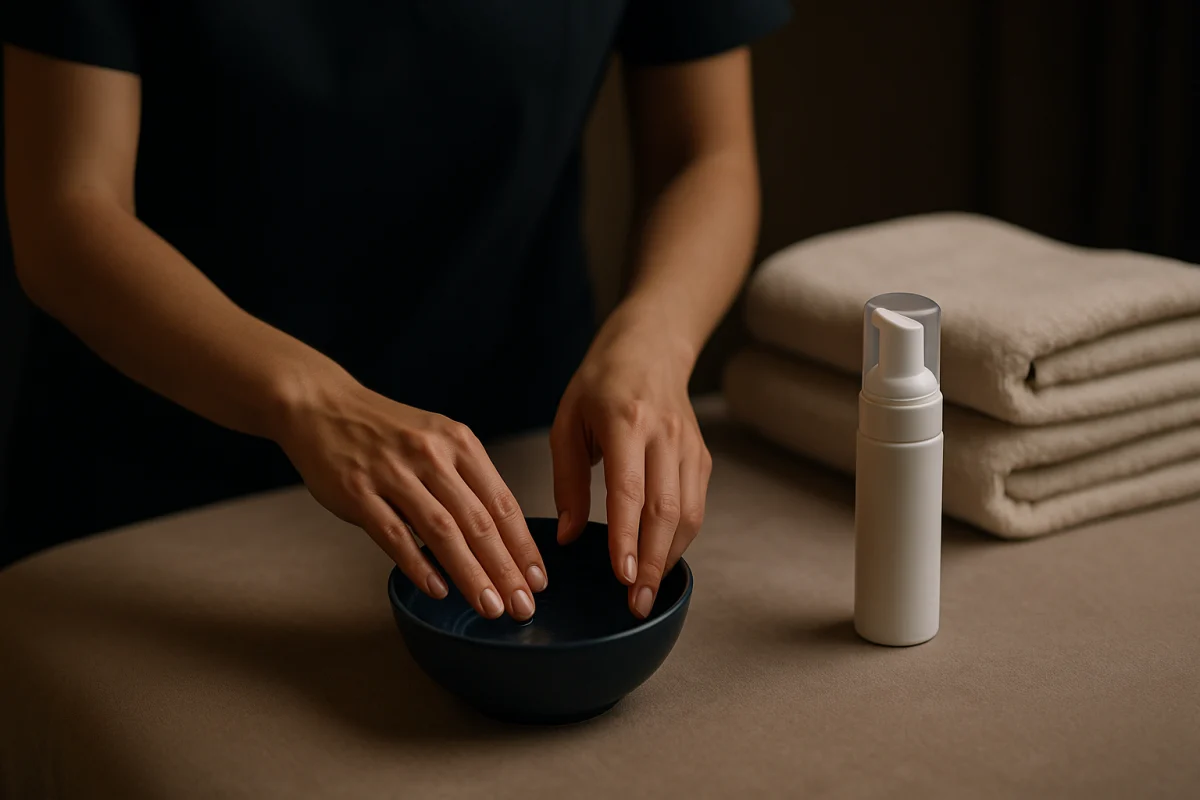
Washing is an important part of recovery because it keeps the scalp clean and helps crusts soften gradually. However, the timing and method should follow the protocol provided by your clinic. In many cases, patients begin a gentle wash after the first few days, using a clinic-approved lotion or foam before rinsing with low-pressure lukewarm water. The exact start date can vary, so your doctor’s instructions should always come first.
When washing is permitted, apply any recommended product with a light dabbing motion rather than rubbing. Let it sit for the advised time, then rinse gently. Do not use hot water, strong water pressure, fingernails, rough towels or vigorous circular massage on the recipient area. To dry the scalp, many patients are advised to let it air-dry or use a very gentle method specified by their care team.
Small scabs usually form around transplanted follicles as part of normal healing. They should not be pulled away early, as picking can cause bleeding, irritation and possible graft trauma. With regular gentle washing, crusts commonly loosen over the following days. If scabs remain longer than expected, if there is persistent bleeding, or if you are worried about how the area looks, send clear photos to your clinical team for guidance.
04Hair Transplant Care After: Sleep, Clothing and Daily Routine
Hair transplant care after surgery also includes practical choices that may seem minor but can affect comfort and graft protection. Choose loose, front-opening shirts, button-up tops or zip-up clothing during the earliest days. Pulling a tight T-shirt over the head can accidentally brush the recipient area. Take extra care when putting on glasses, using headphones or removing outerwear, particularly if grafts were placed near the hairline or temples.
Light indoor movement is generally preferable to staying completely still, unless your doctor has advised otherwise. You may walk around the home, eat regular nutritious meals and complete calm daily tasks. However, bending deeply, straining, heavy lifting and sudden vigorous movement may increase swelling or cause discomfort in the early phase. Plan your first days so that you do not need to rush, commute in crowded conditions or manage physically demanding responsibilities.
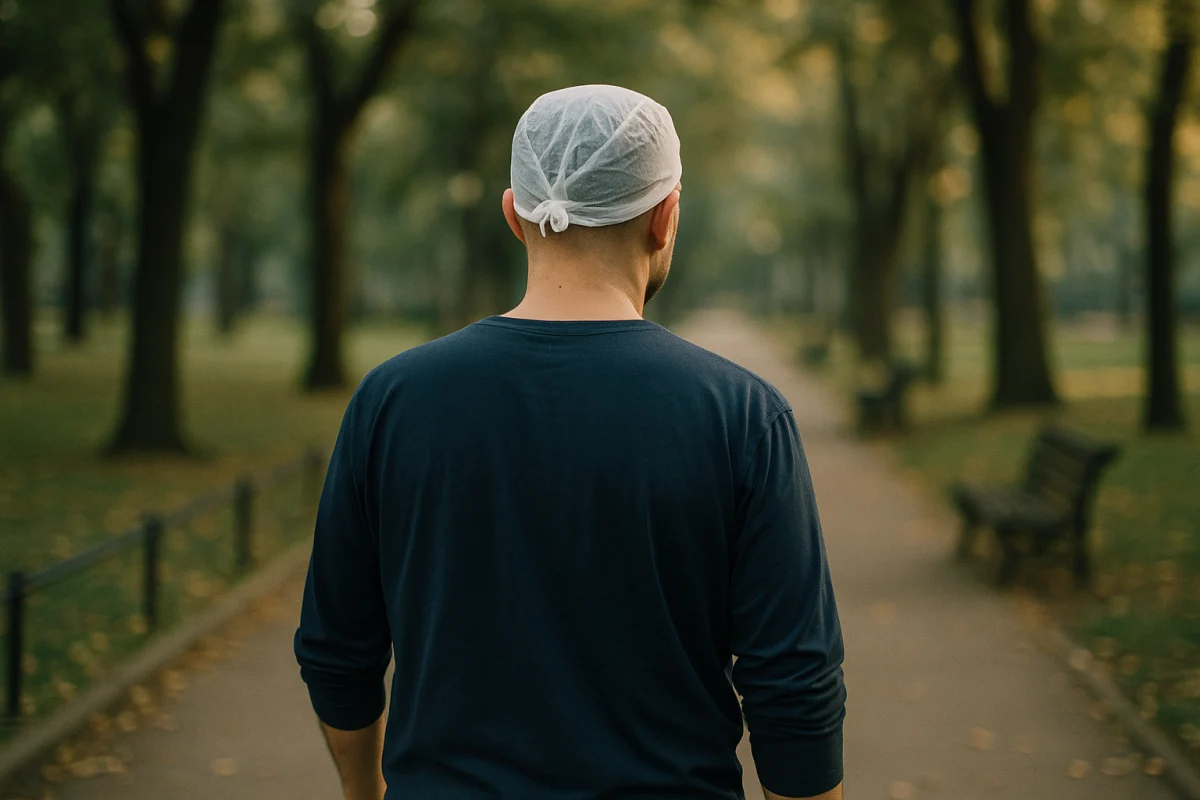
Sun exposure deserves particular attention. A healing scalp can be more sensitive to direct sunlight, and sunburn may irritate both donor and recipient areas. Avoid strong sun exposure during the period advised by your clinic. If head covering is approved, it should be loose, clean and put on without scraping the grafts. Do not assume that any hat is safe immediately after surgery; ask when and how you may wear one.
05Exercise, Travel and Social Plans During Healing
Rest does not mean that every patient must stay in bed for a long time. Many people feel well enough to do quiet activities within one or two days, although the visible signs of the procedure can make social plans less comfortable. A short period away from work may be useful, especially if your role involves physical effort, heat, dust, helmet use or frequent public interaction. Your individual return-to-work timing depends on your job and recovery.
Strenuous exercise, swimming, sauna use and activities that cause heavy sweating are usually delayed during early healing. Sweat, heat, friction and accidental impact can irritate the scalp before it has recovered. Contact sports, team sports and gym sessions involving heavy lifting generally require a longer pause than gentle walking. Your clinic can provide a staged return-to-activity plan that reflects the procedure performed and your normal exercise habits.
Travel soon after a procedure may be possible when your medical team agrees, but it requires planning. Keep your care products and medication accessible, protect the scalp from crowding or bumps, and follow your washing schedule even while away. Alcohol, smoking and dehydration can be unhelpful during recovery, so follow the restrictions given by your doctor. If you are an international patient, arrange your onward travel around the clinic’s recommended check and washing appointments.
06Week-by-Week Changes You May Notice
During week one, the recipient area commonly shows small crusts and redness, while the donor area begins to settle. Mild tenderness, itchiness or swelling may occur. This is the period when careful sleeping, gentle washing and avoiding friction are most important. It is also when patients often feel anxious about the appearance of the grafts, but early visual changes are not a reliable indicator of the final outcome.
During weeks two to four, most crusts have usually shed with appropriate washing, and redness may continue to fade. Transplanted hairs often fall out during this period or in the following weeks. This is commonly called shedding or shock loss and can be a normal part of the hair growth cycle after transplantation. The follicles typically remain under the skin even when the visible hair shaft falls, but your doctor should assess unusual or persistent concerns.
From around month two to month four, patients may experience a quiet phase with limited visible growth. New hairs commonly begin to emerge gradually after this stage, often looking fine at first. Between months five and nine, density and hair calibre may develop further. Results are usually assessed over a longer period, often around 12 months, because growth rates and maturation vary. At Acibadem Hair Transplant Center, graft survival is measured trichoscopically at month 12 under a written guarantee, with a documented 98% rate.
07Medication, Smoking and Warning Signs to Discuss
Take only the medicines, supplements and topical products approved by your doctor. Your care plan may include pain relief, antibiotics, anti-inflammatory medication or scalp products, depending on the clinical approach and your health needs. Do not add over-the-counter treatments, herbal products or hair-growth products during the early healing period without medical approval. Some substances may irritate the scalp or interact with prescribed medication.
Smoking and nicotine exposure can be a concern because they may affect circulation and healing. Alcohol may also interfere with recovery instructions or prescribed medicines. Your clinic will explain when these should be avoided before and after surgery. Following these restrictions carefully is a practical part of hair transplant care after treatment, particularly during the period when grafts are establishing themselves.
Seek prompt clinical advice if you develop increasing pain, spreading redness, warmth, pus-like discharge, fever, persistent bleeding, a strong unpleasant smell, or swelling that becomes severe rather than improving. These signs do not always mean a serious complication, but they should not be ignored. Contact your transplant clinic first when possible, and seek urgent local medical care if you have severe symptoms or cannot reach the team.
08Long-Term Protection of Transplanted and Existing Hair
A hair transplant redistributes permanent donor follicles; it does not stop natural changes in non-transplanted hair. Over time, existing hair may continue to thin if you are prone to pattern hair loss. This is why a long-term plan may include medical assessment, scalp monitoring and discussion of suitable treatments. Your doctor can explain which options are clinically appropriate and safe for your situation.
Twenty years after a hair transplant, transplanted follicles may still grow because they commonly retain many of the characteristics of the donor area. However, no long-term appearance can be predicted with certainty. Ageing, genetic hair loss, health changes and progressive thinning of surrounding native hair can alter the overall look. Some patients may eventually discuss further treatment or another procedure, while others may not need this.
Consistent follow-up helps you make decisions based on what your hair is doing now rather than on assumptions. Acibadem Hair Transplant Center is a dedicated hair restoration clinic in Istanbul, licensed by the Turkish Ministry of Health. The clinic offers Sapphire FUE and DHI techniques, as well as 12 months of follow-up within its all-inclusive packages. A free online hair analysis reviewed by doctors can help you understand the next steps before travelling.
09Frequently Asked Questions
What should I do and avoid after a hair transplant?
Follow your clinic’s washing and medication instructions, sleep as advised, keep the scalp clean, and protect the grafted area from rubbing or impact. Avoid scratching, picking scabs, strenuous exercise, swimming, sauna use, smoking or alcohol for the periods set by your doctor. Loose front-opening clothing can help prevent accidental contact with grafts.
What may happen 20 years after a hair transplant?
Transplanted donor follicles may continue growing for many years, but the overall appearance can change as you age. Existing, non-transplanted hair can continue to thin due to genetic hair loss, and some people may later consider medical treatment or an additional procedure. Your doctor can discuss realistic long-term planning during follow-up.
What happens after a hair transplant week by week?
In the first week, scabbing, redness, mild swelling and tenderness are common. During weeks two to four, crusts usually clear and transplanted hairs may shed temporarily; new growth often starts gradually after several months. Hair typically continues to mature through the first year, and individual timelines vary.
How long should I rest after a hair transplant?
Many patients can return to calm, light daily activities within a few days, depending on comfort and their doctor’s advice. More demanding work, strenuous exercise, swimming, heat exposure and contact-risk activities usually need a longer break. Your return plan should be based on your procedure, job and healing progress.
This article is for general information only and is not a substitute for professional medical advice.
This guide is for general information and does not replace a medical consultation. Treatment decisions are made after an in-person or online assessment by a doctor.